Psychology Diary

The First Step Toward Change Is Awareness

  • Home
  • Relationships
  • Mental Health
  • Expert Tips
  • Life
  • Family
  • Marriage

Understanding Seasonal Affective Disorder (SAD) in Older Adults

August 31, 2025 · Mental Health

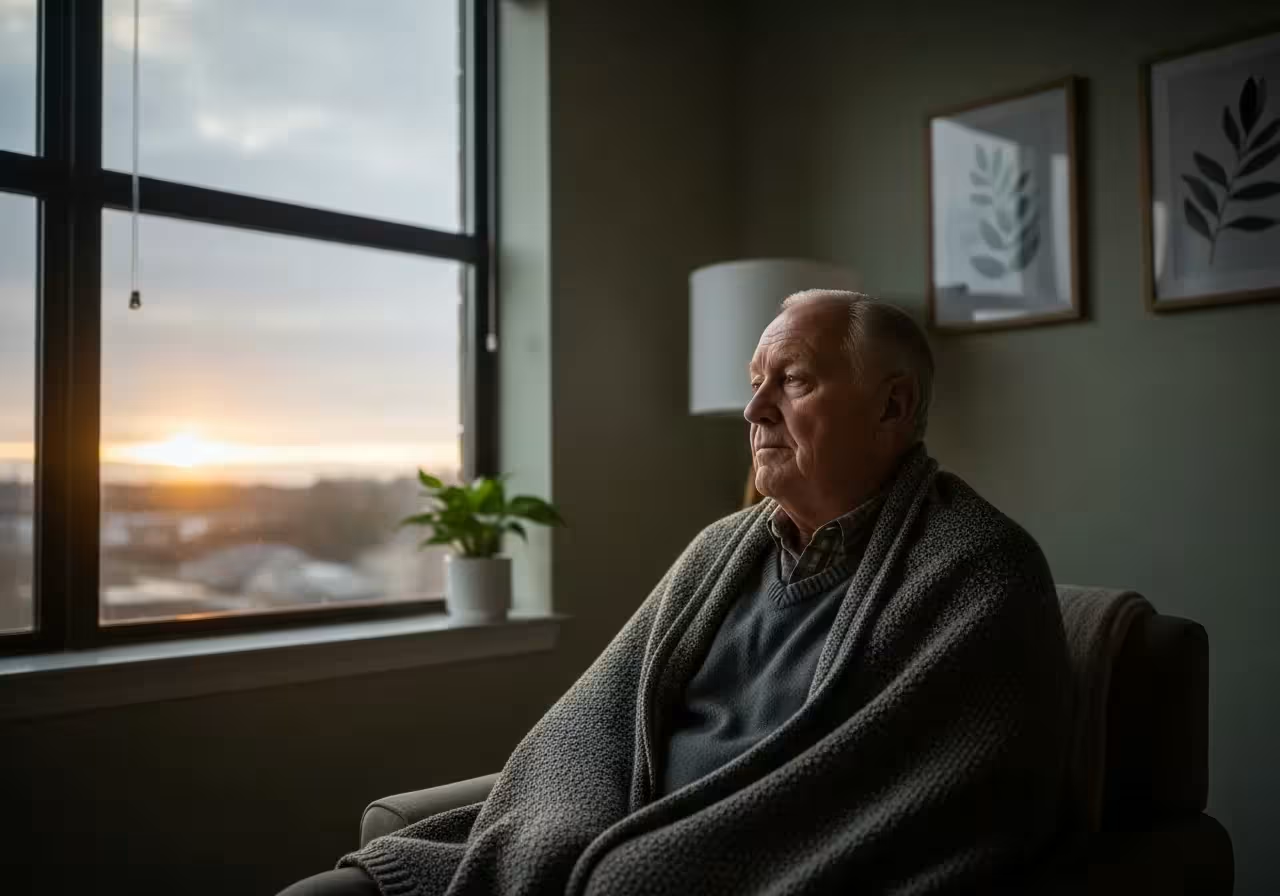
Man looking at dim sunrise through window in winter.

What Is Seasonal Affective Disorder (SAD)?

Seasonal Affective Disorder is not a separate disorder but is recognized as a specific type of major depression with a seasonal pattern. This means that for a person with SAD, episodes of depression occur and then resolve around the same time each year. While it can happen in any season, the most common form is winter-pattern SAD, where symptoms begin in the late fall or early winter and fade away as the brighter days of spring and summer arrive.

Think of your body as having an internal clock, known as your circadian rhythm. This clock helps regulate your sleep-wake cycle, energy levels, and mood. It takes its cues from the environment, especially from sunlight. During the fall and winter, the decrease in natural sunlight can throw this sensitive clock off balance. Researchers believe this disruption is a key factor in SAD.

This reduction in light may affect two important chemicals in the brain. The first is serotonin, a neurotransmitter that helps regulate mood. Lower levels of sunlight can lead to a drop in serotonin, which may trigger feelings of depression. The second is melatonin, a hormone that plays a role in sleep patterns. The changing seasons can alter melatonin production, leading to feelings of sleepiness and fatigue that are characteristic of SAD.

It is crucial to understand that SAD is a clinical diagnosis, not a personal failing or a sign of weakness. It is a genuine biological and psychological response to the changing environment. Recognizing it as a health condition is the first and most important step toward finding effective ways to manage it.

Pages: 1 2 3 4 5 6 7 8 9

Share this article

Facebook Twitter Pinterest LinkedIn Email

Leave a Reply Cancel reply

Your email address will not be published. Required fields are marked *

Search

Latest Posts

  • A mixed media collage of a silhouette filled with torn paper and translucent layers, symbolizing the invisible nature of emotional neglect. 10 Traits of People Emotionally Neglected as Kids
  • A mixed-media collage showing a rigid, golden silhouette with cracks revealing a soft, watercolor interior, representing performative armor. 7 Behaviors People Mistake For Confidence But Aren’t
  • A woman sits alone at a kitchen table in dim evening light while her partner stands in the background, illustrating emotional distance. 9 Psychological Reasons Why People Stay in Unhappy Relationships
  • An illustration of a person using a prism to turn a chaotic blue wave into a clear spectrum of distinct colors. 10 Signs You Have Exceptionally High Emotional Intelligence
  • A mixed-media collage of an older person's profile filled with childhood drawings and school reports, representing deep-seated habits. 8 Childhood Habits That Still Secretly Shape Your Personality After 60
  • An abstract mixed-media piece showing bright yellow and orange splashes like a laugh, covering a dark, dense gray background. 7 Signs Someone Uses Humor To Avoid Serious Conversations
  • Two friends sitting at a kitchen table, unconsciously mirroring each other's posture by resting their chins on their hands. 7 Signs Someone Mirrors Your Personality Without Realizing It
  • A woman laughs at her phone while her friend sits beside her on a sofa with a forced, thin smile and envious eyes. 7 Friendship Behaviors That Reveal Hidden Jealousy
  • A mixed media collage showing a glowing smartphone screen inside a mirror frame, casting a shadow of a staged performance on a curtain. 7 Signs Someone Is Performing Kindness For Attention
  • A mixed media collage of a person in a theatrical spotlight while their partner sits in the shadows of a theater audience. 7 Signs Someone Loves Attention More Than They Love You

Newsletter

Get the latest posts delivered to your inbox.

Related Articles

phrases that may indicate depression

Identify Signs of Depression Through Words

Support those in need! These are phrases that may indicate depression:  A notable increase in…

Read More →
A sophisticated woman in her 60s looking out a window in a bright, modern home.

7 Habits That Secretly Destroy Your Mental Health After 60

Are your daily habits silently harming your mental health? Discover 7 hidden behaviors, from dehydration…

Read More →
self-soothing,

9 Self-Soothing Methods to Help You Regain Balance

Some of The Best Self-Soothing Tactics out There! Let’s face it: We all have moments…

Read More →

Misdiagnosed Mental Illnesses: 4 Shocking Ones Commonly Overlooked

Bipolar disorder Bipolar is one of the most commonly misdiagnosed mental illnesses in the United…

Read More →
An elderly man sits alone at a kitchen table in soft afternoon light while his adult daughter watches from the doorway with concern.

Why Some People Become More Difficult With Age—According to Psychologists

Discover the psychological, neurological, and emotional reasons why some people become more difficult with age,…

Read More →
memory

Forgot Something? Don’t Worry – These 7 Memory Problems Are Normal

Sometimes, we all forget things. Maybe you need to find your keys or remember the…

Read More →
A woman in her 60s sits thoughtfully in a sunlit living room with a mug of tea, reflecting on connection and solitude.

Why Loneliness Hits Harder After 60—and How to Fix It

Discover why loneliness intensifies after 60, learn the difference between solitude and isolation, and explore…

Read More →
dementia

7 Subtle Signs Your Spouse Has Dementia

1. It’s difficult for them to find the right words Over the last months, something…

Read More →
Betrayal Trauma

Betrayal Trauma: 7 Signs You May Have It Too

How Does Betrayal Trauma Work? Can It Be Completely Healed? When your partner or your…

Read More →

Psychology Diary

The First Step Toward Change Is Awareness

Inedit Agency S.R.L.
Bucharest, Romania

contact@psychologydiary.com

Explore

  • About Us
  • Advertiser Disclosure
  • Contact Us
  • Disclaimer
  • Do not sell my personal information
  • Editorial Policy
  • Frequently Asked Questions
  • Privacy Policy
  • Terms and Conditions
  • Subscribe
  • Unsubscribe

Categories

  • Expert Tips
  • Family
  • Life
  • Marriage
  • Mental Health

© 2026 Psychology Diary. All rights reserved.