
Have you given death a thought lately?
While death and questions about it seem to be more and more easily noticeable in our society as of late, it has never been an event that people have stopped to think about in detail.
While most of us have had to tackle the death of a loved one, it is not as easy to pinpoint people who are mourning as it once used to be, and it is harder to see what one can do in order to aid those who are suffering.
Add to this conundrum the fact that people do not like to think about people dying, and you have got yourself an issue on your hands since most people will concentrate on others rather than their own pain.
Most people have an innate fear of death, one that they do not end up discovering until someone they hold dear passes, and they are confronted with the mortality that characterizes all living beings on this planet.
This can mean that unless forced to face it, many choose to ignore it, which makes it weigh heavily on their mind when they inevitably have to deal with it.
This does not have to be the case for you, and you can slowly and surely learn to accept death in your life, understand it, and use it to make your present better.
What are the most important questions related to death, what do they mean, and how can they help you? All the way to how you can cope and deal with the grief that is associated with the death of your, we’re going to discuss them all today with you.
Remember, death does not have to be a scary thing. And today you can learn how to deal with everything that comes alongside it. Ready to dive in?
What is your relationship with death like? What is your opinion on how people deal with it? Share your answers in the comments down below!
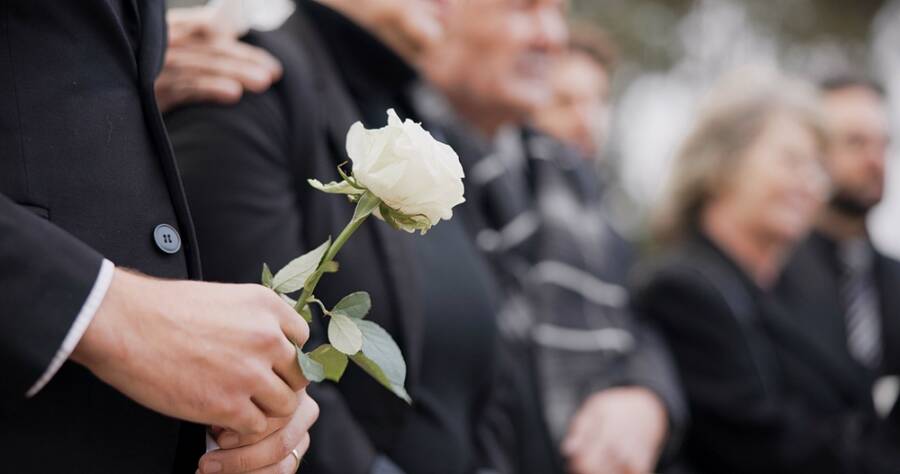
Question 1: Death memories
- How old were you when you first experienced death? How did it make you feel? Was it a family member or a pet? Did your parents/family talk about it? Can you remember how you and your family grieve? Was it efficient?
One of the first questions you need to ask yourself if you find it hard to think or accept death is if you have ever had to deal with it in your past.
This can be done by asking yourself and being truthful when answering when it comes to when you first encountered death and how it was handled. A lot of people are surprised to remember that their first encounters with death have made them clam up.
If you had experienced something of the sort when you were young and people have brushed it off, you might end up feeling disconnected from the idea of death, and it also leaves you feeling more vulnerable and unprepared to deal with it.
Question 2: Familial deaths.
- Was death a topic you discussed with your family? Were you ever taken to a funeral? What were you told about the passing of a relative or a pet when you were young? What did you think then? Have your thoughts changed since then?
If you have experienced death when you were young, then it is good to try to remember how people acted around you after the event.
Sometimes parents try to break the news to their kids, but as hard as they try, it does not always stick the landing.
If you have not properly understood death as a kid or you have become scared of the idea, you are internalizing a fear of death that will follow you around.
These questions are great for helping you remember what happened and how you can work through your feelings about it without overwhelming yourself. They also give you a better understanding of your feelings.

Question 3: Is there a good death?
- Do you believe death can be good? What would a good death look like to you? How would a perfect death scenario look to you?
People do not like to think about their death, since it feels like a taboo or like you are inviting it to come to you faster. In reality, it is impossible to know when something like this will happen, and if you treat it like something forbidden, then the harder it will be to make peace with it and for others to accept it.
One thing we all know about death is that it is inevitable; no matter who you are, it will come to you at one point, and you need not be scared of it.
These questions are devised to help you not fear death as much and to not see it as something that comes to oppress you.
Some people seem to think that the best death scenario is for it to come painlessly while they are sleeping. Some would love to pass away surrounded by those who they love most, peacefully and happily.
Think about how such a good death scenario would look like to you. Write about it in detail and try to not let it affect you negatively.
Question 4: What is associated with death?
- What do you associate with death?
You have to reply to this question without thinking too much about it. That is when you are going to be most honest and write down all the words that come to mind that you associate with death.
They can be feelings, descriptors, or even items. A lot of people end up coming up with words like end, grief, corpse, surrender, fear, sadness, decay, rebirth, release, and even horror movies!
No matter what comes to mind, it is good to write it down. It will help you see what your knee-jerk reaction is when it comes to death. Then, you should divide the words into two categories, positive and negative.
If there is way more of one over the other, then you can work to see as to what creates that imbalance. Being too positive can make you not want to confront the hard things about death, while being too negative may influence you to only see the “bad” side of it. Nothing is ever black or white, but seeing the shades of gray is harder.

Question 5: What do you know about death?
- Where does all your information about death come from? Is it from religion? Is it from stories, legends, or recounts of others? Is it influenced by your life experience and what you have seen? What did others tell you about death and what happens after?
These questions are just some that may come up in your mind when you try to understand death and what comes after it. However, they may not cross your mind so easily.
A lot of us end up shaping our relationship with death and our understanding of it, be it through what we have seen happen to others what has happened to us directly, or what we have been taught by family, loved ones, teachers, or religion.
It can be helpful to see what we truly think about it now rather than what we have been taught at one point and where we are now. It will surprise you how differently you can think now compared to even a couple of months before!
The point of these questions is to see what you think, how you can change your approach to death, and what you can learn.
By understanding your thought process and where you stand when it comes to death, you can start to think about it and not let this concept become greater than life and scare you.
If you want to know more about death and how thinking and understanding it will help you be able to live a fuller life, we recommend you read this book: Memento Mori by Joanna Ebenstein.
There are a lot of things that you may want to consider when it comes to death, but there are also things you should consider and pass on to your family about life too. See what seniors wish they knew when they were younger now that they have the life experience!







Leave a Reply