

Dreams have fascinated humans for millennia. They’re the well-known stories we have lived while asleep; whether vivid, strange, emotional, or mysterious, they’re the ones we’re pondering over after waking up.
For those who suffered trauma, dreams can easily take on a different role: they become intense, disturbing, and confusing. But despite the emotional turbulence they bring, dreams can also play an essential part in how we heal.
Recent research in psychology and neuroscience backs up the idea that dreams are one of the brain’s supernatural ways to process trauma because they let us explore painful memories, reframe emotional responses, and move towards a better life.

The science behind dreaming and trauma
Understanding how dreams can help you with trauma starts with the complex science of sleep. Because when we sleep, our brain cycles through different stages, including Rapid Eye Movement (REM) sleep.
This is also the stage that’s often associated with vivid dreaming. During REM sleep, brain activity copies wakefulness, but the body is paralyzed for a specific amount of time to prevent us from acting out our dreams.
Studies have proven that during REM sleep, the brain can reactivate and reprocess emotional experiences. The amygdala, which is the region of the brain linked to emotions such as fear and anger, is even more active during dreaming. But, at the same time, the prefrontal cortex, the one responsible for logic and judgement, is less active.
In this context, trauma lodges itself deep in the emotional centers of the brain. By reactivating and reshaping those memories during REM sleep, dreams can let us revisit traumatic experiences in a safe, controlled space. Over time, this process can reduce the emotional intensity of the memory.
Dreams as a safe scenario to revisit pain
For many trauma survivors, discussing the experience they went through in waking life can be too much. The body may have a physical reaction: heart racing, shortness of breath, and freezing up completely.
In comparison, dreams offer a psychologically “safe” place to do so, because these painful memories can safely emerge in that space and be confronted, without the need to verbalize them or face others directly.
The brain uses symbolic language in dreams. Rather than actually replaying trauma just like it happened, dreams might present metaphorical versions of events, whether it’s being chased, falling, drowning, or even encountering threatening figures.
These dream metaphors can be quite unsettling, but they have their purpose: to allow the brain to express and examine trauma in a symbolic format that can feel more manageable than literal recall. In other words, dreaming gives us space to “practice” and re-experience distressing memories in such a way that slowly dulls their sting. In time, dreams integrate those memories into a more coherent, less emotionally charged narrative.
Nightmares: unpleasant, but meaningful
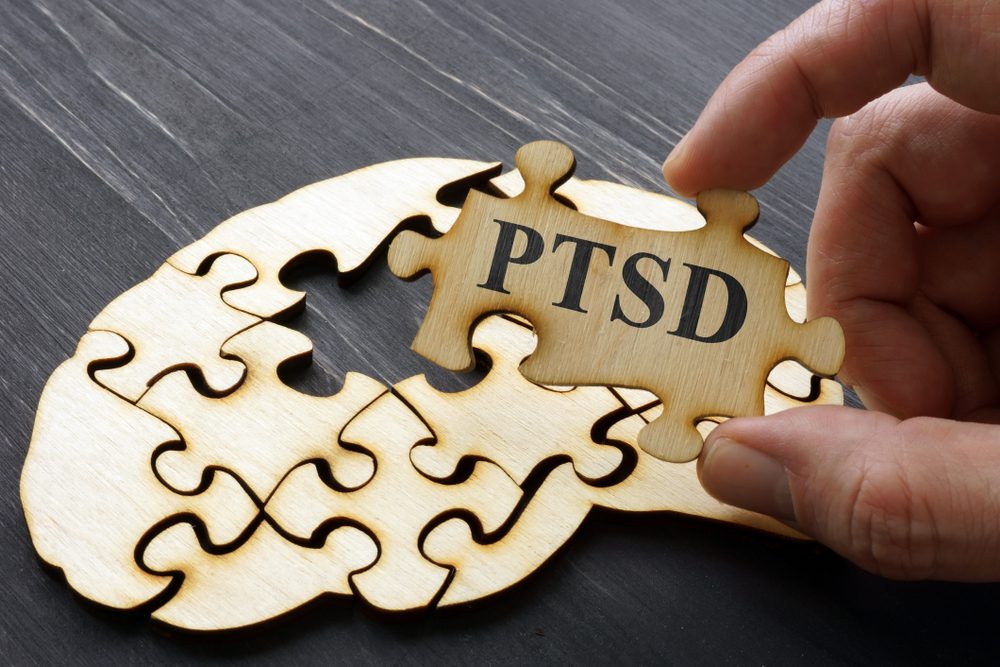
Trauma-referencing nightmares are quite a common symptom of PTSD. They can be quite terrifying and disruptive because they often repeat the traumatic event with disturbing clarity. While they are painful, nightmares do serve an important function: they signal that the brain still actively tries to make sense of what happened.
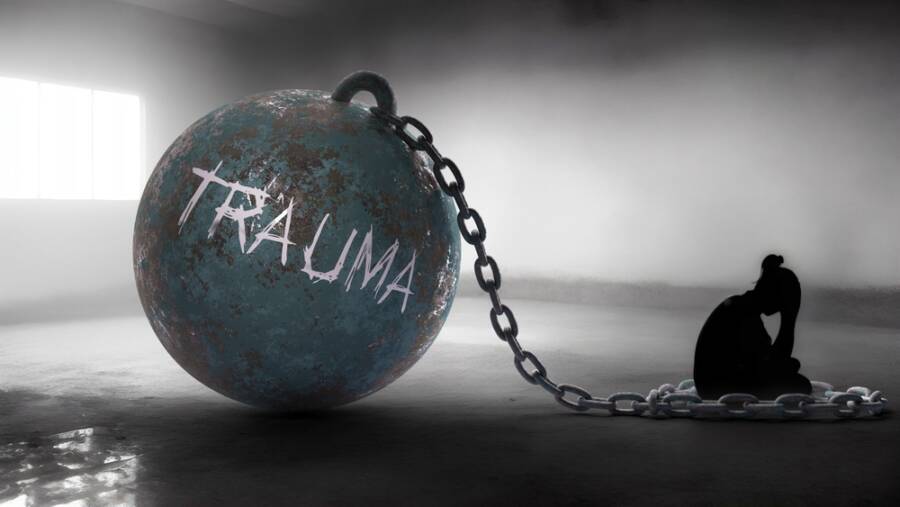
According to trauma researchers, recurring nightmares can be seen as “unfinished emotional business.” They are the brain’s way of illuminating those memories that haven’t been fully processed. In fact, it’s far from being random or meaningless, since these dreams are direct communications from the subconscious, asking for resolution.
The frequency, as well as the intensity, of these nightmares can decrease as healing advances. Moreover, people undergoing trauma therapy often find that as they work through their trauma in waking life, their dreams can change, too, becoming less frightening and more symbolic.
This particular shift shows that the brain starts to refile the memory from a “live danger” category into something more of a “past experience” file, which is mandatory in any process involving emotional healing.
Emotional memory consolidation during REM
One of the brain’s main functions during REM sleep is memory consolidation, which is the process of storing and organizing brand-new information. However, the memory isn’t just filled with facts and figures; it also includes emotions.
Traumatic experiences often create very powerful emotional memories that are quite hard to forget, since they are deeply encoded in the brain. Dreams can definitely help reprocess these emotional memories by simply detaching the intense feeling from the factual content.
For example, someone who has experienced a car accident may keep feeling a wave of fear when driving, even if the situation is safe. As time goes by, dreaming about driving or variations of the same experience can help the brain reassess the memory while allowing fear to fade.

Lucid dreaming as a tool for trauma recovery
Lucid dreaming, basically the state in which you are aware that you’re dreaming and in which you can sometimes control the dream, is quite promising, especially when it comes to trauma therapy. Even if it’s still an emerging field, early studies have shown that lucid dreaming can offer trauma survivors a unique opportunity to confront fears and rewrite their narrative.
In a lucid dream, someone who has frequent nightmares could consciously choose to face a threatening figure rather than run away. Or, they could transform the setting from chaotic to peaceful. This active participation can feel deeply empowering, especially since it reduces the helplessness that comes with trauma.
Therapists teach lucid dreaming techniques to all trauma survivors as an integral part of cognitive-behavioral therapy for insomnia and PTSD.
Cultural and historical POVs on healing through dreams
The whole idea that dreams are essential to healing is not exactly news. Across many countries and centuries, dreams have been interpreted as messages from the soul, ancestors, and the divine. Ancient Egyptians thought dreams held prophetic power.
Moreover, indigenous cultures used dreams in healing rituals and spiritual guidance. In classical psychoanalysis, Freud and Jung both mentioned how powerful dreams are and how they can reveal hidden wounds and desires.
Nowadays, modern psychology somehow acknowledges that while dreams aren’t exactly magical, they are quite meaningful. They are also a reflection of our inner world, which can be shaped by both biology and experience. For trauma survivors, this means that dreams can offer quite a lot of insight, expression, as well as a path toward healing.
Dreams can reflect your progress in therapy and healing
One of the most positive aspects of trauma-related dreaming is how it can change as time goes by. In the early stages after trauma, dreams can be quite dark, fragmented, or simply disturbing. As someone who works through their trauma through therapy, support, as well as self-care, the content and tone can change.
Where once there was fear, there can be a fix now. Where there used to be chaos, now order can settle. Even dreams that still have traumatic content can start to include moments of control, hope, or resolution.
Therapists who choose a speciality focused on trauma often pay close attention to changes in dream patterns as main indicators of emotional progress.
If you found this article insightful, we also recommend checking: 6 Causes of Neurotic Personality Traits and Why You Might Have Them
Subtle Signs of Dementia: 6 Important Things You Need to Know







Leave a Reply