Psychology Diary

The First Step Toward Change Is Awareness

  • Home
  • Relationships
  • Mental Health
  • Expert Tips
  • Life
  • Family
  • Marriage

Understanding Seasonal Affective Disorder (SAD) in Older Adults

August 31, 2025 · Mental Health

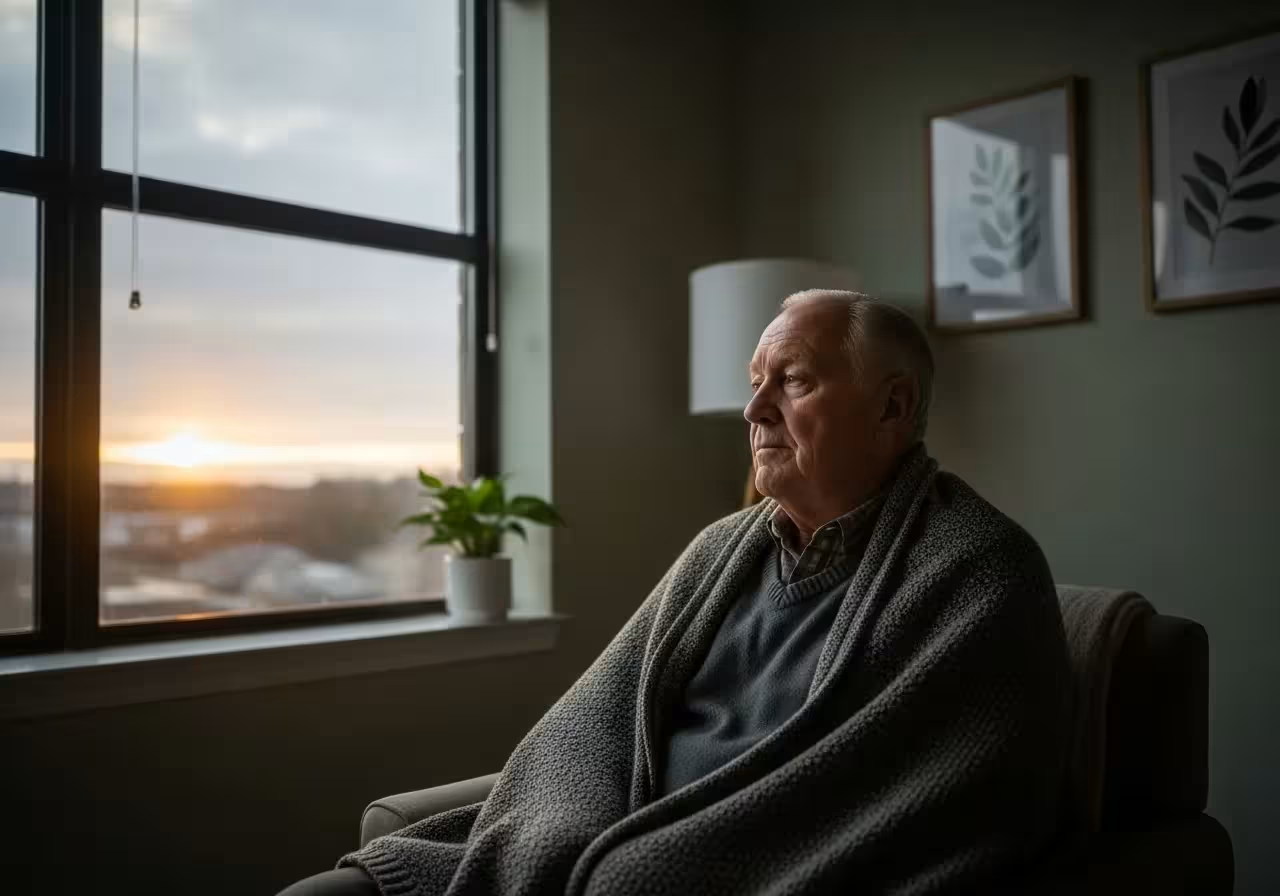
Man looking at dim sunrise through window in winter.

What Is Seasonal Affective Disorder (SAD)?

Seasonal Affective Disorder is not a separate disorder but is recognized as a specific type of major depression with a seasonal pattern. This means that for a person with SAD, episodes of depression occur and then resolve around the same time each year. While it can happen in any season, the most common form is winter-pattern SAD, where symptoms begin in the late fall or early winter and fade away as the brighter days of spring and summer arrive.

Think of your body as having an internal clock, known as your circadian rhythm. This clock helps regulate your sleep-wake cycle, energy levels, and mood. It takes its cues from the environment, especially from sunlight. During the fall and winter, the decrease in natural sunlight can throw this sensitive clock off balance. Researchers believe this disruption is a key factor in SAD.

This reduction in light may affect two important chemicals in the brain. The first is serotonin, a neurotransmitter that helps regulate mood. Lower levels of sunlight can lead to a drop in serotonin, which may trigger feelings of depression. The second is melatonin, a hormone that plays a role in sleep patterns. The changing seasons can alter melatonin production, leading to feelings of sleepiness and fatigue that are characteristic of SAD.

It is crucial to understand that SAD is a clinical diagnosis, not a personal failing or a sign of weakness. It is a genuine biological and psychological response to the changing environment. Recognizing it as a health condition is the first and most important step toward finding effective ways to manage it.


Pages: 1 2 3 4 5 6 7 8 9

Share this article

Facebook Twitter Pinterest LinkedIn Email

Leave a Reply Cancel reply

Your email address will not be published. Required fields are marked *

Search

Latest Posts

  • Two people sitting on a sofa in a quiet, sunlit living room, showing a moment of supportive connection and listening. 9 Things You Should NEVER Say to Someone With Anxiety
  • A tense, high-contrast conversation between two people in a minimalist setting. 5 Body Language Secrets That Reveal Someone Is Lying to You
  • A woman sitting thoughtfully by a window in a soft-lit, modern living room. 8 Signs You Were Raised by an Emotionally Unavailable Parent
  • Surreal illustration of a person looking into a mirror that reflects a golden labyrinth, symbolizing internal complexity. The 6 Most Dangerous Lies We Tell Ourselves Every Day
  • A woman in a peaceful, sunlit room embodying emotional clarity and calm. 10 Things Emotionally Intelligent People NEVER Do
  • A sophisticated woman in her 60s looking out a window in a bright, modern home. 7 Habits That Secretly Destroy Your Mental Health After 60
  • A woman looking distressed and thoughtful during a difficult conversation with a partner in a modern kitchen. 9 Manipulative Phrases Toxic People Use Without You Realizing
  • An adult daughter comforting her elderly father by a sunlit window. 5 Early Warning Signs of Alzheimer's Most People Ignore
  • A person balancing on a thin, fraying shadow thread over a dark blue background. 8 Things Narcissists Say to Keep You Under Control
  • A couple standing far apart in a dimly lit, modern living room, looking away from each other. 6 Silent Signs Your Marriage Is Slowly Falling Apart

Newsletter

Get the latest posts delivered to your inbox.

Related Articles

crying is good

10 Ways Crying Affects Your Mind and Body

When was the last time you cried? Crying is good because it helps us let…

Read More →
PTSD, mental health depression

9 Mental Health Issues You Can Inherit

There are many reasons why a mental health disorder can develop. If you’re struggling with…

Read More →
physical activity

8 Reasons Why Physical activity Is Good for Our Mental Health

Today, we will craft a guide meant to provide you with various tips on how…

Read More →
tips for de-stressing

8 Tips for De-Stressing After a Conflict

1. Don’t start judging After a big argument or a fight, we tend to be…

Read More →
reasons you are not sleeping well

5 Shocking Reasons You Might Be Struggling with Sleep

These are the most common reasons you are not sleeping well Not getting enough sleep…

Read More →
Famous People with Dementia

6 Hollywood Stars Who Secretly Battled Dementia

Dementia Can Affect Anyone… Even Famous Hollywood Stars! Dementia can be an overwhelming condition that…

Read More →
OCD, mental health

People with OCD Usually Share These 8 Strange Traits

1. Fear of emotional contamination If you have OCD, you will have a tremendous fear…

Read More →
Bipolar Disorder

Bipolar Disorder and the 6 Vicious Myths Surrounding It

How Much Do You Know About Bipolar Disorder? When it comes to bipolar disorder, there…

Read More →
borderline personality disorder

10 Ways to Cope With Borderline Personality Disorder

Here’s how To Cope with Borderline Personality Disorder! If you suffer from borderline personality disorder…

Read More →

Psychology Diary

The First Step Toward Change Is Awareness

Inedit Agency S.R.L.
Bucharest, Romania

contact@psychologydiary.com

Explore

  • About Us
  • Advertiser Disclosure
  • Contact Us
  • Disclaimer
  • Do not sell my personal information
  • Editorial Policy
  • Frequently Asked Questions
  • Privacy Policy
  • Terms and Conditions
  • Subscribe
  • Unsubscribe

Categories

  • Expert Tips
  • Family
  • Life
  • Marriage
  • Mental Health

© 2026 Psychology Diary. All rights reserved.