Psychology Diary

The First Step Toward Change Is Awareness

  • Home
  • Relationships
  • Mental Health
  • Expert Tips
  • Life
  • Family
  • Marriage

The Psychology of Scammers: Why Seniors Are a Target and How to Protect Yourself

August 31, 2025 · Expert Tips

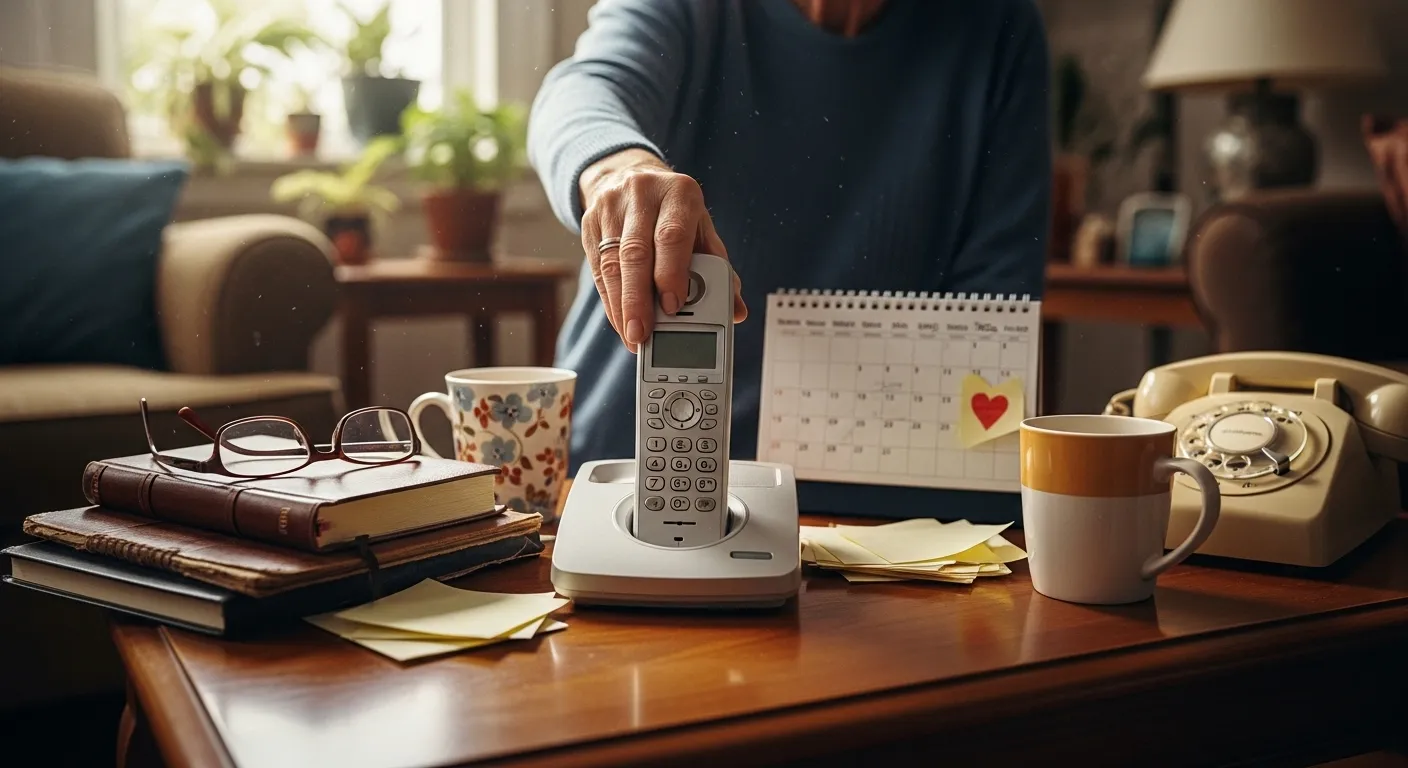
Senior hangs up phone, feeling relieved in living room.

Your Next Steps for a Scam-Proof Future

Understanding the psychology behind senior scams is the first step toward reclaiming your power. Protection is not about being paranoid; it’s about being prepared. By adopting a mindset of “pause and verify,” you create a crucial buffer between a scammer’s urgent demand and your thoughtful action. You can disrupt their playbook and keep yourself and your finances safe.

This Week’s Practice: Choose one proactive strategy from this article to put into practice this week.

1. Establish Your Verification Circle: Call the friend or family member you’ve chosen and have a direct conversation. Say, “I’ve been reading about protecting against financial scams. Can we agree to be each other’s ‘second call’ before acting on any surprise money requests?”

2. Rehearse Your Script: Stand in front of a mirror and say one of the exit scripts out loud three times. “I do not discuss personal information on an unsolicited call. I am hanging up now.” This builds muscle memory, making it easier to say under pressure.

Write down your chosen practice on a piece of paper and place it by your main telephone as a physical reminder.

Professional Consultation: If you have lost money to a scam and find that the emotional distress is affecting your sleep, mood, or daily activities, please consider seeking support. Likewise, if you are a caregiver concerned about a loved one’s increasing vulnerability, a medical check-in is a wise next step. You can start by scheduling an appointment with a primary care physician, a geriatric specialist, or a licensed therapist. Bringing a list of your concerns to the appointment can help guide the conversation and ensure you get the support you need.

This article is for informational and educational purposes only and does not constitute medical, psychological, financial, or legal advice. It is not a substitute for professional consultation. If you or someone you know is in immediate danger, in a mental health crisis, or is considering self-harm, please call your local emergency services. In the United States, you can connect with compassionate, trained counselors by calling or texting the 988 Suicide & Crisis Lifeline at any time.

Pages: 1 2 3 4 5 6 7 8 9

Share this article

Facebook Twitter Pinterest LinkedIn Email

Leave a Reply Cancel reply

Your email address will not be published. Required fields are marked *

Search

Latest Posts

  • Two people sitting on a sofa in a quiet, sunlit living room, showing a moment of supportive connection and listening. 9 Things You Should NEVER Say to Someone With Anxiety
  • A tense, high-contrast conversation between two people in a minimalist setting. 5 Body Language Secrets That Reveal Someone Is Lying to You
  • A woman sitting thoughtfully by a window in a soft-lit, modern living room. 8 Signs You Were Raised by an Emotionally Unavailable Parent
  • Surreal illustration of a person looking into a mirror that reflects a golden labyrinth, symbolizing internal complexity. The 6 Most Dangerous Lies We Tell Ourselves Every Day
  • A woman in a peaceful, sunlit room embodying emotional clarity and calm. 10 Things Emotionally Intelligent People NEVER Do
  • A sophisticated woman in her 60s looking out a window in a bright, modern home. 7 Habits That Secretly Destroy Your Mental Health After 60
  • A woman looking distressed and thoughtful during a difficult conversation with a partner in a modern kitchen. 9 Manipulative Phrases Toxic People Use Without You Realizing
  • An adult daughter comforting her elderly father by a sunlit window. 5 Early Warning Signs of Alzheimer's Most People Ignore
  • A person balancing on a thin, fraying shadow thread over a dark blue background. 8 Things Narcissists Say to Keep You Under Control
  • A couple standing far apart in a dimly lit, modern living room, looking away from each other. 6 Silent Signs Your Marriage Is Slowly Falling Apart

Newsletter

Get the latest posts delivered to your inbox.

Related Articles

dream about cheating on your partner

Do You Dream About Cheating on Your Partner? (7 Surprising Reasons Why)

Do you dream about cheating on your partner? Don’t worry. I do, too. Let’s set…

Read More →
pills

Never Ignore These 8 Silent Pills Addiction Signs, Experts Say

Drug-seeking behavior If your insurance company quickly understands your newest hobby (doctor shopping), then you’ll…

Read More →
thankful

8 Diseases You Can Prevent By Being Thankful

7. Flu Energy healers are aware that optimism and happy emotions boost our immune system,…

Read More →
holiday blues

5 Best Way to Manage Holiday Blues

Suffering from holiday blues? Learn how to make things easier! Look everywhere when the holidays…

Read More →

10 Things That Usually Change After Getting Married

Marriage is a big step and a new chapter in each person’s life. There will…

Read More →
recovering from narcissistic abuse

5 Mistakes to Avoid When Recovering from Narcissistic Abuse

Are you recovering from narcissistic abuse? Never do these things! Escaping narcissistic abuse is a…

Read More →
married life ready

Big Life Lessons: 10 Red Flags You’re Not Ready to Get Married Just Yet

Are you ready to make this important step in your life and be married or…

Read More →
Panic Attack Coping Strategies

6 Panic Attack Coping Strategies, According to Experts

Panic Attack Coping Strategy: Try Supplements There are many options you can buy over the…

Read More →

9 Signs You’re Dating the Right Person, According to Experts

Are you dating the right person? Let’s look at the signs! Everyone who’s ever been…

Read More →

Psychology Diary

The First Step Toward Change Is Awareness

Inedit Agency S.R.L.
Bucharest, Romania

contact@psychologydiary.com

Explore

  • About Us
  • Advertiser Disclosure
  • Contact Us
  • Disclaimer
  • Do not sell my personal information
  • Editorial Policy
  • Frequently Asked Questions
  • Privacy Policy
  • Terms and Conditions
  • Subscribe
  • Unsubscribe

Categories

  • Expert Tips
  • Family
  • Life
  • Marriage
  • Mental Health

© 2026 Psychology Diary. All rights reserved.