Psychology Diary

The First Step Toward Change Is Awareness

  • Home
  • Relationships
  • Mental Health
  • Expert Tips
  • Life
  • Family
  • Marriage

How to Support a Partner or Friend Experiencing a Mental Health Crisis

August 31, 2025 · Mental Health

Older adult contemplating medications.

Special Considerations for Supporting Older Adults

When helping an older adult (perhaps a parent, spouse, or friend), there are some unique factors to consider. Their mental health challenges can sometimes be intertwined with physical health, grief, and major life transitions.

Ruling Out Physical Causes First

For an older adult, what looks like depression or anxiety can sometimes be a symptom of an underlying physical issue. Always encourage a thorough check-up with their primary care doctor to rule out:

Medication side effects or interactions: Polypharmacy (taking multiple medications) is common in older adults and can have significant cognitive and mood effects.

Hearing or vision loss: Difficulty hearing conversations can lead to social withdrawal, which can look like depression.

Undiagnosed pain: Chronic pain is a major contributor to depression and irritability.

Nutritional deficiencies or dehydration.

Acknowledging Grief and Life Transitions

The later stages of life are often filled with significant loss—the death of a spouse or friends, loss of independence, or retirement from a lifelong career. These are profound grief experiences. It’s important to validate this grief and not rush them through it. Their sadness may be a very normal and necessary response to loss, though it can certainly evolve into clinical depression that requires treatment.

Combating Loneliness and Isolation

Loneliness is a significant risk factor for mental and physical health problems in older adults. Finding ways to foster connection is key. This could be arranging regular visits, helping them connect with a local senior center, finding volunteer opportunities, or exploring groups related to their hobbies.

Navigating Technology for Telehealth

Telehealth has made mental healthcare more accessible, but it can be a barrier for older adults who are not comfortable with technology. You can help by:

Setting up the device and app for them ahead of time.

Doing a “practice call” so they know what to expect.

Writing down simple, step-by-step instructions for logging in.

Ensuring they have a private, quiet space for their appointment.

Pages: 1 2 3 4 5 6 7 8 9 10 11

Share this article

Facebook Twitter Pinterest LinkedIn Email

Leave a Reply Cancel reply

Your email address will not be published. Required fields are marked *

Search

Latest Posts

  • Two people sitting on a sofa in a quiet, sunlit living room, showing a moment of supportive connection and listening. 9 Things You Should NEVER Say to Someone With Anxiety
  • A tense, high-contrast conversation between two people in a minimalist setting. 5 Body Language Secrets That Reveal Someone Is Lying to You
  • A woman sitting thoughtfully by a window in a soft-lit, modern living room. 8 Signs You Were Raised by an Emotionally Unavailable Parent
  • Surreal illustration of a person looking into a mirror that reflects a golden labyrinth, symbolizing internal complexity. The 6 Most Dangerous Lies We Tell Ourselves Every Day
  • A woman in a peaceful, sunlit room embodying emotional clarity and calm. 10 Things Emotionally Intelligent People NEVER Do
  • A sophisticated woman in her 60s looking out a window in a bright, modern home. 7 Habits That Secretly Destroy Your Mental Health After 60
  • A woman looking distressed and thoughtful during a difficult conversation with a partner in a modern kitchen. 9 Manipulative Phrases Toxic People Use Without You Realizing
  • An adult daughter comforting her elderly father by a sunlit window. 5 Early Warning Signs of Alzheimer's Most People Ignore
  • A person balancing on a thin, fraying shadow thread over a dark blue background. 8 Things Narcissists Say to Keep You Under Control
  • A couple standing far apart in a dimly lit, modern living room, looking away from each other. 6 Silent Signs Your Marriage Is Slowly Falling Apart

Newsletter

Get the latest posts delivered to your inbox.

Related Articles

antidepressants

6 Natural Antidepressants That Might Help With Depression

Did you know that there are a lot of natural antidepressants that could improve your…

Read More →
OCD

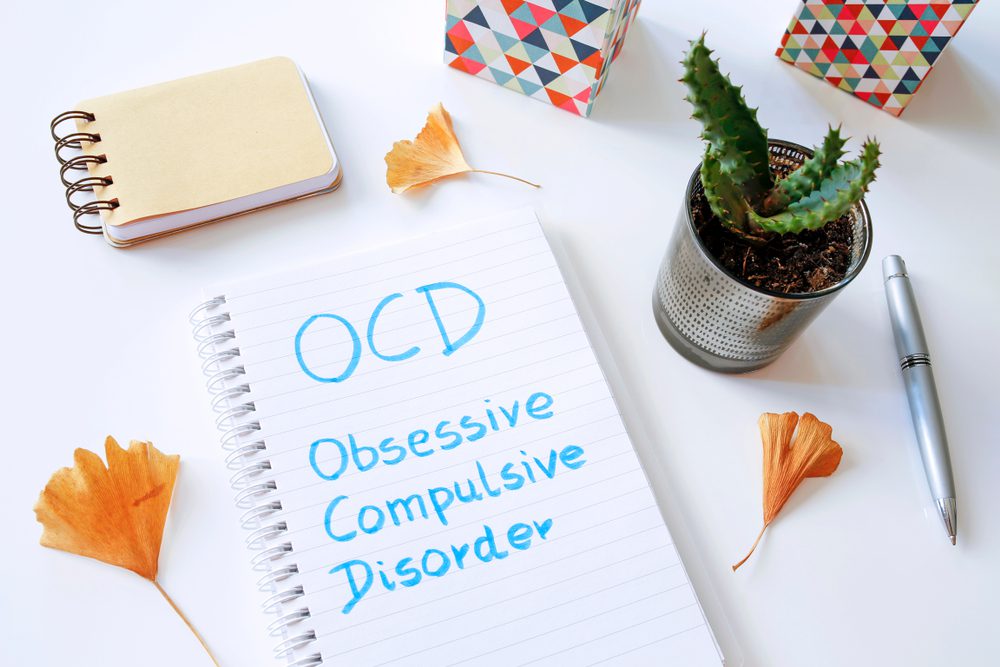
Could It Be OCD? These 9 Interesting Facts Will Surprise You

…Have you ever heard about obsessive-compulsive disorder, also simply known as OCD? You’ve surely met…

Read More →
Older adults listening in a support group.

Understanding Common Mental Health Challenges in Older Adults

Frequently Asked Questions (FAQs) Is it just a normal part of aging to feel sad…

Read More →
depression anxiety

Depression vs. Anxiety: Which One Do You Have?

How can you tell if you have depression or anxiety? Two examples of mood disorders…

Read More →

Misdiagnosed Mental Illnesses: 4 Shocking Ones Commonly Overlooked

Depression in Men We all know that one of the main symptoms of depression is…

Read More →
Bipolar Disorder

Bipolar Disorder and the 6 Vicious Myths Surrounding It

How Much Do You Know About Bipolar Disorder? When it comes to bipolar disorder, there…

Read More →
Negative Body Language

8 Ways Negative Body Language Is Damaging Your Self-Confidence

Do you have negative body language? Have you ever walked into a room and instantly…

Read More →
anger management

4 Anger Management Techniques Everyone Needs to Know

Have you been thinking about implementing some anger management in your life recently? When it…

Read More →
Emotional Abuse

6 Damaging After Effects of Emotional Abuse

When should you seek professional help? Even though lifestyle changes might be all it takes…

Read More →

Psychology Diary

The First Step Toward Change Is Awareness

Inedit Agency S.R.L.
Bucharest, Romania

contact@psychologydiary.com

Explore

  • About Us
  • Advertiser Disclosure
  • Contact Us
  • Disclaimer
  • Do not sell my personal information
  • Editorial Policy
  • Frequently Asked Questions
  • Privacy Policy
  • Terms and Conditions
  • Subscribe
  • Unsubscribe

Categories

  • Expert Tips
  • Family
  • Life
  • Marriage
  • Mental Health

© 2026 Psychology Diary. All rights reserved.