Psychology Diary

The First Step Toward Change Is Awareness

  • Home
  • Relationships
  • Mental Health
  • Expert Tips
  • Life
  • Family
  • Marriage

The Complete Guide to Understanding and Managing Anxiety After 50

August 31, 2025 · Mental Health

Woman deep in thought in quiet room.

What Is Anxiety and Why Does It Feel Different After 50?

At its core, anxiety is your body’s natural alarm system. It’s a response to stress or perceived danger that releases hormones like adrenaline to prepare you to face a threat—the “fight-or-flight” response. This is helpful if you need to slam on the brakes to avoid a car accident. However, for many people, this alarm system can become overly sensitive. It can start going off when there is no immediate, real danger, leaving you in a prolonged state of high alert. That persistent feeling of dread, worry, and physical tension is what we often refer to as an anxiety disorder.

It’s important to distinguish between occasional worry, which is a normal part of life, and a more persistent anxiety condition. Worry is often tied to a specific problem and can lead to solutions. Anxiety, on the other hand, tends to be more diffuse and persistent. It can feel like a free-floating sense of unease that latches onto one concern after another, making it hard to relax or feel safe.

For adults over 50, the triggers and expression of anxiety can be unique. The significant life transitions that often occur during these years can create a perfect storm for worry to take hold. Common contributing factors for late-life anxiety include:

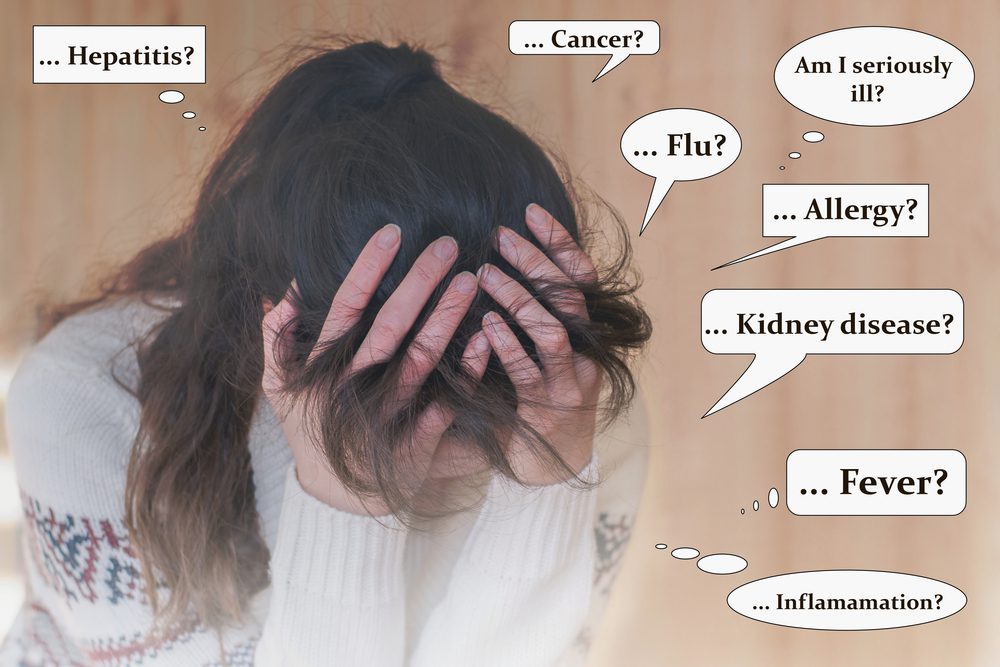
Health Concerns: A new medical diagnosis, managing a chronic illness, or the fear of falling can create constant background stress. The physical symptoms of anxiety—like a racing heart or shortness of breath—can also be mistaken for serious medical problems, creating a vicious cycle of fear.

Grief and Loss: Losing a spouse, close friends, or siblings is a profound and painful reality. Grief itself can manifest with anxiety-like symptoms, and the loss of a key support person can leave you feeling vulnerable and alone.

Changes in Roles and Identity: Retirement can be a wonderful new chapter, but it can also involve the loss of a professional identity, a daily routine, and a social network. This can lead to questions like, “Who am I now?” and “What is my purpose?”

Financial Worries: Moving onto a fixed income, managing retirement savings, and worrying about unexpected healthcare costs are significant stressors that can fuel persistent anxiety about the future.

Social Isolation: As mobility changes or friends and family move away, loneliness can become a major issue. A lack of regular social connection is a significant risk factor for both anxiety and depression.

Caregiving Stress: Acting as the primary caregiver for a spouse or parent is a demanding role that can take a heavy toll on one’s own mental and physical health. The constant worry about another person’s well-being can easily trigger an anxiety response.

Understanding these unique triggers is not about dwelling on the negative. It’s about validating your experience. Naming the source of your stress can reduce its power and is the first step toward finding targeted, effective solutions that fit your life right now.

Pages: 1 2 3 4 5 6 7 8 9 10 11

Share this article

Facebook Twitter Pinterest LinkedIn Email

Leave a Reply Cancel reply

Your email address will not be published. Required fields are marked *

Search

Latest Posts

  • Two people sitting on a sofa in a quiet, sunlit living room, showing a moment of supportive connection and listening. 9 Things You Should NEVER Say to Someone With Anxiety
  • A tense, high-contrast conversation between two people in a minimalist setting. 5 Body Language Secrets That Reveal Someone Is Lying to You
  • A woman sitting thoughtfully by a window in a soft-lit, modern living room. 8 Signs You Were Raised by an Emotionally Unavailable Parent
  • Surreal illustration of a person looking into a mirror that reflects a golden labyrinth, symbolizing internal complexity. The 6 Most Dangerous Lies We Tell Ourselves Every Day
  • A woman in a peaceful, sunlit room embodying emotional clarity and calm. 10 Things Emotionally Intelligent People NEVER Do
  • A sophisticated woman in her 60s looking out a window in a bright, modern home. 7 Habits That Secretly Destroy Your Mental Health After 60
  • A woman looking distressed and thoughtful during a difficult conversation with a partner in a modern kitchen. 9 Manipulative Phrases Toxic People Use Without You Realizing
  • An adult daughter comforting her elderly father by a sunlit window. 5 Early Warning Signs of Alzheimer's Most People Ignore
  • A person balancing on a thin, fraying shadow thread over a dark blue background. 8 Things Narcissists Say to Keep You Under Control
  • A couple standing far apart in a dimly lit, modern living room, looking away from each other. 6 Silent Signs Your Marriage Is Slowly Falling Apart

Newsletter

Get the latest posts delivered to your inbox.

Related Articles

cope with health anxiety

Hypochondria: 7 Tips on How to Cope With Health Anxiety

1. Be mindful of the present moment One of the first things you can do…

Read More →
dementia

7 Subtle Signs Your Spouse Has Dementia

1. It’s difficult for them to find the right words Over the last months, something…

Read More →
narcissistic

9 Alarming Signs You Have Narcissistic Abuse Syndrome

1. Everything is so perfect in the beginning If you have a relationship with a…

Read More →
adhd burnout

ADHD Burnout: What Is It and Do You Have It?

Have you ever heard of ADHD burnout? While we have all heard about ADHD and…

Read More →
Narcissist psychopaths

Psychopaths Do These 9 Things

We can all agree that psychopathy is a widely debated topic as far as psychology…

Read More →
Aging

5 Negative Ways Aging Seriously Impacts a Senior’s Mental Health

Risk Factors In Aging Adults A mental health condition isn’t simply the result of one…

Read More →
tips for de-stressing

8 Tips for De-Stressing After a Conflict

1. Don’t start judging After a big argument or a fight, we tend to be…

Read More →
mental health depression

8 Mental Health Myths Every Senior Should Read

The general public’s mental health difficulties are now widely accepted by society, which represents huge…

Read More →
Two hands clasped together, showing support.

How to Support a Partner or Friend Experiencing a Mental Health Crisis

Understanding What a Mental Health Crisis Looks Like The term “mental health crisis” can sound…

Read More →

Psychology Diary

The First Step Toward Change Is Awareness

Inedit Agency S.R.L.
Bucharest, Romania

contact@psychologydiary.com

Explore

  • About Us
  • Advertiser Disclosure
  • Contact Us
  • Disclaimer
  • Do not sell my personal information
  • Editorial Policy
  • Frequently Asked Questions
  • Privacy Policy
  • Terms and Conditions
  • Subscribe
  • Unsubscribe

Categories

  • Expert Tips
  • Family
  • Life
  • Marriage
  • Mental Health

© 2026 Psychology Diary. All rights reserved.