Psychology Diary

The First Step Toward Change Is Awareness

  • Home
  • Relationships
  • Mental Health
  • Expert Tips
  • Life
  • Family
  • Marriage

The Psychology of Human Connection: Why We Need It More as We Age

August 31, 2025 · Relationships

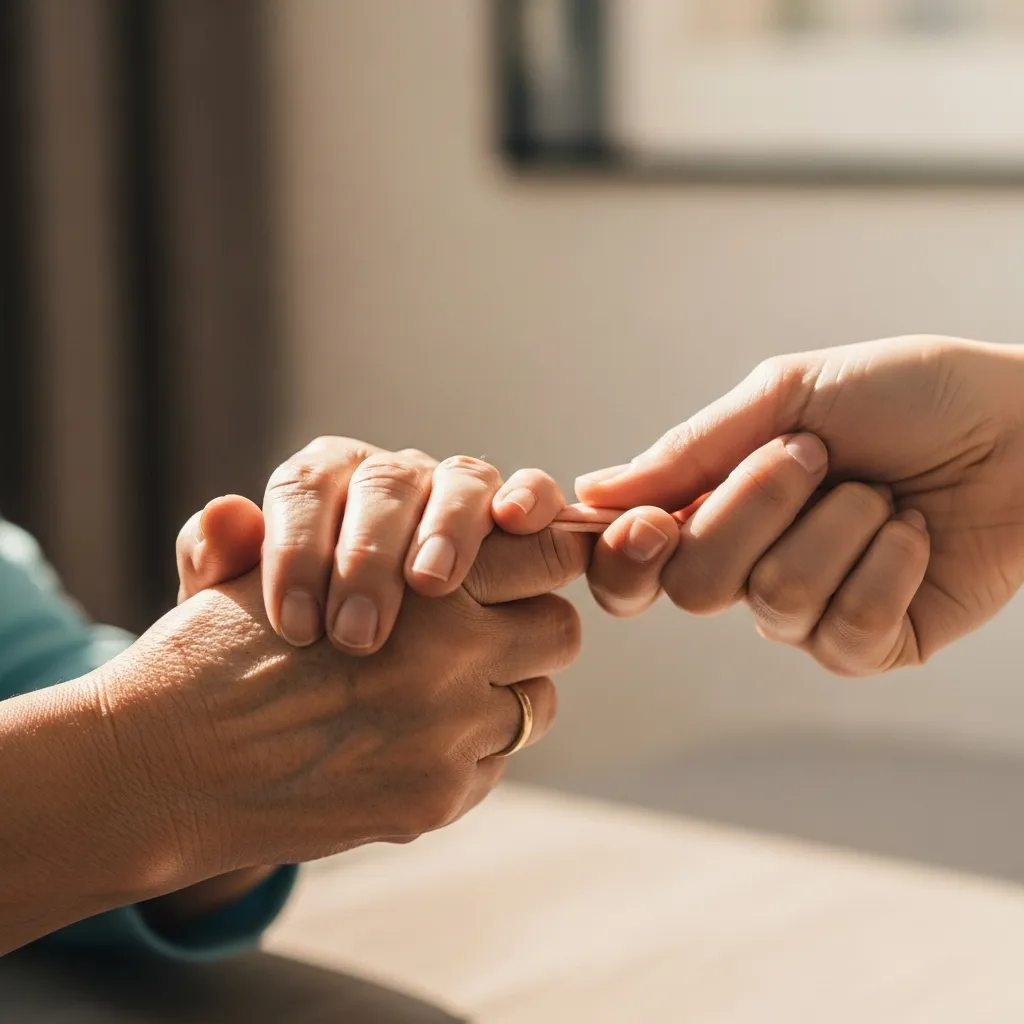
Close-up of one hand pulling away from another

The Unseen Architecture of Connection: What Science Tells Us

Why does a feeling of disconnection with a partner hurt so much? The answer lies deep within our biology. Humans are wired for connection. From birth, our survival depends on forming secure bonds with caregivers. This fundamental need doesn’t just disappear when we become adults. Our romantic partner often becomes our primary “attachment figure,” the person we turn to for comfort, safety, and support. When that bond feels frayed, our nervous system can interpret it as a threat, triggering feelings of anxiety, sadness, or even panic.

This isn’t just a feeling; it has tangible health consequences. A growing body of research, much of it supported by institutions like the National Institute on Aging (NIA), highlights the profound link between social connection and senior health. Chronic loneliness has been associated with an increased risk of high blood pressure, heart disease, cognitive decline, and a weakened immune system. Conversely, strong social bonds, especially with a spouse, can act as a powerful buffer against stress. Feeling understood and supported helps regulate stress hormones like cortisol, which, when elevated for long periods, can cause inflammation and other health problems.

The health benefits of social interaction for seniors are not built on grand gestures. They are forged in the small, everyday moments. Relationship researcher Dr. John Gottman calls these moments “bids for connection.” A bid is any attempt from one partner to another for attention, affirmation, or affection. It can be as simple as saying, “Look at that beautiful bird outside,” sharing a story from the newspaper, or reaching for their hand. How we respond to these tiny bids—by “turning toward” them with interest or “turning away” with disinterest—is what builds or erodes the trust and friendship at the heart of a lasting partnership. Over time, consistently turning toward each other’s bids fills an emotional bank account, creating a reserve of goodwill that helps you weather life’s inevitable storms together.


Pages: 1 2 3 4 5 6 7 8

Share this article

Facebook Twitter Pinterest LinkedIn Email

Leave a Reply Cancel reply

Your email address will not be published. Required fields are marked *

Search

Latest Posts

  • Two people sitting on a sofa in a quiet, sunlit living room, showing a moment of supportive connection and listening. 9 Things You Should NEVER Say to Someone With Anxiety
  • A tense, high-contrast conversation between two people in a minimalist setting. 5 Body Language Secrets That Reveal Someone Is Lying to You
  • A woman sitting thoughtfully by a window in a soft-lit, modern living room. 8 Signs You Were Raised by an Emotionally Unavailable Parent
  • Surreal illustration of a person looking into a mirror that reflects a golden labyrinth, symbolizing internal complexity. The 6 Most Dangerous Lies We Tell Ourselves Every Day
  • A woman in a peaceful, sunlit room embodying emotional clarity and calm. 10 Things Emotionally Intelligent People NEVER Do
  • A sophisticated woman in her 60s looking out a window in a bright, modern home. 7 Habits That Secretly Destroy Your Mental Health After 60
  • A woman looking distressed and thoughtful during a difficult conversation with a partner in a modern kitchen. 9 Manipulative Phrases Toxic People Use Without You Realizing
  • An adult daughter comforting her elderly father by a sunlit window. 5 Early Warning Signs of Alzheimer's Most People Ignore
  • A person balancing on a thin, fraying shadow thread over a dark blue background. 8 Things Narcissists Say to Keep You Under Control
  • A couple standing far apart in a dimly lit, modern living room, looking away from each other. 6 Silent Signs Your Marriage Is Slowly Falling Apart

Newsletter

Get the latest posts delivered to your inbox.

Related Articles

8 Biggest Turn-Offs for Women Over 50s

1. Lack of Ambition If we are being honest, we have to say that ambition…

Read More →
partners-silent-treatment-2 activity

9 Harmful Ways Silent Treatment Can Damage Your Relationship

Harmful Consequences of Silent Treatment On Your Relationship Communication breakdown Communication between partners is the…

Read More →
cheating partner

10 Most Common Lies Cheating Men Will Say

He “had to” work late That’s one of the most common lies ever said by…

Read More →
narcissist

10 Signs You’re Dating A Narcissist

We all know that a toxic relationship is where your partner makes you feel like…

Read More →
ADHD love physical activity

10 Tips About ADHD to Make the Most of Your Relationship

ADHD love—a psychological bottom line To support someone with ADHD, you need to understand their…

Read More →
PTSD

PTSD Symptoms: 6 HEALTHY Ways Seniors Can Manage Them

Let’s take a close look at how Seniors can manage PTSD! Are you currently struggling…

Read More →
wrong people

“Why Am I Always Falling in Love With the Wrong People?” 4 Psychological Explanations

Do you feel like you are always attracted to the wrong people? Find out why!…

Read More →
toxic relationship

8 Signs You’re in a Toxic Relationship WITHOUT Realizing

A relationship will pass through some stages, and after many chemical reactions and endorphins characterize…

Read More →

12 Most Popular Sex Myths You Need to Stop Believing

Debunking the most popular sex myths We live in a world where we get a…

Read More →

Psychology Diary

The First Step Toward Change Is Awareness

Inedit Agency S.R.L.
Bucharest, Romania

contact@psychologydiary.com

Explore

  • About Us
  • Advertiser Disclosure
  • Contact Us
  • Disclaimer
  • Do not sell my personal information
  • Editorial Policy
  • Frequently Asked Questions
  • Privacy Policy
  • Terms and Conditions
  • Subscribe
  • Unsubscribe

Categories

  • Expert Tips
  • Family
  • Life
  • Marriage
  • Mental Health

© 2026 Psychology Diary. All rights reserved.