Psychology Diary

The First Step Toward Change Is Awareness

  • Home
  • Relationships
  • Mental Health
  • Expert Tips
  • Life
  • Family
  • Marriage

Understanding Common Mental Health Challenges in Older Adults

August 31, 2025 · Mental Health

Senior woman looking contemplatively out a window.

Why Mental Health in Later Life Deserves Special Attention

Life after 50, 60, and beyond is often a period of significant transition. While many of these changes are positive, like having more time for hobbies or grandchildren, others can be profoundly challenging. These unique life experiences can create a fertile ground for mental health challenges to emerge, sometimes for the first time.

Factors that can impact an older adult’s mental well-being include:

Physical Health Changes: Living with chronic pain, a new medical diagnosis, or the side effects of medication can be emotionally draining. Conditions like heart disease, diabetes, or arthritis are strongly linked to higher rates of depression. Furthermore, changes in hearing or vision can lead to isolation and frustration, which may look like withdrawal but are rooted in a physical limitation.

Grief and Loss: Later life often involves saying goodbye to spouses, siblings, and lifelong friends. This profound grief is a natural and necessary process, but for some, it can become a persistent state of mourning that disrupts daily life.

Role Transitions: Retirement, while often anticipated, can bring a loss of identity, routine, and social connection that was tied to a career. Children moving away or becoming caregivers for a spouse can also dramatically shift one’s sense of purpose and daily structure.

Social Isolation and Loneliness: As mobility decreases or social circles shrink, loneliness can set in. Research consistently shows that prolonged loneliness is a significant risk factor for both depression and cognitive decline. It’s a quiet struggle that can have a loud impact on overall health.

It’s vital to first rule out physical causes for emotional symptoms. Before assuming that fatigue, apathy, or confusion are purely psychological, it’s essential to consult a primary care physician. They can check for things like thyroid imbalances, vitamin deficiencies (especially B12), urinary tract infections (which can cause sudden confusion in older adults), and medication interactions that can mimic symptoms of depression or anxiety. Think of it as clearing the deck so you can address the emotional components with clarity.


Pages: 1 2 3 4 5 6 7 8 9 10

Share this article

Facebook Twitter Pinterest LinkedIn Email

Leave a Reply Cancel reply

Your email address will not be published. Required fields are marked *

Search

Latest Posts

  • Two people sitting on a sofa in a quiet, sunlit living room, showing a moment of supportive connection and listening. 9 Things You Should NEVER Say to Someone With Anxiety
  • A tense, high-contrast conversation between two people in a minimalist setting. 5 Body Language Secrets That Reveal Someone Is Lying to You
  • A woman sitting thoughtfully by a window in a soft-lit, modern living room. 8 Signs You Were Raised by an Emotionally Unavailable Parent
  • Surreal illustration of a person looking into a mirror that reflects a golden labyrinth, symbolizing internal complexity. The 6 Most Dangerous Lies We Tell Ourselves Every Day
  • A woman in a peaceful, sunlit room embodying emotional clarity and calm. 10 Things Emotionally Intelligent People NEVER Do
  • A sophisticated woman in her 60s looking out a window in a bright, modern home. 7 Habits That Secretly Destroy Your Mental Health After 60
  • A woman looking distressed and thoughtful during a difficult conversation with a partner in a modern kitchen. 9 Manipulative Phrases Toxic People Use Without You Realizing
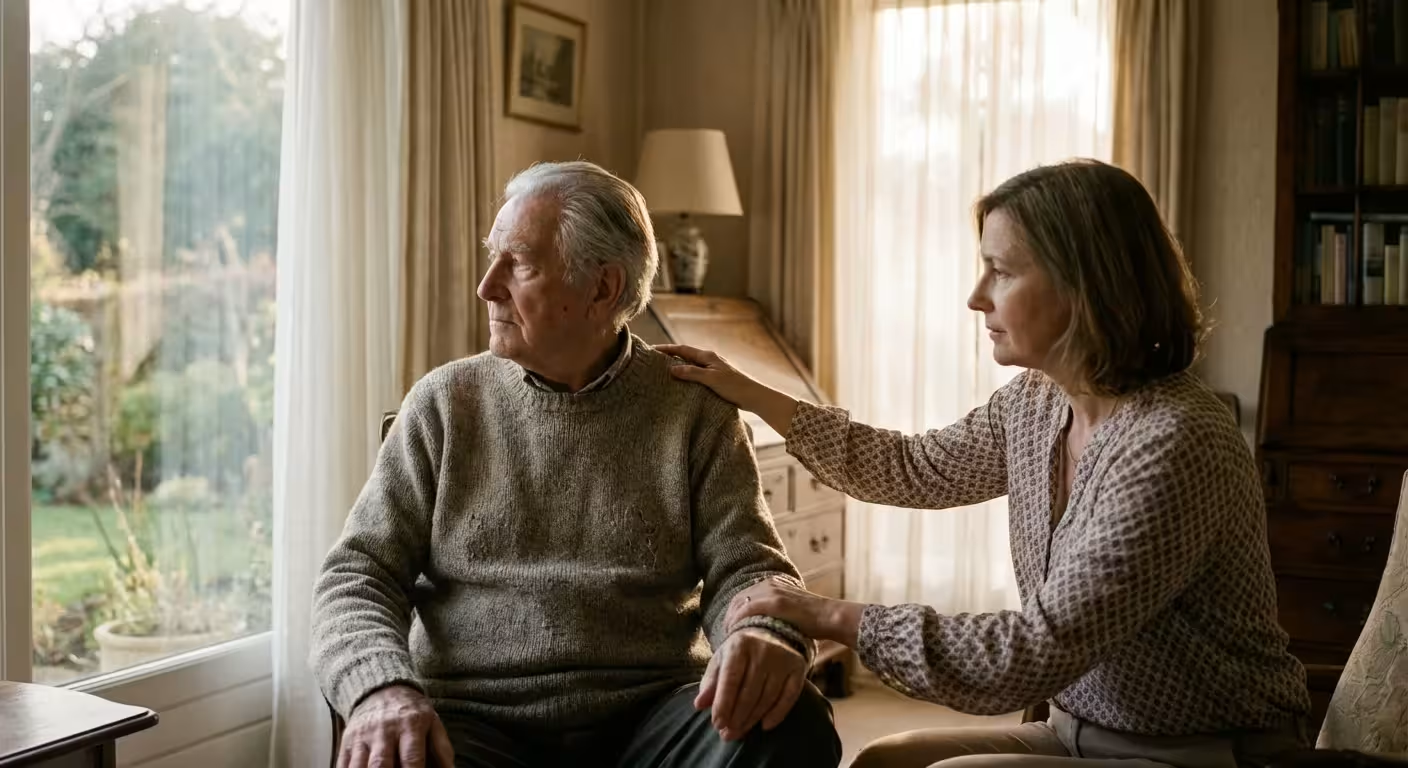
  • An adult daughter comforting her elderly father by a sunlit window. 5 Early Warning Signs of Alzheimer's Most People Ignore
  • A person balancing on a thin, fraying shadow thread over a dark blue background. 8 Things Narcissists Say to Keep You Under Control
  • A couple standing far apart in a dimly lit, modern living room, looking away from each other. 6 Silent Signs Your Marriage Is Slowly Falling Apart

Newsletter

Get the latest posts delivered to your inbox.

Related Articles

Two hands clasped together, showing support.

How to Support a Partner or Friend Experiencing a Mental Health Crisis

Understanding What a Mental Health Crisis Looks Like The term “mental health crisis” can sound…

Read More →
dementia myth

10 Dangerous Dementia Myths That Give You the WRONG Diagnosis

Dementia comes inevitably with age This myth is absolutely untrue, as dementia is not necessarily…

Read More →
depression anxiety

Depression vs. Anxiety: Which One Do You Have?

How can you tell if you have depression or anxiety? Two examples of mood disorders…

Read More →
self-soothing,

9 Self-Soothing Methods to Help You Regain Balance

Some of The Best Self-Soothing Tactics out There! Let’s face it: We all have moments…

Read More →
Anxious Introvert

Are You an Anxious Introvert? Here Are 10 Telltale Signs

These hidden signs might indicate that you’re an anxious introvert… Anxiety is the voice in…

Read More →
physical activity

8 Reasons Why Physical activity Is Good for Our Mental Health

Today, we will craft a guide meant to provide you with various tips on how…

Read More →
traits most criminals share

9 Psychological Common Traits Most Criminals Share

What are the traits most criminals share?  People like John Wayne Gacy, Jeffrey Dahmer, and…

Read More →

10 Times You Should NOT Forgive Anyone

Have you ever wondered if it’s okay not to forgive someone? Is it acceptable to…

Read More →
Bipolar Disorder

Bipolar Disorder and the 6 Vicious Myths Surrounding It

How Much Do You Know About Bipolar Disorder? When it comes to bipolar disorder, there…

Read More →

Psychology Diary

The First Step Toward Change Is Awareness

Inedit Agency S.R.L.
Bucharest, Romania

contact@psychologydiary.com

Explore

  • About Us
  • Advertiser Disclosure
  • Contact Us
  • Disclaimer
  • Do not sell my personal information
  • Editorial Policy
  • Frequently Asked Questions
  • Privacy Policy
  • Terms and Conditions
  • Subscribe
  • Unsubscribe

Categories

  • Expert Tips
  • Family
  • Life
  • Marriage
  • Mental Health

© 2026 Psychology Diary. All rights reserved.