

You are likely here because you care about someone. Maybe it’s a partner whose racing thoughts keep them up at night, a friend who cancels plans last minute, or a colleague who seems perpetually on edge. You want to help. You want to say the right thing to make the fear go away.
But despite your best intentions, standard reassurance often backfires. In fact, research from the American Psychiatric Association (2024) indicates that anxiety levels in adults are rising—up 43% from the previous year—meaning more of us are navigating these delicate conversations than ever before. When we rely on “common sense” phrases like “just relax,” we risk accidentally invalidating the person we love, driving a wedge between us exactly when they need connection the most.
Anxiety is not a choice, and it isn’t a mood you can simply “snap out of.” It is a physiological state of high alert. This guide covers nine phrases you should avoid, why they are harmful, and—most importantly—what you can say instead to be a true source of support.

1. “Calm down” or “Just relax”
This is perhaps the most instinctive response to seeing someone in distress, but it is also one of the most counterproductive. If the person could calm down, they would have done so already. Telling someone in the grip of high anxiety to “relax” is like telling someone with a broken leg to “just walk.”
Why it’s harmful: It implies that their anxiety is a voluntary switch they are refusing to turn off. This can induce shame and frustration, which only fuels the anxiety further. Physiologically, their sympathetic nervous system is in “fight or flight” mode; no amount of willpower can instantly reverse that chemical cascade.
What to say instead:
- “I can see you’re having a really hard time. I’m here with you.”
- “Take your time. There’s no rush to fix this right now.”
- “Let’s just breathe together for a minute.” (Then, actually model slow, deep breathing without forcing them.)

2. “It’s all in your head”
While technically anxiety originates in the brain, this phrase suggests the experience isn’t “real.” To the person experiencing it, the physical symptoms—racing heart, tight chest, dizziness—are as real as a heart attack.
Why it’s harmful: It is a classic form of gaslighting (even if unintentional). It dismisses the validity of their physical and emotional experience. According to the National Alliance on Mental Illness (NAMI), minimizing symptoms is a barrier that prevents many people from sharing their struggles or seeking professional help.
What to say instead:
- “I know this feels incredibly scary right now.”
- “Your feelings are valid, even if my perspective is different.”
- “I believe that you are in pain. How can I support you?”

3. “Others have it so much worse”
Comparison is the thief of joy, but in the context of mental health, it is the thief of validation. Reminding someone of starving children or war zones does not cure their anxiety; it just adds guilt to their suffering.
Why it’s harmful: This falls under the umbrella of “toxic positivity.” It suggests that unless you are experiencing the absolute worst suffering imaginable, you have no right to struggle. Emotional pain is not a competition. A person can have a “good life” on paper and still suffer from a debilitating anxiety disorder.
What to say instead:
- “It’s okay to feel this way, regardless of what else is going on.”
- “Your pain matters to me.”
- “I’m sorry you are carrying such a heavy load right now.”

4. “Stop worrying”
This command frames worry as a behavioral problem rather than a symptom. For someone with Generalized Anxiety Disorder (GAD), worry is intrusive and persistent. They are often worrying about the fact that they can’t stop worrying.
Why it’s harmful: It demands the impossible. Research shows that suppressing anxious thoughts often leads to a “rebound effect,” where the thoughts return with even greater intensity. You are asking them to control a symptom that is, by definition, out of their control.
What to say instead:
- “I know your mind is racing. Can we write down what’s worrying you to get it on paper?”
- “It makes sense that you’re worried about X, given how much you care about it.”
- “I can’t fix it, but I can sit with you while you’re feeling this.”

5. “I know exactly how you feel”
Unless you share their specific diagnosis and life history, you probably don’t. While you might be trying to empathize, equating your normal nervousness before a presentation with their clinical panic attack can feel minimizing.
Why it’s harmful: It shifts the focus from their experience to yours. There is a significant clinical difference between nervousness (a temporary reaction to a stressor) and anxiety disorders (persistent, excessive fear). conflating the two can make the anxious person feel misunderstood and unseen.
What to say instead:
- “I can’t imagine how hard this is for you, but I want to understand.”
- “I’ve felt anxious before, but I know your experience is unique. Tell me what it’s like for you.”
- “Thank you for trusting me enough to share this with me.”
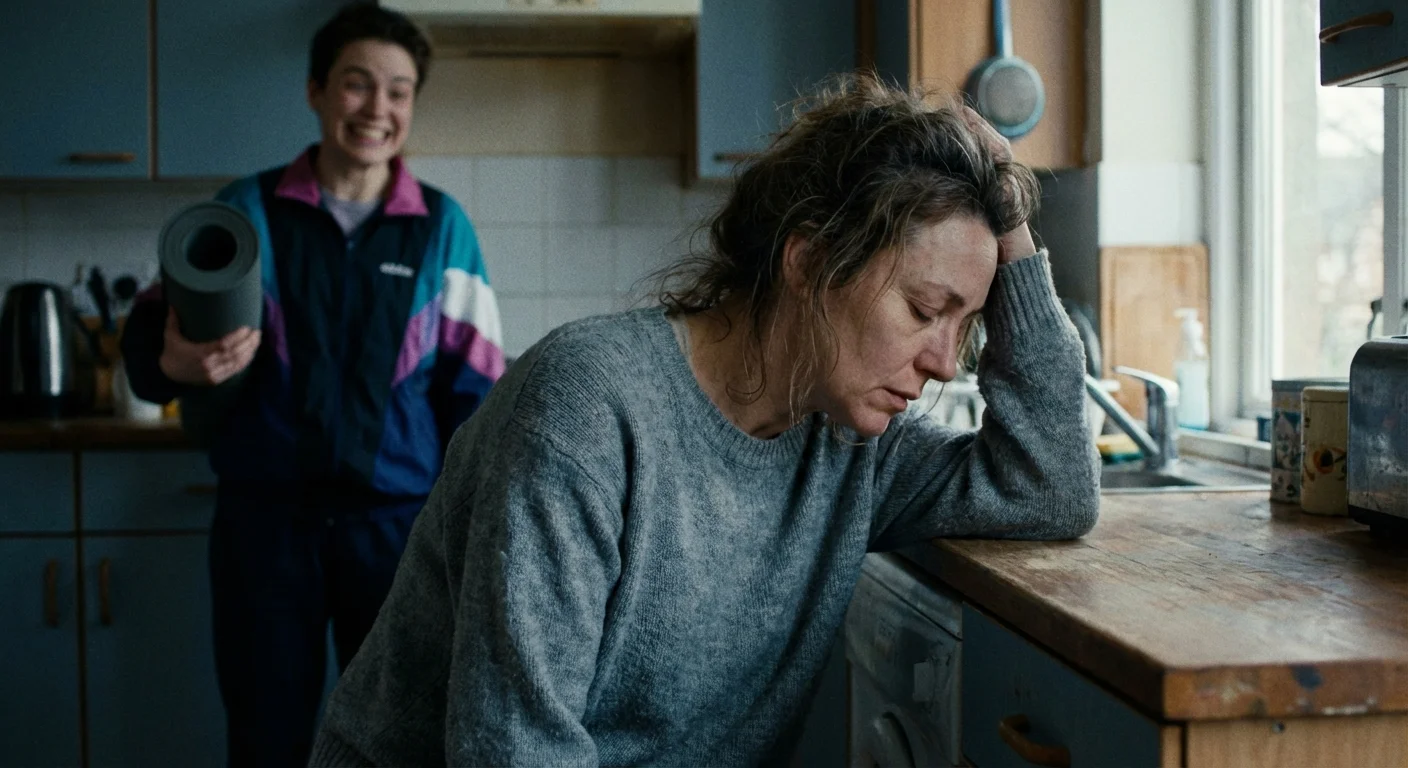
6. “Have you tried yoga/meditation/cutting out caffeine?”
When someone is in the thick of anxiety, they need support, not a lifestyle prescription. Chances are, they have already Googled every remedy under the sun. Unsolicited advice can feel patronizing.
Why it’s harmful: It simplifies a complex mental health condition into a lifestyle choice. While these tools can be helpful parts of a management plan, suggesting them during a crisis implies that their anxiety is their fault because they aren’t “trying hard enough” to be healthy.
What to say instead:
- “What has helped you get through moments like this in the past?”
- “Is there anything specific I can do right now that would help? A glass of water? A walk?”
- “Do you want to brainstorm solutions, or do you just need to vent? I’m up for either.”

7. “You’re being dramatic”
Labeling a panic response as “drama” or “attention-seeking” is destructive. Anxiety often manifests as irritability, crying, or pacing—behaviors that might look dramatic from the outside but are actually desperate attempts to regulate an overwhelmed nervous system.
Why it’s harmful: This is a direct attack on their character. It labels a biological symptom as a personality flaw. This type of invalidation can damage trust in the relationship and cause the person to hide their symptoms from you in the future.
What to say instead:
- “I can see this reaction is really intense for you.”
- “It seems like your emotions are at a 10 right now. Let’s take a break until things feel more manageable.”
- “I love you, even when things are messy.”

8. “Whatever you do, don’t panic”
The “pink elephant” paradox applies here: tell someone not to think of a pink elephant, and that is all they will see. Tell someone not to panic, and they will likely become hyper-aware of their own rising panic.
Why it’s harmful: It signals that panic is unacceptable or dangerous. This fear of fear (anxiety sensitivity) often triggers the exact panic attack you are trying to prevent. The goal shouldn’t be to stop the anxiety immediately, but to ride the wave until it passes.
What to say instead:
- “If you need to panic, just let it happen. I’m right here and you are safe.”
- “This feeling is uncomfortable, but it will pass. We will wait it out together.”
- “You are safe. This is just adrenaline.”

9. “You’ll get over it”
While intended to be hopeful, this phrase dismisses the current struggle. It suggests that the person’s current reality is temporary and therefore unimportant, or that they should hurry up and “move on.”
Why it’s harmful: It lacks empathy for the present moment. Recovery from anxiety is often a long, non-linear journey. There is no timeline for healing, and pressure to “get over it” creates “meta-anxiety”—anxiety about having anxiety.
What to say instead:
- “We will get through this, one step at a time.”
- “I’m in your corner for the long haul.”
- “You don’t have to figure this all out today.”
“Empathy has no script. There is no right way or wrong way to do it. It’s simply listening, holding space, withholding judgment, emotionally connecting, and communicating that incredibly healing message of ‘You’re not alone.'” — Brené Brown

What Can Go Wrong: The Danger of Toxic Positivity
Understanding why these phrases fail is just as important as knowing what not to say. Many of the “forbidden” phrases above fall into the trap of toxic positivity—the belief that people should maintain a positive mindset regardless of how dire or difficult a situation is.
Research on emotional regulation shows that suppressing negative emotions actually amplifies them. A study published in the journal Emotion found that individuals who habitually accept their negative emotions experience better psychological health than those who judge their negative emotions as “bad” or try to push them away.
When you force positivity on an anxious person (“Look on the bright side!”), you aren’t helping them see the light; you are making them feel ashamed of the dark. This shame isolates them, making the anxiety grow in the shadows.

When to Seek Professional Support
While supportive friends and family are vital, they are not a replacement for professional treatment. If you notice the following signs in your loved one, encourage them gently to seek help from a licensed therapist or psychologist:
- Disruption of Daily Life: Anxiety is preventing them from working, attending school, or maintaining hygiene.
- Panic Attacks: Frequent, intense episodes of fear that feel uncontrollable.
- Isolation: They are withdrawing from friends, family, and activities they once enjoyed.
- Physical Symptoms: Chronic insomnia, digestive issues, or unexplained pain linked to stress.
You can support them by offering to help research therapists or driving them to their first appointment, but remember: you cannot “fix” them. Your role is connection, not cure.

Final Thoughts
Navigating a relationship with someone who has anxiety requires patience and a shift in perspective. You don’t need to have the perfect solution. You don’t need to make the anxiety disappear. Often, the most powerful thing you can do is simply be a witness to their struggle without trying to change it.
By swapping out dismissive phrases for validating ones, you create a safe harbor where your loved one feels seen, heard, and accepted—anxiety and all.
This is educational content based on psychological research and general principles. Individual experiences vary significantly. For personalized guidance, consult a licensed therapist, psychologist, or counselor.
Last updated: February 2026. Psychology research evolves continuously—verify current findings with professional sources.







So many of these things were said to me when I was a child. I’m a very sensitive person and was even more sensitive as a child. My environment with an older sister who is mentally challenged and had violent tendencies made it extra difficult. I heard so many of those things and it’s probably not a surprise that I have been on antidepressants and anti-anxiety medications for quite a while. People don’t realize how much they’re hurting the other person with these statements. I’m going to print this out so that I can learn to give the appropriate kind of feedback and even to myself. I’m going to share this with myself and save for future reference.