
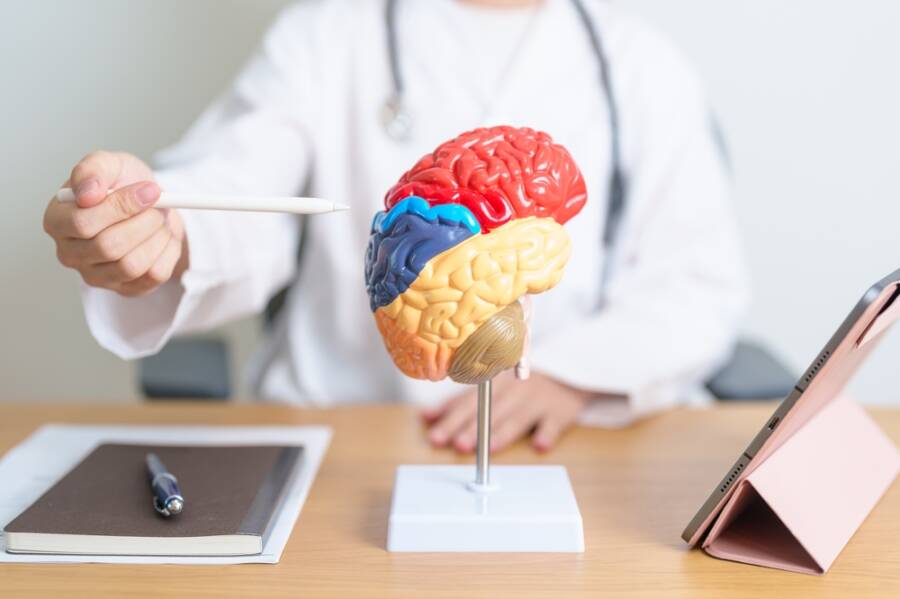
Use It Or Lose It!
Whether dementia runs in your family or you already have it, there are still things that will help you and your brain significantly! It is essential you take care of this specifically if you’re over 40, as in prevent, and especially if you’re over 60, as in delay or soften symptoms!
Brain exercises maintain exactly what dementia takes away: cognition and executive function.
One person is diagnosed with dementia every 3 seconds!
If your brain were a muscle, these following 7 exercises would keep it toned and active. Not enough people give proper importance to their brain health! Make your life simpler by avoiding dementia and, why not, learning a few cool skills below.

If you’ve researched one or two things about dementia, you might already know that once it’s set in, this disease cannot be treated! This is because different brain cells do not regenerate after dying.
Each of these brain cells is responsible for certain brain functions, like memory, coordination, judgement, focus, and more.
We are stressing that you do not, under any circumstance, need to be a pro at any of them! If you’re more of a perfectionist, we totally get it! Pick your favorite from the list and just treat it as training or actively taking care of your brain.
1 in 3 people globally will have dementia by 2030!
We are tagging the relevant function below as we explore together some of the brain exercises that are both fun AND incredibly effective, a ton of studies found. Also, other subtle brain functions are closely intertwined with the more general ones, so the benefits are truthfully and scientifically unlimited.
Learn a Language
How it helps: memory, cognition, attention
When learning a foreign language, your brain cells create new connections to the already existing ones. It is, simply put, a simple form of consolidating brain activity and staying sharp.
This method is actually the most researched when it comes to preventing dementia. It is recommended you learn a similar grammar language, like German, if you’re a beginner. But more grammatically challenging languages can do even more good to your brain. Take for example, Latin languages.
Nowadays, you can easily search for free online resources, but you can also take classes or grab some language books from your local library.
And no, you do not need to be fluent! Learning as little as a few minutes a day can do wonders!
Play an Instrument
How it helps: memory, cognition, spatial and time coordination
We understand that being bilingual is not for everybody. So, perhaps you like music and have always dreamed of being able to play an instrument? We got you!
In addition to generally reducing stress and anxiety no matter how old you are, playing an instrument exercises your brain dexterity.
And if you’ve already played an instrument throughout your adulthood, good job! Risks for dementia are diminished or delayed.
Practice Creativity
How it helps: cognition, memory
It seems that creativity is a great buffer against dementia symptoms. Similar to playing an instrument, painting or digital painting and creative storytelling or improvisation can boost brain activity.
Plus, being creative will surely keep you bright and full of ideas. If you’ve ever wished to be a small artist in your field of choice, now would be the time to do so already!
Strategy Games
How it helps: memory, planning, problem-solving, critical thinking, judgement, cognition
- Sudoku
- Chess or Checkers
- Dominoes
- Crossword puzzles
- Jigsaw puzzles
Traditional strategy games are very much useful for increasing your brain activity overall. Since they all involve active reasoning and strategizing, one fun and satisfying crossword puzzle or sudoku per day can keep dementia away!
Most seniors will likely already practice and enjoy these games on a constant basis. So, visualize all these as both fun and helpful if you’re planning on preventing dementia symptoms.
Feel free to choose between physical games or online apps. Both will do the trick for you.
Motivated and ready for a brain workout? Neuroscientists developed a few widely accessible and free resources for those in need.
Here are a few ideas. All these tools were smartly engineered to cater to individual needs and characteristics. Customize your apps, choose the level of difficulty, set alarms or reminders, and have a pause moment for your brain health.
- Lumosity – over 50 weekly brain exercises for prevention or dementia patients.
- Peak – 10 minute daily activities and learn your brain regions if you’re curious.
- Witty Words – learn new phrases and expand your vocabulary.
- CogniFit – challenge 23 of your executive skills.
Physical Training
How it helps: memory, cognitive function, spatial coordination
The second most researched method of dementia prevention, after learning a foreign language, is physical training.
Results are extremely positive, with studies suggesting that even 30 to 45 minutes of daily low maintenance exercises, like walking, yoga, or aerobics, can save you from neurodegenerative stress.
Combine this with being outdoors and enjoy an instant dopamine release, better mood and increased immunity in the sunlight! Beyond protecting your brain, this is such a needed way of building your physical strength.
Even better, consider doing physical exercises that keep you safe from diabetes, too!
Which of the following light activities would you like to try first?
- seated exercises
- chair yoga
- cooking and doing house chores
- bringing in the groceries
- taking your dog for a walk
- doing stairs if you have some in your home
- stretching during TV ad breaks
Dual Exercises (Body & Brain)
How it helps: executive function, coordination, memory
Less frequently talked about, dual exercises that combine body and brain activity can lead to increased benefits for preventing dementia.
Now, this is a challenge banger! Simultaneously walking and doing maths, stepping side to side and reciting words that start with a letter, or dancing to specific patterns and calling out colors.
If you like the sound of this, you might want to integrate simple dual exercises in your daily routine. For example, the next time you brush your teeth or eat a meal, try your non-dominant hand. The easier it gets with several tries, the more your brain works out and consolidates your executive functions.
Get to Socializing
How it helps: cognition, speech, judgement, wellbeing
Whether there is a local senior club around your block or you look for one online, did you know that joining a likeminded group of people can reduce risks for dementia?
Expand your social bubble if you’re feeling low, as poor mental health and loneliness are also associated with risks for dementia.
Even if you’re retired, it is never too late to meet people, attend social events, or join a club!
Dementia is complex. Blends combat it best.
Brain disease is super complicated, untreatable, and not 100% understood yet. It is important to stay informed about dementia myths and do your part to stay covered.
The final truth is that no prevention method works the same for everyone, but blending methods does raise the probability of prevention!
Who would’ve thought you could go shopping for brain games? We created a fun list for you to check out here.
Before you leave, make sure you let us know in the comments: Which brain games do you play? Do you have any other ideas that could help others?
If you found this useful and want to read on, try Subtle Signs of Dementia: 6 Important Things You Need to Know.








Leave a Reply