
Are you in an emotionally abusive relationship?
Being with someone you love is one of life’s greatest things. You have someone you can rely on, someone who will cherish, and count on you, someone you’ll team up with, and overall, an individual who will only improve your life.
Unfortunately, being in an emotionally abusive relationship might strip away these heartwarming feelings. If your partner doesn’t have your best interests at heart, you may find yourself being manipulated, gaslighted, and even stonewalled.
When someone is physically violent, you can immediately tell there’s a problem. But it doesn’t work like that with emotional abuse. The signs are more subtle, and you need to put more effort into identifying them.
Usually, manipulative people are all nice and bubbly at first but quickly change into becoming the worst version of themselves. The more time passes, the more adapted you’ll become to the negative patterns.
According to an old story, if you throw a frog into a saucepan of boiling water, it will frantically try to escape. However, the frog will [stay] until it’s boiled to death if you put it in while the water is still cold and gradually raise the temperature. Sadly, the same happens in relationships.
Even if you’re not physically abused, staying in an emotionally abusive relationship can destroy your overall well-being and sense of self. But how can you tell if your partner treats you right or not? Keep reading to find out:
1. Control
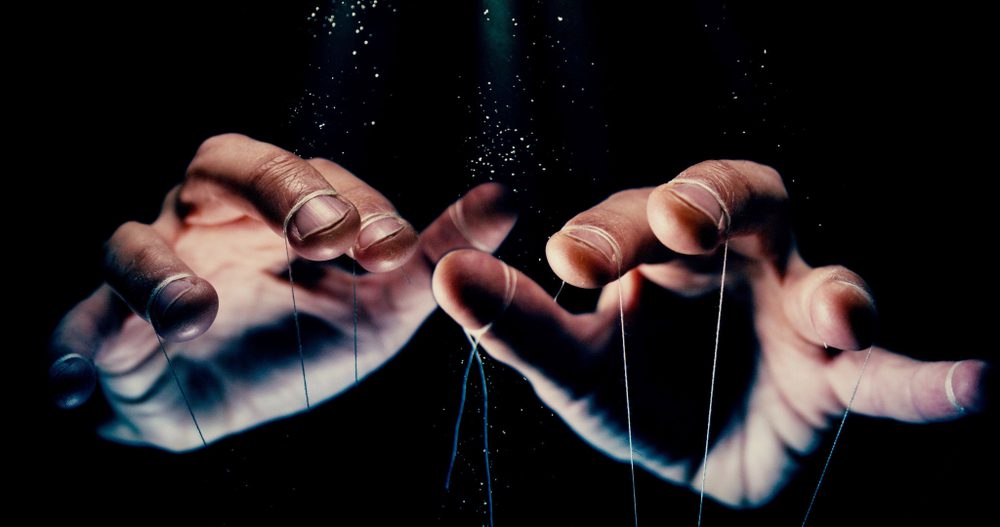
One of the first signs of an emotionally abusive relationship is control. While it may seem like your partner is interested in your social life or how you go about your day, it can be more than that.
Psychologists say that a controlling individual may impose on their partner how to dress or act, either overtly or subtly. They can make comments or remarks regarding your image so that they undermine your independence. The result is often the victim adjusting to the “requirements.” Pay attention to that because it can be dangerous!
2. Contempt
Have you ever noticed that usually, both partners struggle to express their feelings when one harbors resentment or hostility toward the other? According to experts, the majority of people expect their partners to listen and treat them with respect in a good relationship.
If your significant other consistently reacts to your demands with apathy, disgust, arrogance, or mean-spirited sarcasm, this could indicate you’re part of an emotionally abusive relationship.
3. Stonewalling
Have you ever heard of the term “stonewalling”? It’s when someone involved in a relationship doesn’t want to communicate with the other. Psychologists say it is a defense mechanism that can negatively impact any dynamic between people.
For example, if your significant other shuts you down when you bring up an uncomfortable conversation, you might feel let down and unworthy of love and respect. Even if it may seem like a big sign of disrespect, it is also a cue that you’re part of an emotionally abusive relationship.
If your partner constantly refuses to discuss important issues and you feel rejected or unimportant in their lives, it’s time to reevaluate your ideas and values.
4. Gaslighting
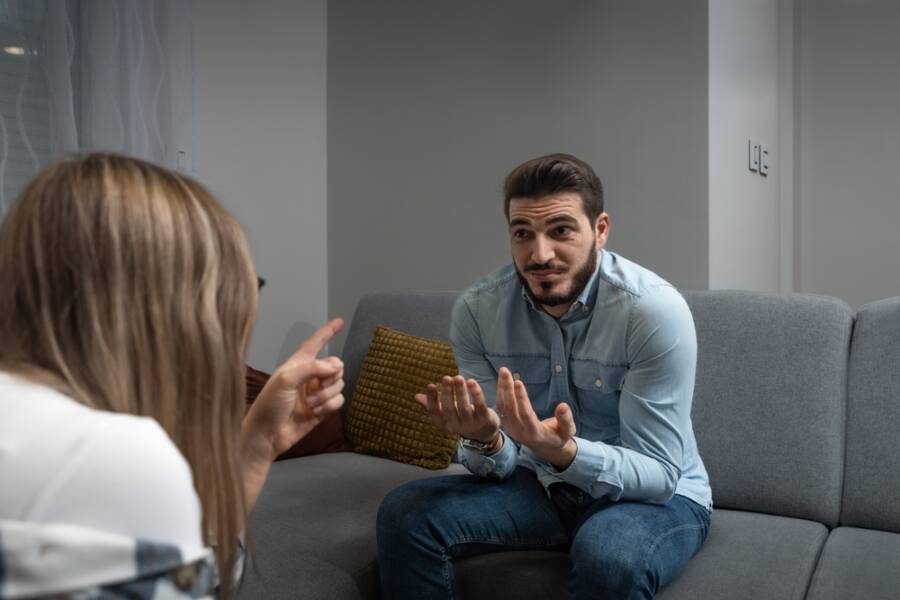
If you’ve read any of our articles before, you know gaslighting is a form of manipulation in which the victim starts doubting their sanity, judgment, and even memories. If you notice that your concerns are typically criticized for being “crazy,” “false,” or even “stupid,” the person you thought was special may be an emotional abuser.
Gaslighting is often used when someone wants to shift the power dynamic in a relationship and it’s incredibly damaging and frustrating. It alters your perception and imagination, and it invalidates your experiences.
You start questioning your truth, your actions, and even your thoughts, so pay attention. In the long run, you could be experiencing insecurity, low self-esteem, and anxiety.
5. Blame
If your partner constantly blames you for their unhappiness or lack of success, it’s a sign you’re in an emotionally abusive relationship. Sooner or later, you’ll start to feel responsible for everything that doesn’t go well in your significant other’s life or even in your romantic dynamic.
In case this happens, it will be harder to break the pattern. According to psychologists, this may be worsened by the shame many victims feel for allowing their abuse to continue.
6. Isolation
Emotional abusers often make their victims feel as though no one else in their social circle is willing or able to support them. One common trick used by abusers is making you feel as though they are the only ones who love and care about you. This technique is commonly known as isolation.
Relying entirely on them gives them a great deal of emotional control over you, making it hard to accept their affection and support even if others try to offer it. In simpler words, you’ll depend on them for everything and may also consider that you’re not good enough to do something on your own. Watch out!
7. Excessive defensiveness
Do you feel like you constantly have to defend yourself in your romantic dynamic? Then you’re probably involved in an emotionally abusive relationship. An honest and flourishing partnership is all about positive and efficient communication and mutual efforts to make things right.
As experts say, excessive defensiveness can make you feel as though you’re in a struggle with your shield up at all times. It may also be a coping mechanism you’ve evolved to deal with emotional abuse, but it will drain you every time, so be careful.

8. Volatility
If your relationship makes you feel like you’re on a rollercoaster and you often lose control, it’s time to take a step back, regroup, and analyze how everything makes you feel. It’s natural for couples to experience highs and lows throughout their dynamic, because, hey, that’s life, but those dips shouldn’t harm any of you.
After an outburst, volatile abusers frequently show their victims gifts and affection before getting upset again soon after. It’s like they keep trapping you with romantic gestures to draw your attention from the negativity you’re surrounded with, making you feel like things are better than you think.
If you don’t gain control soon enough, you’ll grow to accept their unstable nature just because you know they’ll make up for it soon enough. It’s not healthy for your body, mind, or heart. Have an honest conversation with them to see if they’re willing to make any changes.
9. Yelling
In a healthy relationship, arguments shouldn’t frequently turn into shouting, even if it’s common for partners to raise their voices occasionally.
If yelling occurs frequently, it may indicate an emotionally abusive relationship. Working through a conflict while one or both parties are shouting is particularly challenging.
It doesn’t establish a secure environment where all sides can feel seen and heard. Additionally, shouting may cause terror in some people, which may cause them to become silent. Because only the loudest individual is heard, this kind of behavior also usually leads to an imbalance of power in the dynamic.
10. Threats
Another telltale sign you’re in an emotionally abusive relationship is the presence of threats. If your significant other is threatening you in any way, with either warning of physical harm, “if, then” statements, intimidating remarks, or blackmail, it’s time to reevaluate your dynamic, because it’s not doing you any favor.
If you want to know more about emotionally abusive relationships and learn how to break free from one, here’s a useful book for you. In case you feel like there’s no escape, seek professional help, because there’s always a way out.
What are your thoughts on this topic? Have you ever been in an emotionally abusive relationship? Let us know in the comments below! If you want to read something else from Psychology Diary, here’s a good post for you: 6 Toxic Behaviors Your Partner Would Avoid If They Really Loved You









Leave a Reply