
We’re taking fashion therapy to a whole new level, folks!
Have you ever noticed how certain clothes can instantly brighten up your mood? Well, according to psychology, that’s not a coincidence! Clothing significantly impacts the way we feel.
So, here at Psychology Diary, we’ve decided to investigate how clothes can influence our mood, and we’ll provide you with some practical tips on how to use your wardrobe to boost your overall well-being. First of all, clothes are more than pieces of fabric.
They carry symbolism and meaning that affect how we perceive ourselves and our world. Psychologists have long explored how clothing choices can shape our behavior and emotions. And they’ve come up with “Enclothed Cognition.” This theory implies that our clothes influence our thoughts and actions.
When we dress in a certain way, we assume the traits associated with that style, leading to the affiliated emotions. So, on that note, keep reading to learn about 8 surprising ways your clothes can help you be happier, innovative, more focused, and much more!
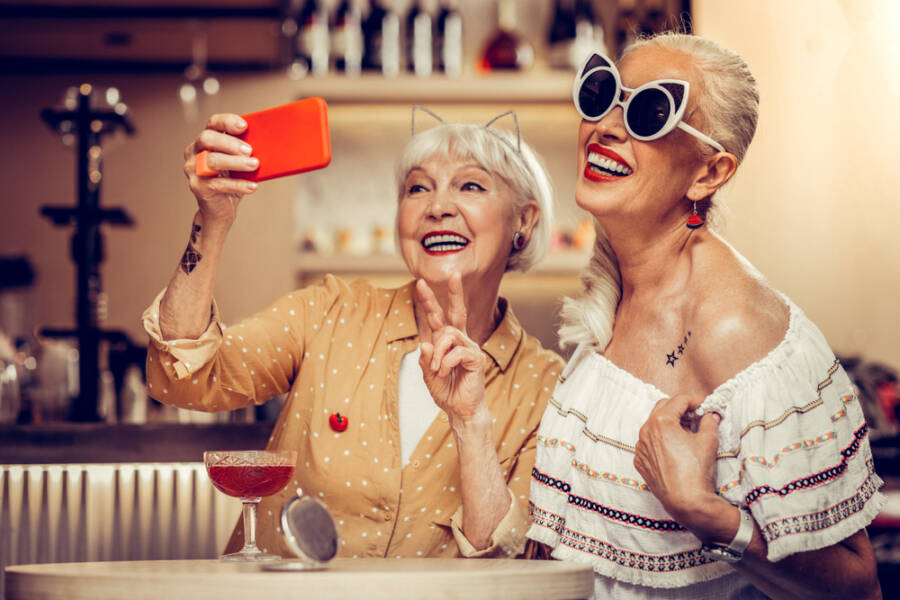
Fashion therapy implies that clothes can help you feel less depressed
Those who constantly feel sad or depressed tend to dress more casually, wearing sweatpants, leggings, baggy items, or worn-in jeans, according to a study.
Wearing an outfit that doesn’t fit you properly, is dirty or unflattering, or makes you feel bad about your body and how you look can make you feel bad mentally, too, creating a vicious cycle of dressing down or depression.
This is why one of the biggest tips regarding enclothed cognition for managing depression in daily life is to chuck the pajama pants and put on a clean, well-fitting outfit you like. Consider updated clothes a thank-you gift to yourself for taking a first step in the right direction.
Fashion therapy implies that clothes can make you feel more self-confident
According to a study published in the Journal of Consumer Culture, women who wore “special” undergarments said they felt more attractive and confident, even if no one ever saw them undressed.
Researchers say that the trick was choosing undergarments based on personal taste, not buying them based on a generalized ideal of what others would find attractive.
In other words, wearing special undies will make you feel more confident, but what constitutes a perfect pair of undies differs for each person. This is an easy and fun place to begin if you’re trying to be happy and more confident.
Fashion therapy implies that clothes can make you feel focused
Being able to focus on a single task, mainly when it’s dull, is half the battle when it comes to many jobs. The Journal of Experimental Social Psychology study discovered that the individuals wearing the “smarter” doctor’s coats could focus longer and harder than those who thought they were wearing painter’s smocks.
The researchers theorize that this is because we know physicians tend to be rigorous, careful, and good at paying attention. So when we act like a doctor, we embody some of their qualities, almost as if we’re trying to live up to the expectations of what we’re wearing.
If focus is key where you work, consider wearing clothes at your job that help you channel a person in a stereotypically focused profession, like a lawyer for example.
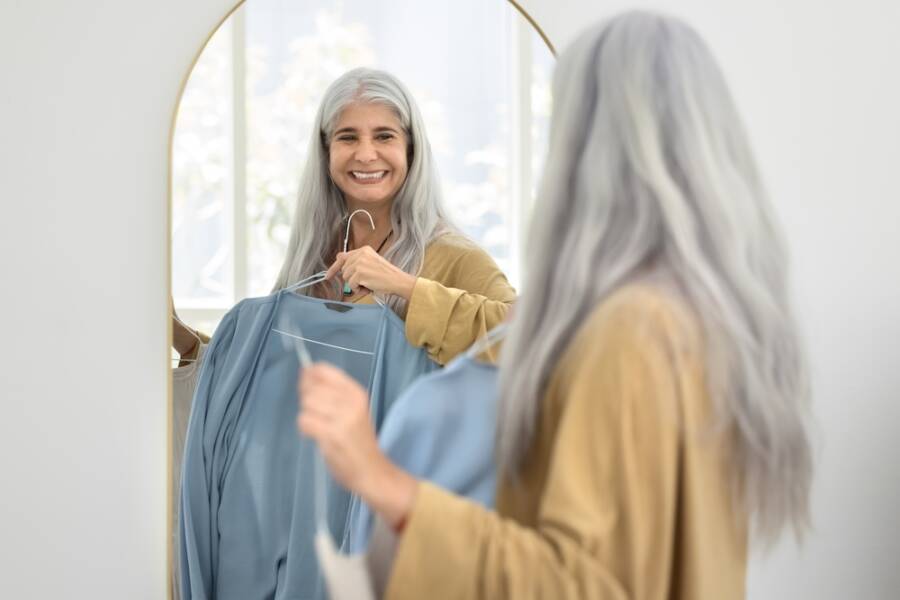
Fashion therapy implies that clothes can make you feel inspired and creative
Working from home has some benefits, but you should rethink your apparel. Even if you can always wear loungewear or pajamas, you might not want to. Setting boundaries between work and home by dressing up during office hours could be a boost to your career.
The Social Psychological and Personality Science study discovered that participants who dressed in business-formal attire had more creative ideas and could think faster on their feet.
The researchers suspect that how you dress can change your perception of the people, objects, and events around you, sparkling fresh ideas and a unique point of view.
Fashion therapy implies that clothes can make you feel calmer
Our sense of smell is one of the most underrated features of fashion psychology, but how your clothes smell can play a huge role in how you feel while wearing something. One surprising discovery: Wearing a romantic partner’s sweat-soaked shirt can instantly calm your anxiety, according to the Journal of Personality and Social Psychology.
“Many people wear their significant other’s shirt or sleep on their spouse’s side of the bed when their away but might not realize why they engage in these behaviors,” says the study’s lead author.
Their findings indicate that a partner’s scent alone, even without them being physically present, can be a powerful tool to help reduce stress. So next time you feel stressed out beyond belief, use this piece of knowledge to ease your anxiety and seize a quick moment of joy.
Fashion therapy implies that clothes can make you feel smarter
Dressing in clothing associated with intelligence, like a pilot’s uniform or doctor’s coat, doesn’t just make you look smarter. It might even make you act wiser, as well. That’s according to a study from the Journal of Experimental Social Psychology regarding enclothed cognition.
Researchers gave lab coats to a group of participants, none of whom were physicians, and told another group to stick with their street clothes. They all performed difficult tasks, but those in white coats made significantly fewer mistakes. The scientists repeated this experiment, but the second time, they gave lab coats to all of the participants.
In an interesting plot twist, they told half the people they were paint smocks and the other half that they were doctor’s lab coats. Again, those in the so-called “doctor’s coats” performed better on the tests, which indicates that it’s not just what you wear but also what you think about what you wear that matters.
Does that mean you should start showing up to the office in scrubs? Not exactly. But try something new: Like wearing a power suit fit for a CEO.
Fashion therapy implies that clothes can help you curb emotional eating
Tightening your belt a notch, wearing a tight pair of pants, or even tying a ribbon around your waist under your clothing can give you a subconscious sign to stop eating as soon as you’re full.
Many folks eat unconsciously to soothe an uneasy emotion, and having a clothing reminder that’s physical can remind you to check in with your feelings before you go too nuts on dessert.
It turns out, many French women wear a ribbon around their waist, underneath their clothes when they go out to eat, says a fitness expert and author of LeBootcamp Diet. It’s to keep them conscious of the tummy area, particularly if the ribbon begins to feel tighter as the night goes on!
Fashion therapy implies that clothes can make you feel more trusting of others
Wearing fake designer clothing doesn’t just increase your likelihood of deception. Harvard researchers also uncovered that it can make you more pessimistic about other people’s behavior.
Participants wearing fakes rated others as being less truthful, less honest, and less ethical, even though they didn’t have information about what others were wearing.
Instead, the study subjects based their assumption of others on what they were wearing, one of the habits untrustworthy people have in common. Contrarily, honesty in your dress and mannerisms may make you more likely to trust other people. That’s because you assume they’re doing the same.
What are your thoughts on how enclothed cognition and fashion therapy work? Feel free to let us know in the comments section. And if you found this article interesting, we also recommend: 7 Psychological Reasons We Love True Crime Shows






Leave a Reply