
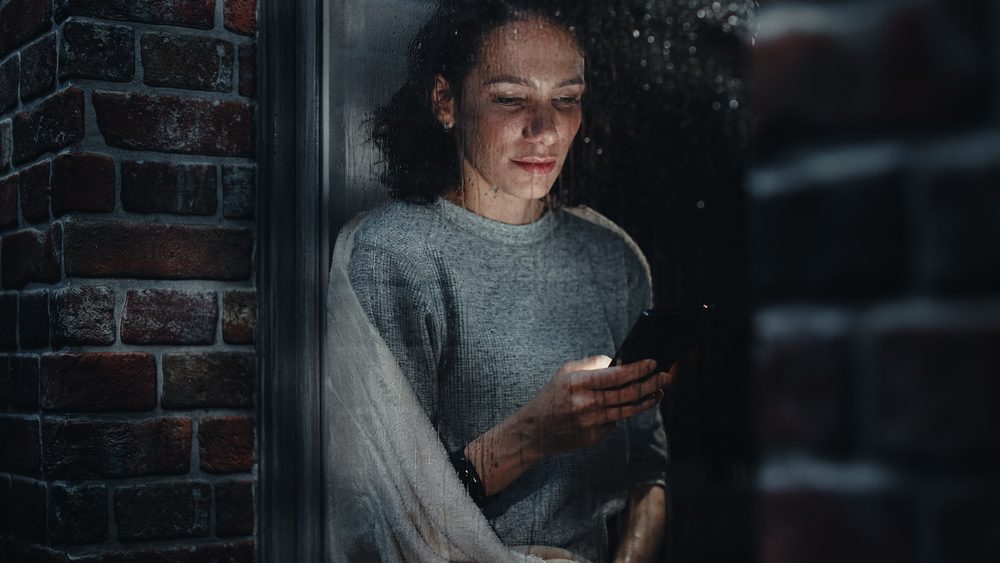
We use them every day, but the truth is that smartphones affect our brains!
According to statistics, in the past years, especially after COVID-19 kicked in, everybody started using their smartphones more and more. Either because they use them for work, to talk to their family, or for mindless browsing, smartphones have become a part of our lives.
In 2019, the average American adult spent around 4 hours daily using their smartphones; in 2023, the hours rose exponentially to more than 6. In this “game,” the ones who suffer the most from this smartphone addiction are children and elders.
In today’s article on Psychology Diary, we will approach the subject even closer and see how smartphones affect our brains and how we can stop it.
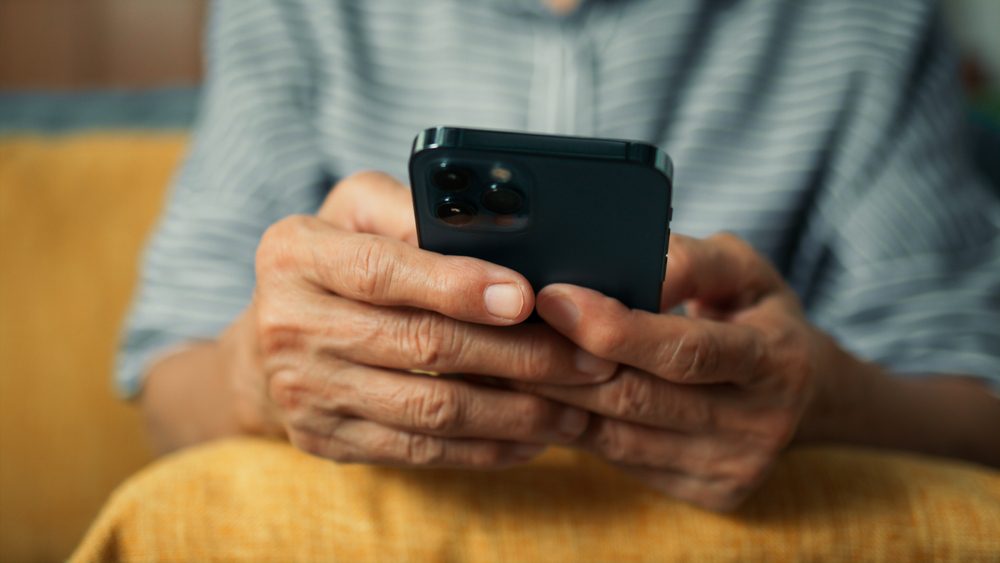
Smartphone use may harm one’s emotional and social abilities
Have you ever noticed that you spend less time engaging with people face-to-face the more time you spend staring at a device? This is one way in which smartphones affect our brains.
It slowly starts with you ignoring the rest of the house because you’re trapped in the vicious circle of social media. Everything you see is clickable and a must-see, and the more time you spend online, the bigger the chances of ignoring human interactions.
The absence of in-person interactions might contribute to depression, that’s why therapists are also worried about the link between excessive social media usage and anxiety and sadness, particularly among youth. When used in moderation, screens can help people unwind and zone out, but when used excessively, they can have the opposite impact.
Increases the anxiety levels
More and more psychologists warn us about how smartphones affect our brains, and while they’re a big part of our daily lives, it’s important to know their side effects. People who are hooked on their phones frequently experience “digital detox anxiety” as a result of being away from them for extended periods. As with other addictions, this kind of addiction can cause palpitations, sweating, and shaking when you’re not using your smartphone for more than let’s say 30 minutes.
The same is true for those who are waiting for a response on social media and the other person isn’t responding more quickly.
Depression
There are a lot of people who are easily influenced and get super sad when their lives aren’t the way they’re seen on social media. For example, the act of contrasting one’s existence with the idealized lives that are posted on social media Comparing oneself to others online may make people feel inadequate and insecure, which can raise stress levels and eventually lead to melancholy and depression.
Smartphones affect our brains in the worst possible way, so if you want to still enjoy the small things in life, the company of your family and friends, but also your alone time, set a limit on how much you spend on social media randomly scrolling.
Smartphones can worsen our vision
While smartphones affect our brains, they’re also affecting our vision. According to various ophthalmologists, the number of myopics has increased, and seniors are among them as well! Eyesight can be negatively impacted by staring at an electronic device for extended periods without taking breaks every few minutes.
A few began experiencing severe headaches, frequently accompanied by impaired vision and a lingering sting in their eyes. Take care of yourself, and unless you must use a device for longer periods because you’re working, don’t forget to take breaks every 45 minutes.
It’s important to get out, breathe in some fresh air, and socialize with the people around you! After all, we’re social creatures, and face-to-face bonding is beneficial for mental health.
Trouble sleeping
When using a smartphone right before bed, the light it emits can seriously disrupt the body’s normal “stash” of melatonin synthesis. Because melatonin is a hormone that aids in the regulation of our sleep-wake cycle, disruptions in this hormone can cause problems falling or staying asleep during the night. This may result in more severe mental health problems, tiredness throughout the day, and poor quality sleep.
Many individuals tend to sleep with their phones next to them, and this is another way in which smartphones affect our brains and, therefore, our sleeping habits. Not only does this increase the likelihood that individuals may receive a wake-up call from their phones, but research has also indicated that keeping a phone close by raises stress levels and lowers feelings of relaxation right before bed.
Avoid using social media or reading news at least 3 hours before bedtime, and if it’s possible, focus on reading something that you enjoy.

Relationship issues with family members or partners
This is definitely the worst way in which smartphones affect our brains: by making us detach from human connections. When someone is with someone else who is always checking their phone, it can make them feel abandoned and rejected, which can cause a lot of conflicts, which can easily lead to a fight.
Intimacy and closeness in a relationship might also decline if one spouse spends more time communicating with others online than they do in person. Don’t let this happen to you too!
If, after reading these lines, you’re thinking about doing a digital detox and limiting the time you spend scrolling on social media, first of all, kudos! Then you may want to take a look at this book called Digital Detox in 14 Days: How to Find a Healthy Way of Dealing with Your Smartphone and Co. Available in Kindle, hardcover, and paperback editions, it is worth reading! The Kindle format costs only $3.87!
It affects the way we think about ourselves and life in general
Even if there is no 100% proof that smartphones affect our brains, health professionals worry that overuse may have negative effects, particularly on older adults and children who are more vulnerable. For instance, studies have indicated that cellphone use may harm cognition. The process of learning and using information through perception, experience, and thought is known as cognition.
Even with the phone turned off, there is a considerable reduction in cognitive function when a smartphone is nearby. Because you can keep information on your smartphone and no longer need to recall it, using a smartphone might result in mental laziness.
In addition to thinking negatively, it negatively impacts people’s self-esteem. Let’s picture this: Social media can be seen as a game in which you complete a level, and by the end of it, you get a reward. Same with posting pictures on your profile to receive likes and get popular. But what happens when you don’t get the appreciation you think you deserve? A lot of people tend to become sad, anxious, and even depressed.
How can we stop these ways in which smartphones affect our brains?
If you want to kick this addiction and you know how bad smartphones are for your brain, then good for you! You’re headed in the right direction! Establish daily boundaries by designating a certain time that you are allowed to spend scrolling through your phone, and make sure that you honor it.
After this period, make sure it’s somewhere unreachable and concentrate on your other tasks. If you want to avoid being distracted, you may also disable the notifications.
Finally, remember to unsubscribe from everything that doesn’t make you happy or fulfilled in life. Nothing is more depressing than having to trawl through an abundance of false information or news in the little time you spend on social media.
In the end, don’t forget to unsubscribe from the stuff that doesn’t bring any satisfaction or joy to your life. There is nothing more sad than having to scroll through a ton of news or fake information in the little time you spend on social media.
Reading about how smartphones affect our brains made you curious for more psychological information from our page. That’s awesome! Then we have another recommendation for you: 11 Signs of Depression in Seniors and What You Can Do About It.









This is very true, cellphones are very addictive.