
You know the feeling. The conversation starts normally, but suddenly the ground shifts. You find yourself apologizing for things you didn’t do, questioning your own memory, or feeling a heavy knot of guilt in your stomach. This isn’t just a “bad argument.” It is often a calculated psychological maneuver.
Research indicates that emotional abuse is alarmingly common, with the Centers for Disease Control and Prevention (CDC) reporting that approximately 48% of women and men have experienced psychological aggression by an intimate partner. For those in relationships with individuals exhibiting narcissistic traits or Narcissistic Personality Disorder (NPD), language is more than communication—it is a tool for control.
Narcissistic manipulation operates on a cycle of idealization, devaluation, and control. By decoding the specific phrases used during these stages, you can stop blaming yourself and start seeing the dynamic for what it is. Here are eight common things narcissists say to maintain power, along with the psychology behind why they work.
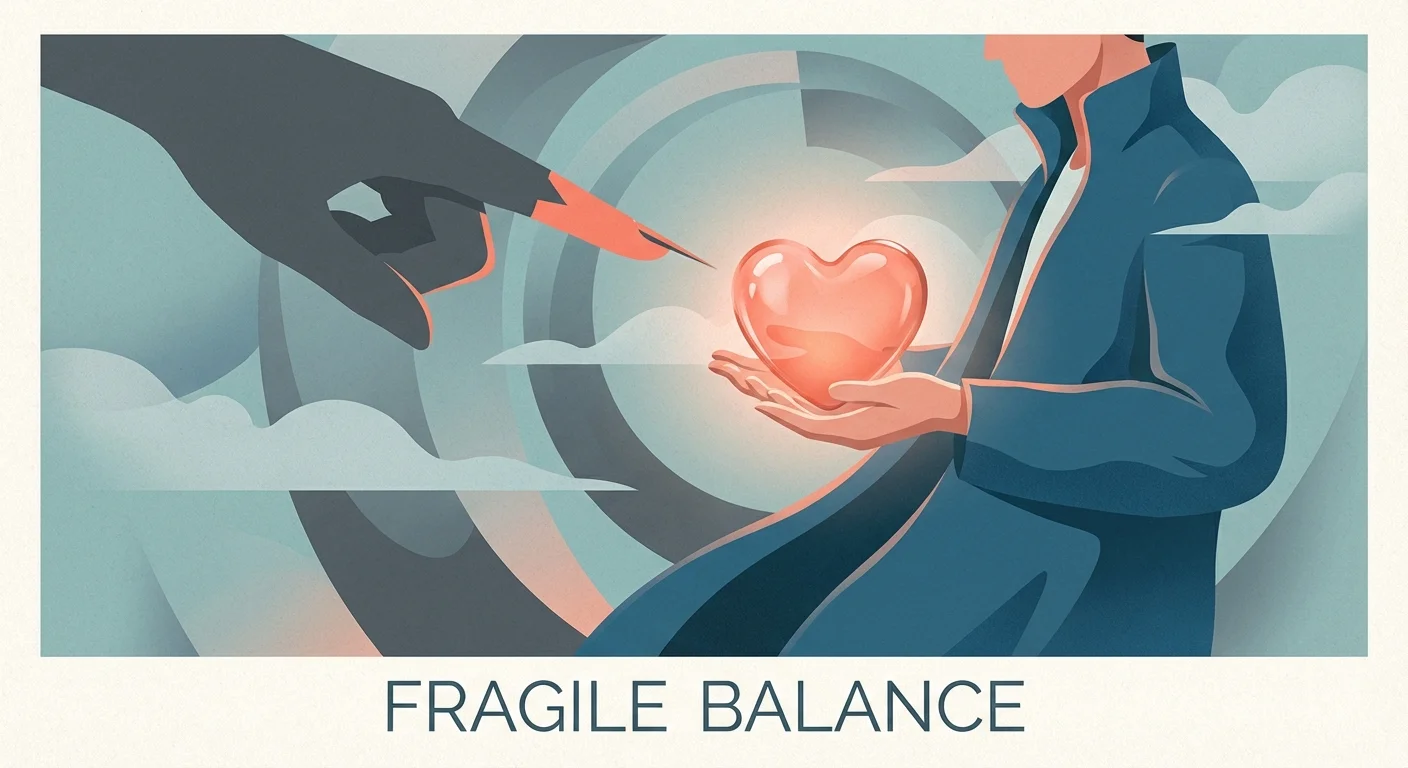
1. “You’re Just Too Sensitive”
The Tactic: Invalidation
This is perhaps the most ubiquitous phrase in the narcissist’s arsenal. When you express hurt, disappointment, or anger regarding their behavior, they don’t address your concern. Instead, they attack your reaction to it.
Why It Works: Psychologically, this is a form of minimization. By labeling your emotions as “too much” or “irrational,” they successfully shift the focus from their actions to your psychological state. Over time, this leads to self-doubt, where you begin to suppress your own intuition.
- The Reality: Your feelings are a biological signal that a boundary has been crossed.
- Actionable Insight: Do not defend your sensitivity. Instead, re-center the conversation on the event. Try saying: “My feelings are not up for debate. We are discussing what you said/did.”
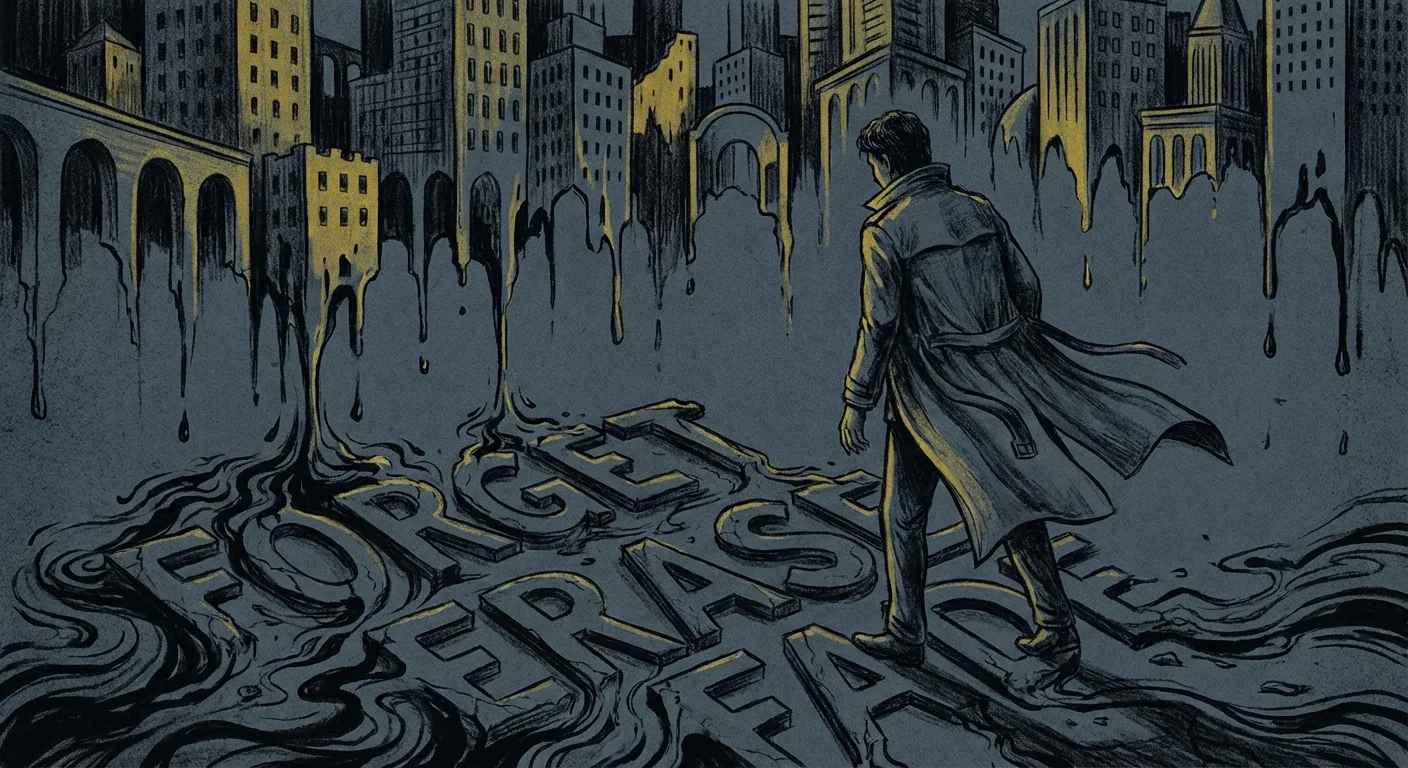
2. “I Never Said That”
The Tactic: Gaslighting
Gaslighting is a slow-motion erosion of your reality. A partner may deny a promise they made yesterday or claim a conversation never happened. In severe cases, they may even hide objects or stage events to make you question your sanity.
The Psychology: This technique creates cognitive dissonance—a state of mental discomfort caused by holding two conflicting beliefs (e.g., “I remember he said this” vs. “He is so adamant he didn’t”). To resolve this tension, victims often surrender their own memory to preserve the relationship.
“Gaslighting are lies with a purpose to confuse and control.” — Dr. Ramani Durvasula, Clinical Psychologist
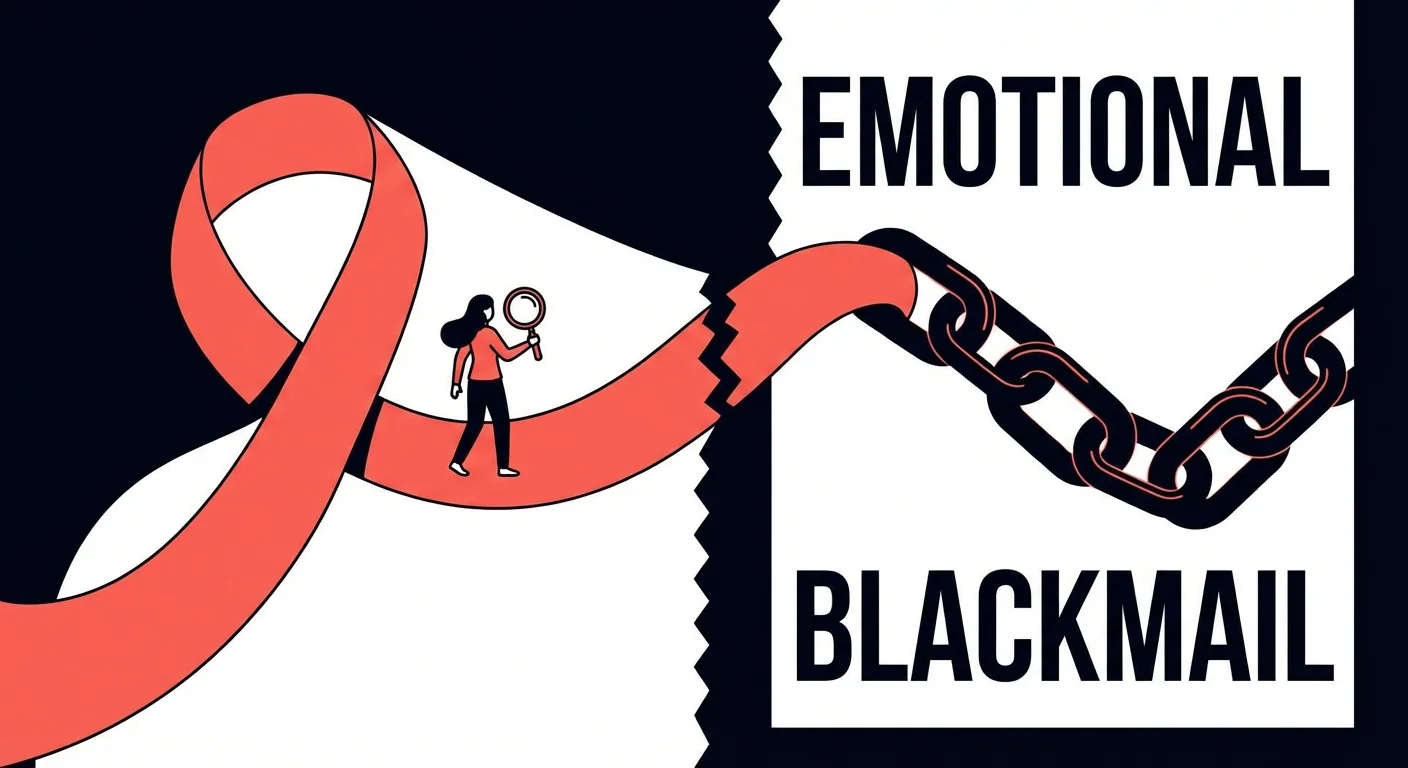
3. “If You Really Loved Me, You Would…”
The Tactic: Conditional Love (Emotional Blackmail)
Healthy love is a partnership; narcissistic “love” is a transaction. This phrase weaponizes your empathy and commitment against you. It sets up a rigged game where “proving” your love requires you to sacrifice your boundaries, needs, or values.
Why It Works: It triggers a fear of abandonment and a desire to be “good enough.” It frames your compliance as the only metric for your love, effectively erasing your right to say no.
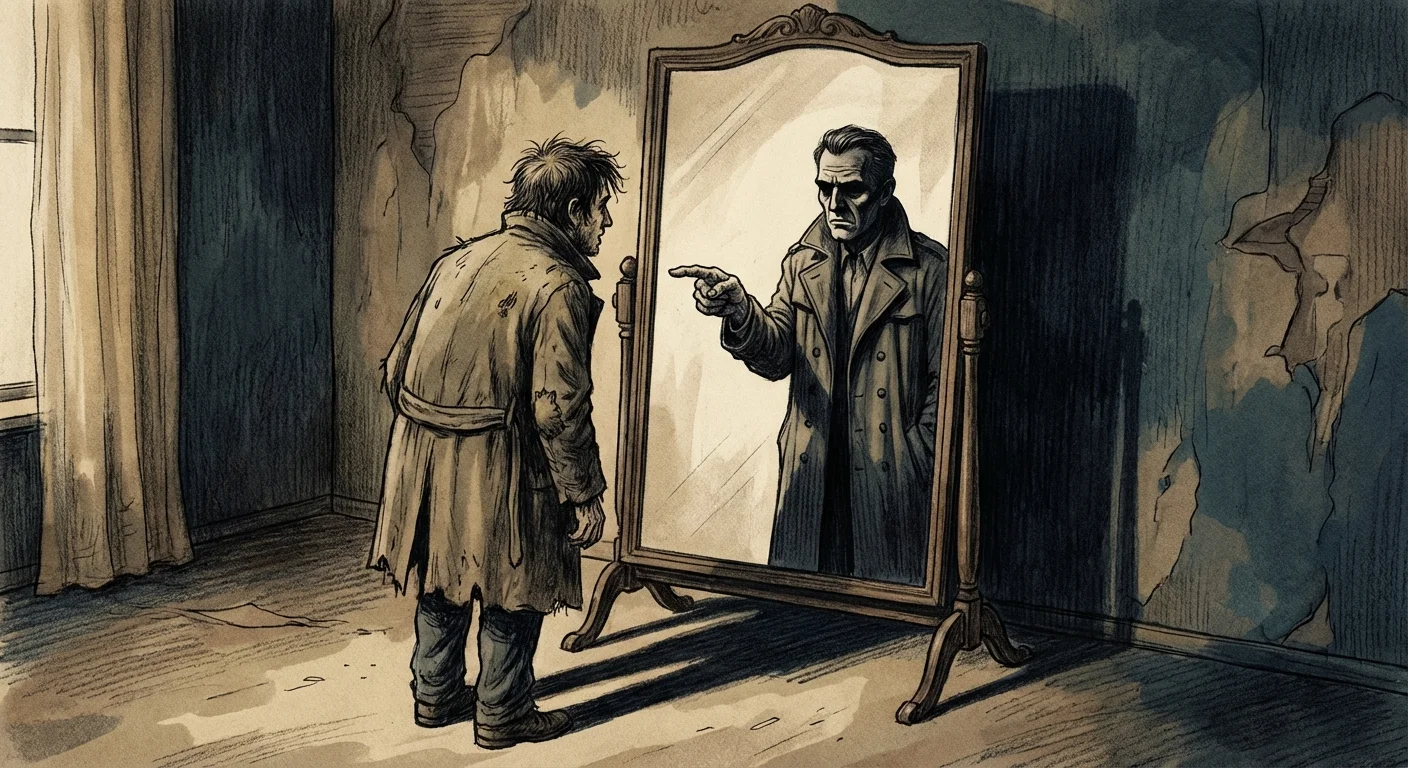
4. “You Made Me Do It”
The Tactic: Blame Shifting & Projection
Did they yell at you? It’s because you were “nagging.” Did they cheat? It’s because you were “distant.” In the narcissist’s worldview, they are perpetually the victim of circumstance—or of you.
The Psychology: This is a classic defense mechanism known as projection. Individuals with high narcissistic traits often have a fragile ego that cannot tolerate shame. To cope, they project that shame outward, assigning blame to you to protect their own self-image.
5. “No One Else Would Put Up With You”
The Tactic: Isolation & Devaluation
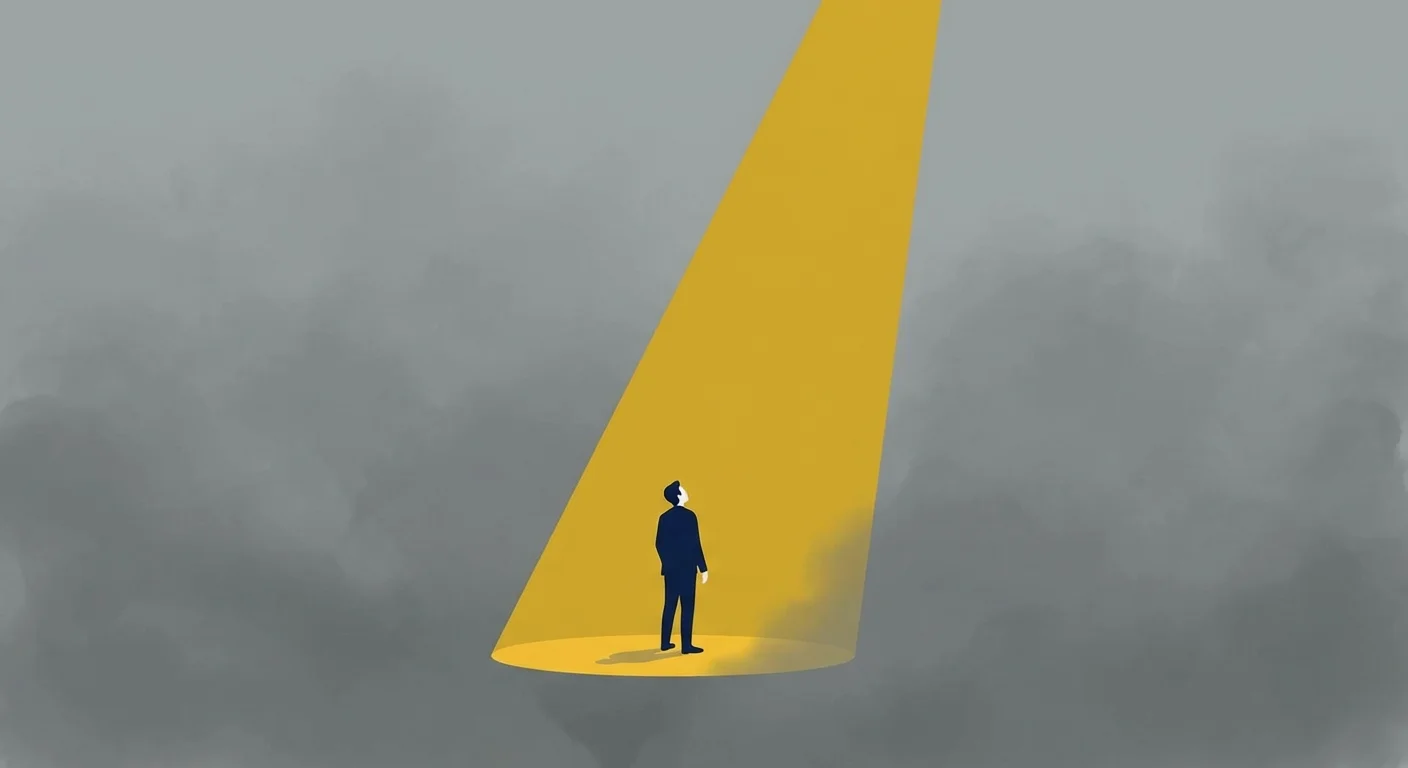
This cruel statement serves two purposes: it lowers your self-esteem and it isolates you from potential support. By convincing you that you are “difficult,” “damaged,” or “unlovable,” they make you feel lucky to have them—even while they abuse you.
The Reality: This is a fabrication designed to make you afraid to leave. It creates a “closed loop” relationship where the abuser is the only source of validation.
Actionable Insight: Recognize this as a projection. Often, the narcissist is terrified that you will realize you can do better.
6. “I’m The Only One Who Really Understands You”
The Tactic: The “Us vs. Them” Trap
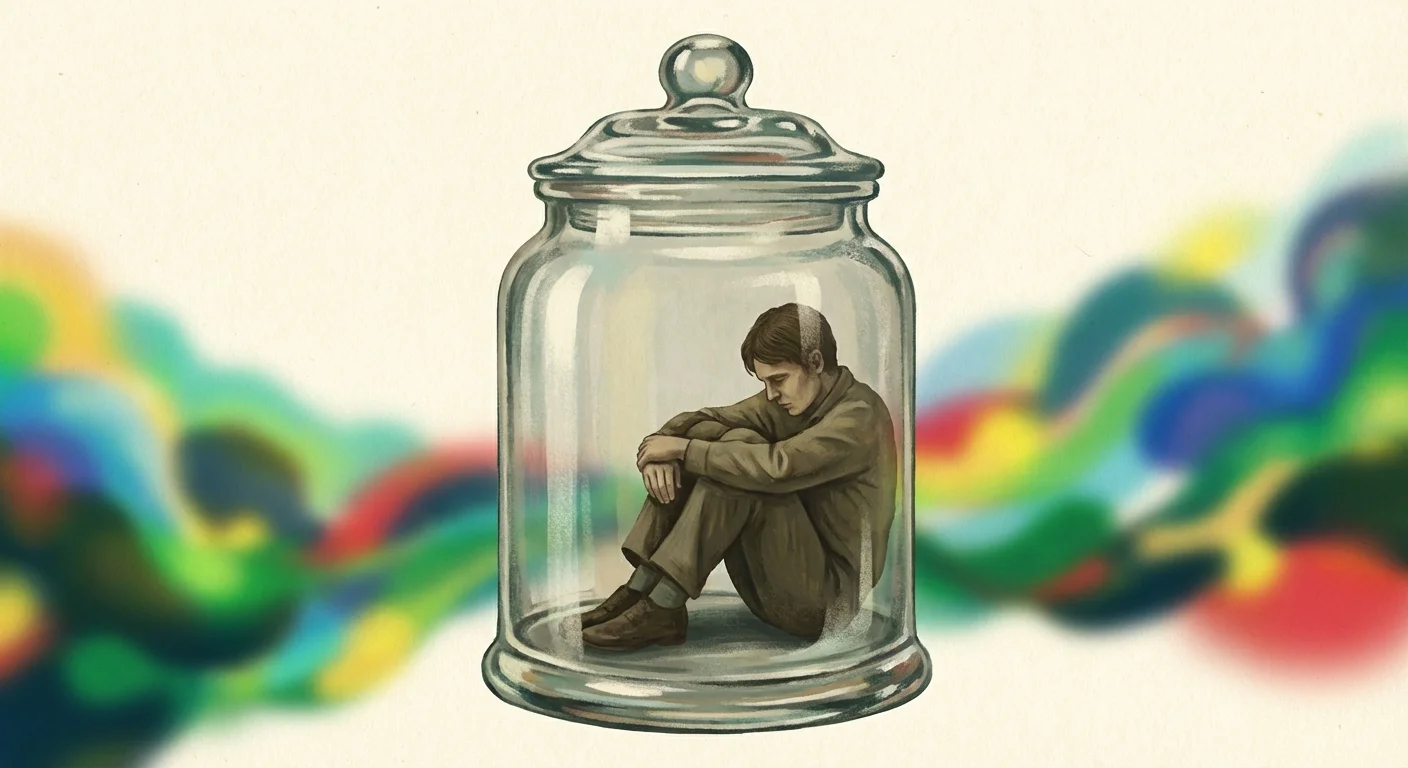
Early in a relationship, this feels like romance. Later, it feels like a cage. By framing the relationship as a unique, superior bond that “outsiders” (like your concerned friends or family) can’t understand, they systematically isolate you.
The Psychology: This is closely linked to perspecticide—the incapacity to know what you know. By filtering your view of the world through their lens, they “kill” your individual perspective. If your friends point out red flags, the narcissist dismisses them as “jealous” or “ignorant,” ensuring you remain under their influence.

7. “You’re Crazy / You Need Help”
The Tactic: Pathologizing
When you finally confront them with facts or catch them in a lie, they may pull the ripcord: “You’re crazy.” This is the ultimate dismissal. It is often used in conjunction with DARVO, an acronym coined by psychologist Jennifer Freyd:
- Deny the behavior
- Attack the victim
- Reverse Victim and Offender
By claiming you are the unstable one, they reverse the roles, forcing you to defend your sanity rather than holding them accountable for their actions.

8. “We Are Soulmates / You’re Perfect” (The Love Bomb)
The Tactic: Intermittent Reinforcement
Why do people stay? Because the narcissist isn’t cruel 100% of the time. They use periods of intense affection, praise, and gifts—known as “love bombing”—to hook you. When the abuse starts, you cling to the memory of this “perfect” phase, believing it will return if you just try harder.
The Psychology: This creates an addiction cycle similar to gambling, known as intermittent reinforcement. The unpredictability of the “reward” (their love/approval) releases dopamine, creating a powerful chemical bond (trauma bond) that is incredibly difficult to break.
Comparison: Healthy Conflict vs. Narcissistic Control
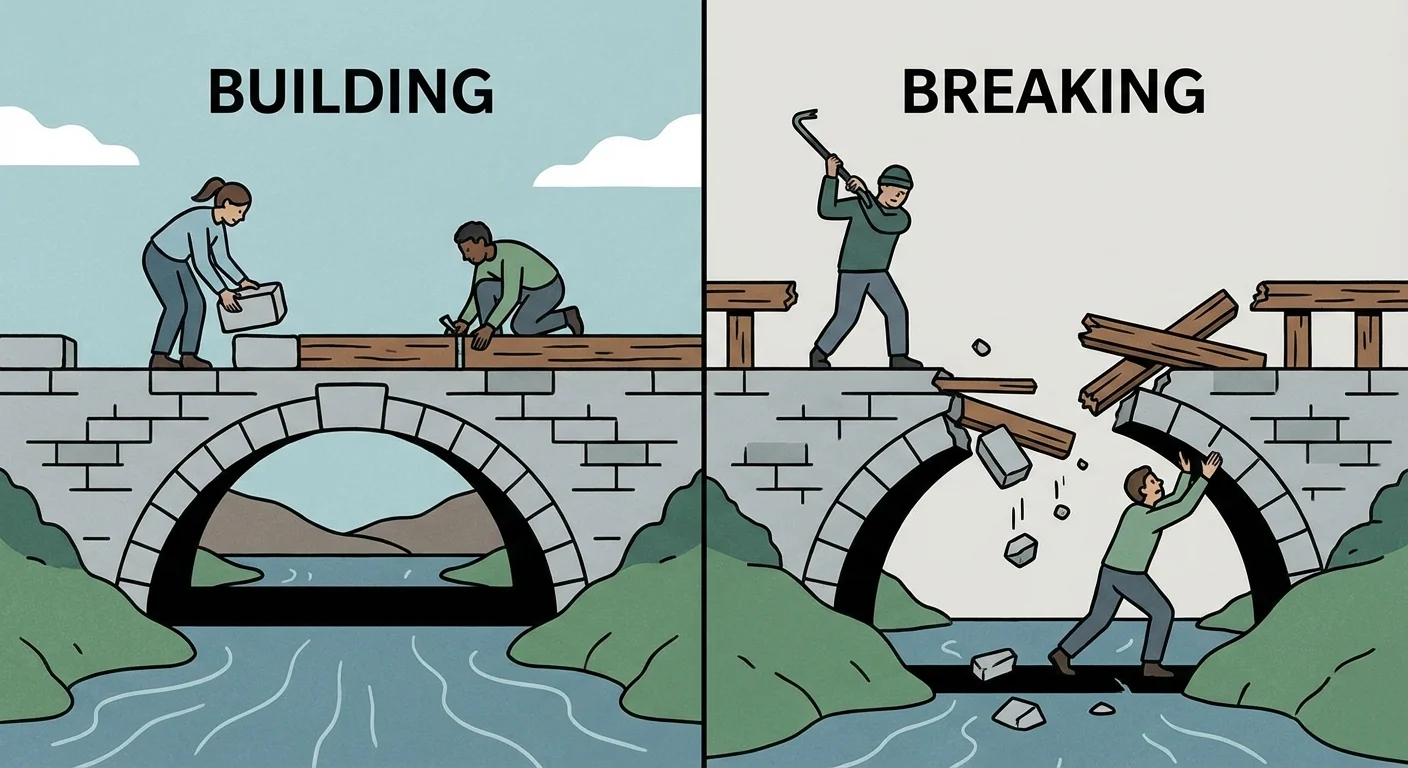
It can be hard to tell the difference between a bad day and a pattern of abuse. Here is a quick guide to distinguish the two.
| Feature | Healthy Relationship Conflict | Narcissistic Manipulation |
|---|---|---|
| Goal | To resolve the issue and reconnect. | To win, dominate, and avoid shame. |
| Accountability | “I’m sorry I hurt you. I will do better.” | “I’m sorry you feel that way, but you made me do it.” |
| Focus | The specific behavior or event. | Your character flaws (“You’re crazy,” “You’re too sensitive”). |
| Outcome | Compromise or agreement to disagree. | Confusion, exhaustion, and submission. |
What Can Go Wrong: The Danger of “Perspecticide”
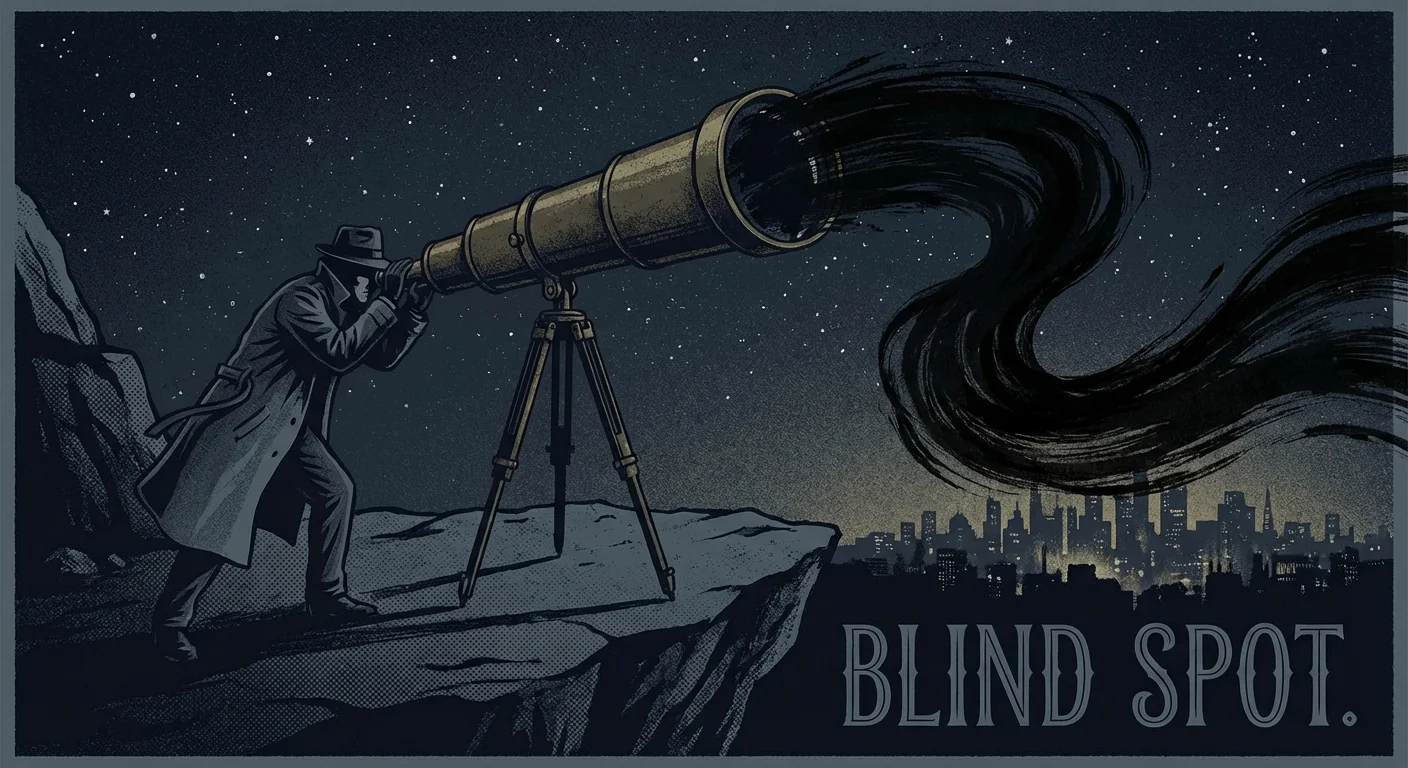
One of the most dangerous misconceptions is that you can “outsmart” or “fix” a narcissist with enough logic or love. This often leads to a phenomenon researchers call perspecticide—the death of your perspective. By constantly trying to reason with someone who denies your reality, you may lose touch with your own values, interests, and judgment.
If you find yourself constantly recording conversations to prove you aren’t crazy, or waking up every day anxious about your partner’s mood, you are likely already experiencing the effects of this psychological erosion.
When to Seek Professional Support
Narcissistic abuse can have lasting impacts on your mental health, including anxiety, depression, and C-PTSD. You should consider seeking support from a licensed therapist if:
- You feel constantly confused or “foggy” about your relationship dynamics.
- You have isolated yourself from friends and family to avoid conflict with your partner.
- You experience physical symptoms of stress (insomnia, stomach issues, chronic pain) when you are around them.
- You are afraid of your partner’s reaction to normal daily events.
Moving Forward: Trusting Your Reality
Recognizing these phrases is the first step toward breaking the spell of control. When you hear “You’re too sensitive,” you can now translate it to: “I am trying to silence your valid reaction.” When you hear “I never said that,” you can remind yourself: “I trust my memory.”
You cannot change a narcissist’s behavior, but you can change how you respond to it. By setting firm boundaries and seeking support from those who validate your reality, you can reclaim your voice and your life.
This is educational content based on psychological research and general principles. Individual experiences vary significantly. For personalized guidance, particularly in abusive situations, consult a licensed therapist, psychologist, or counselor.
Last updated: February 2026. Psychology research evolves continuously—verify current findings with professional sources.