
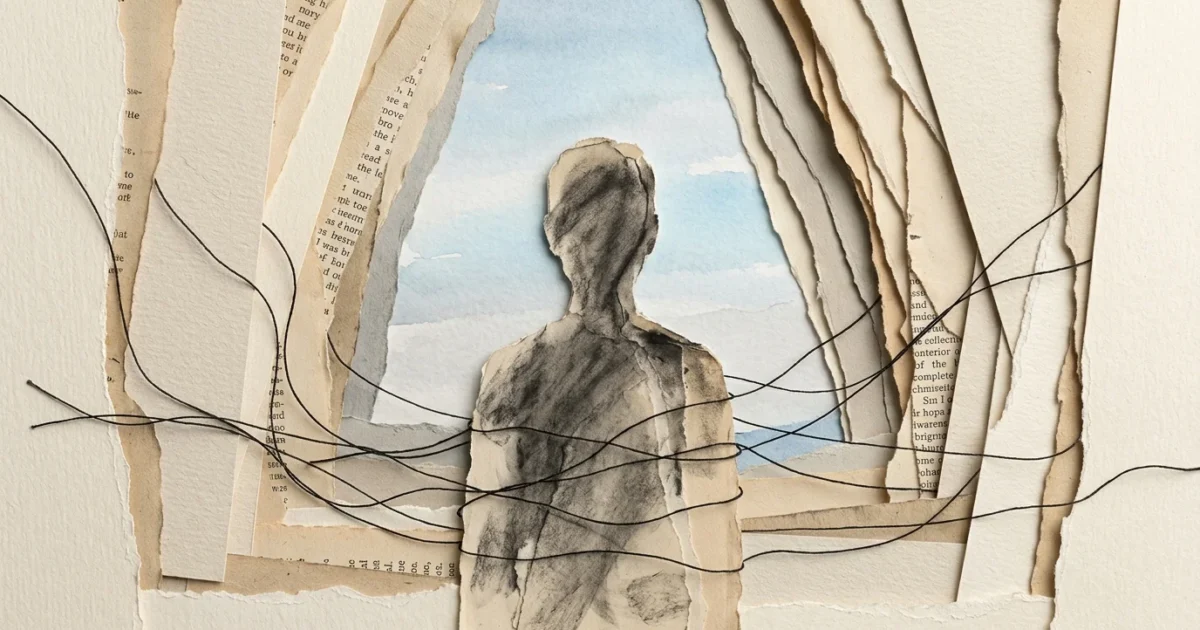
When you first notice the signs of a controlling spouse, it rarely looks like the dramatic, overt abuse portrayed in movies. Instead, unhealthy control often creeps in quietly, disguised as deep concern, protectiveness, or simply a desire to help you manage your life better. You might find yourself constantly second-guessing your decisions, apologizing when you have done nothing wrong, or feeling a subtle but persistent anxiety whenever your partner enters the room. Unpacking these relationship dynamics is the first crucial step toward reclaiming your autonomy and sense of self. By identifying the specific behavioral patterns of coercive control, you can begin to trust your own reality again and make informed choices about your emotional well-being.
The Spectrum of Control: Understanding Coercive Abuse
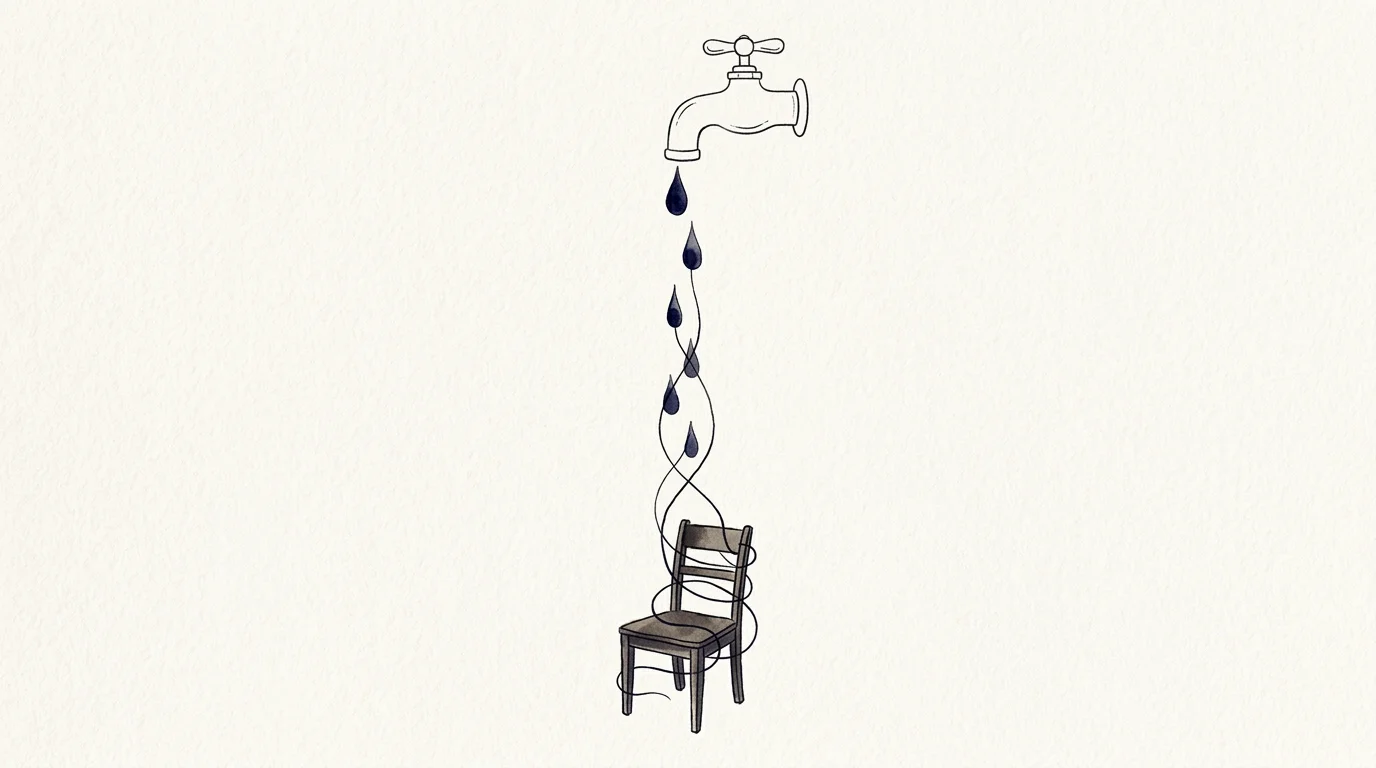
When we think of abusive or unhealthy relationships, society often paints a picture of extreme, loud, and visible aggression. However, control frequently operates on a quieter, more insidious spectrum known as coercive control. Coercive control is a deliberate pattern of behavior designed to isolate, intimidate, and strip you of your autonomy. Rather than a single explosive incident, it functions as a slow drip of psychological manipulation that fundamentally alters your sense of reality.
Recent research highlights just how widespread this dynamic is. According to 2024 data from the Centers for Disease Control and Prevention (CDC), over 43 million women and 38 million men in the United States have experienced psychological aggression by an intimate partner in their lifetime. This staggering statistic underscores a vital truth: emotional and psychological manipulation are pervasive issues that warrant as much attention as physical safety.
Controlling behaviors are rarely about love or care, even if your spouse insists otherwise. They are fundamentally about power and dominance. A controlling partner feels a profound need to dictate the terms of the relationship, managing your environment to ensure you remain dependent and compliant. Recognizing this pattern is the critical first step toward rebuilding your confidence and reclaiming your life.
10 Signs Your Spouse Is Controlling You
1. They slowly isolate you from friends and family
An unhealthy partner rarely demands that you cut off your loved ones on day one. Instead, the isolation happens gradually and subtly. They might express a persistent dislike for your best friend, create unnecessary conflict right before you are supposed to attend a family gathering, or guilt you for spending time away from them. Over time, you might find it easier to simply stay home than deal with the exhausting fallout of maintaining your outside relationships. This deliberate isolation severs your external support system, leaving you entirely dependent on your spouse for reality checks and emotional connection.
2. They tightly control the household finances
Financial control—often termed economic abuse—is an incredibly effective way to trap someone in a relationship. This tactic is devastatingly common; research cited by organizations like the National Network to End Domestic Violence (NNEDV) indicates that financial abuse occurs in 99% of domestic violence cases. A controlling spouse might put you on a strict allowance, refuse to let you see bank statements, demand your paycheck, or actively sabotage your career by causing drama with your colleagues. By restricting your access to money, they ensure you lack the practical resources necessary to leave or make independent choices.
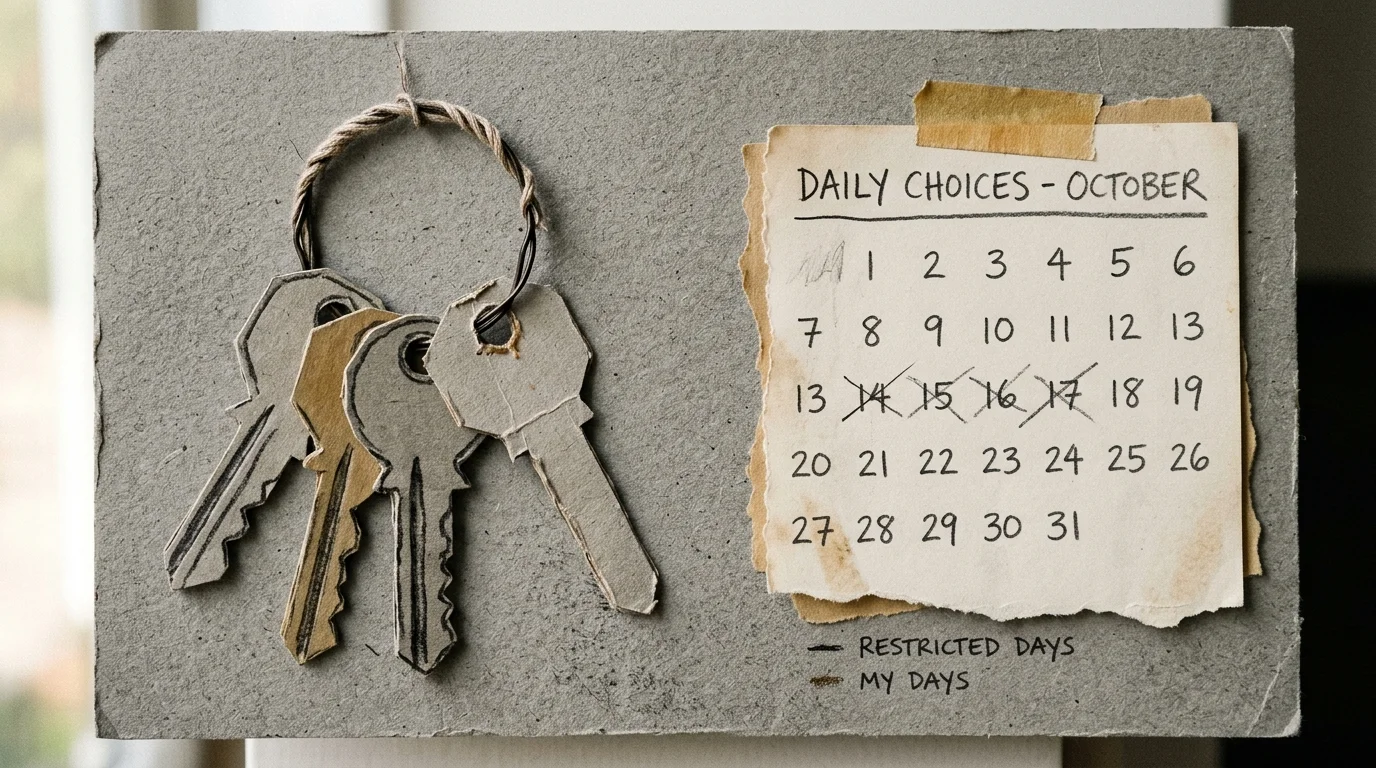
3. They micromanage your daily choices and autonomy
In this dynamic, your spouse treats you less like an equal partner and more like a subordinate. They might dictate what you wear, what you eat, or exactly how you complete household chores; any deviation from their preferred method inevitably results in conflict or lectures. Healthy couples share the mental load and trust each other’s basic competence. A controlling partner, however, feels an overwhelming need to manage every variable of your shared life, stripping you of your agency and making you feel like a child in your own home.
4. They disguise constant criticism as “just trying to help”
The phrase “I’m only telling you this for your own good” is a common tool in the controlling partner’s arsenal. They chip away at your self-esteem by constantly correcting your behavior, critiquing your appearance, or pointing out your perceived flaws. Because it is framed as care, constructive feedback, or helpful advice, you might start believing that you truly are incapable or incompetent without their constant guidance. Over months and years, this relentless criticism hollows out your self-worth.
5. They weaponize guilt to manipulate your boundaries
Controlling spouses are often masters of emotional blackmail. When you try to assert a need or set a boundary, they flip the script, playing the victim to make you feel guilty. If you want a night out with friends, they might sulk and say, “I guess I’ll just sit here alone and be miserable while you have fun.” This conditions you to abandon your own needs to keep the peace.
“Daring to set boundaries is about having the courage to love ourselves, even when we risk disappointing others.” — Brené Brown, PhD, MSW
When your spouse routinely punishes you for setting boundaries, they are actively demanding that you abandon yourself to serve their comfort.
6. They invade your privacy and demand full access
In a healthy marriage, partners respect each other’s private thoughts and personal space. A controlling spouse feels entitled to every piece of your life. They might demand the passwords to your phone and social media accounts, read your personal journals, or track your physical location without your consent. They often justify this invasive behavior under the guise of “total honesty,” “accountability,” or “building trust.” However, genuine trust does not require constant surveillance or a complete lack of privacy.
7. They make their love and affection conditional
Love should never be a transaction. Controlling partners, however, frequently use affection, intimacy, and approval as a reward system for your compliance. If you do exactly what they want, they might shower you with praise, gifts, and physical affection. But the moment you disagree or step out of line, they withdraw entirely, punishing you with the silent treatment, coldness, or explicit rejection until you break down and apologize for things you did not do wrong.
8. They display extreme jealousy and make baseless accusations
While a fleeting moment of jealousy is a normal human emotion, a controlling spouse uses jealousy as a persistent weapon. They might accuse you of flirting with a coworker, interrogate you about innocent interactions with a cashier, or demand to know exactly who you spoke to while you were out running errands. This baseless suspicion often forces you to shrink your world, avoiding benign social interactions entirely just to prevent another exhausting interrogation.
9. They twist reality and deny your experiences
Gaslighting is a severe psychological manipulation tactic designed to make you doubt your own memory, perception, and sanity. If you confront your spouse about their hurtful behavior, they might confidently assert, “That never happened,” “You’re remembering it entirely wrong,” or “You’re just being too sensitive.” By constantly rewriting reality and refusing to acknowledge objective facts, they position themselves as the sole authority on what is true, leaving you perpetually confused and unmoored.
10. They pressure you into physical or emotional compliance
Control extends into your most intimate emotional and physical boundaries. A controlling partner may pressure you into sexual intimacy when you are tired or uninterested, or coerce you into making major life decisions—like having a child, moving across the country, or quitting your job—before you are fully ready. They wear you down with relentless pressure, persistent nagging, or thinly veiled threats until you finally give in just to stop the ongoing argument.
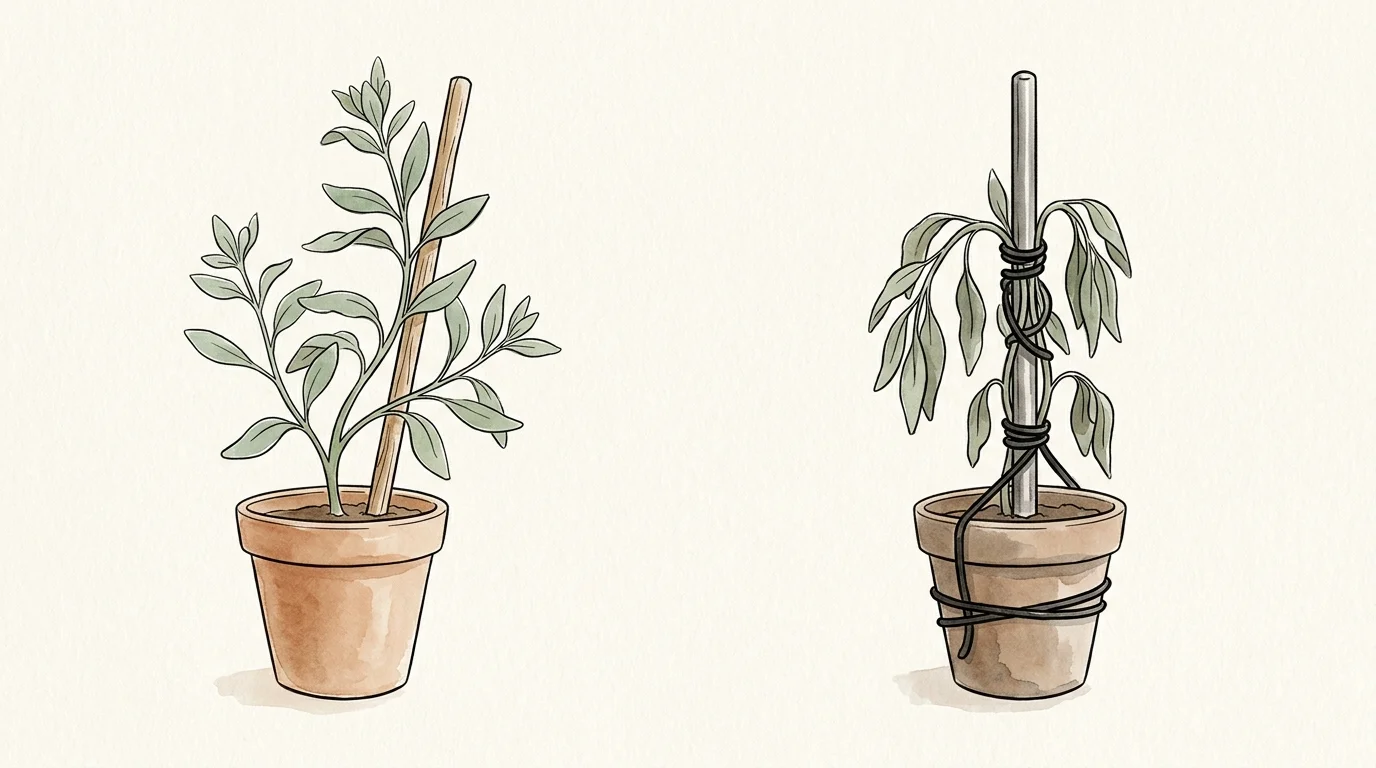
Healthy Influence vs. Unhealthy Control
It can be challenging to differentiate between a partner who is genuinely invested in your well-being and one who is trying to control you. This table breaks down the core differences between healthy influence and unhealthy control.
| Relationship Dynamic | Healthy Influence | Unhealthy Control |
|---|---|---|
| Decision Making | You make significant choices collaboratively, with both voices holding equal weight. | One partner makes the final call, often dismissing your input or overriding your preferences. |
| Disagreements | Differences of opinion are respected and discussed without fear of retaliation. | Disagreements are treated as betrayals, resulting in explosive anger or the silent treatment. |
| Personal Space | Time apart is encouraged; you both maintain independent friendships and hobbies. | Time away is viewed with suspicion; independence is framed as a threat to the relationship. |
| Accountability | Both partners readily apologize and work to repair the relationship after a misstep. | The controlling partner rarely apologizes, routinely shifting the blame onto you. |

Common Misconceptions About Controlling Relationships
Misunderstanding how control operates keeps many people trapped in unhealthy dynamics. Addressing these myths is essential for seeing your situation clearly.
- Misconception: Control is always physical or loud.
Reality: Coercive control is primarily psychological and emotional. It often leaves no visible scars, utilizing quiet manipulation, guilt, and subtle isolation that can cause profound long-term trauma. In fact, many states are now expanding their legal definitions of domestic violence to explicitly include non-physical coercive control. - Misconception: You can just “communicate your way out” of it.
Reality: Healthy communication requires two people willing to take accountability. You cannot fix a fundamental power imbalance with better “I statements” or active listening exercises if your partner refuses to relinquish their control. - Misconception: Controlling partners act that way because they love you too much.
Reality: Control is not a symptom of intense love or passion; it is driven by a need for dominance and a deep-seated fear of losing power. True love requires profound respect for the other person’s autonomy. - Misconception: It only happens to people who are “weak.”
Reality: Controlling relationships can happen to anyone, regardless of intelligence, education, or career success. Abusers often intentionally target empathetic, highly capable individuals and slowly erode their boundaries over time.

Finding the Right Professional Help
When you realize you are dealing with a controlling spouse, the path forward can feel incredibly daunting. Reaching out to a mental health professional is often necessary to gain clarity, unlearn manipulative narratives, and rebuild your self-esteem. According to the American Psychological Association (APA), talking to a qualified therapist offers a safe, neutral space to process complex relationship dynamics.
Consider seeking professional support if you experience any of the following scenarios:
- You feel entirely isolated and disconnected from your original support system of friends and family.
- You constantly doubt your own reality, memory, or sanity due to frequent gaslighting.
- You experience persistent anxiety or fear regarding your partner’s reaction to your everyday, mundane decisions.
- Your partner uses finances, legal threats, or your children to restrict your choices and force your compliance.
Important Note on Therapy: If you are experiencing active coercive control, emotional abuse, or physical fear, professional guidelines strongly recommend individual therapy over couples counseling. Traditional marriage therapy assumes a baseline of equal power and mutual respect; in a controlling dynamic, the abusive partner may use the therapy sessions to learn new vulnerabilities to exploit or punish you afterward.
Frequently Asked Questions
Why do controlling spouses act the way they do?
Controlling behavior is typically rooted in a deep-seated need for power, coupled with a profound fear of vulnerability or abandonment. Rather than managing their own insecurities, a controlling partner attempts to manage their environment—which includes controlling you. While past trauma or mental health issues can provide context for their behavior, these factors do not excuse the abuse or make it your responsibility to fix.
Can a controlling spouse change?
Change is only possible if the controlling partner genuinely acknowledges their abusive behavior, takes full accountability without blaming you, and commits to long-term, specialized professional intervention (such as a batterer intervention program, rather than standard couples therapy). Unfortunately, because control is rooted in a sense of entitlement, true change is exceedingly rare.
How do I safely set boundaries with a controlling partner?
Setting boundaries with a highly controlling partner can sometimes escalate their behavior, as they feel their power slipping. It is crucial to prioritize your physical and emotional safety. Start by seeking support from a licensed therapist or contacting an advocate at the National Domestic Violence Hotline. They can help you create a personalized safety plan before you attempt to assert significant boundaries.
Taking the Next Step
Living with a controlling spouse slowly drains your energy, confidence, and sense of self. Acknowledging that the dynamic is unhealthy is incredibly difficult, especially when the control is wrapped in the guise of love or protection. Remember that your thoughts, feelings, and boundaries matter. You do not have to untangle this complex web alone; reaching out to trusted friends, family, or a professional is a brave and necessary step toward healing.
This article provides general educational information about psychology and relationships. It is not a substitute for professional therapy or medical advice. Everyone’s situation is unique—if you’re struggling, please reach out to a licensed mental health professional or a local domestic violence advocate.
Last updated: July 2026. Psychology research evolves continuously—verify current findings with professional sources.









Leave a Reply