
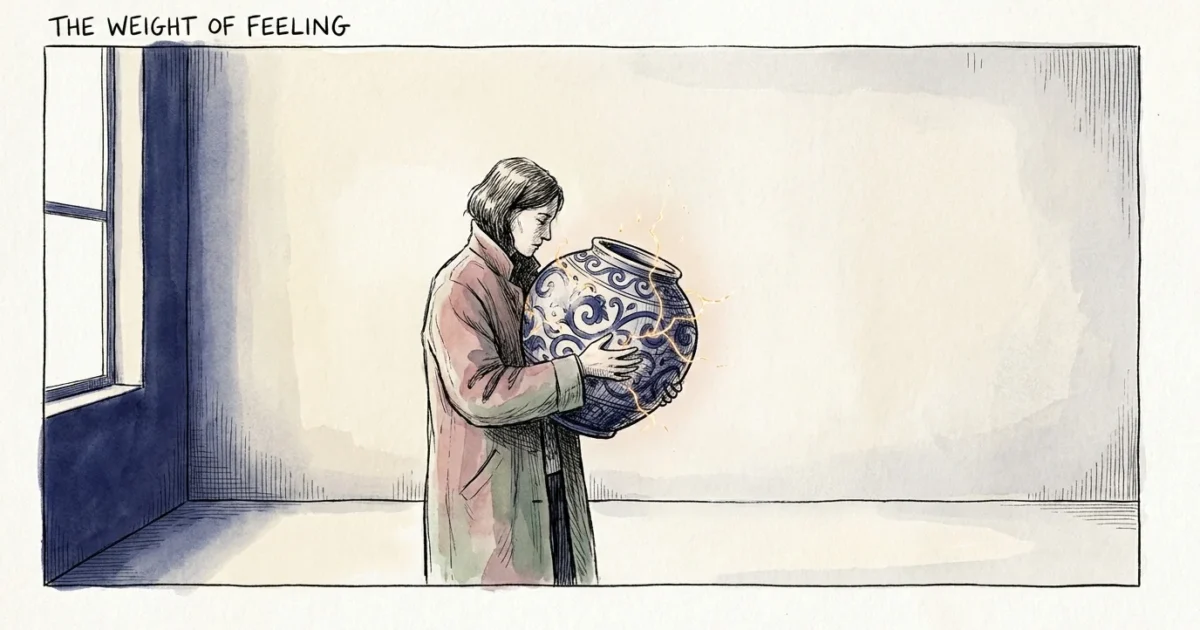
The person who handles every crisis and rarely asks for help is often the one closest to a sudden emotional collapse. When you chronically suppress your needs to maintain a facade of strength, you aren’t resolving stress; you are simply storing it. This pattern of hyper-independence creates a mounting internal pressure—known clinically as allostatic load—which inevitably demands a release. Research shows that unrelenting self-reliance doesn’t make you bulletproof. Instead, it leaves you vulnerable to burnout, physical illness, and unexpected emotional eruptions. Understanding the hidden mechanics behind why you pretend to be okay is the first step toward breaking the cycle and finding sustainable emotional stability before your breaking point arrives.
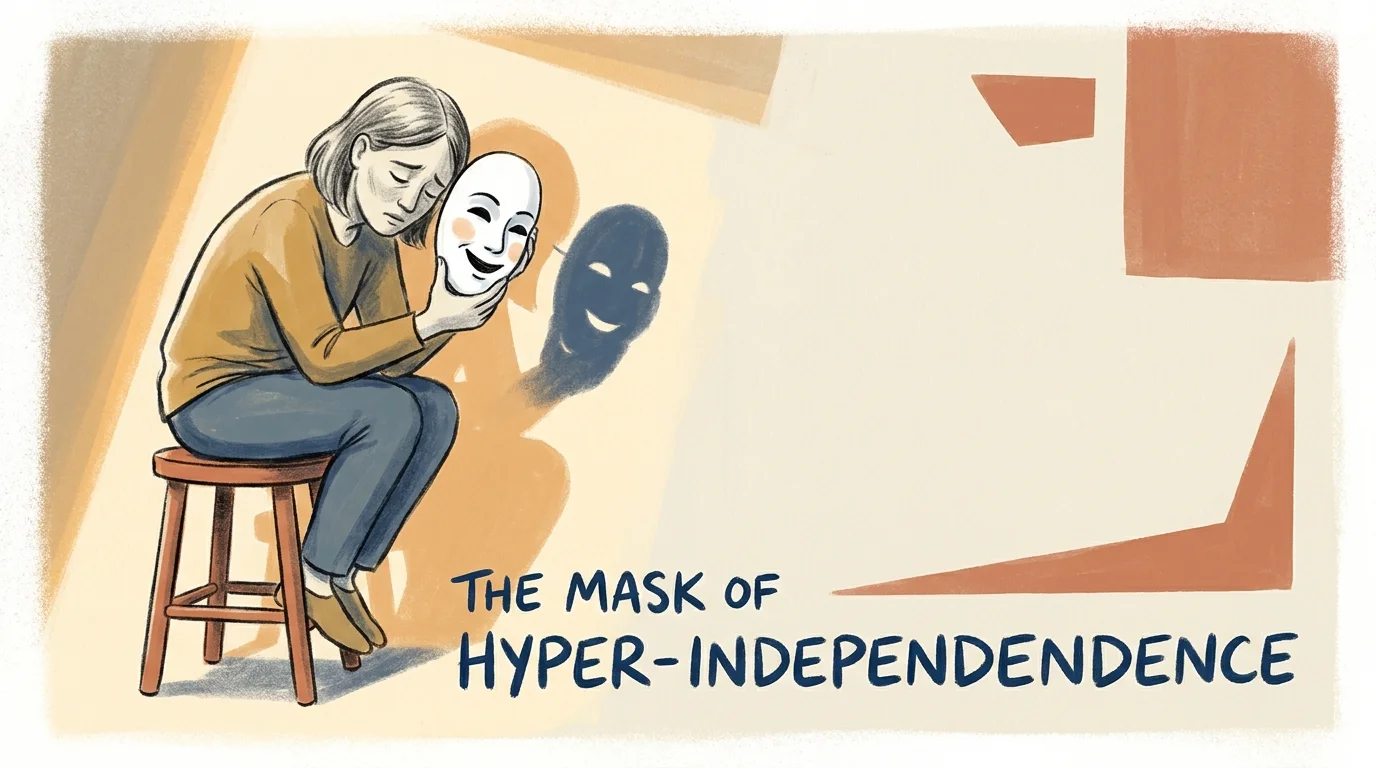
The Mask of Hyper-Independence
If you identify as the “strong friend” or the person who easily handles the heavy lifting in your relationships, you likely view your self-sufficiency as a core personality trait. However, psychological research paints a different picture. Extreme self-reliance, commonly referred to as hyper-independence, often functions as an avoidant coping mechanism. You do not handle everything alone because you necessarily want to; you handle it alone because deep down, your nervous system associates relying on others with danger, disappointment, or abandonment.
Hyper-independence frequently emerges as a trauma response. For many adults, this pattern traces back to a dynamic known as parentification, a form of childhood trauma where the traditional roles of caregiver and child are reversed. If you grew up managing the emotional or physical needs of the adults around you, you learned a harsh lesson early on: you cannot depend on others to catch you. Over time, this conditioning solidifies into a rigid defensive structure. You learn to project an image of invulnerability to prevent anyone from seeing your core wounds.
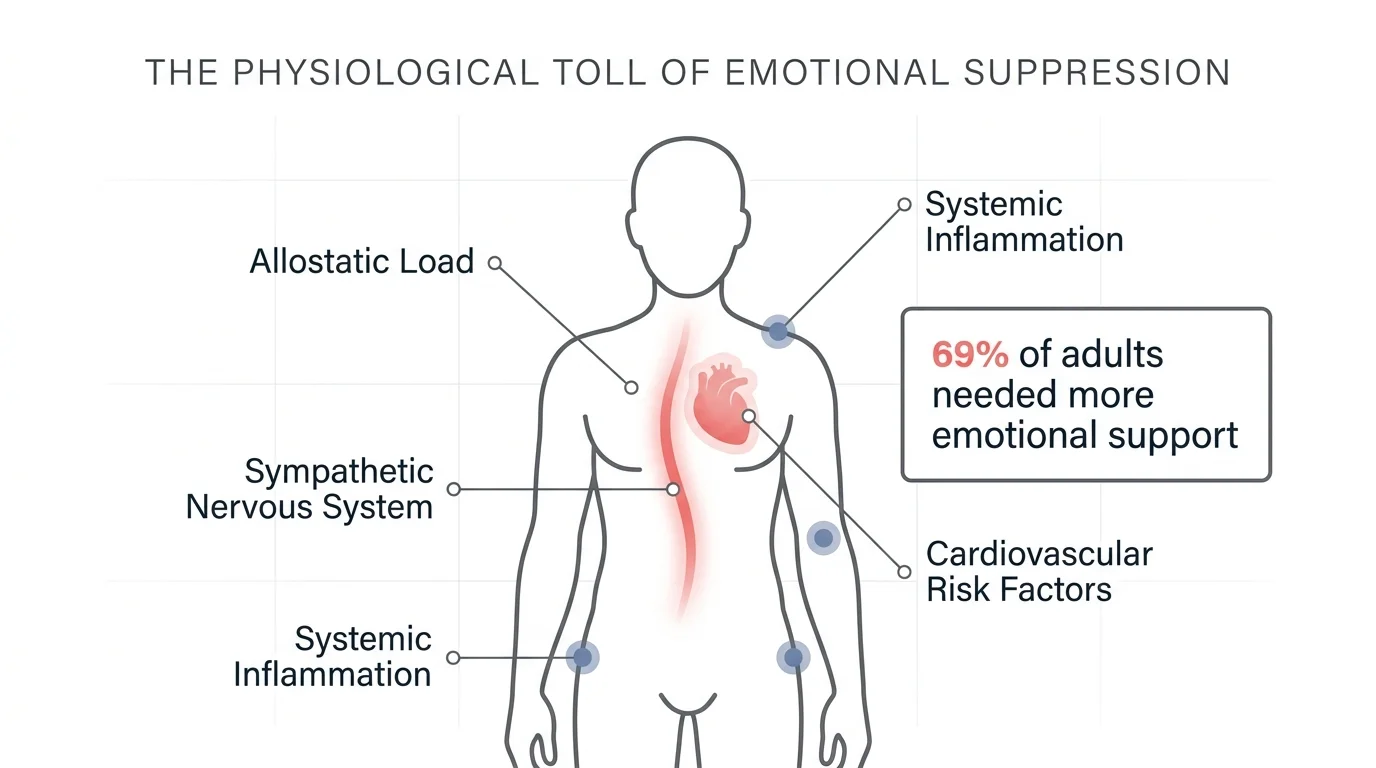
The paradox of hyper-independence is that while it protects you from the immediate vulnerability of rejection, it virtually guarantees profound loneliness. The American Psychological Association’s 2025 Stress in America report found that 69% of adults said they needed more emotional support in the past year than they received, highlighting a widespread crisis of connection. When you constantly broadcast that you are fine, the people around you believe the narrative. They stop checking in, assuming you simply do not need the support that you are secretly starving for.
The Science of Emotional Bottling: What Happens in Your Body
Emotions are not just abstract mental concepts; they are tangible physiological events that require energy to process. When you feel an emotion—such as fear, grief, or frustration—your nervous system activates, altering your heart rate, breathing, and hormonal balance. When you actively choose to ignore or push down these feelings, you engage in emotional suppression.
Psychological studies consistently show that while emotional suppression might help you get through a difficult meeting or navigate a tense family dinner, it wreaks havoc on your body when used chronically. Psychologists and neurobiologists refer to this biological toll as allostatic load—the cumulative wear and tear on your body resulting from chronic stress exposure. When you never allow yourself to take off your emotional armor, your brain remains in a subtle, persistent state of predictive threat regulation.
This persistent state requires immense metabolic energy and directly impacts your cardiovascular system. Recent psychophysiological reviews confirm that chronic emotional suppression keeps the sympathetic nervous system continually activated. This means that while your outward demeanor remains calm, your body is effectively running a marathon. Over time, this heightened physiological state significantly elevates cardiovascular risk factors, increases systemic inflammation, and suppresses immune function. You might be tricking your friends into thinking you are fine, but you cannot trick your nervous system.
Myths Worth Debunking
To break free from the cycle of emotional suppression, you first have to unlearn the ingrained societal myths that keep you trapped in the “always fine” narrative.
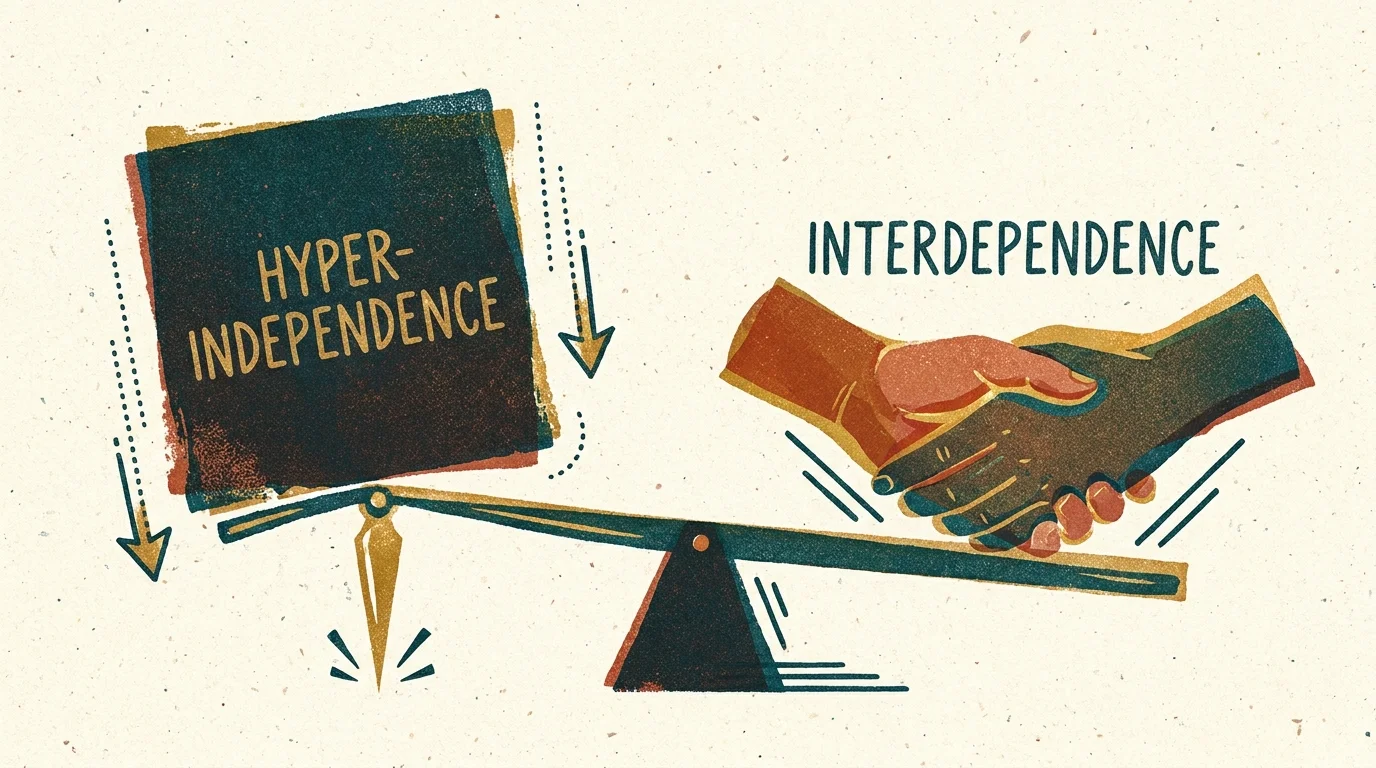
- Myth: Needing help makes you a burden. The reality is that mutual dependence is the foundation of human connection. When you refuse to let others support you, you actively block intimacy. Allowing people to be there for you does not make you a burden; it allows others to feel valued and trusted in your life.
- Myth: Compartmentalizing your emotions makes them disappear. Pushing a difficult emotion aside does not delete it from your nervous system. Unprocessed emotions are simply deferred. They remain stored in the body, continuously building pressure until an inevitable release occurs.
- Myth: An emotional breakdown is a sign of weakness. A sudden emotional collapse does not mean you lack resilience; it simply means your container is full. When a dam breaks, it is not because the concrete was inherently flawed—it is because the pressure behind it exceeded the structural capacity.

The Eruption: What the Breaking Point Looks Like
The defining characteristic of the person who is “always fine” is the sudden, stark contrast of the breaking point. Because you do not release emotional pressure in small, manageable doses, the eventual eruption can appear disproportionate to the triggering event. The breaking point rarely arrives during a massive life crisis—you have been trained to lock down and manage crises. Instead, the collapse usually happens over something incredibly mundane.
You might find yourself sobbing uncontrollably because you dropped a spoon in the kitchen, or experiencing a sudden surge of blind rage because a colleague sent a mildly annoying email. Because the trigger is small, you may feel deeply irrational when the eruption occurs. However, the reaction is entirely logical. You are not crying over the spoon; you are crying over months, or even years, of unmet needs, unexpressed grief, and the sheer exhaustion of having to be strong all the time.
The breaking point can also manifest somatically. When the mind refuses to process the stress, the body will force a shutdown. This often looks like sudden, debilitating fatigue, severe migraines, digestive issues, or chronic pain. When you do not consciously choose to rest and process your feelings, your biology will eventually make the choice for you.

From Suppressing to Processing: Real-Time Emotional Regulation
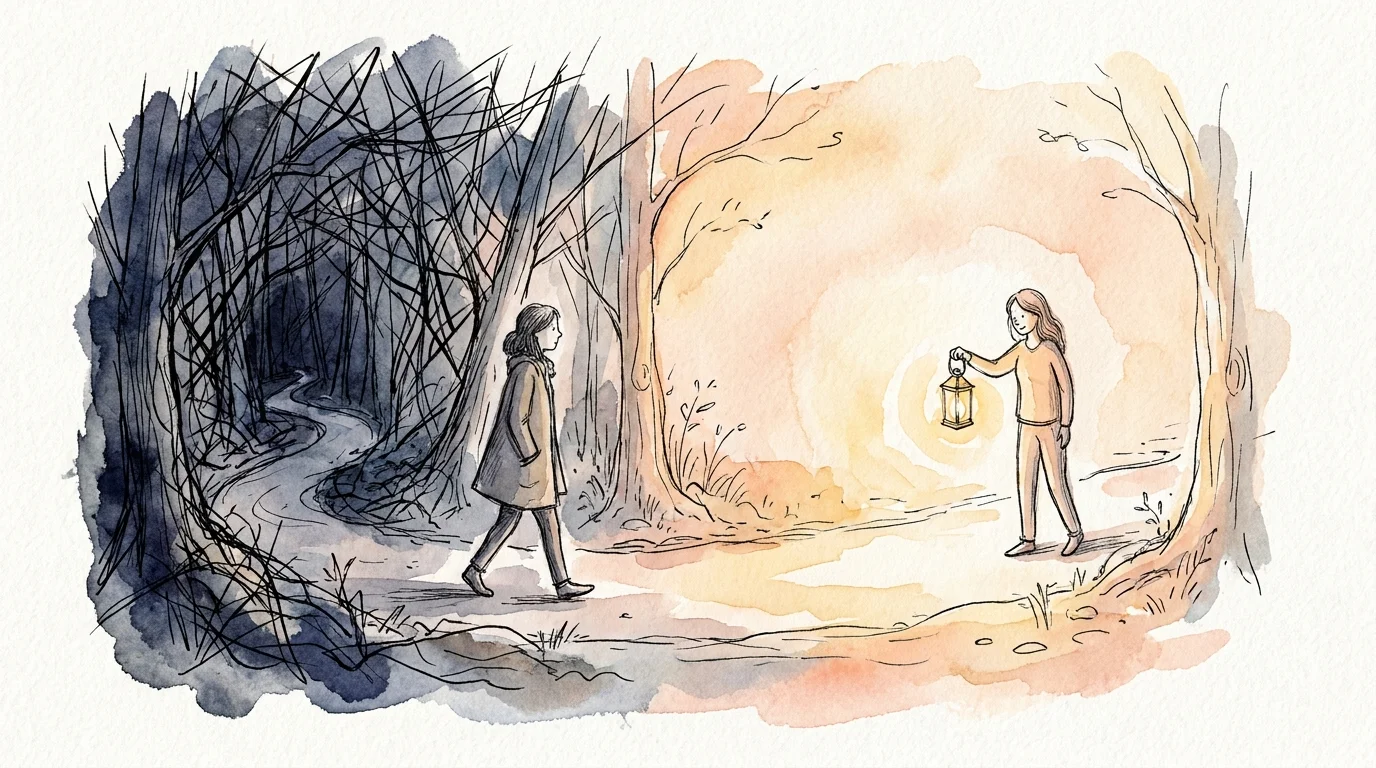
Transitioning away from a state of hyper-independence requires you to fundamentally change your relationship with vulnerability. It involves learning how to release the pressure valve slowly and consistently, rather than waiting for an explosion.
“Vulnerability sounds like truth and feels like courage. Truth and courage aren’t always comfortable, but they’re never weakness.” — Brené Brown, Ph.D.
Here are practical ways to begin processing your emotions in real-time:
- Practice the “Micro-Disclosure”: You do not need to share your deepest traumas all at once. Start by admitting small truths to safe people. If someone asks how you are, try saying, “I’m actually a little overwhelmed today,” instead of defaulting to “I’m good.”
- Implement Somatic Check-Ins: Because emotional suppression disconnects you from your body, you need to actively rebuild that bridge. Set a timer twice a day to sit quietly and scan your body. Notice where you are holding tension—your jaw, your shoulders, your chest—and consciously practice releasing those muscles.
- De-stigmatize Your Own Needs: Pay attention to your internal dialogue when you realize you need help. If you notice a harsh inner critic calling you weak, intentionally replace that narrative. Remind yourself that relying on others is a biological imperative, not a character flaw.
- Schedule Emotional Down-Regulation: Do not wait for exhaustion to force you to rest. Build proactive down-regulation into your daily routine. This could be ten minutes of deep breathing, journaling without filtering your thoughts, or going for a walk without your phone.
To help you recognize the difference between bottling and processing, consider this breakdown:
| Trait | Emotional Suppression (“I’m Fine”) | Emotional Processing (“I’m Struggling”) |
|---|---|---|
| Physical Response | Muscle tension, shallow breathing, continuously elevated heart rate | Deep sighs, crying, eventual nervous system down-regulation |
| Social Impact | Creates invisible walls, limits true intimacy, isolates the individual | Fosters authentic connection, invites empathy, builds reciprocal trust |
| Long-Term Outcome | Burnout, high allostatic load, unexpected emotional eruptions | Sustainable resilience, emotional agility, decreased systemic stress |
Signs It’s Time to Talk to a Therapist
While developing new emotional habits takes time, certain indicators suggest that your coping mechanisms are actively harming your well-being. Consider reaching out to a licensed mental health professional if you experience any of the following:
- Chronic Physical Symptoms: You frequently deal with unexplained headaches, gastrointestinal distress, or pervasive fatigue that medical doctors cannot link to a specific physical illness.
- Emotional Numbness: You find it difficult to feel joy, excitement, or gratitude. When you numb hard feelings, you inadvertently numb the positive ones, leaving you feeling hollow or disconnected.
- Intense Isolation: The thought of letting someone see your struggles causes you severe anxiety, leading you to pull away from relationships and isolate yourself entirely.
- Destructive Self-Soothing: You rely heavily on alcohol, substance use, disordered eating, or compulsive working to distract yourself from an underlying sense of dread or overwhelm.
Frequently Asked Questions
Is it possible to be too independent?
Yes. While healthy independence allows you to navigate life autonomously, hyper-independence is an extreme variation where you categorically refuse support, even when you genuinely need it. This excessive self-reliance often stems from a fear of vulnerability or past experiences where depending on others proved unsafe.
Why do I get angry when people ask if I’m okay?
If you have spent your life meticulously building a defensive wall, someone trying to peek behind it can feel like a threat. Anger is a secondary emotion—it frequently masks a deeper fear of exposure or a subconscious panic that if you acknowledge your true feelings, you might completely fall apart.
How do I stop being the “strong friend”?
You stop by allowing yourself to step out of the designated role. Begin by setting boundaries around the emotional labor you do for others. Then, practice letting people show up for you. It will feel uncomfortable at first, but sharing your own struggles invites your friends into a more balanced, mutually supportive dynamic.
Your emotional landscape deserves the exact same care and attention you so readily offer to everyone else in your life. Letting the mask drop is undoubtedly terrifying, but it is the only way to build a reality where you do not have to constantly pretend to be invincible. You do not have to carry it all alone.
This article provides general educational information about psychology and relationships. It is not a substitute for professional therapy or medical advice. Everyone’s situation is unique—if you’re struggling, please reach out to a licensed mental health professional.
Last updated: February 2026. Psychology research evolves continuously—verify current findings with professional sources.






Leave a Reply