Psychology Diary

The First Step Toward Change Is Awareness

  • Home
  • Relationships
  • Mental Health
  • Expert Tips
  • Life
  • Family
  • Marriage

The Power of Forgiveness: How Letting Go Can Improve Your Mental Health

August 31, 2025 · Mental Health

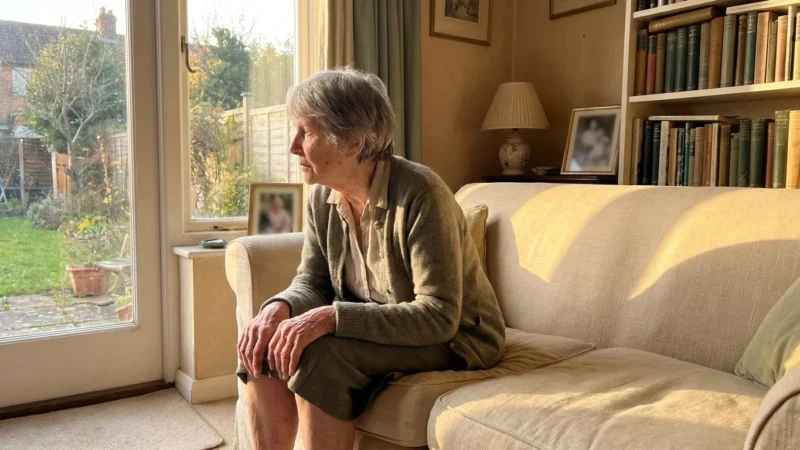
Senior woman closing a journal after writing.

Special Considerations for Older Adults and Caregivers

The journey of forgiveness can take on unique dimensions in later life and for those in caregiving roles. Life experience, changing family dynamics, and the specific stressors of these roles all shape the process.

Forgiveness in Later Life

As people age, they often engage in a process of life review, looking back over their experiences, relationships, and choices. This can bring long-dormant hurts and resentments to the surface, sometimes involving family members, spouses, or friends from decades ago. Forgiveness can be a powerful tool for finding peace and closure during this stage of life.

Letting go of old grievances can also be a vital step in combating loneliness, which is a significant health risk for older adults. Holding a grudge can isolate you from family members or old friends who could otherwise be a source of connection and support. Forgiveness, even without reconciliation, can open the door to a more peaceful inner life and a greater willingness to engage with the world.

It’s also important for older adults to remember that changes in mood or emotional state can sometimes have physical roots. Before embarking on a deep psychological journey, it’s wise to check in with a primary care doctor to rule out other factors. Issues like medication side effects, hearing or vision loss, or other health conditions can sometimes manifest as irritability or sadness.

A Note for Caregivers

Caregiving is an incredibly demanding role, often filled with stress, exhaustion, and a complex mix of emotions. In this context, forgiveness often needs to be directed inward and outward.

Self-forgiveness for caregivers is essential. You may feel guilty for moments of impatience, frustration, or for wanting a break. It is crucial to forgive yourself for not being perfect. You are human, and caregiving is one of the most difficult jobs there is. Acknowledging your limits and offering yourself compassion is not a weakness; it is a vital part of preventing burnout.

Forgiving others can also be a challenge. You may feel resentment toward family members who aren’t helping as much as you’d like, or toward the person you are caring for if their illness causes difficult behaviors. Practicing the steps of forgiveness can help release this anger so it doesn’t consume you. This might involve setting firm but kind boundaries. For example, instead of silently fuming at a sibling, you might say, “I am feeling overwhelmed. I need you to take over for me on Saturday from 10 a.m. to 2 p.m. so I can have a break.”

Caregivers must prioritize their own mental wellness to be able to continue providing care. Resources and support groups can be invaluable. The Substance Abuse and Mental Health Services Administration (SAMHSA) offers resources for families and caregivers seeking support.


Pages: 1 2 3 4 5 6 7 8 9 10

Share this article

Facebook Twitter Pinterest LinkedIn Email

Leave a Reply Cancel reply

Your email address will not be published. Required fields are marked *

Search

Latest Posts

  • A mixed media collage of a silhouette filled with torn paper and translucent layers, symbolizing the invisible nature of emotional neglect. 10 Traits of People Emotionally Neglected as Kids
  • A mixed-media collage showing a rigid, golden silhouette with cracks revealing a soft, watercolor interior, representing performative armor. 7 Behaviors People Mistake For Confidence But Aren’t
  • A woman sits alone at a kitchen table in dim evening light while her partner stands in the background, illustrating emotional distance. 9 Psychological Reasons Why People Stay in Unhappy Relationships
  • An illustration of a person using a prism to turn a chaotic blue wave into a clear spectrum of distinct colors. 10 Signs You Have Exceptionally High Emotional Intelligence
  • A mixed-media collage of an older person's profile filled with childhood drawings and school reports, representing deep-seated habits. 8 Childhood Habits That Still Secretly Shape Your Personality After 60
  • An abstract mixed-media piece showing bright yellow and orange splashes like a laugh, covering a dark, dense gray background. 7 Signs Someone Uses Humor To Avoid Serious Conversations
  • Two friends sitting at a kitchen table, unconsciously mirroring each other's posture by resting their chins on their hands. 7 Signs Someone Mirrors Your Personality Without Realizing It
  • A woman laughs at her phone while her friend sits beside her on a sofa with a forced, thin smile and envious eyes. 7 Friendship Behaviors That Reveal Hidden Jealousy
  • A mixed media collage showing a glowing smartphone screen inside a mirror frame, casting a shadow of a staged performance on a curtain. 7 Signs Someone Is Performing Kindness For Attention
  • A mixed media collage of a person in a theatrical spotlight while their partner sits in the shadows of a theater audience. 7 Signs Someone Loves Attention More Than They Love You

Newsletter

Get the latest posts delivered to your inbox.

Related Articles

Dementia vs. Schizophrenia adult

Is It Schizophrenia or Dementia? 5 Signs Explained

Do you feel more forgetful or confused lately? You may deal with Schizophrenia or Dementia!…

Read More →
mental health

9 Ways to Improve Your Mental Health NOW

How important is mental health for you? Whether we watch TV, scroll through social media,…

Read More →
schizophrenia

6 Risk Factors for Schizophrenia Every Senior Must Know

Hallucinations Hallucinations involve fictitious experiences. Hearing voices is the most common hallucination in people with…

Read More →
A senior woman sits alone on her sofa in warm afternoon light, looking out the window with a pensive and slightly anxious expression.

Why Anxiety in Seniors Is Often Overlooked—and How to Get Help

Discover why anxiety in older adults is frequently overlooked, learn to recognize the physical signs,…

Read More →
Lonely, frienship, feel

Feeling Lonely? Here Are 8 Genius Ways to Combat Isolation in Retirement

If you or an elderly person you love has been feeling lonely, this article’s for…

Read More →
Woman looking out window in sunlit room.

Understanding Seasonal Affective Disorder (SAD) in Older Adults

A Note for Caregivers and Family Members Watching a loved one struggle with SAD can…

Read More →
Paranoid Disorder

10 Silent Signs of Paranoid Personality Disorder

Paranoid Personality Disorder, or PPD, is one of those mental health conditions that often flies…

Read More →

Misdiagnosed Mental Illnesses: 4 Shocking Ones Commonly Overlooked

Depression in Men We all know that one of the main symptoms of depression is…

Read More →
Fashion Therapy

Fashion Therapy: 8 Exciting Ways Clothes Can Lift Your Spirits

We’re taking fashion therapy to a whole new level, folks! Have you ever noticed how…

Read More →

Psychology Diary

The First Step Toward Change Is Awareness

Inedit Agency S.R.L.
Bucharest, Romania

contact@psychologydiary.com

Explore

  • About Us
  • Advertiser Disclosure
  • Contact Us
  • Disclaimer
  • Do not sell my personal information
  • Editorial Policy
  • Frequently Asked Questions
  • Privacy Policy
  • Terms and Conditions
  • Subscribe
  • Unsubscribe

Categories

  • Expert Tips
  • Family
  • Life
  • Marriage
  • Mental Health

© 2026 Psychology Diary. All rights reserved.