Psychology Diary

The First Step Toward Change Is Awareness

  • Home
  • Relationships
  • Mental Health
  • Expert Tips
  • Life
  • Family
  • Marriage

8 Tips for De-Stressing After a Conflict

July 25, 2023 · Mental Health
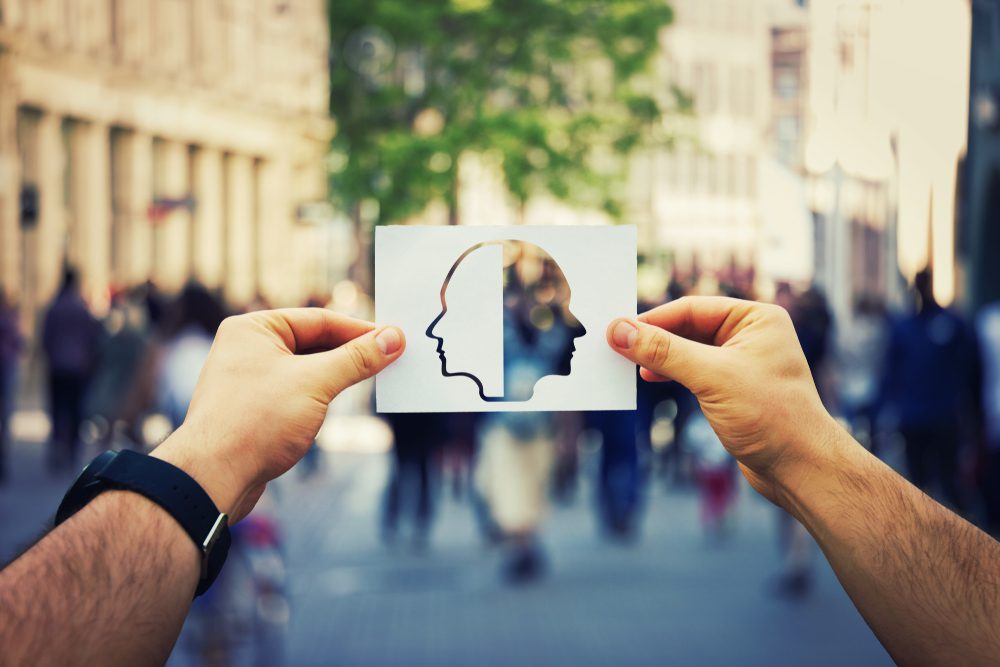
tips for de-stressing
Photo by Luis Molinero from Shutterstock

5. Listen to some soothing music that you enjoy

…Aah music! One of the best tips for de-stressing that therapists gave us was to listen to music after a huge fight. You may not be in the mood for something cheerful, but don’t go down the rabbit hole and start listening to sad tunes! Since music is a real mood changer and it’s also therapeutic, look for soothing, calming tunes, some lo-fi or tracks without any lyrics, even white noise can be very distressing.

If you want to experience the music you love at its best, you’re going to need some noise-canceling headphones. Check out the ones from Philips that are wireless and also foldable. They cost only $49.99 on Amazon, and we’d say it’s a great bargain for some professional headphones! 

6. Express calm through your body

We concluded that one of the best tips for de-stressing after a conflict is to stay calm, no matter how much the situation escalates. And when you strive to achieve that, you should also express it physically. Reduce the volume of your voice, relax your shoulders, raise your palms, relax your face, and if appropriate, try a quick grin. Additionally, do your best to interact with and illuminate your face through your eyes. Your adversary must see you as comfortable, since only then can you start speaking properly.

Pages: 1 2 3 4 5 6

Share this article

Facebook Twitter Pinterest LinkedIn Email

Leave a Reply Cancel reply

Your email address will not be published. Required fields are marked *

Search

Latest Posts

  • An unposed photo of a man sitting at a kitchen table looking slightly guarded during a quiet, intimate conversation. 8 Body Language Clusters That Indicate Someone Is Holding Back the Truth
  • An ink and watercolor illustration of a morning coffee cup on a wooden table with a gentle ripple, symbolizing subtle early changes. 7 Subtle Signs of Parkinson's Disease in the Early Stages
  • An editorial illustration of a silhouette standing on a fractured path, with a hand gently unravelling a thread from its shoulder. 8 Hidden Signs of Emotional Manipulation in a Relationship
  • Gouache illustration of a couple walking hand-in-hand through a vibrant landscape of overlapping colorful plants and abstract shapes. The 5 Love Languages Revisited: What Really Keeps Couples Close
  • A watercolor illustration of two people on an uneven seesaw, symbolizing a lopsided, selfish relationship dynamic. 10 Signs Someone May Be More Selfish Than They Realize
  • An editorial ink and watercolor illustration of a lonely figure fading into soft gray washes, symbolizing emotional vulnerability. 10 Warning Signs You May Be in an Emotionally Abusive Relationship
  • A couple sits on opposite ends of a long sofa in a dimly lit living room, staring away from each other with a large physical gap between the 10 Signs You're No Longer Connected to Your Partner
  • Editorial ink and watercolor illustration of a person wearing a suit of mirrors as protective armor, symbolizing defensive ego preservation. 9 Signs You Struggle to Admit Mistakes
  • A conceptual mixed-media collage showing dark, chaotic textures emerging from a clean paper silhouette, symbolizing hidden guilt leaking out 7 Signs Someone May Feel Guilty About Something
  • An editorial illustration of a person sitting at a table with a root system growing from their chair into the floorboards. The Mental Symptoms Many People Ignore Until It's Too Late

Newsletter

Get the latest posts delivered to your inbox.

Related Articles

toxic friendship

How to Spot Toxic Friendships Before They Drain You

Talking about toxic friendships? How they really are, how they mess with peace of mind,…

Read More →
A senior woman sits alone on her sofa in warm afternoon light, looking out the window with a pensive and slightly anxious expression.

Why Anxiety in Seniors Is Often Overlooked—and How to Get Help

Discover why anxiety in older adults is frequently overlooked, learn to recognize the physical signs,…

Read More →
Two hands clasped together, showing support.

How to Support a Partner or Friend Experiencing a Mental Health Crisis

Practical Support in the Moment: Co-Regulation and Grounding During a moment of high anxiety, panic,…

Read More →
stay calm during election

9 Ways to Stay Calm During Election Season

Stay calm during election season by following these steps: With whom am I going to…

Read More →
Woman looking out window in sunlit room.

Understanding Seasonal Affective Disorder (SAD) in Older Adults

Practical Self-Care Strategies: How to Treat the Winter Blues at Home While professional treatment is…

Read More →
crying is good

10 Ways Crying Affects Your Mind and Body

When was the last time you cried? Crying is good because it helps us let…

Read More →
Dementia myth

Subtle Signs of Dementia: 6 Important Things You Need to Know

4. Changes In Behavior Leading To Depression Are you, or a person you care about,…

Read More →
An editorial illustration of a person sitting at a table with a root system growing from their chair into the floorboards.

The Mental Symptoms Many People Ignore Until It’s Too Late

Discover the hidden physical, cognitive, and emotional warning signs of mental exhaustion and learn practical…

Read More →
Bipolar Disorder

Bipolar Disorder and the 6 Vicious Myths Surrounding It

How Much Do You Know About Bipolar Disorder? When it comes to bipolar disorder, there…

Read More →

Psychology Diary

The First Step Toward Change Is Awareness

Inedit Agency S.R.L.
Bucharest, Romania

contact@psychologydiary.com

Explore

  • About Us
  • Advertiser Disclosure
  • Contact Us
  • Disclaimer
  • Do not sell my personal information
  • Editorial Policy
  • Frequently Asked Questions
  • Privacy Policy
  • Terms and Conditions
  • Subscribe
  • Unsubscribe

Categories

  • Expert Tips
  • Family
  • Life
  • Marriage
  • Mental Health

© 2026 Psychology Diary. All rights reserved.