Psychology Diary

The First Step Toward Change Is Awareness

  • Home
  • Relationships
  • Mental Health
  • Expert Tips
  • Life
  • Family
  • Marriage

Understanding Common Mental Health Challenges in Older Adults

August 31, 2025 · Mental Health

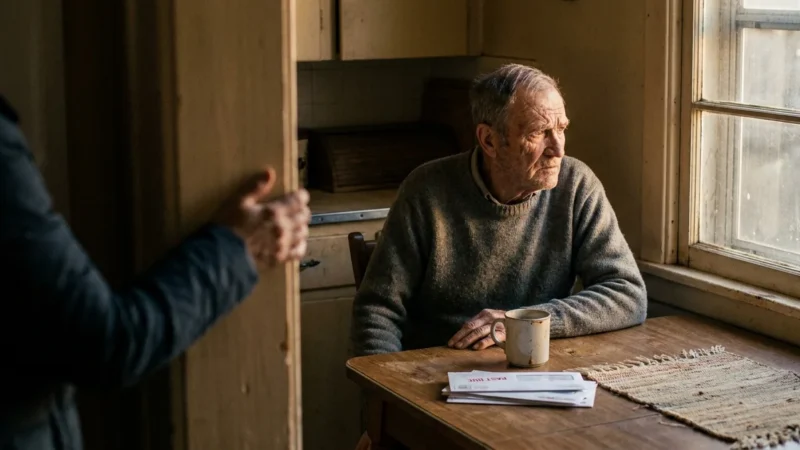
Senior woman looking contemplatively out a window.

Why Mental Health in Later Life Deserves Special Attention

Life after 50, 60, and beyond is often a period of significant transition. While many of these changes are positive, like having more time for hobbies or grandchildren, others can be profoundly challenging. These unique life experiences can create a fertile ground for mental health challenges to emerge, sometimes for the first time.

Factors that can impact an older adult’s mental well-being include:

Physical Health Changes: Living with chronic pain, a new medical diagnosis, or the side effects of medication can be emotionally draining. Conditions like heart disease, diabetes, or arthritis are strongly linked to higher rates of depression. Furthermore, changes in hearing or vision can lead to isolation and frustration, which may look like withdrawal but are rooted in a physical limitation.

Grief and Loss: Later life often involves saying goodbye to spouses, siblings, and lifelong friends. This profound grief is a natural and necessary process, but for some, it can become a persistent state of mourning that disrupts daily life.

Role Transitions: Retirement, while often anticipated, can bring a loss of identity, routine, and social connection that was tied to a career. Children moving away or becoming caregivers for a spouse can also dramatically shift one’s sense of purpose and daily structure.

Social Isolation and Loneliness: As mobility decreases or social circles shrink, loneliness can set in. Research consistently shows that prolonged loneliness is a significant risk factor for both depression and cognitive decline. It’s a quiet struggle that can have a loud impact on overall health.

It’s vital to first rule out physical causes for emotional symptoms. Before assuming that fatigue, apathy, or confusion are purely psychological, it’s essential to consult a primary care physician. They can check for things like thyroid imbalances, vitamin deficiencies (especially B12), urinary tract infections (which can cause sudden confusion in older adults), and medication interactions that can mimic symptoms of depression or anxiety. Think of it as clearing the deck so you can address the emotional components with clarity.
Pages: 1 2 3 4 5 6 7 8 9 10

Share this article

Facebook Twitter Pinterest LinkedIn Email

Leave a Reply Cancel reply

Your email address will not be published. Required fields are marked *

Search

Latest Posts

  • An unposed photo of a man sitting at a kitchen table looking slightly guarded during a quiet, intimate conversation. 8 Body Language Clusters That Indicate Someone Is Holding Back the Truth
  • An ink and watercolor illustration of a morning coffee cup on a wooden table with a gentle ripple, symbolizing subtle early changes. 7 Subtle Signs of Parkinson's Disease in the Early Stages
  • An editorial illustration of a silhouette standing on a fractured path, with a hand gently unravelling a thread from its shoulder. 8 Hidden Signs of Emotional Manipulation in a Relationship
  • Gouache illustration of a couple walking hand-in-hand through a vibrant landscape of overlapping colorful plants and abstract shapes. The 5 Love Languages Revisited: What Really Keeps Couples Close
  • A watercolor illustration of two people on an uneven seesaw, symbolizing a lopsided, selfish relationship dynamic. 10 Signs Someone May Be More Selfish Than They Realize
  • An editorial ink and watercolor illustration of a lonely figure fading into soft gray washes, symbolizing emotional vulnerability. 10 Warning Signs You May Be in an Emotionally Abusive Relationship
  • A couple sits on opposite ends of a long sofa in a dimly lit living room, staring away from each other with a large physical gap between the 10 Signs You're No Longer Connected to Your Partner
  • Editorial ink and watercolor illustration of a person wearing a suit of mirrors as protective armor, symbolizing defensive ego preservation. 9 Signs You Struggle to Admit Mistakes
  • A conceptual mixed-media collage showing dark, chaotic textures emerging from a clean paper silhouette, symbolizing hidden guilt leaking out 7 Signs Someone May Feel Guilty About Something
  • An editorial illustration of a person sitting at a table with a root system growing from their chair into the floorboards. The Mental Symptoms Many People Ignore Until It's Too Late

Newsletter

Get the latest posts delivered to your inbox.

Related Articles

Mood Swings

Mood Swings: Normal or Not?…and 4 Simple Ways to Dominate Them

Are those mood swings you’ve been having normal? The name may be simple enough, but…

Read More →
brain

10 Strategies To Fight Brain Aging and Boost Your Cognitive Health

So you’ve noticed some changes in your memory and thinking. Perhaps you often misplace your…

Read More →
therapy

5 Problems Not Even Therapy Can Solve for You

Losing someone According to a variety of experts, normal sorrow may develop into a diagnosable…

Read More →
A sophisticated woman in her 60s looking out a window in a bright, modern home.

7 Habits That Secretly Destroy Your Mental Health After 60

Are your daily habits silently harming your mental health? Discover 7 hidden behaviors, from dehydration…

Read More →
anxiety

Anxiety Is Different In Seniors. Do You Know The Warning Signs?

We stressed so much about this subject, mainly because anxiety is more than just a…

Read More →
cope with health anxiety

Hypochondria: 7 Tips on How to Cope With Health Anxiety

1. Be mindful of the present moment One of the first things you can do…

Read More →
Woman comforting friend in living room

Recognizing the Signs of a Nervous Breakdown in a Loved One

What Is a ‘Nervous Breakdown,’ Really? Before we explore the signs, it’s important to understand…

Read More →
An elderly man sits alone at a kitchen table in soft afternoon light while his adult daughter watches from the doorway with concern.

Why Some People Become More Difficult With Age—According to Psychologists

Discover the psychological, neurological, and emotional reasons why some people become more difficult with age,…

Read More →
PTSD

Nightmares, Numbness, and 12 Other Shocking Signs of PTSD

What do you know about PTSD? To put it in simpler words, disorders of the…

Read More →

Psychology Diary

The First Step Toward Change Is Awareness

Inedit Agency S.R.L.
Bucharest, Romania

contact@psychologydiary.com

Explore

  • About Us
  • Advertiser Disclosure
  • Contact Us
  • Disclaimer
  • Do not sell my personal information
  • Editorial Policy
  • Frequently Asked Questions
  • Privacy Policy
  • Terms and Conditions
  • Subscribe
  • Unsubscribe

Categories

  • Expert Tips
  • Family
  • Life
  • Marriage
  • Mental Health

© 2026 Psychology Diary. All rights reserved.