
When a relationship leaves you feeling depleted, it often points to a quiet erosion of psychological boundaries rather than a sudden, explosive conflict. Emotional exhaustion happens subtly; you might notice a lingering dread before a phone call or physical heaviness after a seemingly normal conversation. The psychological toll of unbalanced interpersonal dynamics is staggering. Research shows nearly eighty percent of people in toxic relationships report severe mental health impacts. Recognizing the covert patterns of an energy drainer is the critical first step to protecting your mental bandwidth. By identifying these behaviors, you can stop second guessing your fatigue and begin implementing the boundaries necessary to preserve your health.

Understanding the Psychology of Emotional Exhaustion
We often think of exhaustion as the result of working too many hours, not getting enough sleep, or managing a heavy physical workload. Yet, clinical psychology reveals that our interpersonal relationships are frequently the most significant source of mental fatigue. When you interact with someone who lacks emotional self-sufficiency, your brain and body are forced to work overtime to manage the dynamic.
In colloquial terms, these individuals are sometimes referred to as “energy vampires”. While not a clinical diagnosis, the term accurately describes a behavioral pattern where one person consistently siphons emotional resources from another without offering reciprocity. It is crucial to distinguish between a friend going through a difficult season—which may involve temporary “trauma dumping” or needing extra support—and an individual who operates with chronic, ongoing drama. A healthy person seeking support wants to find solutions and heal; an emotional drainer uses drama to secure attention and relies on your empathy to regulate their own nervous system.
Over time, this one-sided dynamic takes a profound toll. A 2026 systematic review published via ResearchGate found that toxic relationships can trigger a 35% increase in mental health disorders and cause a significant drop in self-esteem. When you are constantly attuned to someone else’s emotional instability, you lose the energy required to pursue your own goals, nurture other relationships, and maintain your baseline well-being.
7 Signs Someone Is Quietly Draining Your Mental Energy
Identifying an emotional drainer can be difficult because their behavior often masquerades as vulnerability, closeness, or neediness. However, your body and mind will inevitably signal that the relationship is out of balance. Here are seven evidence-based signs that someone is quietly depleting your mental reserves.

1. You Mentally Rehearse Conversations Before They Happen
If you find yourself scripting conversations in your head before seeing this person, you are likely dealing with an energy drainer. This mental rehearsal is a form of hypervigilance. Because their reactions are unpredictable or overly sensitive, you feel the need to “walk on eggshells” to avoid triggering an outburst or a guilt trip.
This constant anticipation is psychologically expensive. Your brain is expending massive amounts of cognitive energy trying to predict every possible angle of a conversation just to keep the peace. When communication requires a strategic defense plan, the relationship lacks fundamental psychological safety.
2. Your Nervous System Reacts Physically in Their Presence
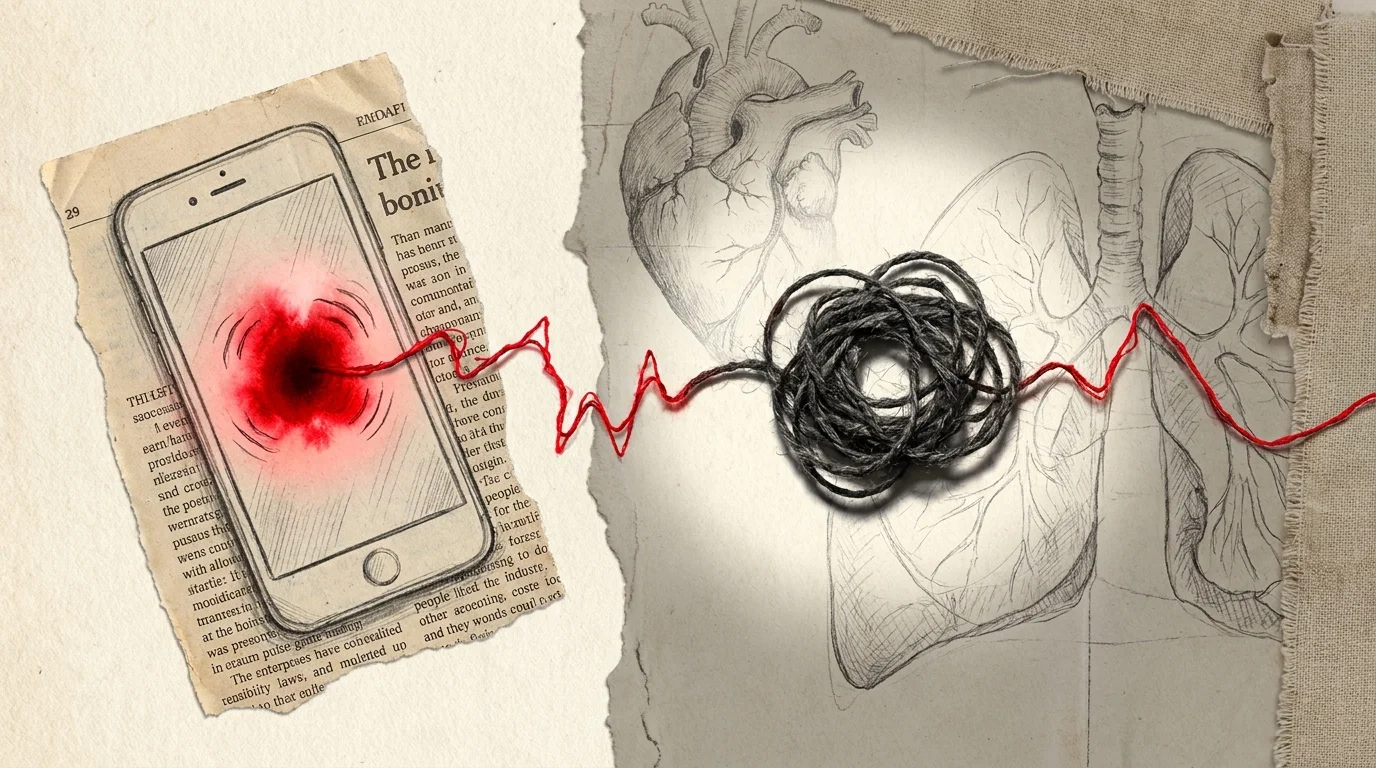
Your body often recognizes a toxic dynamic long before your conscious mind accepts it. Interacting with someone who constantly creates chaos forces your autonomic nervous system into a sympathetic state—commonly known as the fight, flight, or fawn response. You might notice your heart rate elevating when their name appears on your phone, or you may feel a tight knot in your stomach during conversations.
Chronic exposure to this type of relational stress leads to documented physical symptoms. Studies show that individuals dealing with toxic behavior frequently experience sleep disturbances, digestive problems, and even weakened immunity. If you consistently feel overstimulated, stressed, or physically tense around them, your body is signaling that your emotional boundaries are being breached.
3. The Relationship Functions on a One-Sided Emotional Ledger
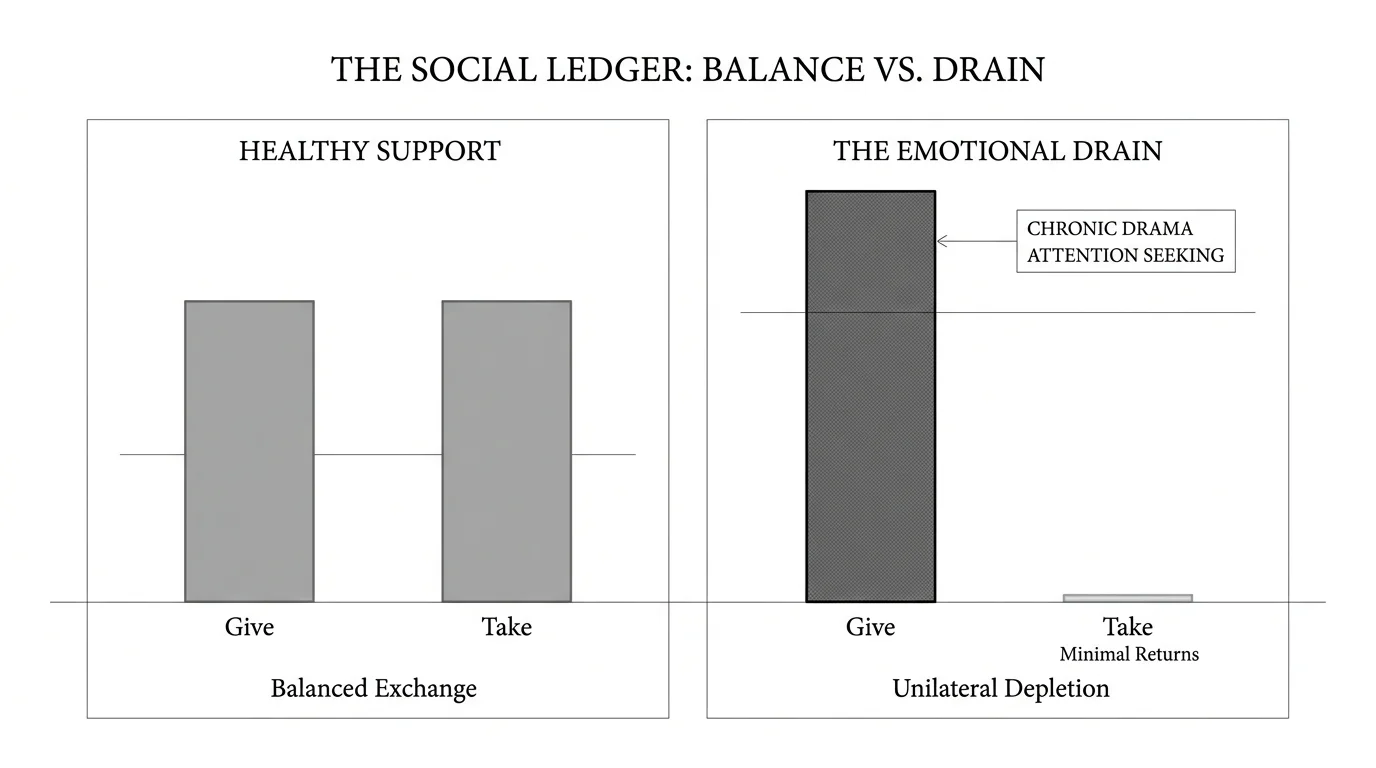
Healthy relationships involve a natural ebb and flow of giving and receiving. Draining relationships, by contrast, operate on a severely imbalanced ledger. The conversations inevitably shift back to their life, their problems, and their drama.
You may find yourself in the role of a perpetual therapist, offering endless advice that they never actually use. This behavior aligns with the “Victim” archetype—a person who complains constantly about their circumstances but rejects any actionable solutions because the complaining itself is how they garner sympathy and attention,.

4. Your Self-Trust Slowly Begins to Erode
One of the most insidious signs of emotional exhaustion is the gradual loss of trust in your own perceptions. Some energy drainers fit the “Controller” archetype; they use subtle manipulation to make you second-guess your choices, your memory, and your worth.
They might invalidate your emotions by telling you that you are “too sensitive” or that a conversation “didn’t happen that way.” This covert gaslighting causes severe cognitive dissonance. You expend an enormous amount of mental energy simply trying to anchor yourself in reality, leaving you feeling entirely depleted and fundamentally unsure of yourself.

5. You Experience an Unexplained “Exhaustion Hangover”
Pay close attention to how you feel after parting ways with this person. Do you need a nap? Does your mood take a sudden nosedive? Do you want to binge on comfort foods and isolate yourself from others?
This post-interaction fatigue is a hallmark symptom of emotional draining. You require an unusually long recovery time to return to your baseline energy levels. It is not just the normal tiredness of a long day; it is a profound, apathetic depletion that strips the joy out of your remaining daily activities.
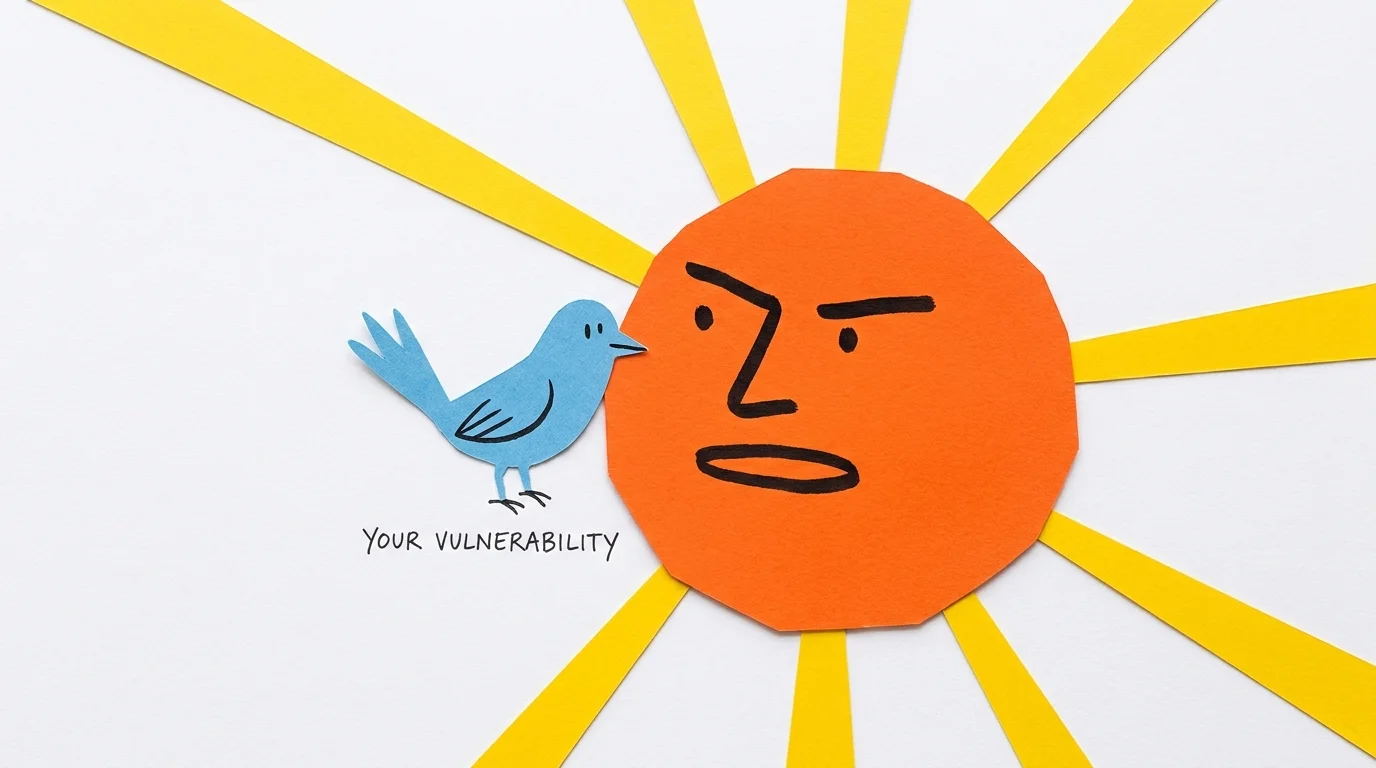
6. They Center Themselves in Your Moments of Vulnerability
A glaring red flag in any relationship is the inability to hold space for another person’s pain. When you try to share a difficult day, a personal struggle, or a moment of vulnerability, an emotional drainer will almost instantly hijack the narrative. If you are tired, they are more exhausted. If you are sad, they have experienced a tragedy.
Because they lack the insight and awareness necessary for genuine empathy, they cannot tolerate the spotlight being off them for long. This leaves you feeling profoundly unseen and dismissed, reinforcing the reality that the relationship only exists to serve their emotional needs.
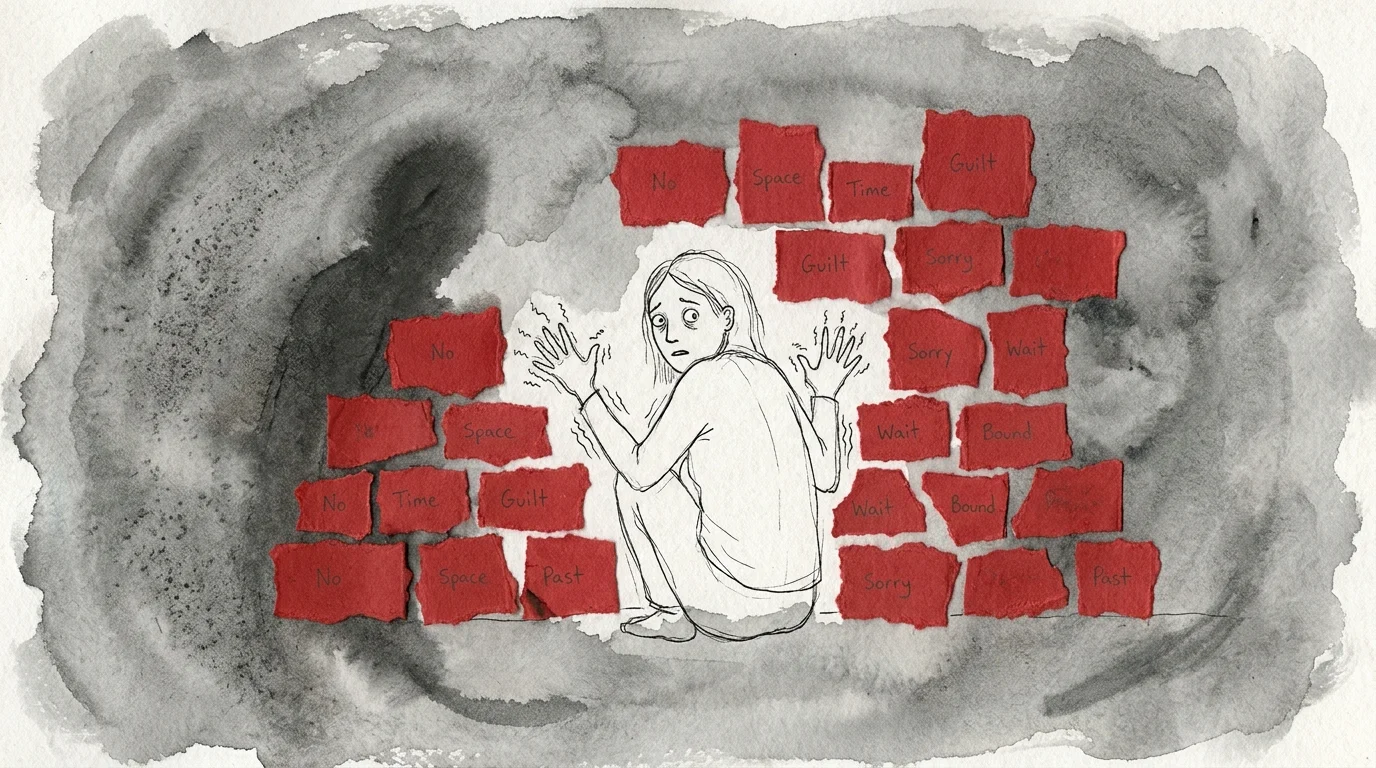
7. You Feel Intense Guilt for Needing Basic Boundaries
If asking for space or saying “no” results in a days-long guilt trip, you are interacting with someone who views your boundaries as a personal attack. Energy drainers frequently use phrases like, “I guess I’ll just handle this alone then,” to make you feel responsible for their emotional well-being.
They pressure you when you are unavailable and test the limits you try to set. The mental gymnastics required to protect your own time without causing a catastrophic conflict is ultimately what drains your energy dry.
Common Misconceptions About Energy Drainers
Understanding the nuances of relationship psychology requires unlearning several pervasive myths. Clinging to these misconceptions often keeps compassionate people trapped in exhausting cycles.
- Misconception 1: They are intentionally trying to hurt you. The reality is that many draining behaviors stem from the individual’s unresolved developmental trauma, codependency, and maladaptive coping strategies,. They are usually not acting out of malice, but rather a profound lack of self-awareness. However, understanding their pain does not obligate you to absorb it.
- Misconception 2: Setting boundaries will fix the relationship. Boundaries are not meant to control or fix the other person’s behavior; they exist to protect your peace. While setting a boundary is essential, you must be prepared for the reality that an energy drainer will likely push back or react defensively rather than change their behavior.
- Misconception 3: Emotional exhaustion only happens in romantic relationships. Mental energy drain is prevalent across all domains of life. Friendships, family dynamics, and workplace environments are major culprits. For example, workplace dynamics and job insecurity significantly impact stress levels, with 54% of U.S. workers reporting it contributes to their emotional exhaustion.
“The curious paradox is that when I accept myself just as I am, then I can change.” — Carl Rogers, PhD
Rogers’ wisdom reminds us that we cannot force another person to change through sheer willpower or endless empathy. Healing must come from their own self-acceptance and willingness to do the internal work.
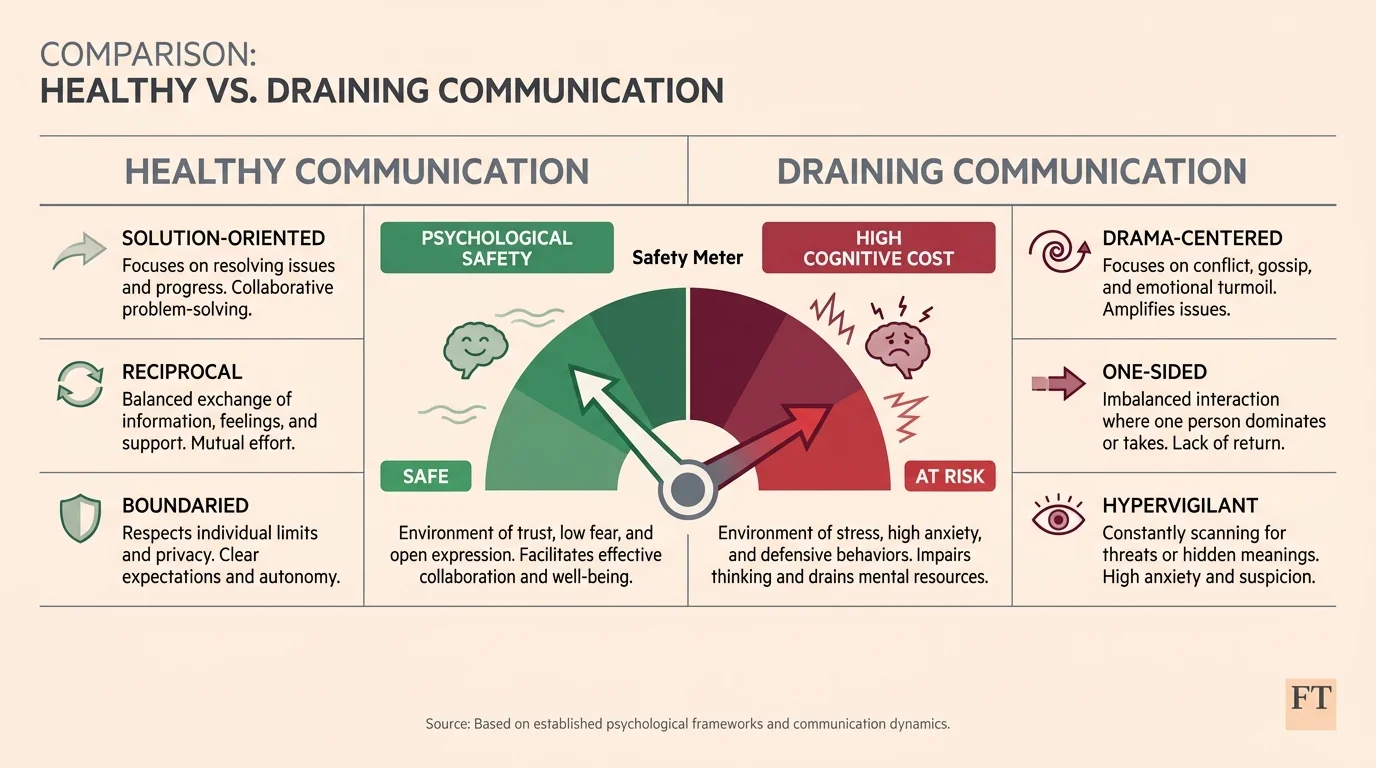
Comparing Healthy vs. Draining Communication Styles
To further clarify the difference between a mutually supportive relationship and a draining one, it helps to look at how communication functions in practice. The table below outlines the stark contrast in daily interactions.
| Relational Aspect | Healthy Dynamic | Draining Dynamic |
|---|---|---|
| Conflict Resolution | The goal is mutual understanding. Both parties take accountability for their actions. | The goal is winning. The drainer shifts blame, plays the victim, and refuses to accept responsibility,. |
| Setting Boundaries | Boundaries are respected, even if they cause temporary disappointment. | Boundaries are viewed as threats. They are repeatedly tested, ignored, or met with guilt-tripping. |
| Emotional Focus | There is a reciprocal give-and-take. Both individuals take turns supporting and being supported. | Conversations are monopolized by one person. They talk over others and redirect topics back to themselves. |
| Aftermath of Interaction | You leave feeling seen, grounded, and energized, even after discussing difficult topics. | You leave feeling overstimulated, anxious, fatigued, or physically depleted. |

Finding the Right Professional Help
Navigating an emotionally exhausting relationship can leave you feeling isolated and confused. It is not always possible to simply cut ties, especially if the individual is a family member, co-parent, or colleague. Seeking guidance from a mental health professional can provide you with the tools necessary to detach safely and rebuild your self-esteem.
Consider reaching out for professional support in the following scenarios:
- Your mental health is actively deteriorating. If the relationship is triggering severe anxiety or depressive episodes, professional intervention is critical. According to recent psychiatric data, individuals involved in toxic relationships experience a 50% increase in symptoms of anxiety and depression.
- You are experiencing chronic physical symptoms. When relational stress manifests as insomnia, chronic fatigue, gastrointestinal issues, or panic attacks, your body is sounding an alarm that requires medical and psychological support.
- You feel entirely unable to trust your own reality. If constant gaslighting has left you fundamentally doubting your memory, worth, or sanity, a trauma-informed therapist can help you untangle the manipulation and restore your cognitive clarity.
- You are trapped in a trauma bond. If you know the relationship is harming you, but you feel an overwhelming compulsion to stay and “fix” the person, therapy can help address the underlying codependency patterns keeping you stuck.
To find qualified support, consider utilizing directories like the American Psychological Association locator tool, or browsing verified providers through Psychology Today. Understanding that you do not have to untangle these complex dynamics alone is a vital step toward recovery.
“Daring to set boundaries is about having the courage to love ourselves, even when we risk disappointing others.” — Brené Brown, PhD, LCSW
Frequently Asked Questions
What is an energy vampire in psychology?
The term “energy vampire” is not a recognized clinical diagnosis. Rather, it is a common colloquial metaphor used by mental health professionals and the public to describe individuals who consistently drain the emotional resources of those around them. These interactions are typically one-sided, lacking emotional reciprocity, and marked by a constant need for attention or validation.
Can a draining relationship become healthy again?
Yes, but it requires significant, sustained effort. Meaningful change in a toxic dynamic typically requires genuine motivation, self-awareness, and accountability from the person causing the drain. In most cases, professional support, such as couples counseling or individual therapy, is necessary to dismantle deeply entrenched maladaptive patterns. It cannot be fixed by one person simply trying harder to be patient.
How do I protect my mental energy from a toxic family member?
Protecting your energy from family members often requires utilizing the “gray rock” method—making your responses as uninteresting and brief as possible to prevent them from feeding off your emotional reactions. Limit the duration of your interactions, avoid over-explaining your choices, and ensure you have a robust, independent support system outside of the family dynamic.
Why do I constantly attract emotionally exhausting people?
People who are highly empathetic, or those who grew up in environments where they had to manage unpredictable caregivers, often naturally gravitate toward individuals who need “fixing.” If you have a deep-seated belief that your worth is tied to how helpful you are, you may unknowingly signal to energy drainers that you are willing to abandon your own needs to accommodate theirs. Working with a therapist to address these attachment styles can help break the cycle.
Moving Forward with Emotional Clarity
Realizing that someone you care about is actively draining your mental energy can be a painful awakening. It requires confronting the uncomfortable truth that empathy and patience are not enough to sustain a healthy relationship when mutual respect and emotional reciprocity are missing. Your mental bandwidth is a finite, precious resource. You have the right to decide who gets access to it.
Start small by practicing the pause. The next time you feel the urge to immediately solve their crisis or agree to a demand that makes your stomach tighten, simply say, “Let me think about that and get back to you.” That brief space between their demand and your response is where your power lies.
The information in this article is meant for educational purposes and general guidance. It does not replace individual therapy, counseling, or medical treatment. If you or someone you know is in crisis, contact the 988 Suicide & Crisis Lifeline by calling or texting 988. For further mental health resources, you can also visit the National Institute of Mental Health.
Last updated: May 2026. Psychology research evolves continuously—verify current findings with professional sources.









Leave a Reply