Psychology Diary

The First Step Toward Change Is Awareness

  • Home
  • Relationships
  • Mental Health
  • Expert Tips
  • Life
  • Family
  • Marriage

The Surprising Link Between Gut Health and Your Mood

August 31, 2025 · Mental Health

Group of seniors enjoying a healthy meal together in a bright kitchen.

Practical Steps to Nurture Your Gut-Brain Connection

Knowing that your gut and brain are connected is empowering. It means that simple, gentle changes to your daily routines can have a real impact on your mental wellness. This isn’t about a restrictive, all-or-nothing diet. It’s about nourishment and adding things in, one small step at a time. The goal is progress, not perfection.

Focus on Fiber-Rich Foods

Think of fiber as the preferred food for your beneficial gut bacteria. When they feast on fiber, they thrive and produce helpful compounds called short-chain fatty acids (SCFAs). These SCFAs have numerous benefits, including reducing inflammation and strengthening the gut lining.

Where do you find fiber? It’s abundant in plant foods. Try to gradually increase your intake of:

Fruits: Berries, apples (with the skin on), bananas, and oranges are great sources.

Vegetables: Leafy greens like spinach and kale, broccoli, carrots, and Brussels sprouts are packed with fiber.

Legumes: Beans, lentils, chickpeas, and peas are fiber powerhouses.

Whole Grains: Oats, quinoa, brown rice, and whole-wheat bread offer sustained energy and fiber.

A simple starting point is the “add one” principle. This week, just focus on adding one new fiber-rich food to your day. Maybe it’s a handful of berries in your morning oatmeal or a side of steamed broccoli with dinner. Starting slowly is important, as a sudden large increase in fiber can cause temporary bloating or gas.

Introduce Probiotic and Fermented Foods

Probiotics are live, beneficial bacteria that can help bolster the population of good microbes in your gut. While supplements are available, you can get a wonderful variety from food.

Fermented foods are a natural source of probiotics. Look for:

Yogurt: Choose plain yogurt with “live and active cultures” on the label.

Kefir: A fermented milk drink, similar to a thin yogurt.

Sauerkraut: Fermented cabbage. Look for the refrigerated kind, as shelf-stable versions are often pasteurized, which kills the beneficial bacteria.

Kimchi: A traditional Korean fermented side dish, usually made from cabbage and spices.

Kombucha: A fermented tea drink. Be mindful of the sugar content, as some brands can be quite sweet.

You don’t need to eat large quantities. A spoonful of sauerkraut or a small glass of kefir each day can make a difference over time. Consistency is more important than volume.

A Note for Caregivers and Older Adults: For those who are significantly immunocompromised or have underlying health conditions, it’s always a good idea to speak with a doctor before making significant changes or adding many new fermented foods to their diet.

Consider Prebiotics: The Fuel for Your Gut Bugs

If probiotics are the new seeds for your gut garden, prebiotics are the fertilizer. Prebiotics are specific types of fiber that your body can’t digest, so they travel to your lower digestive tract and become food for the healthy bacteria.

Many fiber-rich foods are also great sources of prebiotics, including:

Garlic, onions, and leeks

Asparagus

Bananas (especially when they’re still slightly green)

Oats

You are likely already eating some of these. Simply being aware of their benefits can encourage you to include them more regularly.

Limit Ultra-Processed Foods and Added Sugar

Just as some foods feed the good bacteria, others can feed the less helpful ones. Diets high in ultra-processed foods, added sugars, and some artificial sweeteners can promote the growth of bacteria linked to inflammation and poor mood.

Again, the goal is not elimination. It’s about awareness and gentle reduction. If you have a sweet treat, savor it mindfully. If you have a choice between a whole-food snack (like an apple) and a packaged one, lean toward the apple more often. An “80/20” approach, where you focus on nourishing foods 80% of the time, allows for flexibility and enjoyment, which is crucial for long-term sustainability.

Stay Hydrated with Water

This simple step is foundational. Water is essential for digestion and helps fiber do its job effectively. Dehydration can lead to constipation and disrupt the balance of your gut. Keeping a water bottle handy throughout the day is a simple but powerful habit for both your gut and your brain.

Pages: 1 2 3 4 5 6 7 8

Share this article

Facebook Twitter Pinterest LinkedIn Email

Leave a Reply Cancel reply

Your email address will not be published. Required fields are marked *

Search

Latest Posts

  • A woman sits in a sunlit home library, looking thoughtfully out a window with an open book on her lap. 12 Signs of a High IQ
  • A candid photograph of a tense moment between a couple in a sunlit kitchen, one partner looking exhausted while the other looks away. 8 Traits of Someone Who Always Has to Be Right
  • A conceptual paper collage portrait made of torn fragments representing a fragmented digital identity with blue screen patterns. 10 Clues Someone Has a False Online Identity
  • A conceptual mixed media collage showing a silhouette with a peeling mask, revealing a deep indigo inner layer. 8 Trauma Responses That Get Mistaken for Personality Traits
  • A conceptual watercolor illustration of a senior's silhouette in soft blue, with a glowing gold ink pathway symbolizing an awakening virus. 6 Early Signs of Shingles Seniors Should Never Ignore
  • An illustration of a person on a ledge reaching for a fragile golden thread emerging from a glowing smartphone screen. 10 Clear Signs Your Partner Is Only Feeding You Breadcrumbs
  • An editorial illustration of a senior man in an armchair while his partner speaks from a distance, with her voice fading as watercolor mist. 7 Early Warning Signs of Hearing Loss That Seniors Often Dismiss as Normal Aging
  • An unposed photo of a man sitting at a kitchen table looking slightly guarded during a quiet, intimate conversation. 8 Body Language Clusters That Indicate Someone Is Holding Back the Truth
  • An ink and watercolor illustration of a morning coffee cup on a wooden table with a gentle ripple, symbolizing subtle early changes. 7 Subtle Signs of Parkinson's Disease in the Early Stages
  • An editorial illustration of a silhouette standing on a fractured path, with a hand gently unravelling a thread from its shoulder. 8 Hidden Signs of Emotional Manipulation in a Relationship

Newsletter

Get the latest posts delivered to your inbox.

Related Articles

An ink and watercolor illustration of a morning coffee cup on a wooden table with a gentle ripple, symbolizing subtle early changes.

7 Subtle Signs of Parkinson’s Disease in the Early Stages

Discover the 7 subtle early signs of Parkinson's disease, from sleep changes and loss of…

Read More →
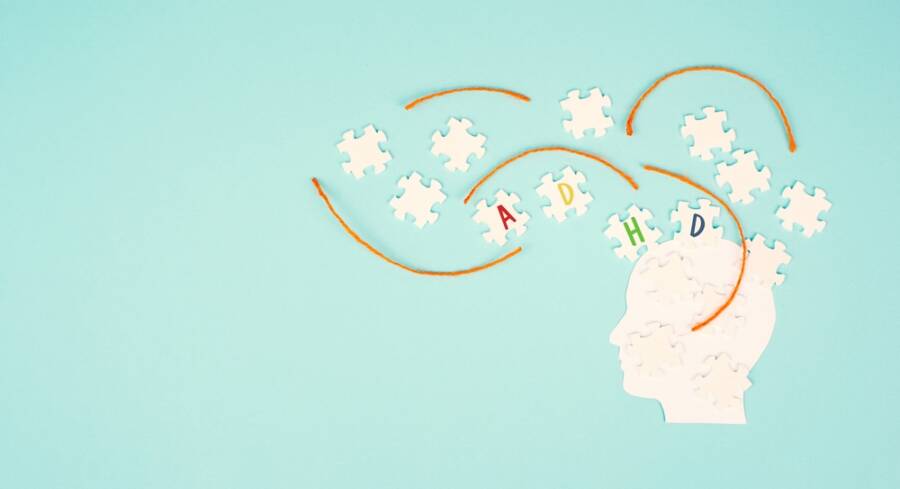
adhd burnout

ADHD Burnout: What Is It and Do You Have It?

Have you ever heard of ADHD burnout? While we have all heard about ADHD and…

Read More →
mental health

5 Common Causes of PTSD You Should Know

#2 Birth Trauma Postnatal post-traumatic stress disorder (PTSD) is a form of anxiety disorder. It…

Read More →
Two people sitting on a sofa in a quiet, sunlit living room, showing a moment of supportive connection and listening.

9 Things You Should NEVER Say to Someone With Anxiety

Learn the 9 harmful phrases you should avoid saying to someone with anxiety, why they…

Read More →
Anxious Introvert

Are You an Anxious Introvert? Here Are 10 Telltale Signs

These hidden signs might indicate that you’re an anxious introvert… Anxiety is the voice in…

Read More →
narcissistic

9 Alarming Signs You Have Narcissistic Abuse Syndrome

3. You feel guilty One common pattern often associated with strong narcissistic traits is difficulty…

Read More →
Alzheimer's

6 Surprising Truths About Alzheimer’s. Why Is Nobody Talking About Them?

This year in the U.S., it’s anticipated that there will be close to 500,000 new…

Read More →
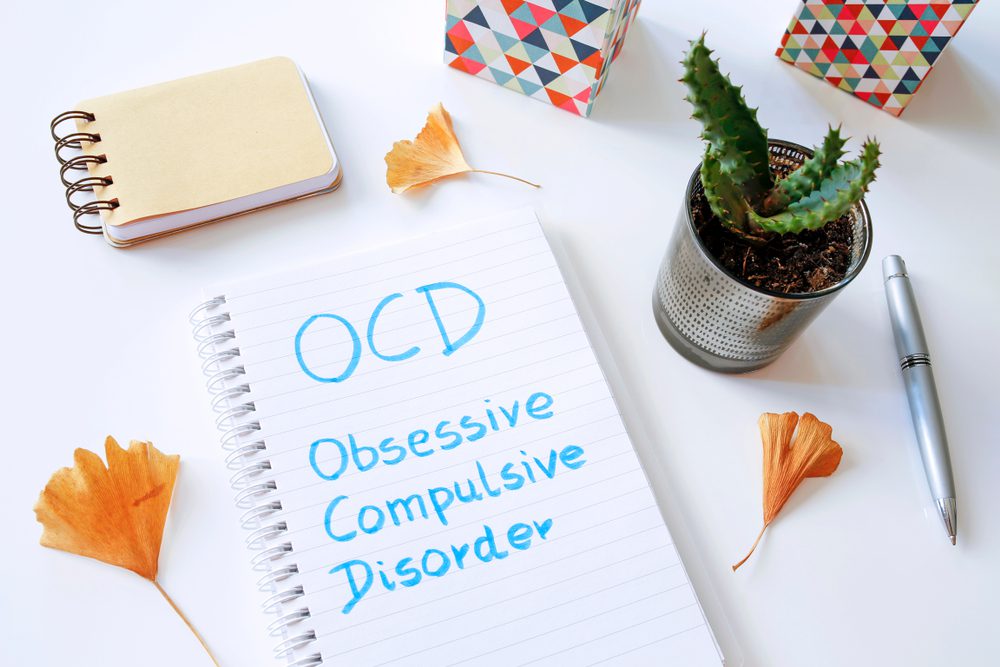
OCD

Could It Be OCD? These 9 Interesting Facts Will Surprise You

…Have you ever heard about obsessive-compulsive disorder, also simply known as OCD? You’ve surely met…

Read More →
borderline personality disorder

10 Ways to Cope With Borderline Personality Disorder

Here’s how To Cope with Borderline Personality Disorder! If you suffer from borderline personality disorder…

Read More →

Psychology Diary

The First Step Toward Change Is Awareness

Inedit Agency S.R.L.
Bucharest, Romania

contact@psychologydiary.com

Explore

  • About Us
  • Advertiser Disclosure
  • Contact Us
  • Disclaimer
  • Do not sell my personal information
  • Editorial Policy
  • Frequently Asked Questions
  • Privacy Policy
  • Terms and Conditions
  • Subscribe
  • Unsubscribe

Categories

  • Expert Tips
  • Family
  • Life
  • Marriage
  • Mental Health

© 2026 Psychology Diary. All rights reserved.