

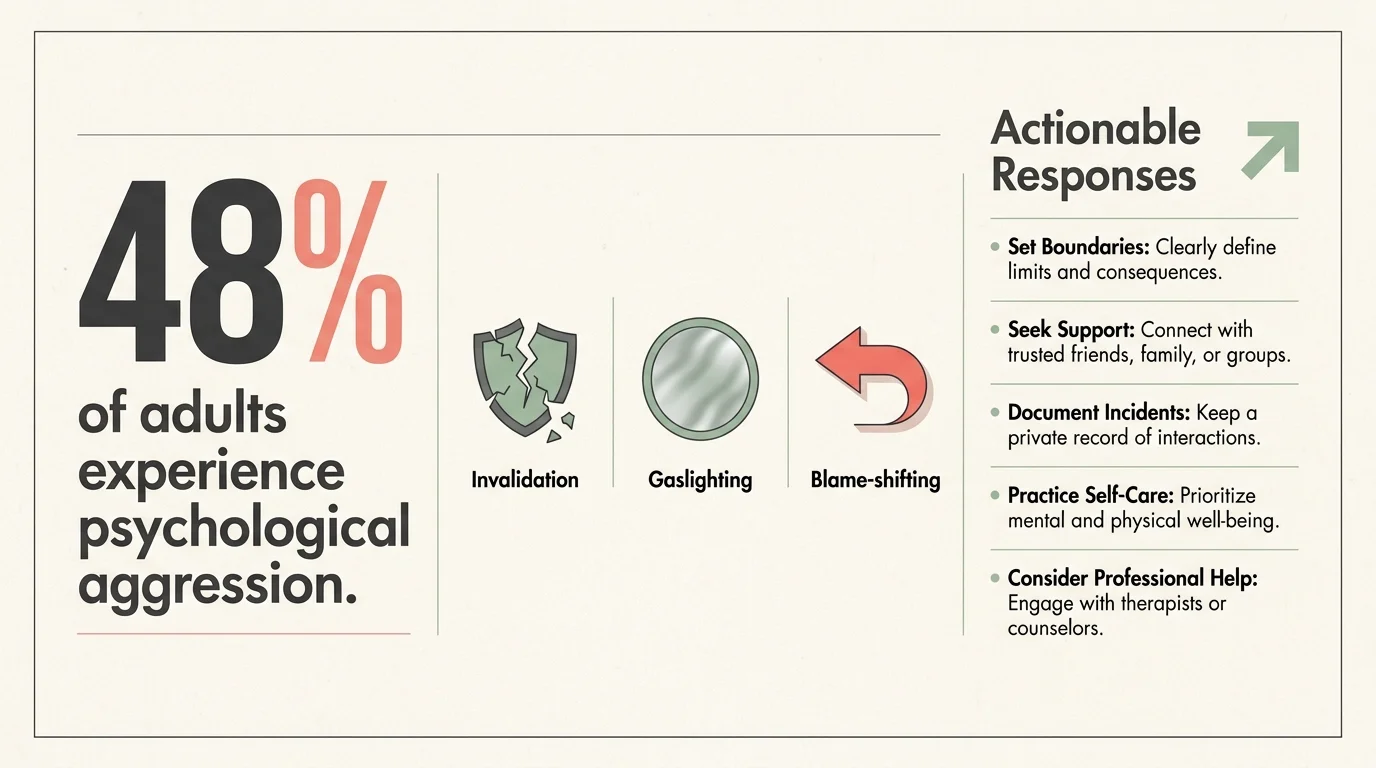
Arguments push couples to their emotional limits, revealing the profound difference between a healthy disagreement and psychological manipulation. While healthy conflict focuses on solving a shared problem, manipulative arguments are designed to control your perception, evade accountability, and destabilize your sense of reality. According to the Centers for Disease Control and Prevention, nearly half of all adults experience psychological aggression from a partner in their lifetime, making it critical to recognize the subtle language of emotional abuse. Manipulative phrases often sound plausible on the surface, but they systematically erode your self-trust over time. By learning to identify these seven specific phrases, you strip them of their power and reclaim your ability to set firm, self-protective boundaries in your relationships.
At a Glance
- Recognize emotional invalidation: Discover why phrases that target your sensitivity are designed to dismiss your reality and make you question your emotional baseline.
- Understand the mechanics of gaslighting: Learn how manipulators systematically rewrite history to make you question your memory.
- Identify blame-shifting: See how defensiveness prevents accountability, stalls relationship growth, and turns your valid concerns against you.
- Develop actionable responses: Gain practical, neutral scripts to gracefully deflect manipulation and hold firm to your personal boundaries without escalating the conflict.
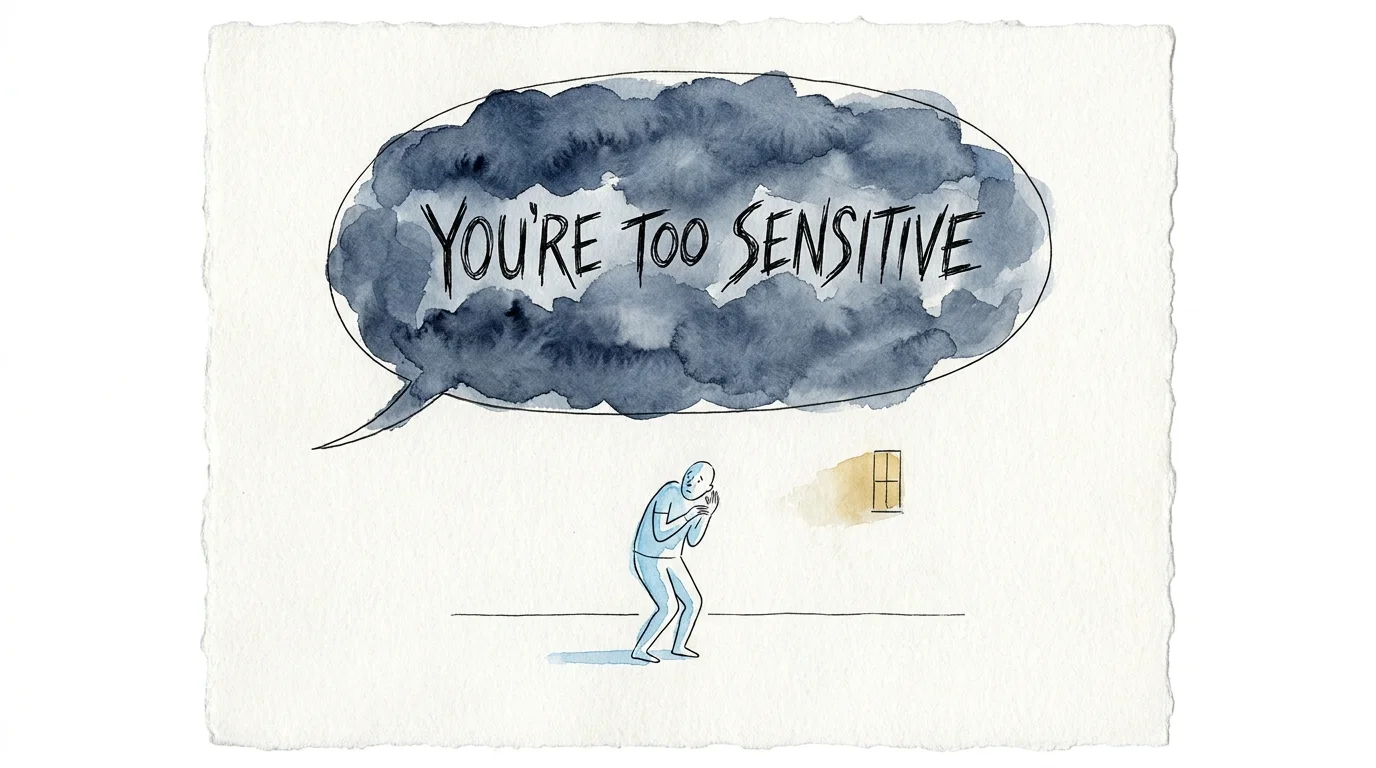
1. “You’re too sensitive” or “You’re overreacting”
When you express hurt or frustration, a healthy partner will pause to understand your perspective. A manipulative person, however, will immediately redirect the focus away from their hurtful behavior and point it directly at your emotional reaction. By claiming you are “too sensitive,” they accomplish two things at once: they absolve themselves of any wrongdoing and they make you the problem.
This tactic is a form of emotional invalidation that slowly chips away at your self-trust. When someone consistently tells you that your emotional baseline is flawed, you begin to silence yourself to avoid being labeled as dramatic or difficult. Over time, this creates a dynamic where the manipulator can behave poorly with impunity, knowing you will eventually back down and apologize for your “overreaction.”
The psychological mechanism: This phrase relies on cognitive dissonance. By pathologizing your normal human emotions, the manipulator forces you to focus on policing your own reactions rather than addressing their boundary violation.
How to respond: Keep your response neutral and refocus the conversation on the original issue. You might say, “My feelings are valid, and I am not willing to debate whether I am allowed to be upset. Let’s return to discussing what just happened.”

2. “I only did that because you…”
Accountability is the cornerstone of any secure relationship. Manipulative individuals, however, view accountability as a threat to their ego and control. When confronted with poor behavior, they will instinctively use blame-shifting to justify their actions. If they yelled, it was because you provoked them; if they lied, it was because you are too judgmental to handle the truth.
This phrase is the hallmark of defensiveness—a communication style that relationship researchers have identified as deeply destructive to intimacy. Instead of acknowledging the pain they caused, they construct a narrative where they are the ultimate victim of your behavior.
“Defensiveness is a way of blaming your partner. You’re saying, in effect, ‘The problem isn’t me, it’s you.'” — Dr. John Gottman, Relationship Researcher
The psychological mechanism: Defensiveness acts as a shield against shame. By linking their unacceptable behavior to your actions, they enforce a transactional view of the relationship where you must be perfect in order to be treated with basic respect.
How to respond: Do not fall into the trap of defending your actions. Simply state, “We can discuss my behavior later if you have a concern, but right now we are talking about your choice to do [specific action]. You are responsible for your own reactions.”
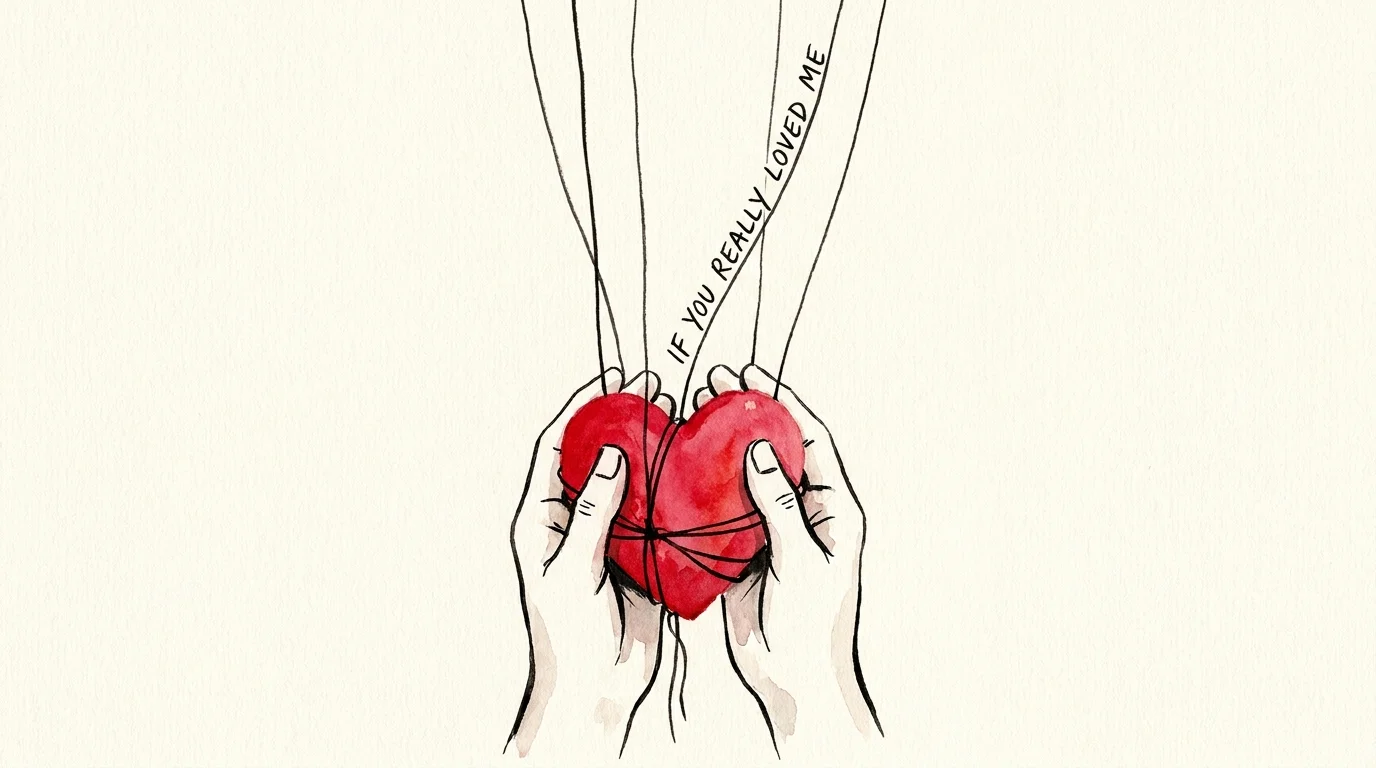
3. “If you really loved me, you would…”
Love should never be used as a bargaining chip, yet manipulators frequently weaponize affection to cross your boundaries. This phrase introduces conditional love into the argument; it suggests that your commitment to the relationship is entirely dependent on your willingness to comply with their immediate demands.
Psychologists refer to this behavior as emotional blackmail. It relies on a toxic triad of fear, obligation, and guilt to force compliance. The manipulator creates a high-stakes scenario where saying “no” to a simple request is suddenly equated with relationship betrayal.
The psychological mechanism: This phrase exploits your natural desire for connection and your fear of abandonment. By tying your love to your compliance, they effectively disable your ability to enforce healthy limits without feeling overwhelming guilt.
How to respond: Decouple your love from the request. You can say, “My love for you is not in question, but my answer to this specific request is still no. I will not prove my feelings by crossing my own boundaries.”
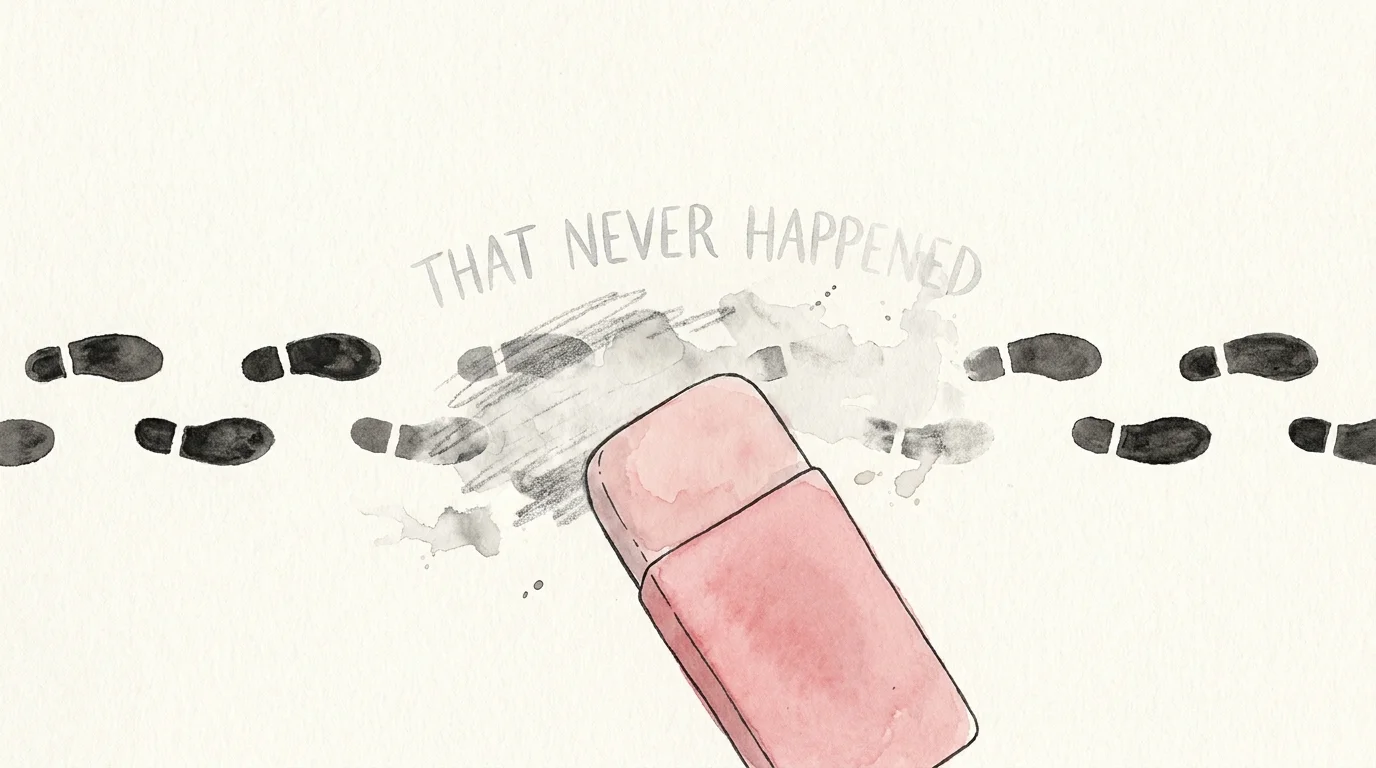
4. “That never happened” or “You’re imagining things”
Gaslighting is a severe form of psychological manipulation designed to destabilize your sense of reality. While the term has become a cultural buzzword—so much so that a 2017 YouGov survey found 75% of US adults either did not know the term or misunderstood its definition—true gaslighting is a calculated attempt to rewrite history.
When a partner looks you in the eye and blatantly denies an event that you both know occurred, it triggers profound cognitive confusion. They might deny a promise they made, twist the context of a previous conversation, or accuse you of having a flawed memory. The ultimate goal is to make you so reliant on their version of reality that you stop trusting your own senses.
The psychological mechanism: Gaslighting attacks your fundamental cognitive stability. By continually disputing objective facts, the manipulator creates a state of dependency where you must defer to their judgment to understand your own life.
How to respond: Do not attempt to produce evidence or argue over the facts, as this only fuels the debate. Instead, stand firm in your reality: “I know what I experienced, and I am not going to debate my memory with you. We can pause this conversation until we can discuss it respectfully.”

5. “I’m sorry you feel that way”
A genuine apology requires three elements: acknowledging the specific harm caused, expressing sincere remorse, and committing to changed behavior. The phrase “I’m sorry you feel that way” contains none of these. It is a non-apology that mimics the cadence of taking responsibility while actually doing the exact opposite.
When a manipulator uses this phrase, they are expressing regret over your emotional reaction, not their own actions. It is a subtle way of maintaining the upper hand while appearing cooperative to outside observers. If you continue to express hurt after they have “apologized,” they can then accuse you of being unreasonable or holding a grudge.
The psychological mechanism: The pseudo-apology acts as a conversation ender. It shifts the burden of resolution onto you, implying that the only remaining problem is your inability to process your own feelings and let the issue go.
How to respond: Clarify what you need. “I hear that you are sorry about my reaction, but I need to know if you take responsibility for the action that caused it. Are you apologizing for what you did?”
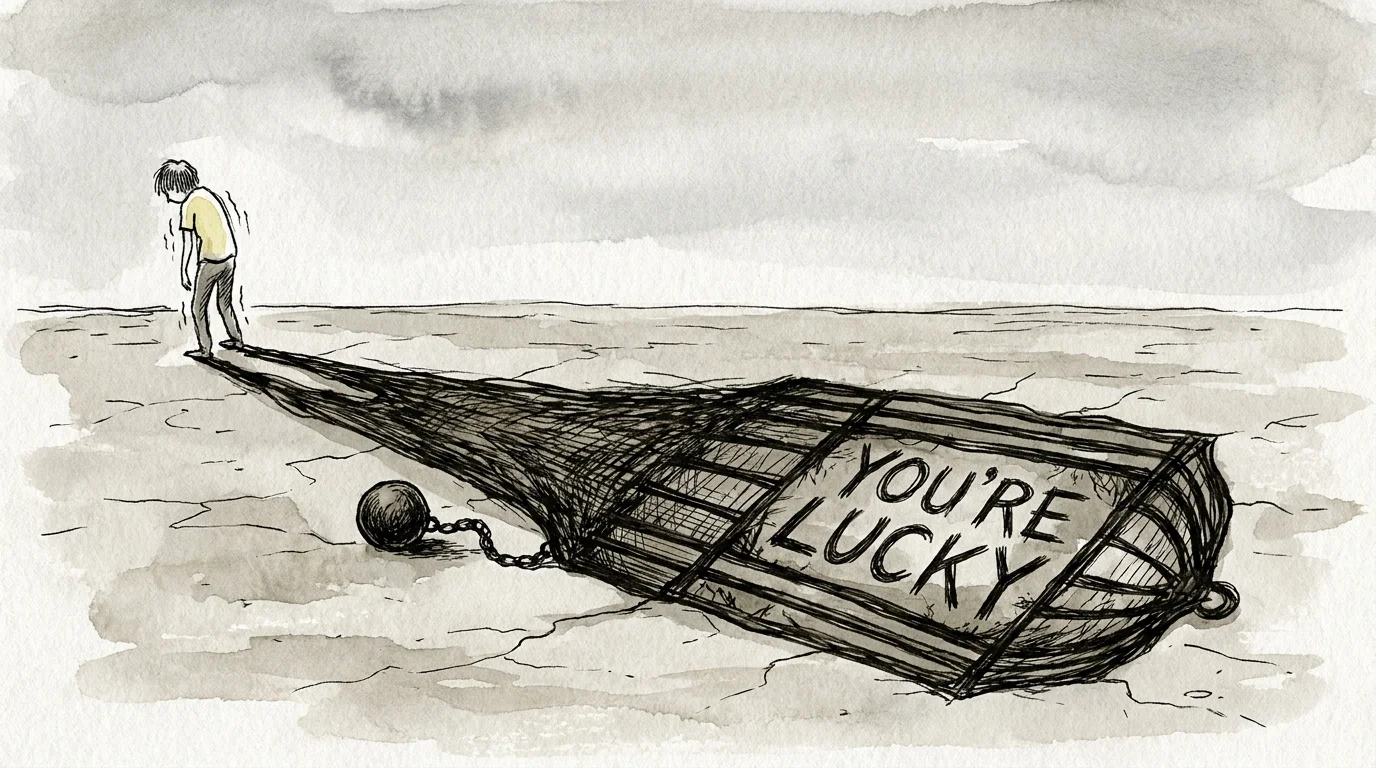
6. “You’re lucky I put up with you”
For a manipulator to maintain control, they must ensure you feel too insecure to leave the relationship. This phrase is a form of active degradation intended to lower your self-worth. By positioning themselves as a gracious savior who is tolerating your profound flaws, they create a severe power imbalance.
This tactic is often accompanied by isolation. If a partner can convince you that you are uniquely difficult, unlovable, or broken, you are much less likely to seek support from friends or family. You begin to believe that no one else would ever accept you, tying you firmly to the person who is causing your pain.
The psychological mechanism: Degradation fosters traumatic bonding. By breaking down your self-esteem, the manipulator positions themselves as your only source of validation, making you desperately seek their approval to feel worthy.
How to respond: Recognize this as a severe red flag for emotional abuse. In the moment, disengage by saying, “I am not going to participate in a conversation where I am being spoken to disrespectfully.” Long-term, you must evaluate whether this dynamic is safe to remain in.

7. “After everything I’ve done for you…”
Healthy relationships are built on mutual support and freely given generosity. Manipulative relationships, however, are highly transactional. When you attempt to address an issue or set a boundary, a manipulative person will immediately bring up their past good deeds as a shield against criticism.
This weaponized guilt is designed to make you feel ungrateful. Whether they remind you of financial support, emotional favors, or sacrifices they made, the implication is clear: because they did something nice for you in the past, you owe them a lifetime of compliance and silence.
The psychological mechanism: This phrase invokes the social norm of reciprocity but distorts it into a tool of oppression. It creates an endless emotional debt that prevents you from ever holding them accountable in the present.
How to respond: Acknowledge their past contributions while keeping the current issue separate. “I appreciate the support you’ve given me, but that does not cancel out the conversation we need to have about what happened today. Both things can be true.”
Comparing Healthy and Manipulative Communication
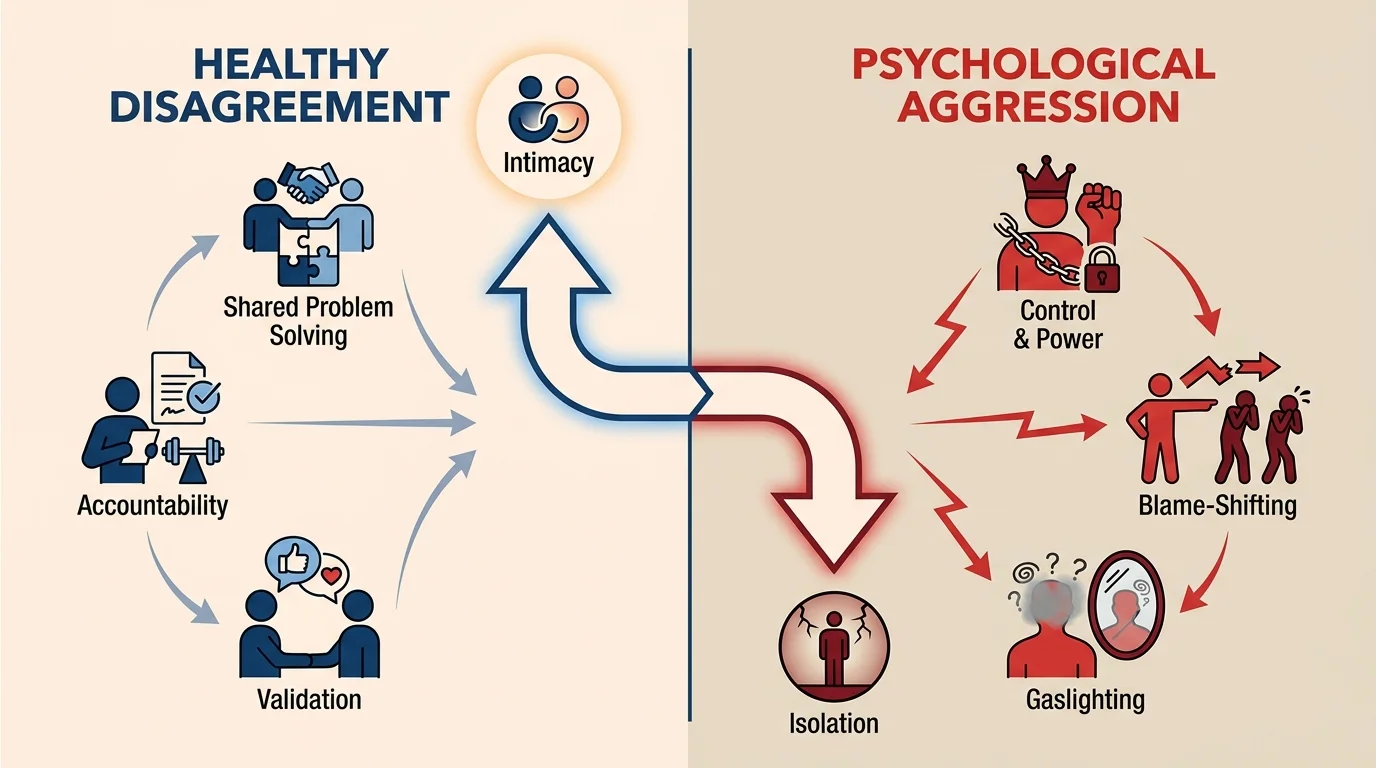
To fully grasp the mechanics of emotional manipulation, it is helpful to see these behaviors contrasted with healthy conflict resolution. The table below illustrates the core differences between a partner who wants to solve a problem and a partner who wants to control the narrative.
| Communication Feature | Healthy Communication | Manipulative Communication |
|---|---|---|
| Primary Goal | To understand each other, find a compromise, and repair the connection. | To win the argument, evade accountability, and maintain a position of power. |
| Handling Emotions | Validates your emotional experience, even if they disagree with your perspective. | Minimizes, mocks, or denies your emotional experience to make you feel irrational. |
| Taking Accountability | Owns their specific actions and apologizes for the harm caused. | Shifts blame onto your reactions or external circumstances; uses pseudo-apologies. |
| Pacing and Boundaries | Respects your need to take a pause or step away to calm down. | Uses fear, urgency, or guilt to force immediate compliance and block your exit. |

What Can Go Wrong: Misinterpreting Defensive Reactions
While recognizing manipulative language is empowering, a common misconception is that anyone who uses these phrases is inherently malicious or suffering from a personality disorder. Human communication is complex, and even well-meaning people can resort to poor communication habits when they are emotionally flooded or triggered by past trauma.
If you immediately label every defensive comment as “gaslighting” or “toxic manipulation,” you risk creating an environment of intense hyper-vigilance where honest mistakes are punished. The critical difference between a poor communicator and a manipulator lies in their pattern of behavior and their response to boundary-setting.
When you point out to a healthy partner that their phrase was hurtful, they will generally reflect, show remorse, and attempt to self-correct. A manipulative partner, however, will double down on the tactic, punish you for bringing it up, and refuse to adjust their behavior over time. Context, frequency, and intent are essential for evaluating the health of your relationship.

When to Seek Professional Support
Dealing with chronic manipulation takes a severe toll on your mental and physical health. You do not have to navigate this confusion alone. According to the American Psychological Association, seeking professional guidance is crucial when relationship dynamics begin to erode your well-being. Consider reaching out to a licensed therapist or counselor if you experience the following:
- You constantly question your reality: You feel chronically confused, unable to trust your own memory, and frequently apologize for things you did not do.
- Your physical health is declining: You are experiencing somatic symptoms of chronic stress directly tied to your relationship, such as insomnia, digestive issues, or frequent panic attacks.
- You are heavily isolated: You have stopped sharing your thoughts, feelings, or relationship struggles with friends and family because you feel ashamed or fear your partner’s retaliation.
- You feel trapped: You want to leave the relationship but feel paralyzed by intense guilt, financial control, or threats to your safety. (If you are in immediate danger, contact the 988 Suicide & Crisis Lifeline or local emergency services).
Frequently Asked Questions
What is the difference between manipulation and a normal argument?
Healthy arguments focus on resolving a specific issue while maintaining mutual respect and empathy. Both partners take accountability for their part in the conflict. Manipulation, however, focuses on controlling the narrative, evading responsibility, and diminishing the other person’s reality to secure a “win.”
Can someone manipulate you without realizing it?
Yes. Some individuals learn manipulative communication styles in childhood as survival mechanisms or model the dysfunctional relationships they witnessed growing up. However, a lack of malicious intent does not make the behavior acceptable or less damaging to your mental health. This is why setting firm boundaries is essential regardless of the person’s awareness.
How do I handle an argument when my partner stonewalls me?
Stonewalling—shutting down completely and refusing to engage—often occurs when a person is emotionally overwhelmed. The Gottman Institute recommends taking a negotiated timeout. State clearly that you recognize the conversation is escalating and propose a specific time to revisit the issue when both of your nervous systems have calmed down.
Is emotional manipulation a form of domestic abuse?
Yes. Consistent, severe emotional manipulation, such as coercive control, gaslighting, and isolation, falls under the umbrella of psychological aggression. As highlighted by data from the Centers for Disease Control and Prevention, emotional abuse is highly prevalent and can be just as traumatic as physical violence.
Reclaiming Your Voice in Conflict
Recognizing manipulative phrases is the first step toward breaking the cycle of emotional confusion. When you understand the psychological mechanics behind blame-shifting, gaslighting, and guilt-tripping, these words lose their power to control your reality. You are allowed to take up space, you are allowed to trust your memory, and you are entirely justified in demanding respectful communication.
“Daring to set boundaries is about having the courage to love ourselves even when we risk disappointing others.” — Dr. Brené Brown, Research Professor
This is educational content based on psychological research and general principles. Individual experiences vary significantly. For personalized guidance, consult a licensed therapist, psychologist, or counselor.
Last updated: May 2026. Psychology research evolves continuously—verify current findings with professional sources.









Leave a Reply