Psychology Diary

The First Step Toward Change Is Awareness

  • Home
  • Relationships
  • Mental Health
  • Expert Tips
  • Life
  • Family
  • Marriage

Understanding Common Mental Health Challenges in Older Adults

August 31, 2025 · Mental Health

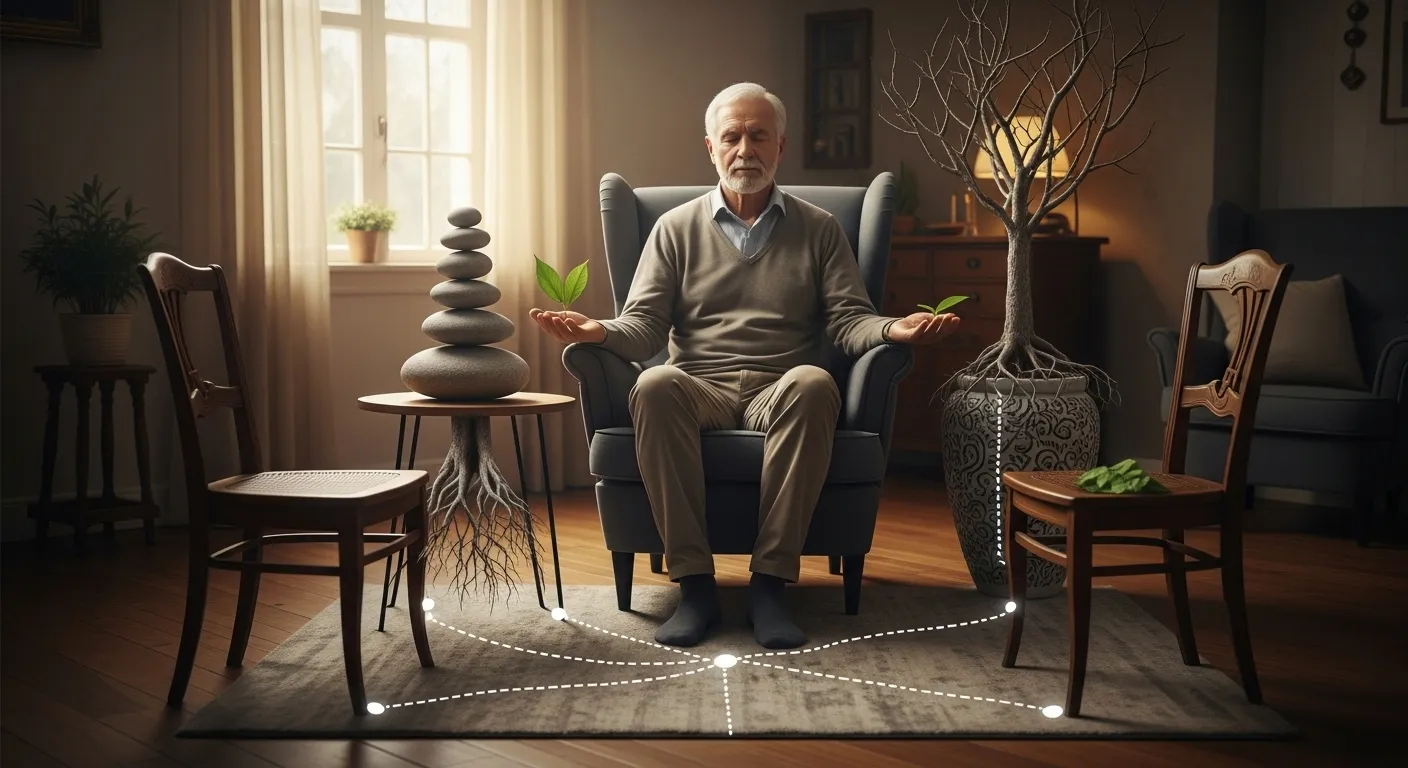
Man practicing grounding technique.

Taking the Next Step: Building a Path to Well-Being

Understanding the landscape of mental health in later life is the first, most crucial step. Recognizing that these challenges are real, common, and treatable can lift a significant weight. The journey to feeling better is not about a single grand gesture but about a series of small, compassionate steps taken consistently over time.

Your path forward is uniquely yours. It may begin with a conversation with your doctor. It may start with a simple self-care skill. The most important thing is to begin.

Here is a gentle challenge for the next seven days: Choose one strategy from this article that feels doable. Not easy, just doable. Maybe it’s the 5-4-3-2-1 grounding technique. Maybe it’s scheduling a 10-minute walk. Maybe it’s writing down your worries during a set “Worry Time.” Commit to trying it each day. At the end of the day, write down one sentence in a notebook about the experience. For example: “I did my 10-minute walk. It was hard to start, but I noticed the sunshine.” The goal is not instant happiness, but a growing awareness and a gentle shift toward action and hope.

Remember, you do not have to walk this path alone. Reach out to your doctor, a trusted family member, or a mental health professional. Support is a sign of strength.

This article is for informational purposes only and does not constitute medical, psychological, or legal advice. It is not a substitute for professional consultation. If you or someone you know is in immediate danger or considering self-harm, please call your local emergency services (like 911 in the U.S.) or contact a crisis hotline. In the U.S., you can connect with the 988 Suicide & Crisis Lifeline by calling or texting 988 anytime. You can also find additional information and resources at government sites like NIMH and SAMHSA.

Pages: 1 2 3 4 5 6 7 8 9 10

Share this article

Facebook Twitter Pinterest LinkedIn Email

Leave a Reply Cancel reply

Your email address will not be published. Required fields are marked *

Search

Latest Posts

  • A mixed media collage of an anatomical heart being slowly stained by dark ink, symbolizing the corrosive nature of unspoken resentment. 7 Signs Someone Is Secretly Resentful Toward You
  • A mixed-media collage showing a human silhouette with a fractured internal wooden frame, representing the delicate architecture of trust. 8 Behaviors That Reveal Someone Has Deep Trust Issues
  • An elderly man sits alone at a kitchen table in soft afternoon light while his adult daughter watches from the doorway with concern. Why Some People Become More Difficult With Age—According to Psychologists
  • Conceptual paper-craft illustration of a brain with glowing neural pathways and botanical growth representing cognitive health. The Link Between Physical Activity and Mental Sharpness After 60
  • A senior woman in a sunlit room excitedly examines a green leaf through a magnifying glass, surrounded by plants and gardening tools. Why Seniors Who Stay Curious Live Longer—And How to Cultivate It
  • A man in his 60s working with clay in a pottery studio, symbolizing the transition from a career to a new personal purpose. How to Rebuild Your Identity and Purpose After You Stop Working
  • A single coffee mug on a wooden table next to an empty chair in a sunlit kitchen, representing the quiet of loss. How to Cope with Grief After Losing a Spouse in Retirement
  • An older woman in a knit sweater sits on a porch at dawn, holding a steaming mug and looking thoughtfully at a misty garden. The Power of Gratitude: How Seniors Can Use It to Live Happier Lives
  • A senior woman sits alone on her sofa in warm afternoon light, looking out the window with a pensive and slightly anxious expression. Why Anxiety in Seniors Is Often Overlooked—and How to Get Help
  • 8 Simple Ways to Boost Your Mood Every Day After 60 8 Simple Ways to Boost Your Mood Every Day After 60

Newsletter

Get the latest posts delivered to your inbox.

Related Articles

Alzheimer's

6 Surprising Truths About Alzheimer’s. Why Is Nobody Talking About Them?

This year in the U.S., it’s anticipated that there will be close to 500,000 new…

Read More →
Smiling woman drinks tea in sunlit kitchen.

The Surprising Link Between Gut Health and Your Mood

A Compassionate Path Forward The connection between your gut and your brain is a beautiful…

Read More →
Two people sitting on a sofa in a quiet, sunlit living room, showing a moment of supportive connection and listening.

9 Things You Should NEVER Say to Someone With Anxiety

Learn the 9 harmful phrases you should avoid saying to someone with anxiety, why they…

Read More →
borderline personality disorder

10 Ways to Cope With Borderline Personality Disorder

Here’s how To Cope with Borderline Personality Disorder! If you suffer from borderline personality disorder…

Read More →
Woman meditating peacefully in a sunlit room.

The Power of Forgiveness: How Letting Go Can Improve Your Mental Health

Your Next Step Toward Emotional Freedom Forgiveness is not a sign of weakness; it is…

Read More →
Alzheimer's and Parkinson's

Alzheimer’s vs. Parkinson’s: 7 Differences and Symptoms You Must Know

Alzheimer’s and Parkinson’s: both of them are serious medical conditions. Let us clarify the main…

Read More →
A man in his 60s working with clay in a pottery studio, symbolizing the transition from a career to a new personal purpose.

How to Rebuild Your Identity and Purpose After You Stop Working

Discover actionable, research-backed strategies to rebuild your identity, navigate emotional transitions, and find genuine purpose…

Read More →
Dementia myth

Subtle Signs of Dementia: 6 Important Things You Need to Know

6. Losing Track Of Time Or Place Do you, or a person you care about,…

Read More →
schizophrenia

6 Risk Factors for Schizophrenia Every Senior Must Know

Hallucinations Hallucinations involve fictitious experiences. Hearing voices is the most common hallucination in people with…

Read More →

Psychology Diary

The First Step Toward Change Is Awareness

Inedit Agency S.R.L.
Bucharest, Romania

contact@psychologydiary.com

Explore

  • About Us
  • Advertiser Disclosure
  • Contact Us
  • Disclaimer
  • Do not sell my personal information
  • Editorial Policy
  • Frequently Asked Questions
  • Privacy Policy
  • Terms and Conditions
  • Subscribe
  • Unsubscribe

Categories

  • Expert Tips
  • Family
  • Life
  • Marriage
  • Mental Health

© 2026 Psychology Diary. All rights reserved.