Psychology Diary

The First Step Toward Change Is Awareness

  • Home
  • Relationships
  • Mental Health
  • Expert Tips
  • Life
  • Family
  • Marriage

Understanding Seasonal Affective Disorder (SAD) in Older Adults

August 31, 2025 · Mental Health

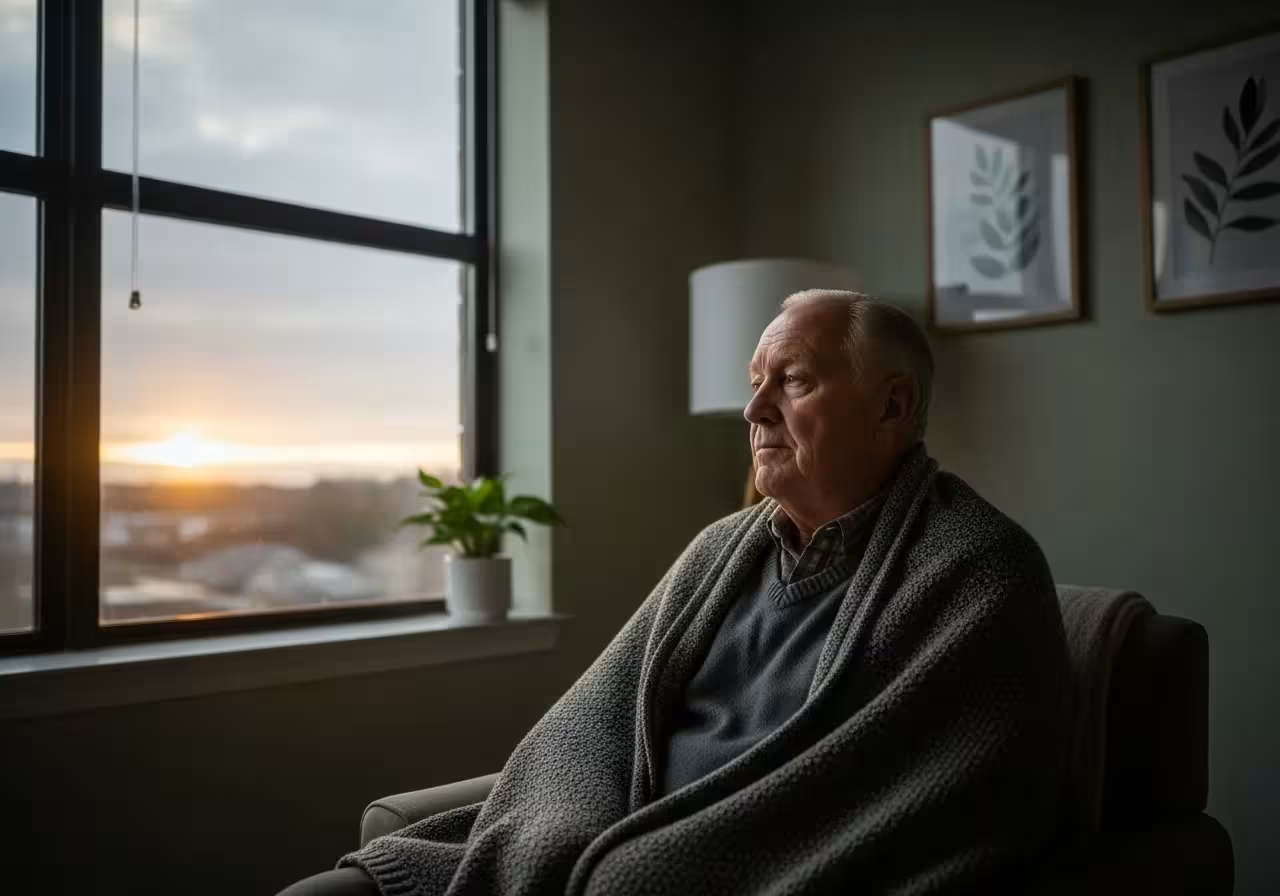
Man looking at dim sunrise through window in winter.

What Is Seasonal Affective Disorder (SAD)?

Seasonal Affective Disorder is not a separate disorder but is recognized as a specific type of major depression with a seasonal pattern. This means that for a person with SAD, episodes of depression occur and then resolve around the same time each year. While it can happen in any season, the most common form is winter-pattern SAD, where symptoms begin in the late fall or early winter and fade away as the brighter days of spring and summer arrive.

Think of your body as having an internal clock, known as your circadian rhythm. This clock helps regulate your sleep-wake cycle, energy levels, and mood. It takes its cues from the environment, especially from sunlight. During the fall and winter, the decrease in natural sunlight can throw this sensitive clock off balance. Researchers believe this disruption is a key factor in SAD.

This reduction in light may affect two important chemicals in the brain. The first is serotonin, a neurotransmitter that helps regulate mood. Lower levels of sunlight can lead to a drop in serotonin, which may trigger feelings of depression. The second is melatonin, a hormone that plays a role in sleep patterns. The changing seasons can alter melatonin production, leading to feelings of sleepiness and fatigue that are characteristic of SAD.

It is crucial to understand that SAD is a clinical diagnosis, not a personal failing or a sign of weakness. It is a genuine biological and psychological response to the changing environment. Recognizing it as a health condition is the first and most important step toward finding effective ways to manage it.

Pages: 1 2 3 4 5 6 7 8 9

Share this article

Facebook Twitter Pinterest LinkedIn Email

Leave a Reply Cancel reply

Your email address will not be published. Required fields are marked *

Search

Latest Posts

  • A conceptual illustration showing a father and daughter separated by a deep chasm in the floor of their dining room. 10 Habits That Push People Away (Your Children Too)
  • A conceptual collage of a head silhouette filled with shattered mirrors and warped photos, symbolizing reality distortion. 8 Ways People Distort Reality
  • An elderly woman sits alone at a dining table in soft afternoon light, looking down at a tea cup in a quiet, nostalgic home setting. 9 Emotional Wounds Adult Children Simply Don’t Realize They’re Inflicting On Their Parents
  • A mixed-media collage of a fragmented silhouette head with an anchor being cut, symbolizing the loss of one's grip on reality. 10 Signs Someone Is Trying to Distort Your Reality
  • A mixed media collage of a beautiful white flower with hidden barbed wire roots and thorny stems on a textured vintage paper background. 8 Behaviors That Reveal Hidden Toxicity
  • A candid photo of a couple in a dim living room, showing a sense of emotional distance and unspoken tension. 10 Traits That May Reveal Covert Narcissism
  • A couple sits on a sofa in a dimly lit room, one person looking at a phone while the other looks away, capturing a moment of secrecy. 8 Signs Someone May Be Hiding More Than They Admit
  • An ink and watercolor illustration of a human head cracking like stone, with golden light leaking through the fissures. 11 Small Clues That Can Expose a Lie
  • An abstract editorial illustration of a silhouette with a tangled nest of lines inside its head, symbolizing mental confusion. 8 Warning Signs Someone May Be Playing Mind Games
  • A mixed media collage of a silhouette filled with torn paper and translucent layers, symbolizing the invisible nature of emotional neglect. 10 Traits of People Emotionally Neglected as Kids

Newsletter

Get the latest posts delivered to your inbox.

Related Articles

antidepressants

6 Natural Antidepressants That Might Help With Depression

Did you know that there are a lot of natural antidepressants that could improve your…

Read More →
Older adults listening in a support group.

Understanding Common Mental Health Challenges in Older Adults

Why Mental Health in Later Life Deserves Special Attention Life after 50, 60, and beyond…

Read More →
Parkinson's disease

Parkinson’s Disease: 9 Unusual Signs You Have It!

1. Anxiety and depression According to research, roughly half of the people who are diagnosed…

Read More →
PTSD, mental health depression

9 Mental Health Issues You Can Inherit

There are many reasons why a mental health disorder can develop. If you’re struggling with…

Read More →
anger management

4 Anger Management Techniques Everyone Needs to Know

Have you been thinking about implementing some anger management in your life recently? When it…

Read More →
how to stop catastrophizing

5 Tips to Help You Stop Catastrophizing

Do you want to know how to stop catastrophizing? This can be a really helpful…

Read More →
Dementia vs. Schizophrenia adult

Is It Schizophrenia or Dementia? 5 Signs Explained

Do you feel more forgetful or confused lately? You may deal with Schizophrenia or Dementia!…

Read More →
stay calm during election

9 Ways to Stay Calm During Election Season

Stay calm during election season by following these steps: With whom am I going to…

Read More →
A senior woman in a sunlit room excitedly examines a green leaf through a magnifying glass, surrounded by plants and gardening tools.

Why Seniors Who Stay Curious Live Longer—And How to Cultivate It

Discover the psychological and neurological reasons why staying curious helps older adults live longer, along…

Read More →

Psychology Diary

The First Step Toward Change Is Awareness

Inedit Agency S.R.L.
Bucharest, Romania

contact@psychologydiary.com

Explore

  • About Us
  • Advertiser Disclosure
  • Contact Us
  • Disclaimer
  • Do not sell my personal information
  • Editorial Policy
  • Frequently Asked Questions
  • Privacy Policy
  • Terms and Conditions
  • Subscribe
  • Unsubscribe

Categories

  • Expert Tips
  • Family
  • Life
  • Marriage
  • Mental Health

© 2026 Psychology Diary. All rights reserved.