

Have you ever wondered if it’s okay not to forgive someone? Is it acceptable to walk away from a toxic relationship without feeling guilty?
Throughout life’s journey, relationships can provide both happiness and difficulties. Though forgiveness is often regarded as a commendable trait, it’s crucial to recognize that it may not always be the best option, particularly in cases of ongoing betrayal, abuse, or disrespect. Opting to forgive should never jeopardize your emotional health or personal integrity. It’s vital to prioritize your mental well-being and self-respect, especially when someone’s actions repeatedly violate your values or boundaries.
This article presents various situations in which not forgiving someone is not only acceptable but also essential for personal growth and healing. We will examine the impact of toxic relationships and the importance of accountability as we navigate the intricacies of forgiveness and self-care. Ultimately, by prioritizing your emotional well-being, you can foster healthier relationships and enjoy a more fulfilling life, free from the weight of unresolved resentment. It’s essential to recognize that prioritizing yourself is entirely justified.

1. Repeated Betrayal
Trust is essential in any relationship, and when it is constantly disregarded, it can lead to profound emotional pain and disillusionment. While forgiveness is often seen as a virtue, it should never come at the expense of your well-being. Ongoing betrayal may indicate a lack of regard for your feelings and boundaries.
Choosing not to forgive in such circumstances can act as a safeguard for your emotional well-being. It emphasizes that you deserve connections built on trust and respect. Instead of pressuring yourself to forgive, focus on healing and processing your feelings. Setting boundaries and distancing yourself from those who consistently hurt you can be a more beneficial approach, fostering personal development and cultivating healthier relationships in the future.
2. Abusive Behavior
Emotional, physical, or psychological abuse leaves lasting marks and significantly affects your mental and emotional well-being. In these situations, offering forgiveness can minimize the seriousness of the abuse and potentially lead to more harm. When someone persistently crosses your boundaries and causes pain, it’s crucial to prioritize your safety and mental health.
Choosing not to forgive an abuser will serve as a protective measure, allowing you to regain your strength and validate your self-worth. Keep in mind that forgiveness isn’t necessary for healing. Focusing on your recovery and well-being should be your top priority. Setting boundaries, seeking help, and potentially cutting off contact with the abuser are vital components of your healing process. Always put your safety and emotional health above any urgency to forgive when faced with abusive behavior.
3. Lack of Accountability
Forgiveness holds greater significance when paired with genuine remorse and recognition of the harm done. If someone disregards their actions or deflects blame, it reflects a lack of regard for your feelings and the value of the relationship. In these situations, forgiveness may not only seem inappropriate but also facilitate continued damaging behavior.
Choosing not to forgive enables you to safeguard your emotional health and assert your boundaries. It conveys a strong message that accountability is crucial for fostering healthy relationships. Rather than compelling forgiveness, concentrate on your healing and growth. Surround yourself with supportive people who appreciate and respect you. Always bear in mind that your emotional well-being is essential, and it’s entirely reasonable to hold back forgiveness from individuals who fail to recognize their influence on your life.
4. Toxic Relationships
Relationships should offer support, happiness, and chances for personal development. Yet, when they become toxic, they can lead to anxiety, depression, and low self-esteem. If you frequently feel drained, unappreciated, or disrespected, it may be necessary to reevaluate the relationship. In such situations, forgiveness might feel heavy, as it can imply a readiness to accept continued harm.
Taking a complete break can be a crucial form of self-care that allows you to focus on your well-being and foster healthier relationships. It’s essential to recognize that you are worthy of kindness and respect. By removing yourself from negative influences, you can focus on healing and building connections that uplift and inspire you. Always keep in mind that your mental health is vital, and safeguarding it is entirely valid.

5. Manipulation
Manipulative behavior often involves deception and exploitation, which undermines the trust essential for healthy relationships. If someone consistently prioritizes their interests over your well-being, forgiving them may unintentionally validate their harmful actions. Rather than promoting accountability, it could suggest that their behavior is acceptable, allowing them to continue taking advantage of your kindness or generosity.
Withholding forgiveness acts as a way to protect yourself, enabling you to establish firm boundaries while prioritizing your emotional health. By recognizing manipulation for what it is, you empower yourself to take control of your relationships. By distancing yourself from toxic interactions, you can cultivate connections based on mutual respect and support. Remember that you deserve relationships that value and respect your feelings.
6. Disrespect
Disrespect manifests in various ways, such as belittling remarks or disregarding your boundaries, which can harm the foundation of any healthy relationship. Regularly overlooking your feelings demonstrates a disregard for your well-being and can lead to emotional distress. In these instances, forgiveness might feel out of place, as it could imply acceptance of their behavior. It’s crucial to prioritize your self-respect and emotional well-being.
Choosing not to forgive empowers you to establish your boundaries and recognize your worth. Acknowledging that you deserve kindness and respect is crucial. By creating distance from individuals who consistently show disrespect, you open the door for healthier relationships that honor your feelings. Remember, it’s completely acceptable to protect your emotional well-being by withholding forgiveness from those who fail to appreciate you.
7. Incompatibility of Values
Our values shape our identities and guide our decisions. When these principles are violated, it can create considerable dissonance. Forgiving someone who goes against your values may seem like compromising your beliefs, leading to internal conflict and resentment. It’s important to understand that forgiveness doesn’t have to compromise your integrity.
Deciding not to forgive allows you to maintain your values and make choices that truly reflect who you are. This choice can strengthen your beliefs and show your commitment to being around like-minded people. Maintaining your values is essential for personal growth and self-respect.
8. No Change
Forgiveness is often viewed as a path to healing. However, if the other person displays no remorse or transformation, it might not foster a healthier relationship. In these circumstances, forgiveness might seem insincere and could unintentionally enable ongoing negative behavior, suggesting that their actions are okay.
When someone continues to cause pain without acknowledging how their actions impact others, deciding not to forgive can be a powerful form of self-care. It gives you the chance to focus on your emotional well-being and set healthy boundaries. By realizing that true forgiveness requires accountability and a willingness to change, you empower yourself to nurture relationships that foster growth and respect.
9. Impact on Others
Forgiveness can indeed be a beautiful journey toward healing. However, it’s crucial to recognize that it might unintentionally enable harmful behaviors impacting not only yourself but also those around you. When someone has caused you and others harm, holding them accountable is vital. Granting forgiveness may imply that their actions are acceptable, potentially resulting in further pain for both you and your loved ones.
In such situations, putting the well-being of your loved ones above forgiveness may be more crucial. By standing firm and ensuring accountability, you foster a culture of respect and integrity. This approach can enhance relationships and establish clear boundaries.
10. Self-Preservation
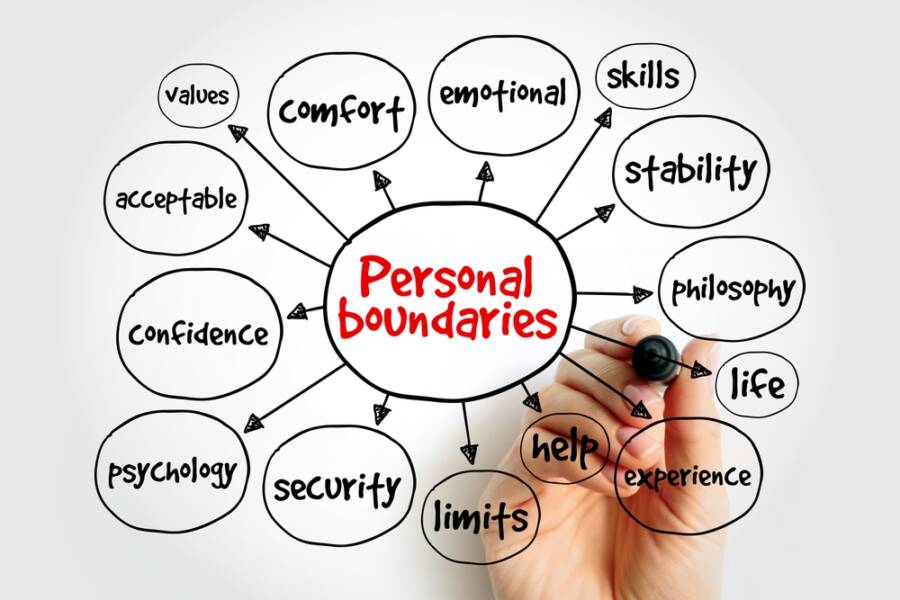
Not forgiving lets you genuinely feel and process the hurt without the pressure to simply let it go. It’s a powerful choice that creates space for healing and a deeper understanding of your emotions. Sometimes, forgiveness can appear to be something you must do, but if it doesn’t come from the heart, it may result in holding onto resentment and unresolved feelings.
Prioritizing your own needs allows you to discover a path that genuinely aligns with your values and experiences. This process of self-reflection and acceptance fosters personal growth and enables you to learn from past experiences, paving the way for healthier boundaries in future relationships.
Choosing not to forgive is a deeply personal journey that can shape your emotional well-being and personal growth. It’s important to recognize when forgiveness might not be in your best interest, as this awareness helps nurture healthier relationships and environments around you. By focusing on your values, setting boundaries, and prioritizing your mental health, you’re giving yourself the power to move forward without carrying the burden of resentment. It’s so important to honor your feelings and acknowledge your self-worth, creating room for both healing and the growth of supportive connections. Ultimately, choosing not to forgive when it feels right can lead to a more fulfilling and genuine life, where your heart and peace of mind take priority. Keep in mind, prioritizing your emotional health is not just acceptable—it’s crucial!
If you feel like you want to delve more into this subject, we recommend reading Dr. Robert Jeffress’s book ’When Forgiveness Doesn’t Make Sense’.
Read more: How to Spot Toxic Friendships Before They Drain You.







Leave a Reply