
Psychology Diary

The First Step Toward Change Is Awareness

  • Home
  • Relationships
  • Mental Health
  • Expert Tips
  • Life
  • Family
  • Marriage

The Power of Forgiveness: How Letting Go Can Improve Your Mental Health

August 31, 2025 · Mental Health

Woman gazing at a garden, conveying a sense of peace and acceptance.

Frequently Asked Questions (FAQs)

How long does it take to forgive someone?

There is no set timeline for forgiveness. It is a deeply personal process that varies for everyone and for every situation. For some, it may be a matter of weeks; for others, it could take years. It is not a linear journey—you may feel you have forgiven someone, only to have feelings of anger resurface later. This is normal. The goal is not to reach a final, perfect state of forgiveness but to continue choosing to let go each time the resentment appears. Be patient and compassionate with yourself.

Do I have to tell the person I’ve forgiven them?

No, you do not. Forgiveness is an internal act you do for your own emotional health. You are not obligated to communicate your forgiveness to the person who hurt you. In some cases, telling them might be helpful for both of you, but in other situations, especially those involving abuse or toxicity, it could be unsafe or unproductive. You are the sole decider of whether to communicate your forgiveness.

What if I forgive them and they hurt me again?

This is a common and valid fear. It highlights the critical difference between forgiveness and trust. Forgiveness is about releasing your own resentment about a past event. Trust is about believing in someone’s future behavior. You can fully forgive someone for what they did in the past while choosing not to trust them in the future. Forgiveness is compatible with strong, healthy boundaries. Forgiving someone does not mean you have to give them the opportunity to hurt you again.

Pages: 1 2 3 4 5 6 7 8 9 10

Share this article

Facebook Twitter Pinterest LinkedIn Email

Leave a Reply Cancel reply

Your email address will not be published. Required fields are marked *

Search

Latest Posts

  • A grandfather and granddaughter sitting on a wooden dock at sunset, sharing a quiet moment looking into the water. The Unexpected Health Benefits of Spending Time With Grandchildren
  • An editorial gouache illustration of an anonymous leader's profile silhouette filled with abstract patterns, representing public perception. The Psychology of Donald Trump: Traits, Behaviors, and Public Perception
  • An artistic mixed-media collage silhouette of a person filled with tangled threads, a clock dial, and watercolor shapes on textured paper. 9 Everyday Symptoms That May Be Linked to Anxiety
  • Lonely1, feel depression 10 Therapist-Approved Tips for When You're Feeling Lonely
  • A conceptual mixed media collage with a compass, geometric shapes, and watercolor washes symbolizing structure and flow. 8 Signs You’re a Self-Disciplined Person
  • A mixed media collage of a figure made of layered paper and watercolor, symbolizing emotional flexibility and resilience. 12 Signs You're Mentally Stronger Than You Realize
  • A mixed media collage of a person's face with shifting, layered textures and torn paper edges symbolizing a mental break. 10 Signs of a Psychotic Break
  • A conceptual illustration showing a father and daughter separated by a deep chasm in the floor of their dining room. 10 Habits That Push People Away (Your Children Too)
  • A conceptual collage of a head silhouette filled with shattered mirrors and warped photos, symbolizing reality distortion. 8 Ways People Distort Reality
  • An elderly woman sits alone at a dining table in soft afternoon light, looking down at a tea cup in a quiet, nostalgic home setting. 9 Emotional Wounds Adult Children Simply Don’t Realize They’re Inflicting On Their Parents

Newsletter

Get the latest posts delivered to your inbox.

Related Articles

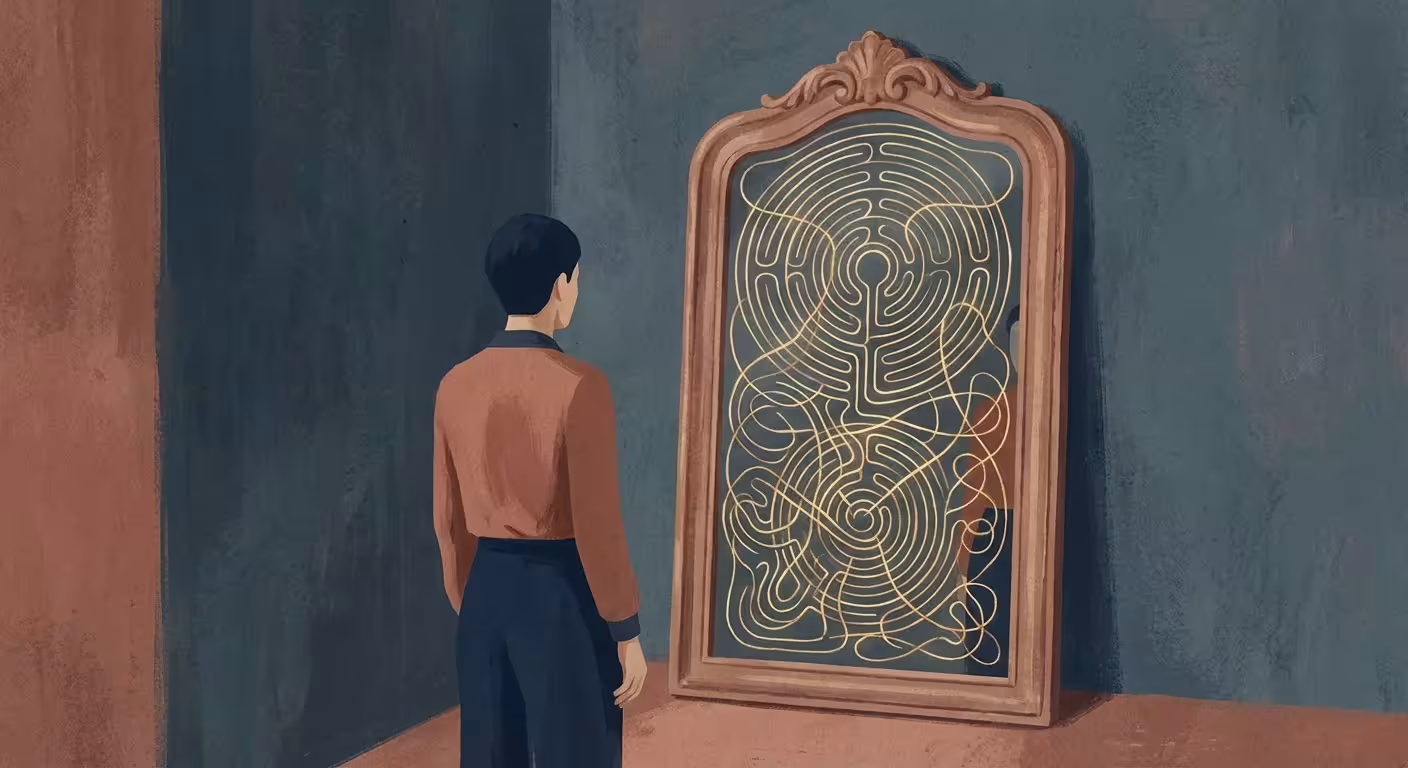
Surreal illustration of a person looking into a mirror that reflects a golden labyrinth, symbolizing internal complexity.

The 6 Most Dangerous Lies We Tell Ourselves Every Day

Uncover the 6 most dangerous lies we tell ourselves daily, from perfectionism to control fallacies,…

Read More →
tips for de-stressing

8 Tips for De-Stressing After a Conflict

7. Distance yourself from the situation We all feel more emotional immediately after a disagreement,…

Read More →
PTSD, mental health depression

PTSD: How To Navigate Fireworks Season

How to Tackle Your Ptsd-Symptoms This Season Summer brings along with it bright and booming…

Read More →
dementia myth

7 Worst Types of Dementia and How to Identify Yours

…Are you scared of dementia? According to research, dementia is one of the most prevalent…

Read More →
toxic self relationship and self love, taking to a narcissist, midlife crisis

5 Clear Indicators of Toxic Self-Relationship

How toxic are you being with yourself? I hope you know that more important than…

Read More →
Borderline Personality Disorder

Borderline Personality Disorder: 8 Most Scary Misunderstandings

Let’s talk about the most common myths surrounding borderline personality disorder. Borderline personality disorder is…

Read More →
antidepressants

6 Natural Antidepressants That Might Help With Depression

Did you know that there are a lot of natural antidepressants that could improve your…

Read More →
Sudden Retirement Syndrome

4 Signs of Sudden Retirement Syndrome and How to Deal With It

How to cope with sudden retirement syndrome Experts recommend the following tips to help new…

Read More →
An older woman in a knit sweater sits on a porch at dawn, holding a steaming mug and looking thoughtfully at a misty garden.

The Power of Gratitude: How Seniors Can Use It to Live Happier Lives

Discover how a daily gratitude practice can help seniors improve mental well-being, protect cognitive health,…

Read More →

Psychology Diary

The First Step Toward Change Is Awareness

Inedit Agency S.R.L.
Bucharest, Romania

contact@psychologydiary.com

Explore

  • About Us
  • Advertiser Disclosure
  • Contact Us
  • Disclaimer
  • Do not sell my personal information
  • Editorial Policy
  • Frequently Asked Questions
  • Privacy Policy
  • Terms and Conditions
  • Subscribe
  • Unsubscribe

Categories

  • Expert Tips
  • Family
  • Life
  • Marriage
  • Mental Health

© 2026 Psychology Diary. All rights reserved.