Psychology Diary

The First Step Toward Change Is Awareness

  • Home
  • Relationships
  • Mental Health
  • Expert Tips
  • Life
  • Family
  • Marriage

Understanding Common Mental Health Challenges in Older Adults

August 31, 2025 · Mental Health

Caregiver offers tea to loved one in a kitchen.

A Guide for Caregivers: Supporting a Loved One

Watching a parent, spouse, or friend struggle with their mental health is incredibly difficult. You may feel helpless, frustrated, or even guilty. Your role is not to be their therapist, but to be a source of compassionate support. This requires patience, understanding, and strong boundaries to protect your own well-being.

What Helps: Validation and Practical Support

Listen Without Judgment: The most powerful thing you can do is offer a safe space for them to talk. You don’t need to have the answers. Simply listening and saying things like, “That sounds really hard,” or “I’m so sorry you’re feeling this way,” can make a world of difference. This validates their experience.

Focus on Small, Concrete Actions: Instead of saying “Let me know if you need anything,” offer specific help. “I’m going to the grocery store, what can I pick up for you?” or “Would you like to take a short walk with me around the block?” This removes the burden of them having to ask.

Encourage Professional Help Gently: Avoid demands or ultimatums. Frame it with “I” statements. “I’m worried about you because I’ve noticed you haven’t been eating much. I think it would be a good idea to talk to Dr. Smith about it. I can help you make the appointment and go with you if you’d like.”

What to Avoid: Fixing and Minimizing

Don’t Try to “Fix” Them: Resist the urge to offer simplistic solutions like “You just need to think positive” or “Snap out of it.” These phrases, though well-intentioned, can feel dismissive and increase feelings of shame. Mental health conditions are not a matter of willpower.

Don’t Take It Personally: Depression and anxiety can make a person irritable, withdrawn, or apathetic. It’s easy to feel that their behavior is a reflection on you. Try to remember that these are symptoms of their condition, not a personal attack.

Caring for the Caregiver

You cannot pour from an empty cup. Caregiver burnout is real and serious. You must prioritize your own health. Find someone you can talk to, whether it’s a friend, a support group, or a therapist. Seek out mental health resources for older adults and their families; organizations like the Area Agency on Aging can often connect caregivers with respite care (temporary relief) and other support services. Setting boundaries is not selfish—it’s essential for sustainable care.


Pages: 1 2 3 4 5 6 7 8 9 10

Share this article

Facebook Twitter Pinterest LinkedIn Email

Leave a Reply Cancel reply

Your email address will not be published. Required fields are marked *

Search

Latest Posts

  • Editorial ink and watercolor illustration of a person wearing a suit of mirrors as protective armor, symbolizing defensive ego preservation. 9 Signs You Struggle to Admit Mistakes
  • A conceptual mixed-media collage showing dark, chaotic textures emerging from a clean paper silhouette, symbolizing hidden guilt leaking out 7 Signs Someone May Feel Guilty About Something
  • An editorial illustration of a person sitting at a table with a root system growing from their chair into the floorboards. The Mental Symptoms Many People Ignore Until It's Too Late
  • An editorial watercolor illustration of two people sitting at an impossibly long dining table, symbolizing emotional distance. 10 Behaviors That Can Push People Away
  • A grandfather and granddaughter sitting on a wooden dock at sunset, sharing a quiet moment looking into the water. The Unexpected Health Benefits of Spending Time With Grandchildren
  • An editorial gouache illustration of an anonymous leader's profile silhouette filled with abstract patterns, representing public perception. The Psychology of Donald Trump: Traits, Behaviors, and Public Perception
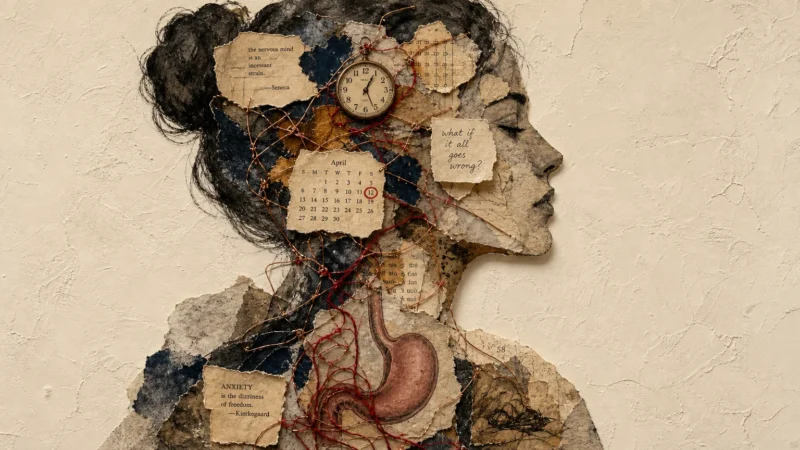
  • An artistic mixed-media collage silhouette of a person filled with tangled threads, a clock dial, and watercolor shapes on textured paper. 9 Everyday Symptoms That May Be Linked to Anxiety
  • Lonely1, feel depression 10 Therapist-Approved Tips for When You're Feeling Lonely
  • A conceptual mixed media collage with a compass, geometric shapes, and watercolor washes symbolizing structure and flow. 8 Signs You’re a Self-Disciplined Person
  • A mixed media collage of a figure made of layered paper and watercolor, symbolizing emotional flexibility and resilience. 12 Signs You're Mentally Stronger Than You Realize

Newsletter

Get the latest posts delivered to your inbox.

Related Articles

dementia myth

7 Worst Types of Dementia and How to Identify Yours

…Are you scared of dementia? According to research, dementia is one of the most prevalent…

Read More →
memory

Forgot Something? Don’t Worry – These 7 Memory Problems Are Normal

Sometimes, we all forget things. Maybe you need to find your keys or remember the…

Read More →
Sudden Retirement Syndrome

4 Signs of Sudden Retirement Syndrome and How to Deal With It

How to cope with sudden retirement syndrome Experts recommend the following tips to help new…

Read More →
Woman looking out window in sunlit room.

Understanding Seasonal Affective Disorder (SAD) in Older Adults

Frequently Asked Questions (FAQ) Is SAD just the ‘winter blues’? While the terms are often…

Read More →
high-level thinker

Are You a High-Level Thinker? Read What Psychologists Say

How can you tell if you are a high-level thinker?  When you say “high-level thinker,”…

Read More →
A sophisticated woman in her 60s looking out a window in a bright, modern home.

7 Habits That Secretly Destroy Your Mental Health After 60

Are your daily habits silently harming your mental health? Discover 7 hidden behaviors, from dehydration…

Read More →
An artistic mixed-media collage silhouette of a person filled with tangled threads, a clock dial, and watercolor shapes on textured paper.

9 Everyday Symptoms That May Be Linked to Anxiety

Discover the hidden, everyday signs of an anxiety disorder—from chronic procrastination to digestive distress—and learn…

Read More →
Parkinson's disease

Parkinson’s Disease: 9 Unusual Signs You Have It!

8. Dystonia Dystonia refers to a group of symptoms characterized by involuntary muscular twisting, spasm,…

Read More →
A man in his 60s working with clay in a pottery studio, symbolizing the transition from a career to a new personal purpose.

How to Rebuild Your Identity and Purpose After You Stop Working

Discover actionable, research-backed strategies to rebuild your identity, navigate emotional transitions, and find genuine purpose…

Read More →

Psychology Diary

The First Step Toward Change Is Awareness

Inedit Agency S.R.L.
Bucharest, Romania

contact@psychologydiary.com

Explore

  • About Us
  • Advertiser Disclosure
  • Contact Us
  • Disclaimer
  • Do not sell my personal information
  • Editorial Policy
  • Frequently Asked Questions
  • Privacy Policy
  • Terms and Conditions
  • Subscribe
  • Unsubscribe

Categories

  • Expert Tips
  • Family
  • Life
  • Marriage
  • Mental Health

© 2026 Psychology Diary. All rights reserved.