Psychology Diary

The First Step Toward Change Is Awareness

  • Home
  • Relationships
  • Mental Health
  • Expert Tips
  • Life
  • Family
  • Marriage

What Is Cuffing Season & How To Get Over It

December 16, 2021 · Relationships
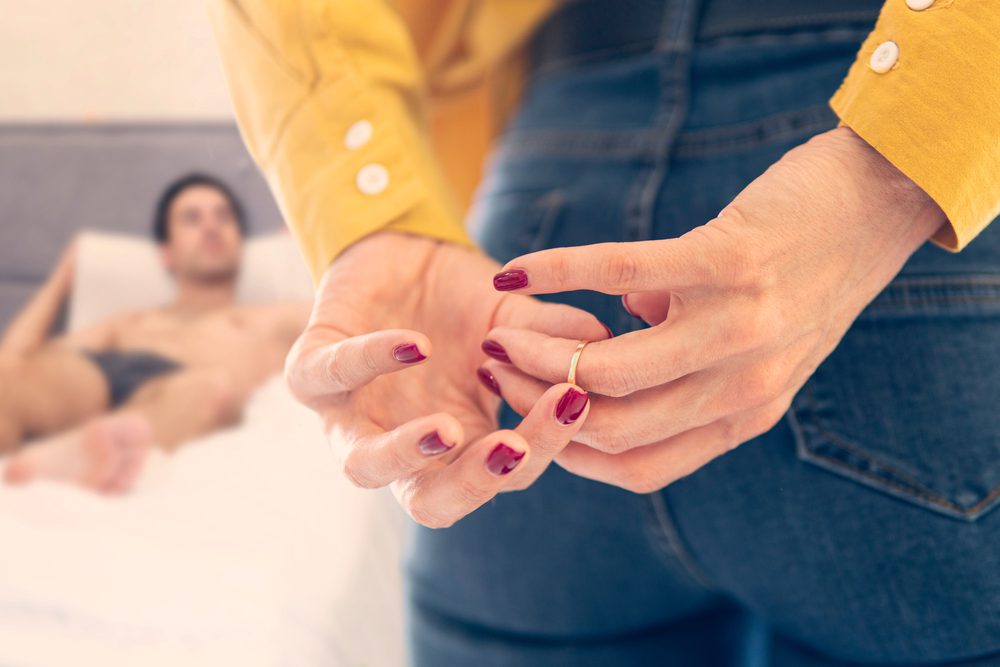
cuffing season
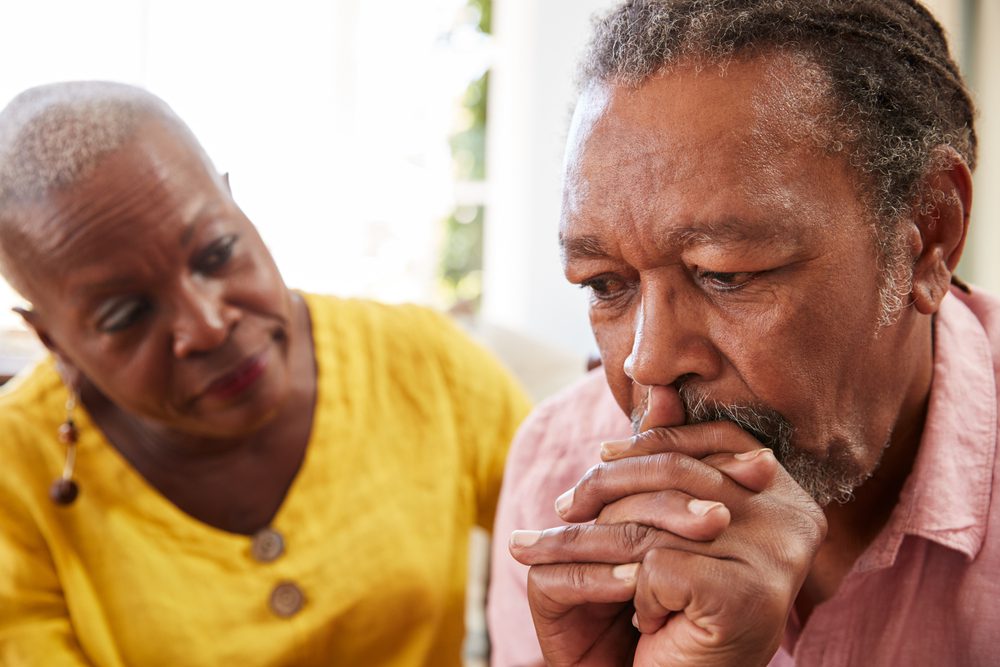
Photo by Roman Samborskyi from shutterstock.com

What is cuffing season?

Cuffing season is when single people, who are happy and joyful around the summer, and who also have fun dating, start looking for something more meaningful when the cold weather occurs. They want to find a special person to spend the colder months with. For some of them, these relationships last only for the winter season, while others can completely fall in love with each other and maintain relationships.

We wanted to understand cuffing season better, so we spoke to Amie Leadingham, who is a relationship expert. According to her, the name of this phenomenon comes from some people’s strong desire to be “cuffed” (handcuffed) by a serious relationship.

When is it cuffing season? 

We have previously established that cuffing season makes its appearance when the weather gets colder, the day shorter, and the desire to get comfy on the couch with someone gets stronger.

Each person has a different reason they are looking for a relationship when winter hits. Some of them don’t like it when it’s too cold and snowy outside, and they prefer to stay inside of their own comfy homes. But why stay all alone, when you can hug someone you feel close to?

For others, cuffing season begins before the holidays, so they have someone to share them with. In warmer climates, this season can start a little bit later, while in colder climates it might get an early headstart. 

In conformity with Amie Leadingham, it is believed that cuffing season can last from October to Valentine’s Day. After the day when people are celebrating their love and they give each other gifts, it usually starts to get warm again. This is why many couples tend to go their ways and prepare to be single, free, and happy by themselves again. Some of them realize they are better off together, but cases like this are quite rare.

Tips for finding a partner 

  • start early – if the only reason you are looking for someone is to spend the winter with, not the rest of your life, you still need to find someone you are attracted to. You will be with them for a few months, and given the fact that it’s cold outside, you will spend a lot of time together. And if you want to make sure to enjoy these couple of months, make sure you go on several dates, to find out what you like… or not. It is believed that many people start their searching seriously just after Labor Day.
  • be happy with your choices – according to Amie Leadingham, there are many people out there, who are looking for a partner, just like you. Don’t be afraid to swipe through dating apps, such as Tinder, Bumble, or Hinge. Also, make sure you say yes to parties, events, and even consider joining sports leagues. Who knows who you’ll end up finding?.
  • do the work – just because you are looking for a partner, it doesn’t mean that they will knock on your door on the first day of winter. You have to make yourself emotionally and physically attractive and available. As our relationship expert says, confidence is key when it comes to finding a partner during cuffing season. She added that you need to take care of yourself first because all comes from within. Like attracts like, so take some time for yourself!
  • don’t forget about the smart questions – I can’t stress this enough, but make sure you set your desires and expectations from the beginning! You might be looking for a short-term partner, but not everyone does the same. In order to not get disappointed, you should talk about every little detail with your future partner. This means questions like “What are you looking for right now?”, “What do you expect from your partner?” etc.

The next topic is for people who are not looking for a partner for the cold season but are willing to get over this quite harder period of time…

Pages: 1 2 3

Share this article

Facebook Twitter Pinterest LinkedIn Email

Leave a Reply Cancel reply

Your email address will not be published. Required fields are marked *

Search

Latest Posts

  • A mixed media collage of a figure made of layered paper and watercolor, symbolizing emotional flexibility and resilience. 12 Signs You're Mentally Stronger Than You Realize
  • A mixed media collage of a person's face with shifting, layered textures and torn paper edges symbolizing a mental break. 10 Signs of a Psychotic Break
  • A conceptual illustration showing a father and daughter separated by a deep chasm in the floor of their dining room. 10 Habits That Push People Away (Your Children Too)
  • A conceptual collage of a head silhouette filled with shattered mirrors and warped photos, symbolizing reality distortion. 8 Ways People Distort Reality
  • An elderly woman sits alone at a dining table in soft afternoon light, looking down at a tea cup in a quiet, nostalgic home setting. 9 Emotional Wounds Adult Children Simply Don’t Realize They’re Inflicting On Their Parents
  • A mixed-media collage of a fragmented silhouette head with an anchor being cut, symbolizing the loss of one's grip on reality. 10 Signs Someone Is Trying to Distort Your Reality
  • A mixed media collage of a beautiful white flower with hidden barbed wire roots and thorny stems on a textured vintage paper background. 8 Behaviors That Reveal Hidden Toxicity
  • A candid photo of a couple in a dim living room, showing a sense of emotional distance and unspoken tension. 10 Traits That May Reveal Covert Narcissism
  • A couple sits on a sofa in a dimly lit room, one person looking at a phone while the other looks away, capturing a moment of secrecy. 8 Signs Someone May Be Hiding More Than They Admit
  • An ink and watercolor illustration of a human head cracking like stone, with golden light leaking through the fissures. 11 Small Clues That Can Expose a Lie

Newsletter

Get the latest posts delivered to your inbox.

Related Articles

9 Big Trusty Ways to Prevent Paranoia From Ruining Your Relationship

Trust issues could easily destroy a relationship when not handled properly. Maybe you’ve gotten them…

Read More →
A person sits in a dimly lit room, staring thoughtfully out a window during twilight, capturing a mood of emotional stillness.

7 Signs Someone Is Emotionally Stuck In The Past

Discover the 7 psychological signs someone is emotionally stuck in the past, from chronic rumination…

Read More →
red flags that no therapist can fix, relationship

10 Relationship Red Flags that No Therapist Can Fix 

Excessive jealousy A tad bit of jealousy never hurts anybody, but this may be one…

Read More →
A person sits alone on a sofa at dusk, looking exhausted and leaning their head on their hand in a dimly lit, lived-in living room.

8 Signs You’re Emotionally Drained By Someone Close To You

Learn the biological and psychological signs of emotional exhaustion in relationships, and discover expert-backed strategies…

Read More →
signs of childhood trauma

5 Warning Signs of Childhood Trauma in Adult Life

Can we identify the signs of childhood trauma in adult life?  In recent years, people…

Read More →
Illustration of a person looking into a mirror, oblivious to the people around them who are fading into the background.

8 Keys to Recognizing the Faces of Egocentric Behavior

Learn to identify the eight faces of egocentric behavior, understand the psychological difference from narcissism,…

Read More →
chatgpt

5 Ways ChatGPT Can Support Your Mental Health

ChatGPT can help you more than you think! Love it or hate it, AI, especially…

Read More →
cheating traits

Cheating Traits: 6 Shocking Ones Present in Unfaithful Women!

Her words may betray her true intentions If you are not careful, you may believe…

Read More →
emotionally support your partner

5 Best Ways to Emotionally Support Your Partner

From time to time, you will need to emotionally support your partner, but do you…

Read More →

Psychology Diary

The First Step Toward Change Is Awareness

Inedit Agency S.R.L.
Bucharest, Romania

contact@psychologydiary.com

Explore

  • About Us
  • Advertiser Disclosure
  • Contact Us
  • Disclaimer
  • Do not sell my personal information
  • Editorial Policy
  • Frequently Asked Questions
  • Privacy Policy
  • Terms and Conditions
  • Subscribe
  • Unsubscribe

Categories

  • Expert Tips
  • Family
  • Life
  • Marriage
  • Mental Health

© 2026 Psychology Diary. All rights reserved.