
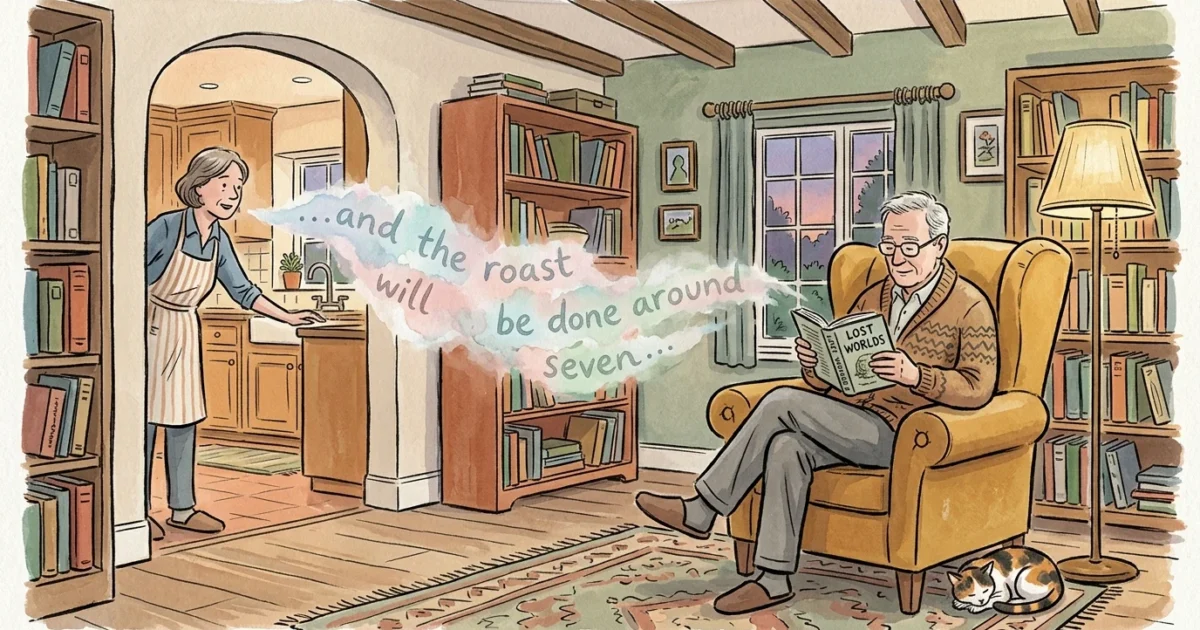
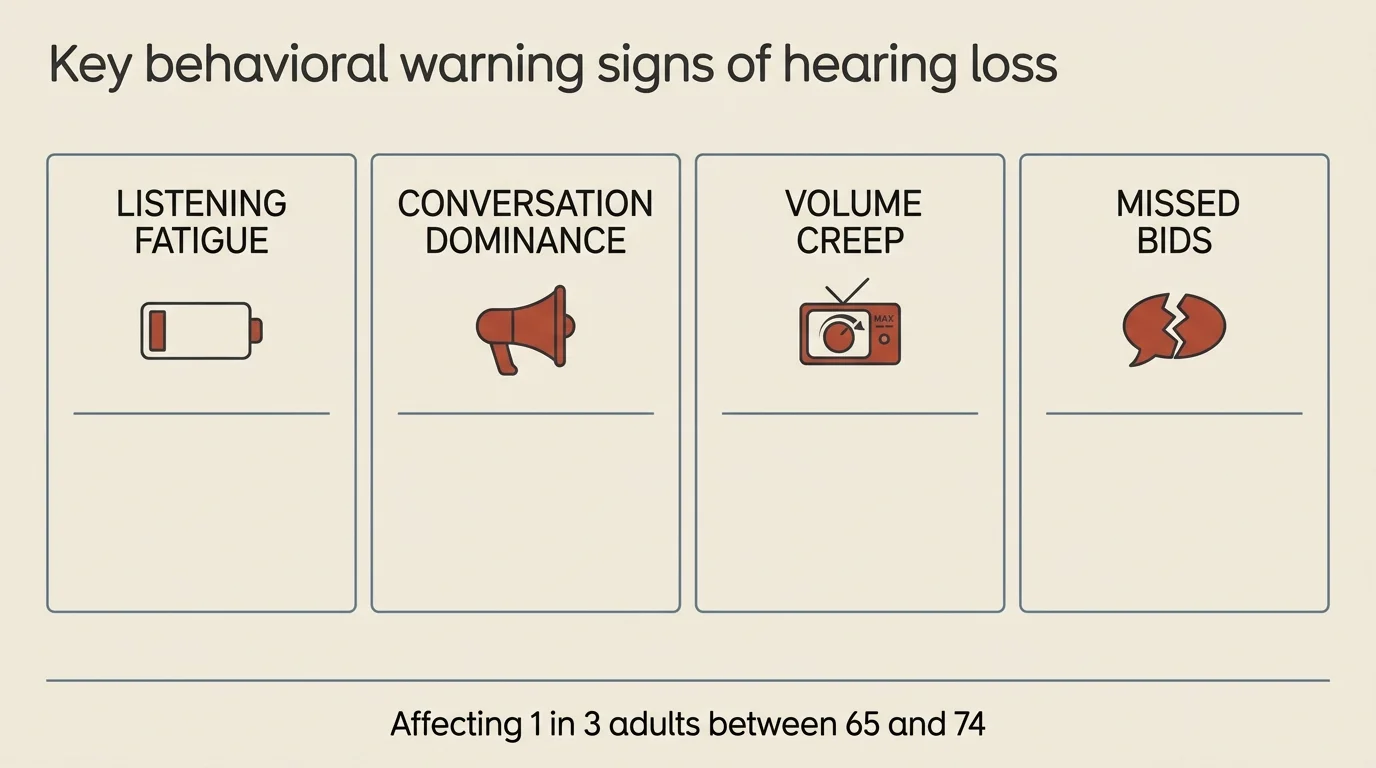
When you repeatedly ask your partner to repeat themselves or turn the television up, you might brush it off as a harmless quirk of getting older. However, these subtle shifts are often the first unrecognized symptoms of age-related hearing loss—a condition affecting roughly one in three adults between 65 and 74. Leaving this sensory decline untreated does far more than frustrate your family. It actively accelerates social isolation, damages emotional intimacy, and significantly increases your risk for depression and cognitive decline. By learning to identify the earliest behavioral and psychological signs of hearing loss, you can protect your auditory health and intervene before these changes fundamentally alter your relationships and mental well-being.

Quick Summary: What You’ll Learn
- How untreated sensory decline impacts mental health, increasing risks for depression and cognitive decline.
- The 7 subtle psychological and behavioral warning signs of hearing loss, including “listening fatigue” and conversation dominance.
- Why missing conversational “bids for connection” severely damages romantic intimacy.
- Common misconceptions surrounding senior hearing health and aging signs.
- Practical, empathy-driven strategies for communicating effectively with a partner experiencing auditory changes.
The Hidden Psychological Toll of Untreated Hearing Loss
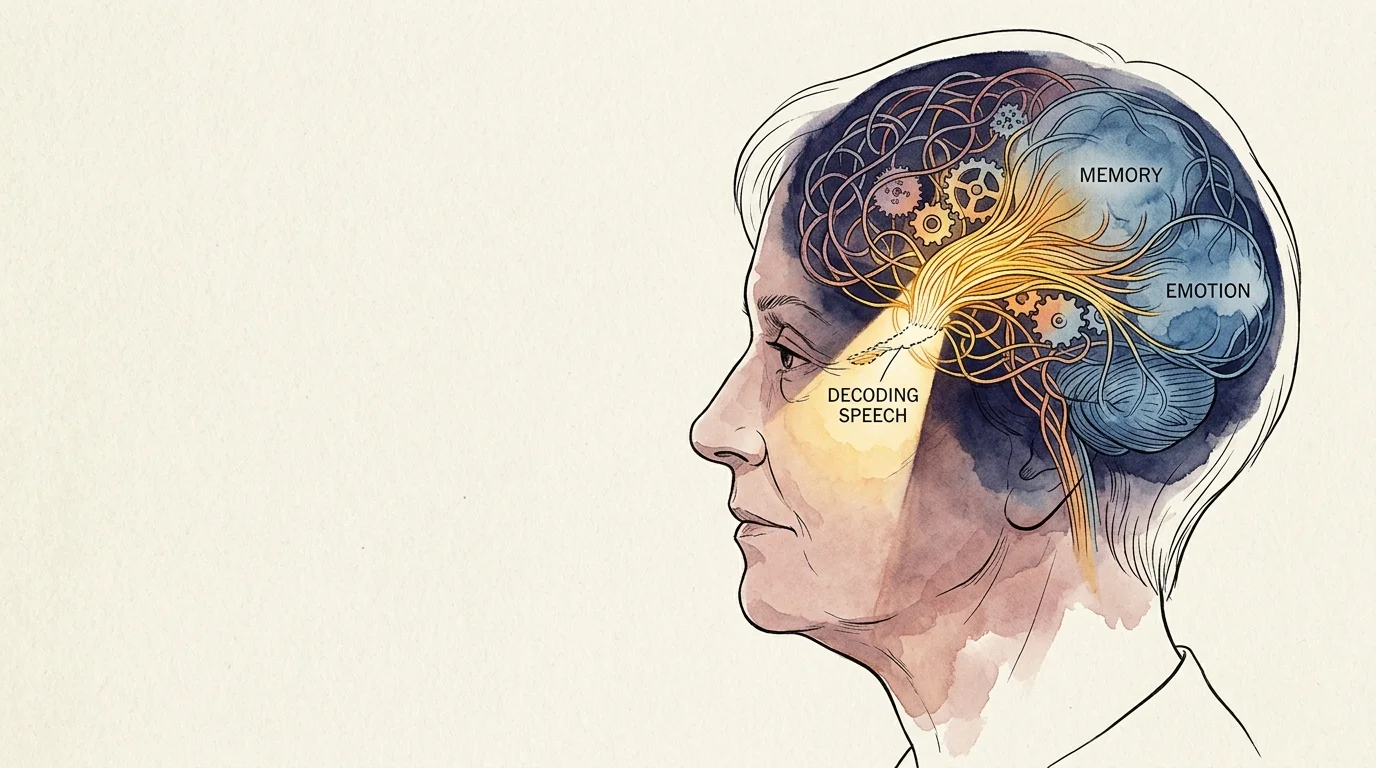
When most people think of hearing problems, they picture a purely physical limitation—a gradual wearing down of the microscopic hair cells within the inner ear. However, the true impact of age-related hearing loss unfolds primarily within the brain and the mind. It is a profoundly psychological experience that alters how you interact with your environment, how you connect with the people you love, and how you perceive your own identity.
As your auditory acuity diminishes, your brain is forced to continuously reallocate its cognitive resources. The mental energy normally reserved for memory retention, critical thinking, and emotional processing is hijacked simply to decode muffled speech. This persistent cognitive load leaves you mentally drained, highly stressed, and increasingly susceptible to emotional dysregulation. Over time, the sheer effort required to communicate takes a heavy toll.
The most insidious consequence of this sensory decline is a slow, involuntary retreat into social isolation. When participating in a simple conversation requires exhausting mental gymnastics, withdrawing from the world feels like the safest, most comfortable option. Unfortunately, this withdrawal sets a devastating neurological and psychological cascade in motion. According to the 2024 update of the Lancet Commission on dementia prevention, intervention, and care, addressing modifiable risk factors across the lifespan could prevent up to 45 percent of dementia cases—and hearing loss remains one of the most critical modifiable risk factors identified. The isolation that accompanies untreated auditory decline strips your brain of vital social stimulation, creating a perfect storm for both clinical depression and accelerated cognitive decline.
Communication is the lifeblood of emotional stability. When that channel becomes distorted, we lose our primary tool for emotional regulation and human connection. As psychologist Carl Rogers profoundly noted regarding the fundamental human need for understanding:
“It is astonishing how elements that seem insoluble become soluble when someone listens, how confusions that seem irremediable turn into relatively clear flowing streams when one is heard.” — Carl Rogers, Psychologist
Addressing hearing loss isn’t just about restoring physical sound; it is about restoring the deeply therapeutic, stabilizing force of mutual understanding in your life.
7 Early Warning Signs of Hearing Loss You Shouldn’t Ignore
Because age-related hearing loss progresses gradually over years or even decades, the brain has time to develop sophisticated coping mechanisms to hide the deficit. Often, the earliest warning signs are not strictly related to volume, but rather behavioral and emotional shifts. Here are seven unrecognized hearing loss symptoms that seniors often dismiss as inevitable aging signs.
1. The “Mumbling” Illusion
As hearing deteriorates, it rarely happens evenly across all sound frequencies. Typically, the high-frequency hair cells in the inner ear are the first to degrade. These cells are responsible for detecting high-pitched consonant sounds—like “s,” “f,” “th,” and “sh.” Meanwhile, your ability to hear low-frequency vowel sounds remains perfectly intact.
The psychological result is deeply confusing. You can hear the volume of someone’s voice, but the clarity is entirely gone. To your brain, it sounds exactly as if everyone around you has suddenly started speaking with marbles in their mouths. Instead of recognizing this as a sensory deficit, the natural human defense mechanism is to project the problem outward. You might find yourself constantly criticizing your spouse for mumbling or complaining that modern actors on television refuse to enunciate. This outward projection shields you from the vulnerability of admitting a physical decline.
2. Exhausting “Listening Fatigue”
If you find yourself needing a long nap after a two-hour family dinner, you might write it off as a normal part of getting older. However, this profound exhaustion is often a phenomenon known as “listening fatigue.”
When you have optimal hearing, speech comprehension is a passive, automatic function of the brain. When you suffer from hearing problems, comprehension transforms into an active, labor-intensive puzzle. Your brain must constantly use context clues, visual cues, and guesswork to fill in the auditory blanks. This intense cognitive load demands immense energy from your prefrontal cortex. The sheer mental effort required to exist in social spaces leaves you physically drained, irritable, and desperate for the silent relief of an empty room.
3. Strategic Avoidance of Noisy Environments
A critical pillar of healthy aging involves staying socially active, but untreated hearing loss actively sabotages this effort. One of the most common early behavioral shifts is the sudden, strategic avoidance of restaurants, family gatherings, or community events.
In environments with heavy background noise—clinking silverware, overlapping conversations, background music—the brain loses its ability to isolate the specific voice it wants to focus on. A lively dinner party quickly becomes an overwhelming, stressful wall of incomprehensible static. Rather than facing the embarrassment of constantly asking people to repeat themselves or sitting quietly while feeling left out, you might start declining invitations altogether. This self-imposed isolation is a direct pathway to chronic loneliness.
4. Missing Emotional Cues and Relationship Bids
In the world of relationship psychology, successful couples thrive on small, everyday moments of engagement. A partner might sigh softly in frustration, chuckle at a memory, or make a quiet observation about the weather. These moments are “bids for connection,” and missing them takes a massive toll on a partnership.
When you have undiagnosed hearing loss, you often miss these quiet bids. To you, the room is simply silent. To your partner, it feels like you are ignoring them, withdrawing your affection, or deliberately acting cold. Over time, this unintentional neglect breeds deep resentment and emotional distance.
5. Dominating Conversations as a Defense Mechanism
It sounds contradictory, but becoming overly talkative can be a major warning sign of hearing loss. When you control the conversation, you dictate the pace and the topic, which means you do not have to strain to hear or understand anyone else.
This psychological defense mechanism prevents the uncomfortable reality of your sensory deficit from being exposed. If you are telling a long story, you don’t have to worry about answering a question incorrectly or asking a friend to repeat themselves for the fourth time. Unfortunately, this one-sided communication style alienates friends and family, making them feel unheard and undervalued.
6. Relying Heavily on Visual Clues and Lip-Reading
You may not even realize you are doing it, but your brain is incredibly adaptive. When auditory input fails, the brain leans heavily on visual information to bridge the gap.
You might notice that you can only understand your partner when they are facing you directly in a well-lit room. If they turn around to look in the refrigerator while speaking, their voice suddenly becomes incomprehensible. You may find yourself intensely staring at people’s mouths while they talk rather than making natural eye contact. When relying on visual cues becomes your primary method of communication, it is a clear indicator that your auditory processing needs evaluation.
7. Developing Uncharacteristic Social Anxiety or Suspicion
The psychological strain of navigating a world you can only partially hear takes a heavy emotional toll. You might begin experiencing intense anxiety before social interactions, terrified that you will give an inappropriate response to a question you misunderstood and embarrass yourself.
In more severe cases, this anxiety morphs into suspicion or mild paranoia. When you hear muffled laughter across the room or see two family members talking quietly without being able to decipher their words, it is easy for the brain to jump to the conclusion that they are talking about you. This paranoia stems directly from the vulnerability and loss of control associated with untreated sensory decline.

How Hearing Loss Strains Your Closest Relationships
It is impossible to separate your physical hearing health from your relational health. The American Psychological Association emphasizes that chronic communication breakdowns are a leading cause of marital dissatisfaction in later life. When one partner is losing their hearing, both partners suffer—albeit in entirely different ways.
For the person experiencing the decline, there is a lingering sense of inadequacy, shame, and frustration. For the partner with normal hearing, there is exhaustion from constantly acting as a translator, repeating sentences, and feeling unheard.
“In any interaction, there is a possibility of connecting with your partner or turning away from your partner.” — John Gottman, Relationship Researcher
When you fail to respond to your partner because you literally did not hear them, it registers emotionally to them as “turning away.” The partner begins to feel invisible. They may stop sharing small, intimate thoughts entirely, assuming you simply no longer care. Taking charge of senior hearing health means taking responsibility for the emotional environment of your relationship. By getting a hearing test, you are sending a powerful message to your partner: “I want to hear you. You are worth the effort.”
Patterns to Watch For: Common Misconceptions
Denial is a powerful psychological force, especially when it comes to aging. Watch out for these common internal narratives that prevent people from seeking the help they need:
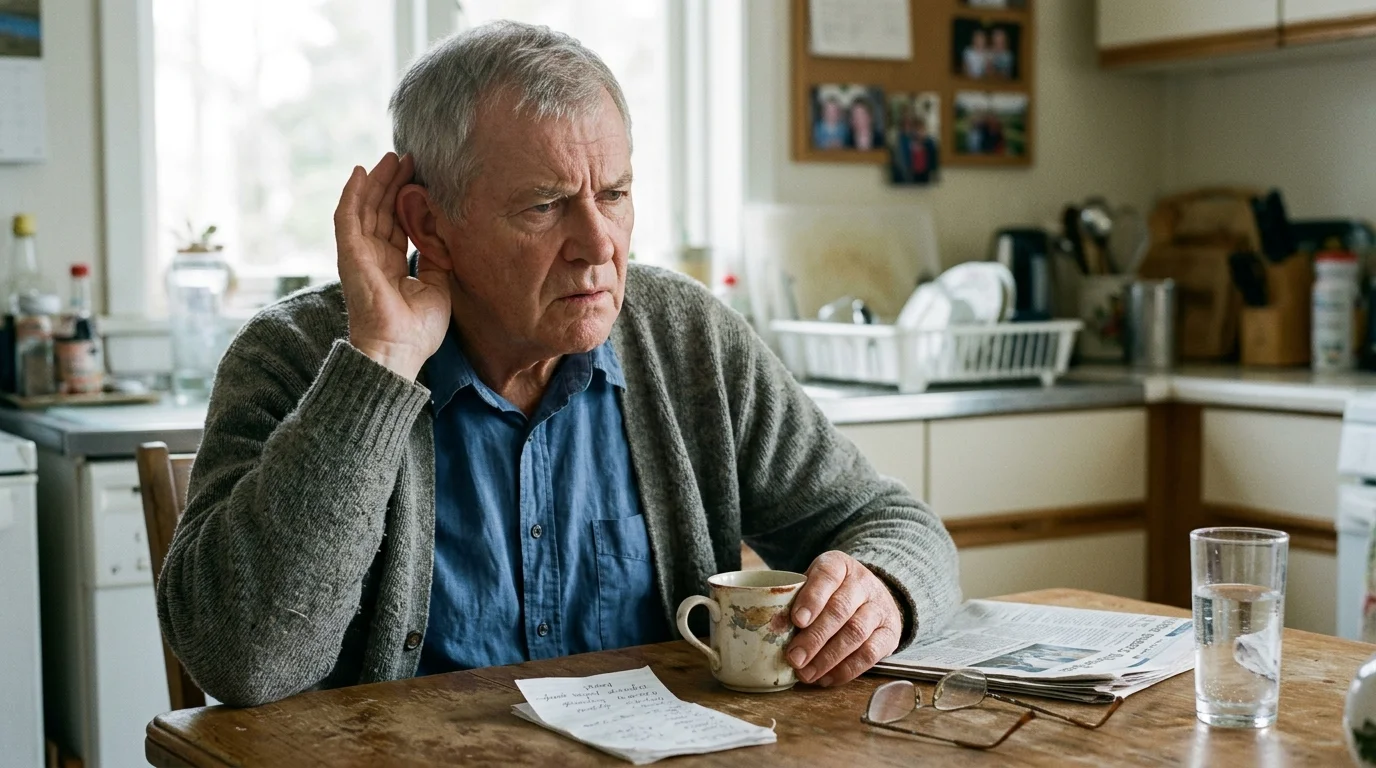
- “I would know if I were going deaf.” Because age-related hearing loss happens incrementally over decades, your brain continuously adjusts its baseline for what “normal” sounds like. You will likely be the very last person to notice the severity of your decline; your family will notice it years before you do.
- “Hearing aids will make me look old and frail.” This is a common vanity concern masking a deeper fear of aging. In reality, constantly saying “What?” or giving inappropriate answers to questions makes a person appear much older and more disconnected than a discreet, modern hearing aid ever could.
- “My hearing is fine in quiet rooms, so it’s not a real problem.” The hallmark of early hearing loss is difficulty hearing in background noise. Just because you can hear one-on-one in a silent room does not mean your hearing health is intact.
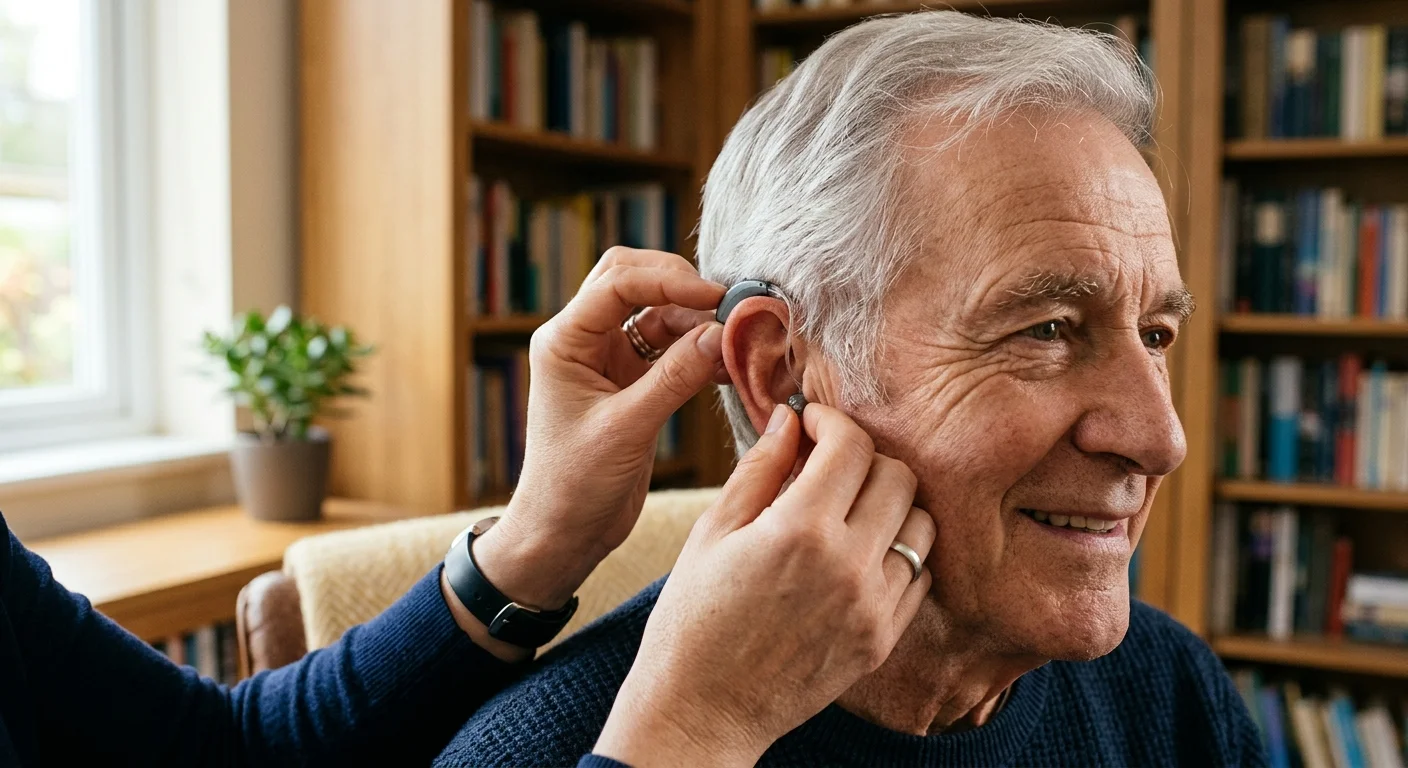
When Self-Help Isn’t Enough: Seeking Professional Care
While self-awareness and improved communication strategies are vital, they cannot reverse physical changes in the inner ear. You should seek out an audiologist or an ear, nose, and throat (ENT) physician immediately if you experience any of the following:
- Sudden hearing loss: If you lose hearing rapidly over a few days or wake up unable to hear in one ear, this is a medical emergency requiring immediate attention, not normal aging.
- Severe depressive symptoms: If your inability to communicate has led to profound sadness, withdrawal from loved ones, or changes in your sleeping and eating habits, consult a mental health professional alongside an audiologist.
- Cognitive changes: If you or your family notice significant memory lapses, intense confusion in social settings, or signs of cognitive decline, it is crucial to undergo a comprehensive medical and audiological evaluation.
- Relationship deterioration: If hearing issues are causing daily fights, deep resentment, or a complete lack of intimacy with your partner, consider couples counseling in tandem with audiological treatment.

Practical Steps for Navigating Hearing Loss Together
If you or your partner are navigating the early stages of hearing loss, adjusting how you communicate can dramatically reduce daily friction. Below is a comparison of common communication mistakes and the psychologically effective alternatives you should use instead.
| Ineffective Strategy | Why It Fails Psychologically | Effective, Connection-Building Alternative |
|---|---|---|
| Shouting from another room | Distance distorts consonants; yelling triggers defensive stress responses and frustration. | Walk into the same room, establish eye contact, and speak face-to-face before talking. |
| Speaking louder / Yelling | Volume does not equal clarity. Yelling distorts facial expressions, making you look angry. | Speak slightly slower, enunciate clearly, and maintain a normal, calm volume. |
| Saying “Never mind” | It dismisses the person entirely, creating immediate feelings of isolation and shame. | Patiently rephrase the sentence using different words if they didn’t catch it the first time. |
| Pretending to hear | Leads to inappropriate responses, confusion, and eventual resentment from both sides. | Advocate for yourself: “I didn’t catch that, could you look at me while you say it?” |
Frequently Asked Questions (FAQ)
Does untreated hearing loss really increase the risk of dementia?
Yes. The 2024 Lancet Commission update confirms that hearing loss is one of the most significant modifiable risk factors for cognitive decline. Untreated hearing loss increases cognitive load and accelerates social isolation, both of which deprive the brain of the stimulation needed to maintain healthy neural pathways. Treating hearing loss with hearing aids has been shown to mitigate this risk.
How can I talk to my partner about their hearing loss without offending them?
Approach the conversation with empathy rather than frustration. Avoid having this discussion during an argument or immediately after a communication breakdown. Use “I” statements, such as, “I feel disconnected from you when we can’t converse easily,” rather than accusing them of not listening. Focus on the health of the relationship and your shared desire to stay emotionally connected.
Is a baseline hearing test necessary if I don’t have severe symptoms?
Yes. The National Institute on Aging (NIA) recommends regular hearing screenings for older adults. Establishing a baseline makes it easier for an audiologist to track subtle, progressive changes over time. Early intervention is significantly more effective than waiting until the sensory loss severely impacts your daily functioning and mental health.
Are hearing aids the only solution for age-related hearing loss?
While hearing aids are the most common and effective medical treatment for age-related sensorineural hearing loss, they are part of a broader approach. Auditory rehabilitation, utilizing assistive listening devices (like TV streamers), and employing strategic communication techniques are all necessary components of maintaining your hearing health.
Next Steps for Your Hearing Health
Acknowledging that your hearing is changing requires a tremendous amount of vulnerability and courage. It is entirely normal to feel grief, frustration, or fear when confronting a physical decline. However, treating your hearing health is one of the most profound acts of self-care you can undertake. By making an appointment for a simple audiological evaluation, you are choosing connection over isolation. You are choosing to stay fully present in your own life, ensuring that you can continue to hear the voices, laughter, and subtle emotional cues of the people who matter most.
This is educational content based on psychological research and general principles. Individual experiences vary significantly. For personalized guidance, consult a licensed therapist, psychologist, or medical professional.
Last updated: July 2026. Psychology research evolves continuously—verify current findings with professional sources.








Leave a Reply