

Do you know someone who is physically present but emotionally anchored to a time that has already passed? This inability to move forward is rarely a conscious choice. Rather, it is the brain’s desperate attempt to process unresolved pain, trauma, or profound loss. When a person is emotionally stuck in the past, their history becomes a filter for every current relationship and setback. Instead of learning from what happened, they live inside it. Recognizing the behavioral signs of emotional stagnation is the crucial first step toward breaking this cycle. Whether you are trying to understand a partner, support a friend, or evaluate your own emotional landscape, identifying these core patterns can help shift focus back to today.
The Psychology of Unresolved History
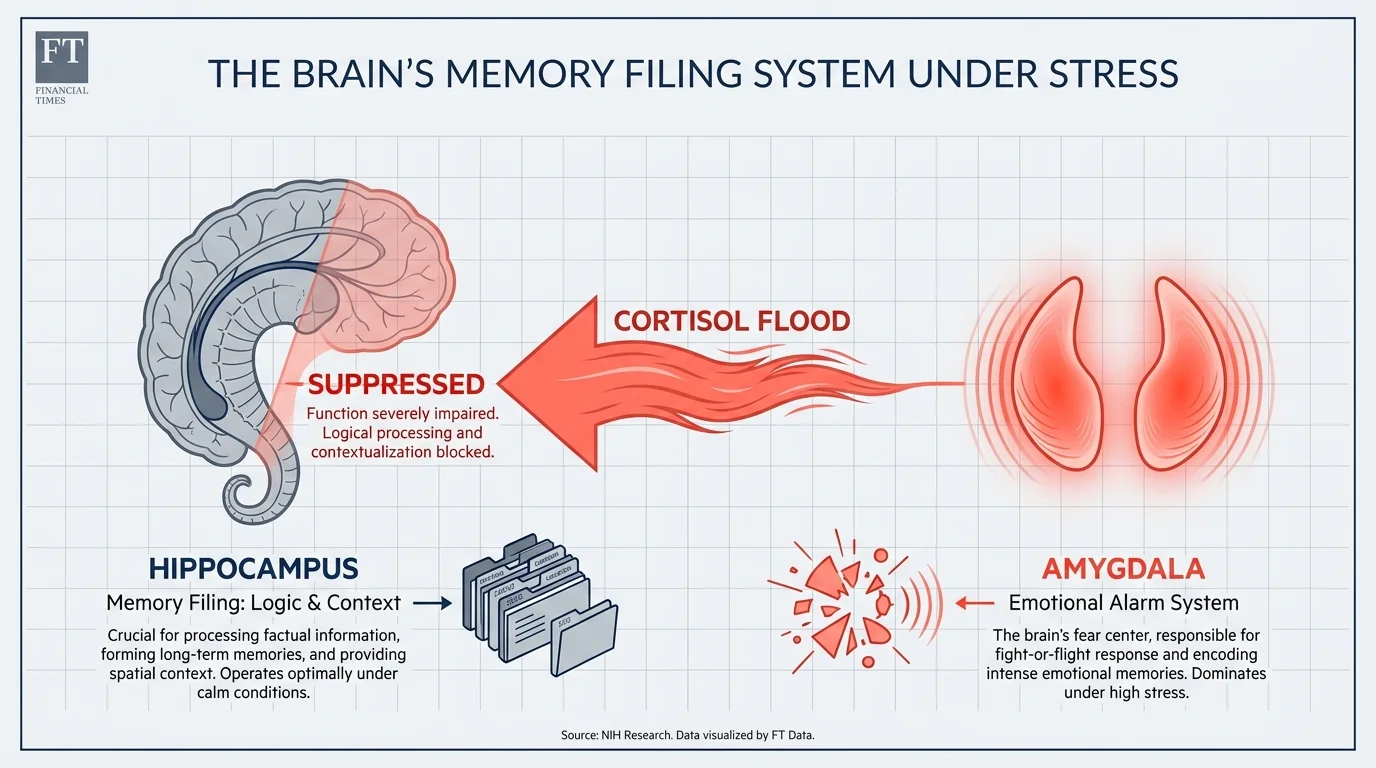
To understand why people get stuck, you have to look at how the brain processes highly emotional or traumatic events. Under normal circumstances, your brain categorizes memories as past events. However, during periods of acute stress, the brain’s memory filing system malfunctions.
Research curated by the National Institutes of Health (NIH) highlights the intricate interplay between the amygdala and the hippocampus. The hippocampus is responsible for organizing memories with time, logic, and context. But when flooded with stress hormones like cortisol, the hippocampus can become overwhelmed and suppressed. As a result, the amygdala—your brain’s emotional alarm system—stores the experience in fragments without a proper timeline. The mind literally loses its sense of chronological distance, causing the nervous system to react to old wounds as if they are actively happening right now.
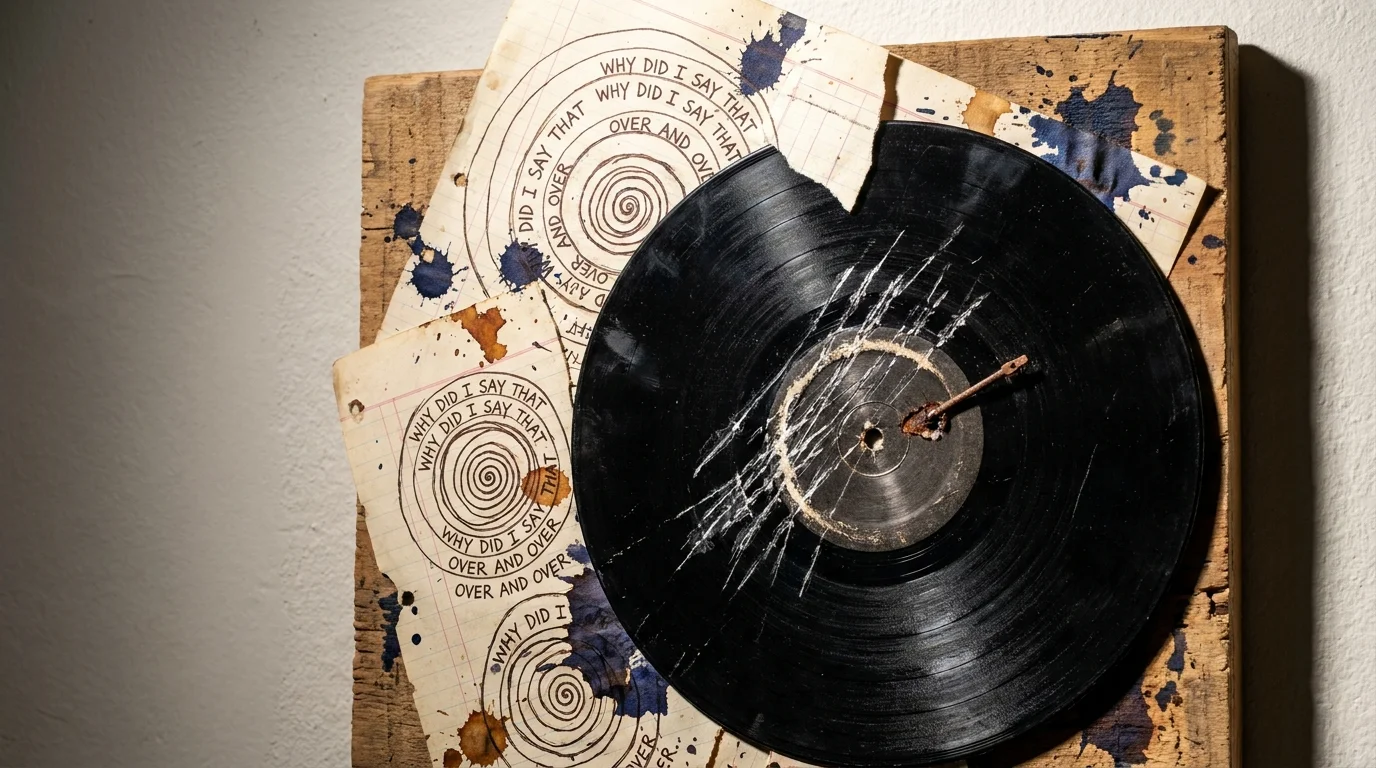
Sign 1: They Replay Old Conflicts Like a Broken Record
It is entirely normal to occasionally rethink a past argument and wish you had said something different. However, someone who is emotionally stuck engages in chronic rumination. They obsessively chew on old conflicts, betrayals, or perceived slights, bringing them up in conversations long after the issue should have been put to rest.
This repetitive loop is not just frustrating for the listener; it is psychologically damaging for the speaker. According to clinical guidelines from the American Psychiatric Association, chronic rumination is a significant risk factor for severe mood disorders, keeping individuals trapped in a cycle where negative thoughts breed worsening moods. Pioneering longitudinal research by Yale psychologist Susan Nolen-Hoeksema found that individuals who constantly ruminate are four times more likely to develop major depression than non-ruminators. By constantly pulling past grievances into the present, they actively rob themselves of the opportunity to heal.

Sign 2: Current Reactions Rarely Match the Present Situation
Have you ever offered a minor piece of feedback to a partner, only to be met with a disproportionately explosive or panicked reaction? When someone is anchored in the past, their emotional responses are often calibrated to old traumas rather than current realities.
This phenomenon is known as an emotional flashback. Unlike cinematic flashbacks where a person hallucinates past events, emotional flashbacks involve a sudden, invisible regression into the overwhelming feelings of a past trauma, such as deep shame, terror, or abandonment. Because the hippocampus failed to tag the original memory with a “past tense” marker, a simple disagreement today feels exactly like the devastating rejection they experienced ten years ago.
Sign 3: They Idealize a Specific Era While Ignoring Reality
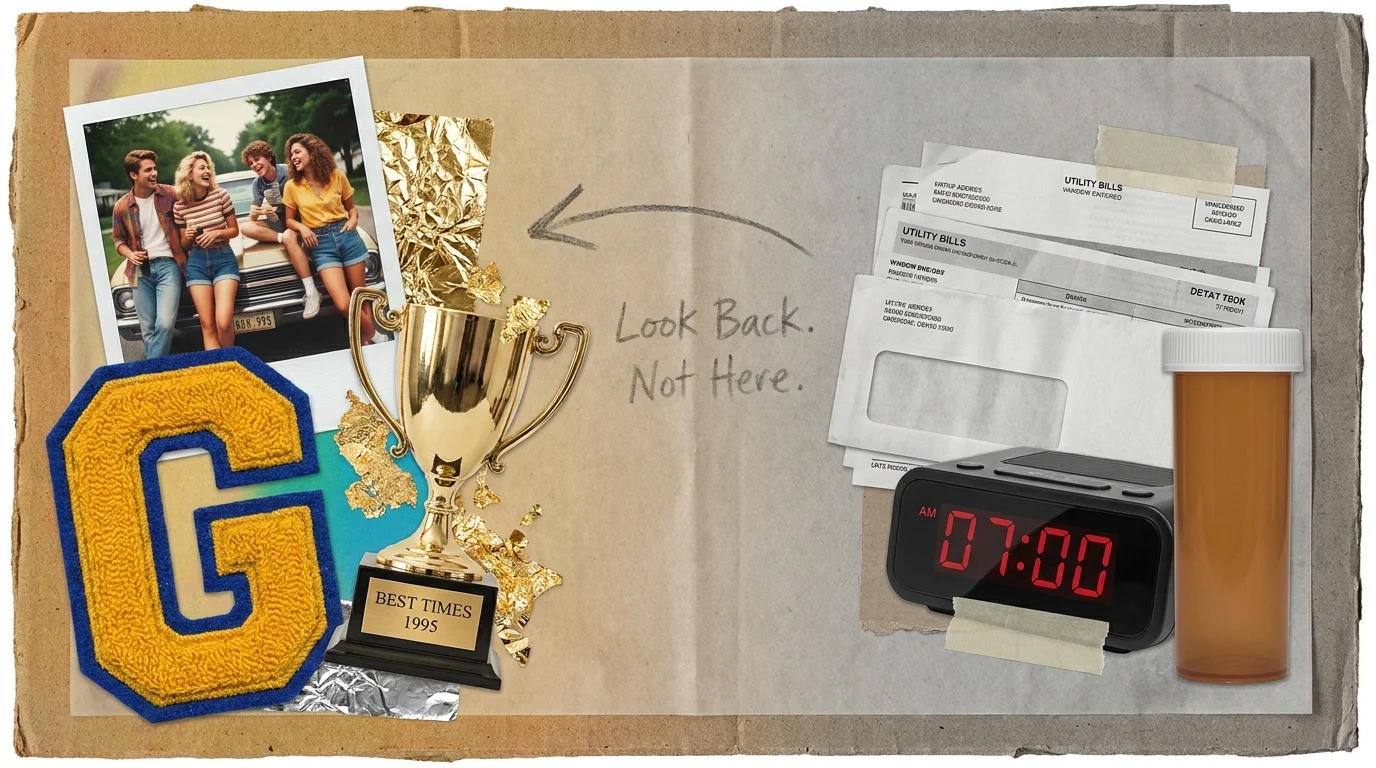
Being stuck in the past does not always mean dwelling on the negative. Sometimes, it manifests as a desperate clinging to a “golden age.” They might constantly talk about their college glory days, a former relationship, or a time before a major life transition, insisting that things will never be that good again.
Psychologists refer to this cognitive bias as rosy retrospection. The human brain naturally tends to shed the negative, mundane, and stressful details of past experiences while preserving the positive highlights. While this evolutionary quirk protects our psychological well-being and encourages social bonding, it can severely compromise modern decision-making. People experiencing extreme rosy retrospection may backslide into toxic relationships because they only remember the intense romance, completely editing out the emotional distress that originally led to the breakup.

Sign 4: Their Identity Remains Anchored to a Former Role
Personal growth requires the shedding of old identities to make room for new ones. A person emotionally trapped in their history often defines themselves entirely by something that happened years ago. They might introduce themselves through the lens of a past achievement (“the high school star athlete”) or a past victimization (“the betrayed spouse”).
When an old narrative becomes a permanent identity, it prevents the formation of meaningful new connections. They struggle to engage with who they are today because they are expending all their emotional energy keeping a ghost alive.
Sign 5: They Avoid Forming Meaningful New Connections
A profound fear of repeating history often drives emotional stagnation. If someone was deeply hurt by a past partner or friend, they might build invisible walls to keep everyone else at a safe distance. They convince themselves that vulnerability always leads to pain.
“Owning our story and loving ourselves through that process is the bravest thing that we’ll ever do.” — Brené Brown, PhD
By refusing to trust anyone new, they believe they are successfully protecting themselves. In reality, they are allowing the person who hurt them to dictate their current social and romantic life. They reject potential joy simply because it carries the risk of familiar pain.

Sign 6: Deep Resentment Masks Underlying Grief
Anger is an active, energizing emotion. Grief, on the other hand, is heavy, exhausting, and deeply vulnerable. For many people stuck in the past, chronic resentment serves as a protective shield against the devastating reality of their loss.
Forgiveness and acceptance require acknowledging that the past cannot be changed. Holding onto anger gives the illusion of an ongoing relationship with the event or the person who caused the pain. Releasing that resentment means finally facing the grief of what was taken from them—an intimidating process they actively avoid through persistent bitterness.

Sign 7: They Exhibit “Learned Helplessness” in Current Goals
First described by psychologist Martin Seligman in 1967, learned helplessness occurs when an individual experiences repeated stressful situations they cannot control. Over time, they learn that their actions do not influence outcomes, leading them to give up entirely. Tragically, this passivity remains even when their circumstances change and they actually possess the power to improve their life.
If someone is stuck in the past, they might blindly apply the outcome of a previous business failure or a broken marriage to their current life. They adopt a pervasive attitude of defeat, expressing sentiments like, “Why should I even try? It never works out for me anyway.” This core belief transforms a historical setback into a self-fulfilling prophecy for the future.
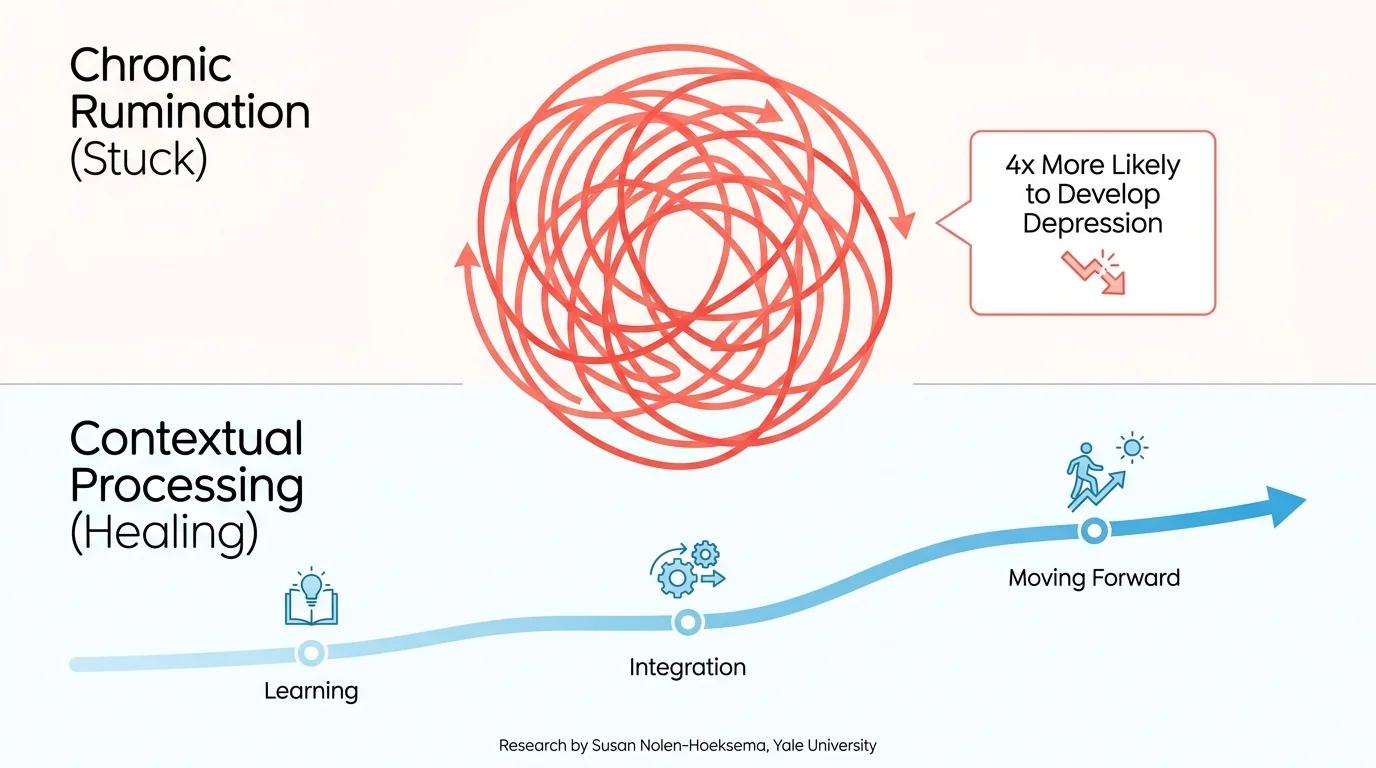
Comparing Processing Styles: Stuck vs. Healing
It can be difficult to tell the difference between someone who is actively processing a difficult past and someone who is trapped by it. The table below illustrates the key differences in how these two states manifest in daily behavior.
| Behavioral Metric | Emotionally Stuck (Stagnant) | Actively Healing (Processing) |
|---|---|---|
| Focus of Thoughts | Obsesses over “what if” and “if only.” | Acknowledges what happened and focuses on “what now.” |
| Narrative Style | Tells the exact same story with the exact same emotional intensity. | The story evolves; new insights and perspectives emerge over time. |
| Sense of Agency | Views themselves entirely as a helpless victim of circumstance. | Recognizes their pain but takes active ownership of their recovery. |
| Reaction to Triggers | Lashes out or completely shuts down, blaming the current environment. | Identifies the trigger (“I am feeling activated right now”) and utilizes coping skills. |
| View of the Future | Believes the best days are behind them or that the future is doomed. | Remains cautiously optimistic and open to new experiences. |
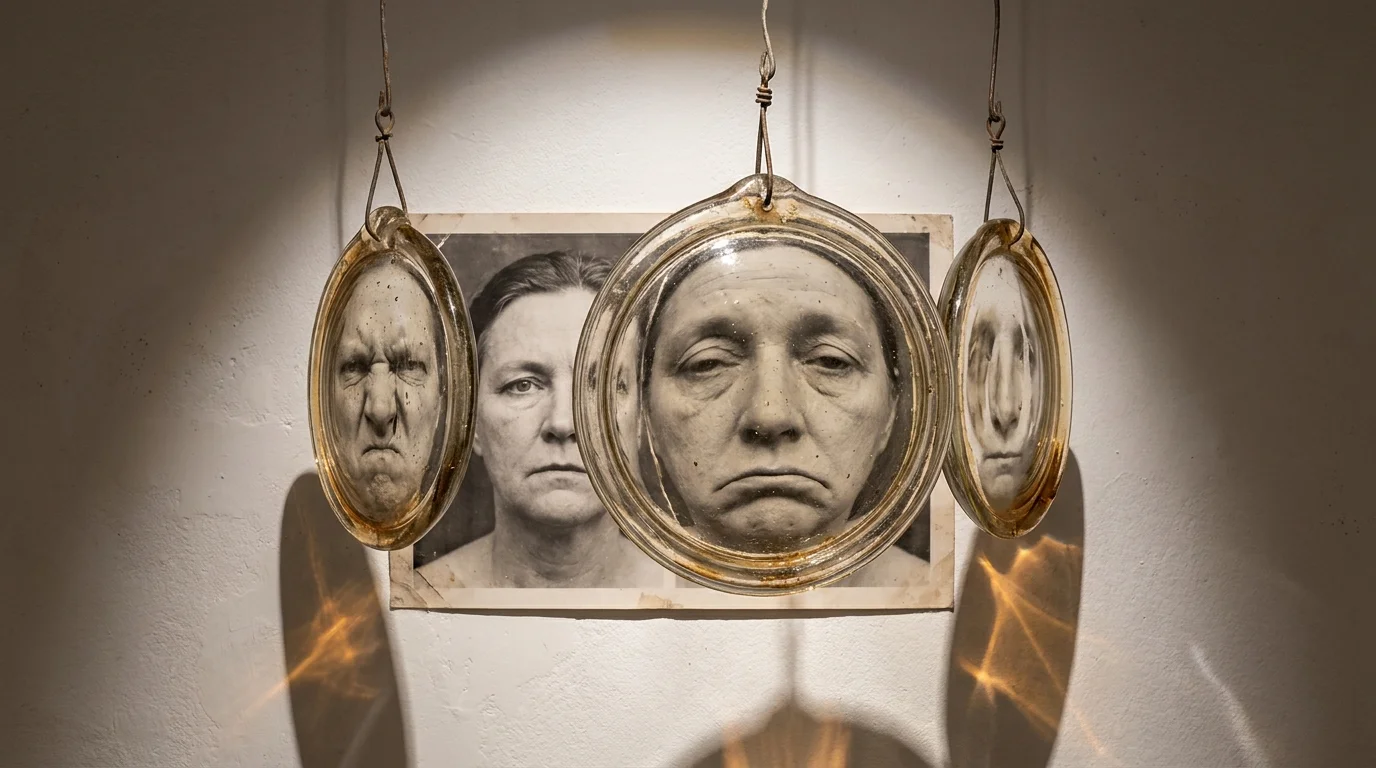
What Can Go Wrong: Misinterpreting Emotional Stagnation
A common misconception is that people who dwell on the past are simply lazy, dramatic, or consciously choosing to be miserable. Telling someone to “just get over it” or “leave the past in the past” is not only unhelpful but actively harmful. It induces intense shame, which drives the person further into isolation and fuels their internal rumination.
Emotional stagnation is rarely a sign of weakness; it is a sign of an overwhelmed nervous system. When friends or partners misinterpret these trauma responses as character flaws, it damages the relationship and removes the secure base the individual desperately needs to begin the healing process.

When to Seek Professional Support
While patience and self-reflection can go a long way, some historical burdens require clinical intervention. Evidence-based therapies, such as Cognitive Behavioral Therapy (CBT) and Eye Movement Desensitization and Reprocessing (EMDR), are highly effective at helping the brain appropriately reprocess stuck memories. Consider seeking the guidance of a licensed mental health professional if you or someone you love experiences the following:
- Intrusive thoughts, nightmares, or emotional flashbacks that severely disrupt daily functioning, work performance, or sleep patterns.
- A persistent loss of interest in hobbies, career advancement, or socializing, pointing toward clinical depression or learned helplessness.
- Using substances, alcohol, or compulsive behaviors as a primary method to numb memories of the past.
- A pattern of sabotaging healthy, secure relationships due to an intense fear of vulnerability or betrayal.
Frequently Asked Questions
Can you be stuck in the past without having experienced severe trauma?
Yes. While severe trauma is a common anchor, people can also become stuck due to intense periods of transition, unresolved guilt over a past mistake, or profound nostalgia for a time when life felt simpler. The psychological mechanism of avoidance remains similar, regardless of the severity of the original event.
How do I support a partner who is trapped in their past?
Offer consistent validation without endorsing their distorted reality. You can say, “I see how much that experience still hurts you,” rather than agreeing that their life is permanently ruined. Encourage them to seek professional support, and maintain your own boundaries so you do not become emotionally depleted by their chronic rumination.
Is it possible to completely forget a painful past?
The goal of psychological healing is not amnesia. The objective is to strip the memory of its crippling emotional charge. A healed person still clearly remembers what happened, but the memory no longer dictates their present behavior, nervous system responses, or self-worth.
How does nostalgia differ from rosy retrospection?
Nostalgia is a fleeting, sentimental longing that often brings comfort and fosters positive social connection. Rosy retrospection is a specific cognitive bias where the past is viewed as objectively superior to the present, often leading to poor decision-making and an active rejection of current opportunities.
Breaking free from the gravity of history takes time, profound self-compassion, and a willingness to step into the unknown. If you recognize these signs in yourself, know that your brain developed these patterns to survive difficult circumstances. You do not have to be ashamed of your survival mechanisms, but you also do not have to live under their rule forever. Taking small, deliberate steps to anchor yourself in the present reality can slowly teach your nervous system that you are finally safe.
This is educational content based on psychological research and general principles. Individual experiences vary significantly. For personalized guidance, consult a licensed therapist, psychologist, or counselor.
Last updated: May 2026. Psychology research evolves continuously—verify current findings with professional sources.







Leave a Reply