Psychology Diary

The First Step Toward Change Is Awareness

  • Home
  • Relationships
  • Mental Health
  • Expert Tips
  • Life
  • Family
  • Marriage

7 Subtle Signs Your Spouse Has Dementia

April 6, 2023 · Mental Health, Expert Tips
dementia alzheimer
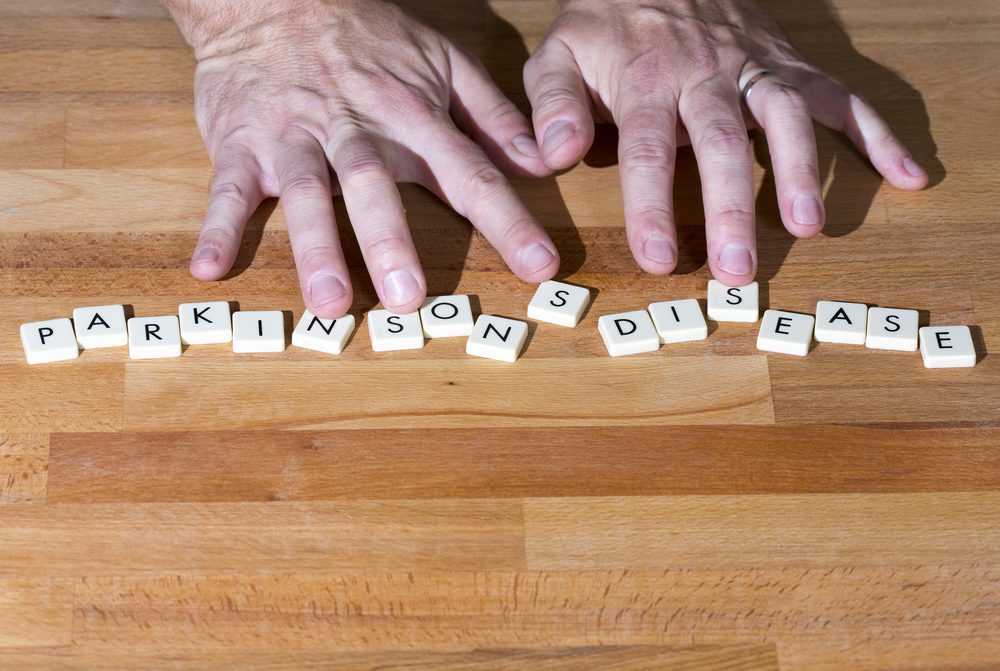
Photo by Ground Picture from shutterstok.com

7. They don’t understand sarcasm anymore and can’t spot a liar

Even if you don’t appreciate sarcasm, it is something cultural, and you will encounter it every day. Let’s say that people see sarcasm as a nice way to critique something. People are using it constantly as a way of expressing themselves.

But research has found that those who suffer from Alzheimer’s disease or frontotemporal dementia (FTD) have a harder time picking up sarcasm. Also, the same goes for identifying when someone is lying. In this case, those suffering from Alzheimer’s disease can tell when someone is not telling the truth.

If you notice that out of nowhere your spouse doesn’t understand your jokes anymore, they take everything personally, or they are just confused about what others are saying, this might be an early sign of dementia.

You should also read: 5 Negative Ways Aging Seriously Impacts a Senior’s Mental Health

Pages: 1 2 3 4 5 6 7 8

Share this article

Facebook Twitter Pinterest LinkedIn Email

2 responses to “7 Subtle Signs Your Spouse Has Dementia”

  1. Manuel B Torres says:
    April 24, 2023 at 8:37 pm

    Thank you for your post on Dementia. My wife and I are in our eighties and we are still travaling by car to vacations here in the states. We have travaled to South America and Europe in group plans. So far I beleive we haven’t had problems but I am interested in staying informed of Dementia.

    Reply
  2. Maureen says:
    April 25, 2023 at 5:56 am

    I’ve been seeing a lot of these signs in my husband for the last 5 years or more, but it’s gotten worse in the last 2 years!
    He’s now 70 years old & we’ve been married for over 45 years!

    Reply

Leave a Reply Cancel reply

Your email address will not be published. Required fields are marked *

Search

Latest Posts

  • A conceptual illustration showing a father and daughter separated by a deep chasm in the floor of their dining room. 10 Habits That Push People Away (Your Children Too)
  • A conceptual collage of a head silhouette filled with shattered mirrors and warped photos, symbolizing reality distortion. 8 Ways People Distort Reality
  • An elderly woman sits alone at a dining table in soft afternoon light, looking down at a tea cup in a quiet, nostalgic home setting. 9 Emotional Wounds Adult Children Simply Don’t Realize They’re Inflicting On Their Parents
  • A mixed-media collage of a fragmented silhouette head with an anchor being cut, symbolizing the loss of one's grip on reality. 10 Signs Someone Is Trying to Distort Your Reality
  • A mixed media collage of a beautiful white flower with hidden barbed wire roots and thorny stems on a textured vintage paper background. 8 Behaviors That Reveal Hidden Toxicity
  • A candid photo of a couple in a dim living room, showing a sense of emotional distance and unspoken tension. 10 Traits That May Reveal Covert Narcissism
  • A couple sits on a sofa in a dimly lit room, one person looking at a phone while the other looks away, capturing a moment of secrecy. 8 Signs Someone May Be Hiding More Than They Admit
  • An ink and watercolor illustration of a human head cracking like stone, with golden light leaking through the fissures. 11 Small Clues That Can Expose a Lie
  • An abstract editorial illustration of a silhouette with a tangled nest of lines inside its head, symbolizing mental confusion. 8 Warning Signs Someone May Be Playing Mind Games
  • A mixed media collage of a silhouette filled with torn paper and translucent layers, symbolizing the invisible nature of emotional neglect. 10 Traits of People Emotionally Neglected as Kids

Newsletter

Get the latest posts delivered to your inbox.

Related Articles

Surreal illustration of a person looking into a mirror that reflects a golden labyrinth, symbolizing internal complexity.

The 6 Most Dangerous Lies We Tell Ourselves Every Day

Uncover the 6 most dangerous lies we tell ourselves daily, from perfectionism to control fallacies,…

Read More →
PTSD, mental health depression

9 Mental Health Issues You Can Inherit

There are many reasons why a mental health disorder can develop. If you’re struggling with…

Read More →
brain

10 Strategies To Fight Brain Aging and Boost Your Cognitive Health

So you’ve noticed some changes in your memory and thinking. Perhaps you often misplace your…

Read More →
burnout

7 Signs of Burnout (and What To Do About It)

Even the greatest jobs can lead to burnout. The more you work and the more…

Read More →
Mood Swings

Mood Swings: Normal or Not?…and 4 Simple Ways to Dominate Them

Are those mood swings you’ve been having normal? The name may be simple enough, but…

Read More →
reasons you are not sleeping well

5 Shocking Reasons You Might Be Struggling with Sleep

These are the most common reasons you are not sleeping well Not getting enough sleep…

Read More →
Social Media Relationship Pitfall

7 Social Media Relationship Pitfalls You Should Worry About

Embellished lifestyle stories Did your partner give you expensive earrings and a designer bag? Or…

Read More →
True Crime

9 Reasons Why We Like True Crime

Isn’t it crazy that we love true crime? Why do life-threatening situations entertain us? We…

Read More →
traits most criminals share

9 Psychological Common Traits Most Criminals Share

What are the traits most criminals share?  People like John Wayne Gacy, Jeffrey Dahmer, and…

Read More →

Psychology Diary

The First Step Toward Change Is Awareness

Inedit Agency S.R.L.
Bucharest, Romania

contact@psychologydiary.com

Explore

  • About Us
  • Advertiser Disclosure
  • Contact Us
  • Disclaimer
  • Do not sell my personal information
  • Editorial Policy
  • Frequently Asked Questions
  • Privacy Policy
  • Terms and Conditions
  • Subscribe
  • Unsubscribe

Categories

  • Expert Tips
  • Family
  • Life
  • Marriage
  • Mental Health

© 2026 Psychology Diary. All rights reserved.