
How to Spot Bipolar Disorder — 5 Subtle Signs You Should Look Out For!
Did you know that as of the most recent 2019 stats, 1 in 150 adults show signs of bipolar disorder?
According to specialists, bipolar disorder is a severe and chronic mood disorder with patients suffering from recurrent depressive, (hypo) manic and/or mixed episodes. [Bipolar disorder] is associated with high levels of psychological stressors, like internalized stigma, subjective distress, self-blame, suicidal ideation, and a lower quality of life.
Today we’re essentially tackling how to spot bipolar disorder and navigate more or less severe signs.
As a qualified psychologist, I’ve had friends and family come to me for mental health advice. It is important to follow expert advice and stay covered from myths and misinformation.
Whether it’s for yourself or a loved one, gaining awareness is one step toward managing bipolar disorders. Do remember that not everyone will exhibit the same signs to the same intensity.
Make sure to follow along as I reveal tips and tricks based on my psychological training.

1. Racing or Delayed Thoughts
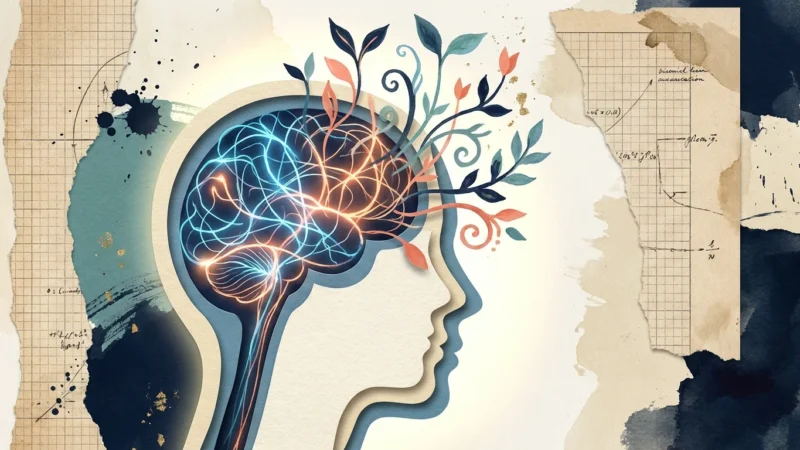
The brain-based condition of bipolar starts with cognitive shifts.
We’ve established that bipolar largely consists of two opposing episodes: depression and mania.
If mania is characterized by racing and rapid thoughts, this is exactly the other way around for depressive episodes. It all comes down to the processing speed, which changes with mood.
It is a good idea to make notes of these episodes if you notice them. This will help with choosing the suitable treatment later on.
Example: In your depression phase, you feel as if your thoughts are ‘buffering’ when trying to follow along with a conversation or TV show. In your mania phase, your imagination is elevated, and you can process multiple thoughts surprisingly well.
2. Changes in Motivation and Energy
Another main characteristic of bipolar mood swings is how your motivation changes.
If your mania episodes will give you lots of energy to get things done, your depressive episodes will leave you suddenly feeling way less productive and sluggish.
Notice perhaps what you were usually like, as balance is key, and how motivation and energy change over larger periods of time.
On average, people diagnosed with bipolar will go through 1-2 cycles per year. That is, pretty much 2 mania and 2 depression mood swings that can last several days in the course of one year. While some people can experience emotional stability in between mood swings, some can even go from one straight into the other.
So, make sure you give it plenty of time to avoid misdiagnoses.
3. Realizing You’re Eating More (or Less)
The appetite is closely connected to our brain functions and happy hormones.
If you feel hungry all the time compared to when you skipped lunch without noticing, write that down and see if it aligns with other bipolar signs.
Are you someone who often has eating problems? If this issue hits close to home, consider resetting or adjusting your eating habits to help with your bipolar mood swings. Do this by keeping a food journal and being mindful about impulsive choices or loss of appetite.
4. Having Memory Troubles More Often
Memory troubles and difficulties remembering might prompt numerous health and neurological theories. Keep in mind that singular symptoms are most likely not a cause of concern, though.
Maybe you caught yourself not memorizing or forgetting simple things more than normally. Some time passes by, and your memory is back and strong again. Feels familiar?
Yet again, always refer to our baseline comparison, your usual self, when reflecting on mania and depressive mood swings.
Additionally, memory troubles can also signal the very beginning of a mood episode in bipolar disorder. Watch out for triggers like stress, arguments, different medication, and not getting enough rest.
Feeling open to learning more? As a qualified psychologist, I warmly recommend this great guide to help you navigate bipolar disorder symptoms.

5. Sleeping Too Much or Too Little
Similar to appetite, sleeping is also closely related to brain functions and happy hormones.
If you have decided to journal your subtle signs, consider appetite and sleep patterns together. These two signs will most likely align.
Sleep issues are harder to notice at first — until they become a problem.
Bipolar sleep issues can vary largely. Sleep deprivation can be present both in mania and depression episodes. Unlike commonly believed, sleep issues do not mean depressive mood swings only.
Example: You consistently wake up on a schedule but then suddenly sleep through your alarms. You usually follow a bedtime routine but then you suddenly delay bedtime or neglect sleep.
In mania phases, people with bipolar disorder are incredibly able to go without sleep and will still feel energized. If you can relate, it is recommended you combine sleep trends and respective emotions when writing things down. For instance, you might journal 8 hours of sleep, feeling sluggish and numb, or 5 hours of sleep over 2 days, feeling extraordinary and content.
Sleep is paramount to general wellbeing and can be a warning for upcoming problems. If you want to invest in your sleep, I urge you to grab a sleep monitoring device. This smart ring is a great budget-friendly option that is way smaller and more comfortable than a wristwatch device.
Causes and Treatment
While undergoing research is still trying to figure more things out, we currently know that bipolar disorder is caused by physical changes in the brain due to high stress and genetics.
Drug or alcohol misuse and having a first-degree relative with a bipolar disorder diagnosis will majorly increase the likelihood of getting diagnosed as well.
It is essential to discuss with a specialist if you suspect bipolar disorder, as other conditions, like anxiety, ADHD, and PTSD, can occur at the same time or mimic some of the bipolar symptoms above.
A trained professional will consider age, lifestyle, and family history to get to an accurate conclusion.
Bipolar disorder is most often misdiagnosed as depression, attention deficit hyperactivity disorder, schizophrenia, borderline personality disorder, and substance abuse disorder.
With the right treatment and discipline, people with bipolar disorder can live normal lives. An effective mix of therapies, like Cognitive Behavioral Therapy and Interpersonal and Social Rhythm Therapy, will boost medication effects.
Last but not least, I’ll leave you with the courage and hope to heal within yourself. No matter how bad you think it is, go easy and take your time.
Wanting to discuss a specific scenario? Leave it in the comments down below, and let’s chat.
Did you find this useful? Continue reading These 7 New Exercises Prevent Dementia.







Leave a Reply