Psychology Diary

The First Step Toward Change Is Awareness

  • Home
  • Relationships
  • Mental Health
  • Expert Tips
  • Life
  • Family
  • Marriage

How to Set Healthy Boundaries with Your Adult Children

August 31, 2025 · Family

People doing yoga in community center

What Are Healthy Boundaries, Really?

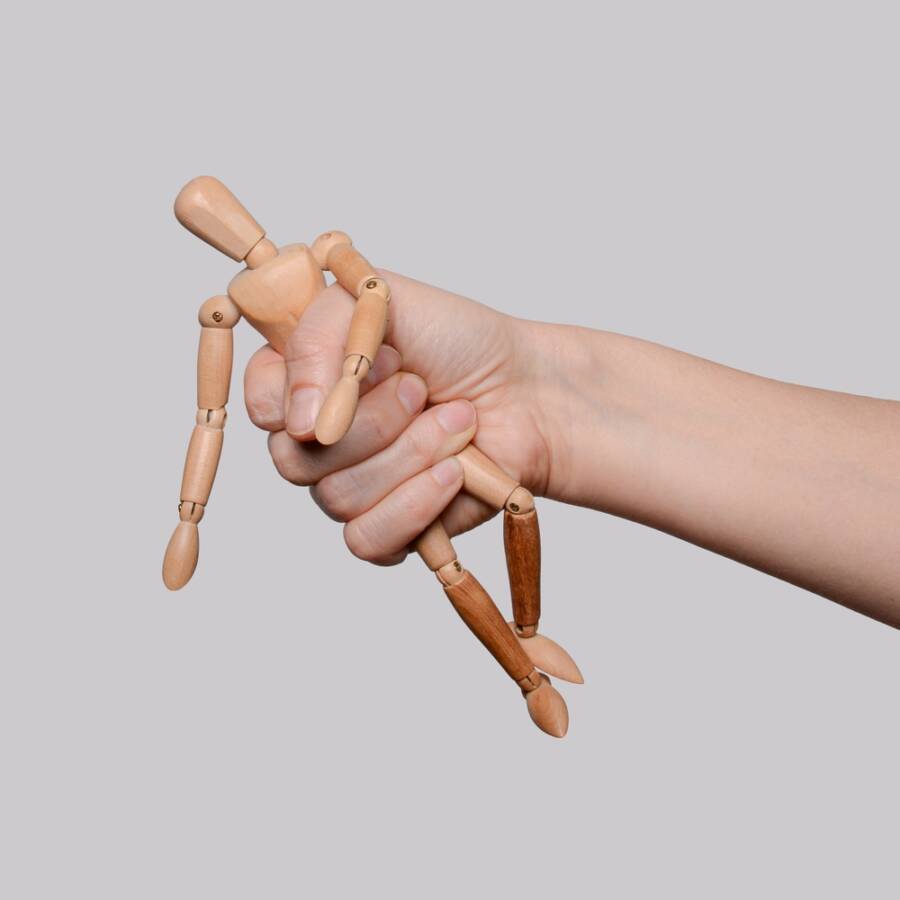
Before we can begin setting boundaries, it’s crucial to understand what they are—and what they are not. The word “boundary” can sound harsh, like a wall you build to keep people out. In the context of family relationships, it’s more helpful to think of a boundary as a property line. It’s a clear marker that shows where you end and another person begins. It defines what you are responsible for and what you are not.

A boundary is a limit you set for yourself to protect your well-being. It’s a rule about your own behavior. For example, “I will not lend money that I cannot afford to lose,” or “I will not participate in conversations where people are yelling.” Notice that these statements are about what you will or will not do.

This is different from control. Control is an attempt to change another person’s behavior. For example, “You must stop asking me for money,” or “You cannot raise your voice at me.” While the desire is understandable, trying to dictate another adult’s actions often leads to power struggles and resentment. Healthy boundaries focus on the only person you can truly manage: yourself.

Think of it this way:

Control says: “You need to call me every Sunday.”

A boundary says: “I am available to talk for 20 minutes on Sunday afternoons. If I don’t hear from you, I’ll assume you’re busy and will try again next week.”

The first creates an obligation for your child; the second states your availability and how you will manage your own expectations. This subtle but powerful shift is the foundation of setting boundaries that stick.


Pages: 1 2 3 4 5 6 7 8 9 10

Share this article

Facebook Twitter Pinterest LinkedIn Email

Leave a Reply Cancel reply

Your email address will not be published. Required fields are marked *

Search

Latest Posts

  • An unposed photo of a man sitting at a kitchen table looking slightly guarded during a quiet, intimate conversation. 8 Body Language Clusters That Indicate Someone Is Holding Back the Truth
  • An ink and watercolor illustration of a morning coffee cup on a wooden table with a gentle ripple, symbolizing subtle early changes. 7 Subtle Signs of Parkinson's Disease in the Early Stages
  • An editorial illustration of a silhouette standing on a fractured path, with a hand gently unravelling a thread from its shoulder. 8 Hidden Signs of Emotional Manipulation in a Relationship
  • Gouache illustration of a couple walking hand-in-hand through a vibrant landscape of overlapping colorful plants and abstract shapes. The 5 Love Languages Revisited: What Really Keeps Couples Close
  • A watercolor illustration of two people on an uneven seesaw, symbolizing a lopsided, selfish relationship dynamic. 10 Signs Someone May Be More Selfish Than They Realize
  • An editorial ink and watercolor illustration of a lonely figure fading into soft gray washes, symbolizing emotional vulnerability. 10 Warning Signs You May Be in an Emotionally Abusive Relationship
  • A couple sits on opposite ends of a long sofa in a dimly lit living room, staring away from each other with a large physical gap between the 10 Signs You're No Longer Connected to Your Partner
  • Editorial ink and watercolor illustration of a person wearing a suit of mirrors as protective armor, symbolizing defensive ego preservation. 9 Signs You Struggle to Admit Mistakes
  • A conceptual mixed-media collage showing dark, chaotic textures emerging from a clean paper silhouette, symbolizing hidden guilt leaking out 7 Signs Someone May Feel Guilty About Something
  • An editorial illustration of a person sitting at a table with a root system growing from their chair into the floorboards. The Mental Symptoms Many People Ignore Until It's Too Late

Newsletter

Get the latest posts delivered to your inbox.

Related Articles

tell your adult children

What Are the 7 Things You Should NEVER Tell Your Adult Children?

Have you ever wondered what are the things you should never tell your adult children?…

Read More →
toxic family

12 Signs You’re Dealing With a Toxic Family Member

What does “toxic” really mean? Let’s establish the basics first: what does it mean to…

Read More →
Toxic In-Law

6 Tips On Dealing With Toxic in-Laws This Easter

Learn To Set Boundaries One of the most practical ways of dealing with toxic in-laws…

Read More →
Grandparenting Tip

8 Smart Grandparenting Tips to Build Better Bonds

Having a rough time bonding? These smart grandparenting tips can help! Are you a grandparent…

Read More →
narcissistic

9 Signs You Were Raised by Narcissistic Parents

It’s incredibly challenging to grow up with narcissistic parents. They can show up as neglectful,…

Read More →
empty nest syndrome

Empty Nest Syndrome: Adjusting to Life After Children Leave Home

What is the empty nest syndrome? Being a parent was never easy, but with all…

Read More →
toxic grandparent, emotional masochist

7 Shocking Signs You Might Be a Toxic Grandparent

Are you a toxic grandparent? Let’s find out together! A relationship between adult children and…

Read More →
stay connected with your grandkids

The 6 Best Activities to Stay Connected with Your Grandkids

1. Painting This is a simple one, and most kids will definitely love it. Many…

Read More →
things your grandkids want to say

5 Things Your Grandkids Want to Say (But Haven’t Yet)

These are the things your grandkids want to say, but they are too afraid to…

Read More →

Psychology Diary

The First Step Toward Change Is Awareness

Inedit Agency S.R.L.
Bucharest, Romania

contact@psychologydiary.com

Explore

  • About Us
  • Advertiser Disclosure
  • Contact Us
  • Disclaimer
  • Do not sell my personal information
  • Editorial Policy
  • Frequently Asked Questions
  • Privacy Policy
  • Terms and Conditions
  • Subscribe
  • Unsubscribe

Categories

  • Expert Tips
  • Family
  • Life
  • Marriage
  • Mental Health

© 2026 Psychology Diary. All rights reserved.