Psychology Diary

The First Step Toward Change Is Awareness

  • Home
  • Relationships
  • Mental Health
  • Expert Tips
  • Life
  • Family
  • Marriage

The Psychology of Human Connection: Why We Need It More as We Age

August 31, 2025 · Relationships

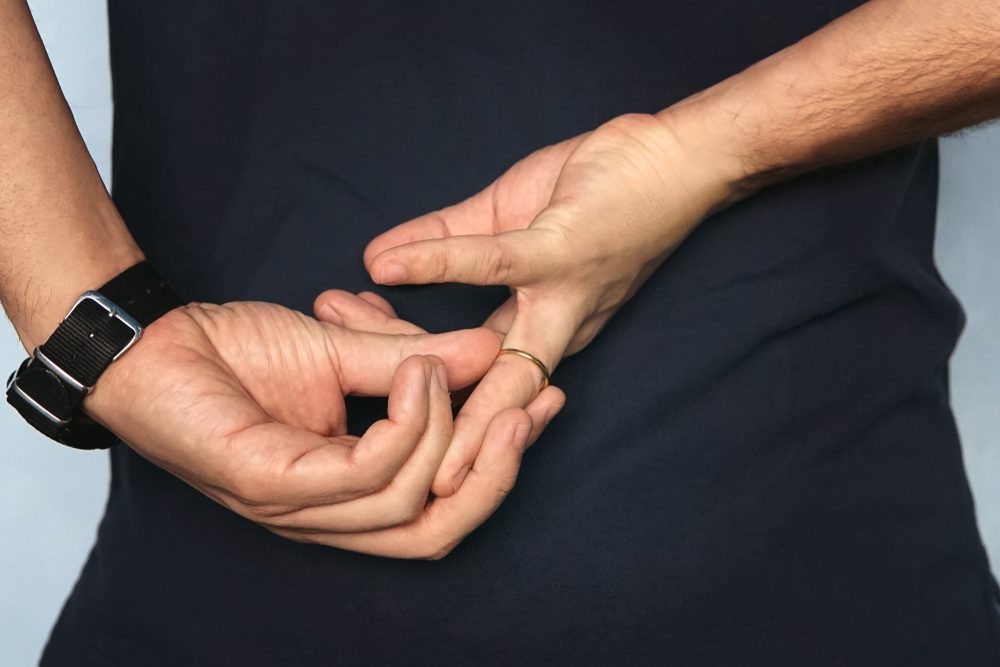
Close-up of one hand pulling away from another

The Unseen Architecture of Connection: What Science Tells Us

Why does a feeling of disconnection with a partner hurt so much? The answer lies deep within our biology. Humans are wired for connection. From birth, our survival depends on forming secure bonds with caregivers. This fundamental need doesn’t just disappear when we become adults. Our romantic partner often becomes our primary “attachment figure,” the person we turn to for comfort, safety, and support. When that bond feels frayed, our nervous system can interpret it as a threat, triggering feelings of anxiety, sadness, or even panic.

This isn’t just a feeling; it has tangible health consequences. A growing body of research, much of it supported by institutions like the National Institute on Aging (NIA), highlights the profound link between social connection and senior health. Chronic loneliness has been associated with an increased risk of high blood pressure, heart disease, cognitive decline, and a weakened immune system. Conversely, strong social bonds, especially with a spouse, can act as a powerful buffer against stress. Feeling understood and supported helps regulate stress hormones like cortisol, which, when elevated for long periods, can cause inflammation and other health problems.

The health benefits of social interaction for seniors are not built on grand gestures. They are forged in the small, everyday moments. Relationship researcher Dr. John Gottman calls these moments “bids for connection.” A bid is any attempt from one partner to another for attention, affirmation, or affection. It can be as simple as saying, “Look at that beautiful bird outside,” sharing a story from the newspaper, or reaching for their hand. How we respond to these tiny bids—by “turning toward” them with interest or “turning away” with disinterest—is what builds or erodes the trust and friendship at the heart of a lasting partnership. Over time, consistently turning toward each other’s bids fills an emotional bank account, creating a reserve of goodwill that helps you weather life’s inevitable storms together.

Pages: 1 2 3 4 5 6 7 8

Share this article

Facebook Twitter Pinterest LinkedIn Email

Leave a Reply Cancel reply

Your email address will not be published. Required fields are marked *

Search

Latest Posts

  • An unposed photo of a man sitting at a kitchen table looking slightly guarded during a quiet, intimate conversation. 8 Body Language Clusters That Indicate Someone Is Holding Back the Truth
  • An ink and watercolor illustration of a morning coffee cup on a wooden table with a gentle ripple, symbolizing subtle early changes. 7 Subtle Signs of Parkinson's Disease in the Early Stages
  • An editorial illustration of a silhouette standing on a fractured path, with a hand gently unravelling a thread from its shoulder. 8 Hidden Signs of Emotional Manipulation in a Relationship
  • Gouache illustration of a couple walking hand-in-hand through a vibrant landscape of overlapping colorful plants and abstract shapes. The 5 Love Languages Revisited: What Really Keeps Couples Close
  • A watercolor illustration of two people on an uneven seesaw, symbolizing a lopsided, selfish relationship dynamic. 10 Signs Someone May Be More Selfish Than They Realize
  • An editorial ink and watercolor illustration of a lonely figure fading into soft gray washes, symbolizing emotional vulnerability. 10 Warning Signs You May Be in an Emotionally Abusive Relationship
  • A couple sits on opposite ends of a long sofa in a dimly lit living room, staring away from each other with a large physical gap between the 10 Signs You're No Longer Connected to Your Partner
  • Editorial ink and watercolor illustration of a person wearing a suit of mirrors as protective armor, symbolizing defensive ego preservation. 9 Signs You Struggle to Admit Mistakes
  • A conceptual mixed-media collage showing dark, chaotic textures emerging from a clean paper silhouette, symbolizing hidden guilt leaking out 7 Signs Someone May Feel Guilty About Something
  • An editorial illustration of a person sitting at a table with a root system growing from their chair into the floorboards. The Mental Symptoms Many People Ignore Until It's Too Late

Newsletter

Get the latest posts delivered to your inbox.

Related Articles

A woman laughs at her phone while her friend sits beside her on a sofa with a forced, thin smile and envious eyes.

7 Friendship Behaviors That Reveal Hidden Jealousy

Discover the seven hidden behaviors that reveal friendship jealousy. Learn to protect your peace and…

Read More →
Partner

If Your Partner Is Asking You to Do These 7 Absurd Things, It’s Time to Leave

They Insist On Having Your Phone’s Passcode Secrets between partners in relationships are never a…

Read More →
forgive

Is It Possible To Forgive An Adulterous Partner? 11 Ways to Do It

Relationships and marriages are built on trust, respect, love, and two people committed to one…

Read More →
An editorial ink and watercolor illustration of a lonely figure fading into soft gray washes, symbolizing emotional vulnerability.

10 Warning Signs You May Be in an Emotionally Abusive Relationship

Learn the 10 critical warning signs of an emotionally abusive relationship, from gaslighting to financial…

Read More →
secrets

10 Secrets Women Would Never Tell Their Husbands

1. Regrets regarding your career There are moments in a woman’s life when she feels…

Read More →
Neurotic Personality Trait

6 Causes of Neurotic Personality Traits and Why You Might Have Them

Check this list to see if you have any of these neurotic personality traits! We’ve…

Read More →
cuffing season

What Is Cuffing Season & How To Get Over It

What is cuffing season? Cuffing season is when single people, who are happy and joyful…

Read More →
love

12 Painful Signs Your Significant Other Isn’t In Love With You Anymore

“I will always love you. But I’m not in love with you anymore.” You might…

Read More →
types of trauma emotional unavailable

13 Actions that Point to Emotional Unavailability in Someone

When someone is emotionally unavailable, it implies that he or she has a certain inability…

Read More →

Psychology Diary

The First Step Toward Change Is Awareness

Inedit Agency S.R.L.
Bucharest, Romania

contact@psychologydiary.com

Explore

  • About Us
  • Advertiser Disclosure
  • Contact Us
  • Disclaimer
  • Do not sell my personal information
  • Editorial Policy
  • Frequently Asked Questions
  • Privacy Policy
  • Terms and Conditions
  • Subscribe
  • Unsubscribe

Categories

  • Expert Tips
  • Family
  • Life
  • Marriage
  • Mental Health

© 2026 Psychology Diary. All rights reserved.