

Common Symptoms of Seasonal Affective Disorder in Seniors
Recognizing the signs of SAD is the first step toward getting support. These symptoms are more than just fleeting feelings; they represent a consistent pattern that disrupts your ability to function and enjoy life. Think of the following not as a checklist for self-diagnosis, but as a guide to help you notice patterns in yourself or a loved one. If several of these feel familiar and persist for more than two weeks, it is a strong signal to consult a healthcare professional.
Persistent Low Mood or Sadness
This is the core symptom of any depressive episode. It’s not just feeling down for a day or two. It’s a heavy, persistent feeling of sadness, emptiness, or hopelessness that is present most of the day, nearly every day. Some people, particularly older men, may experience this more as irritability, frustration, or anger rather than sadness.
An Actionable Step: Try a simple mood journal. Each morning, take a moment to rate your overall mood on a scale of 1 (very low) to 10 (very good) in a small notebook. You don’t need to write a lot. Just the number can help you see a pattern over time that you can share with your doctor.
Loss of Interest or Pleasure (Anhedonia)
This symptom, known as anhedonia, is a hallmark of depression. It’s when activities and hobbies that you once found meaningful and enjoyable now feel like a chore or bring you no pleasure at all. You might stop wanting to read, garden, watch your favorite show, or even talk to a close friend. Food may lose its taste, and the world can feel like it has been drained of its color.
An Actionable Step: Try practicing behavioral activation on a very small scale. Behavioral activation is a therapeutic technique that involves scheduling and engaging in positive activities, even when you don’t feel like it. Choose one tiny, previously enjoyed activity, and set a timer for just 10 minutes. This could be listening to two of your favorite songs, looking through a family photo album, or sitting outside for a few minutes. The goal is not to instantly feel happy, but to gently re-engage with life.
Significant Changes in Energy and Fatigue
The fatigue associated with SAD is often described as a heavy, leaden feeling in the limbs, as if moving requires a monumental effort. It’s a profound exhaustion that isn’t relieved by rest. In winter-pattern SAD, oversleeping (hypersomnia) is common. You might find yourself sleeping for 10 or more hours but still waking up feeling unrefreshed and sluggish.
An Actionable Step: Identify the time of day when you typically have the most energy, even if it’s just a little. Schedule one small but necessary task for that window, such as making a phone call, tidying one counter, or preparing a simple part of a meal. This respects your body’s energy limits while preventing complete inactivity.
Changes in Appetite and Weight
A classic sign of winter-pattern SAD is a specific craving for carbohydrates and sugary foods. This can lead to overeating and subsequent weight gain during the winter months. These cravings are thought to be the brain’s attempt to boost serotonin levels, but the effect is temporary and can contribute to a cycle of low energy and poor mood.
An Actionable Step: Instead of focusing on restriction, which can feel punishing, focus on addition. Aim to add one serving of a fruit or vegetable to one of your meals each day. This is a gentle, positive change that can improve your overall nutrition and energy without feeling overwhelming.
Difficulty Concentrating and Making Decisions
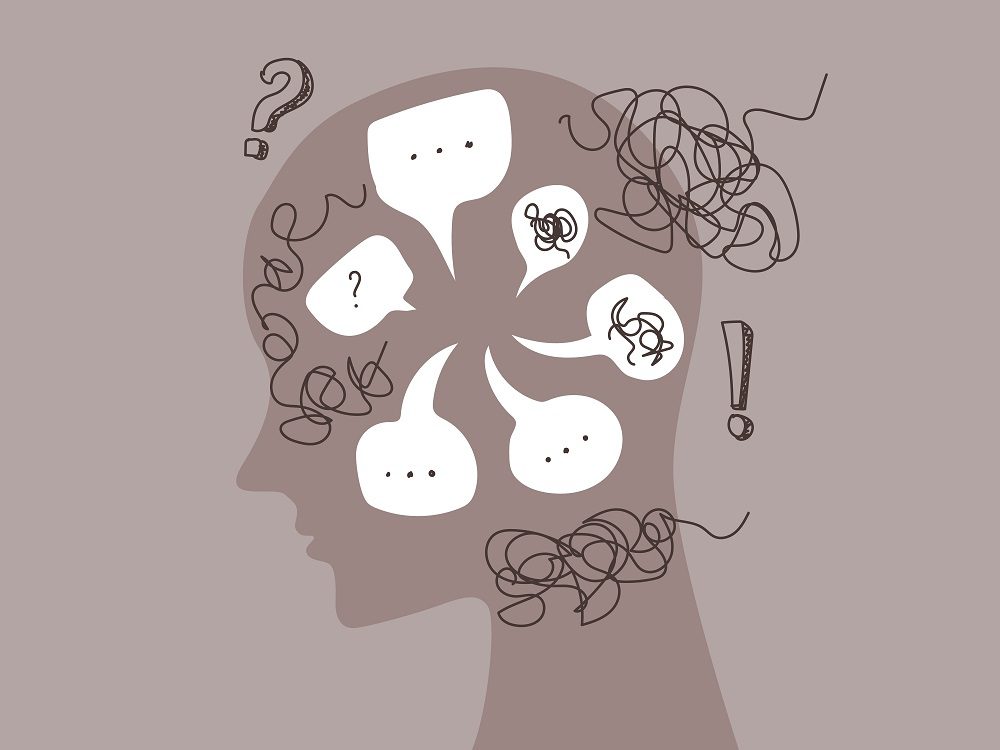
Depression can make it very difficult to focus, remember information, or make even simple decisions. You might find yourself rereading the same paragraph over and over, forgetting appointments, or feeling completely overwhelmed when trying to choose what to have for lunch. This “brain fog” is a real neurological symptom, not a sign of personal failure.
An Actionable Step: Simplify your to-do list. Each day, choose just one thing that is most important to accomplish. Write it on a sticky note and put it somewhere you will see it often, like on the refrigerator or bathroom mirror. Focusing on one task at a time can reduce feelings of being overwhelmed.
Feelings of Worthlessness or Guilt
SAD can warp your thinking, leading to intense feelings of worthlessness, self-blame, or a belief that you are a burden on others. You might ruminate on past mistakes or feel guilty about not being able to function as you normally would. These thoughts are symptoms of the depression, not accurate reflections of your character.
An Actionable Step: When these thoughts arise, try a simple self-compassion phrase. You can say to yourself, either silently or aloud: “This is a moment of suffering. Everyone suffers sometimes. May I be kind to myself in this moment.” This practice, developed by psychologist Dr. Kristin Neff, doesn’t erase the feeling, but it introduces a layer of kindness instead of self-criticism.
Social Withdrawal
When you feel exhausted and down, the idea of interacting with others can feel like too much work. This often leads to avoiding phone calls, canceling plans, and isolating yourself from friends and family. While this withdrawal is a protective instinct, it unfortunately tends to make depression worse over time by cutting you off from vital support systems.
An Actionable Step: Set a very small, manageable social goal. This could be as simple as sending one text message or email to a loved one just to say hello. Or, commit to answering the phone the next time a friend calls, even if you only talk for a few minutes. It’s about maintaining a thread of connection, no matter how small.







Leave a Reply