

Triggers are natural sensory reminders that might cause painful memories or some symptoms to resurface. I say natural because we’ve all experienced something triggering in our lives. Of course, some more than others.
When you remember certain sounds, smells, or even sounds related to that traumatic experience, your mind acts on its own, and you might start getting a feeling of anxiety, unease, or even panic. Or, if you live with substance use disorder, the smell of alcohol or some environments might trigger the symptoms, too.
They can be anything from a holiday to a loud voice. I think it’s time to dig into the matter and try to find out how triggers form and what to do if you ever get triggered.

The triggers
In psychology, a “trigger” is a stimulus that might make a painful memory resurface. A trigger can be any sensory reminder of the traumatic event, such as a sound, sight, smell, physical sensation, or even a time of day or season.
For example, the sound of fireworks can trigger combat veterans who suffer from post-traumatic stress disorder (PTSD). Also, certain types of dogs could be triggering for a person who was bitten as a child. Besides trauma, the term “trigger” can also be used in other mental health contexts.
A trigger can also be anything that activates or even worsens the symptoms of a mental health condition, like obsessive-compulsive disorder (OCD) or even substance use disorder. A contamination-type OCD could be triggered when in contact with a dirty doorknob.
They might react with extreme fear. Alternatively, a person with an alcohol use disorder could be triggered by the smell of alcohol and start wishing for a drink.
What does “triggered” mean?
The word “triggered” has finally entered the mainstream, as it’s used more casually these days. Of course, this also made room for confusion, so it’s quite important to mark the difference between being uncomfortable and having a true mental health symptom.
Generally, when someone is “triggered,” they are provoked by a stimulus or a situation that awakens or worsens the deep-seated feelings caused by a traumatic event or mental health condition. A person’s reaction to being triggered might surprise oneself and others because the response seems quite taken out of proportion.
But that’s mainly because the triggered individual is reliving the trauma in their head. For instance, an adult who experienced abandonment as a kid could easily feel triggered by an unanswered text. It all comes down to the uncertainty of why they didn’t receive a response, which could cause them to relive feelings of abandonment.
How do triggers form?
There’s a 2004 study that shows how our senses (whether it’s smell, sight, or sound) play a huge role in forming memories. There’s one theory that even proposes that trauma-related triggers could feel this intense because our senses are very involved in the entire process.
When we experience trauma, our brains store the surrounding sensory stimuli in memory. Then, we bump into these sensory triggers years later, and the brain reactivates the feelings associated with the trauma.
In some instances, we could not even be conscious of why we were afraid or upset. For example, if you were involved in a bad car accident while listening to some songs or while chewing bubble gum, those sensory experiences have the potential to become triggers for years to come.
Of course, it can be a one-time event or a series of very traumatic events. Either way, trauma has a different effect on each and every one of us. As a matter of fact, the same event might cause two people to respond totally differently.
While one person could reach a point of acceptance about an unsettling experience, the other person might even suffer from PTSD. The difference in response might come as a result of various factors. According to 2014 research, the way a traumatic event impacts an individual depends on a number of factors, such as:
- individual’s personality traits and sociocultural history
- specific characteristics of the event
- stage of the individual’s emotional development
- meaning of the trauma to the individual
Examples of triggers
Triggers might come in all shapes and sizes, and they are unique to each individual. Of course, this is not an exhaustive list, but here are a couple of common triggers:
- holiday and the anniversary of the trauma or loss
- some sounds, sights, smells, or even tastes
- loud voices and yelling
- loud noises
- arguments
- being ridiculed or judged.
- being alone
- getting rejected
- being ignored
- breakup of a relationship
- Violence in the news
- harassment or unwanted touching
- physical illness and injuries
What’s the purpose of a trigger warning?
Trigger warnings are made to warn trauma survivors about potentially disturbing content. Such warnings originated in online forums for survivors of sexual trauma, where individuals would warn other readers about the upcoming content.
However, the use of such trigger warnings has now expanded to a wide range of settings, such as social media, entertainment, and even education settings. Trigger warnings might now warn of the following:
- physical violence
- se*ual violence
- incest
- child abuse
- racism
- eating disorders
- Animal abuse and suffering
- Homophobia and transphobia
- self-harm and suicide
- Miscarriage and abortion
- body shaming
There’s no doubt that these warnings could help certain people with PTSD, especially if they are in a vulnerable state at a specific moment. However, there is still some debate on whether trigger warnings are ultimately helpful.
There’s one 2020 study that suggested that trigger warnings reinforce a survivor’s view of their trauma as central to their identity. This is entirely counterproductive to the healing process. Besides, the widespread and casual use of trigger warnings might send the wrong message to the general public.
Some people even believe that those who need trigger warnings are incapable of handling stress. Others could casually say they’re triggered as soon as something upsets them, further causing the word to lose its meaning.

What to do if you are triggered
- Try to regain perspective. As soon as you feel that something triggers you, try to take a bird’s-eye view of the entire situation. Recognize where those intense feelings come from—likely not from the trigger itself but from a previous traumatic experience.
- Remind yourself that you’re safe. Next, try taking slow, deep breaths and reminding yourself that you’re completely safe now. You can repeat a mantra in your head if you find that helpful.
- You might even remind yourself that you’re safe and that the traumatic moment you’re being reminded of is not happening in the present anymore.
- Practice self-compassion and acceptance. Try, as much as you can, not to get irritated with yourself for having this kind of feeling. Direct compassion toward yourself as you would for a loved one.
- Meditate: Practicing meditation could prove to be quite helpful in reducing anxiety. A 2013 research review involving 207 studies discovered that mindfulness meditation is quite effective in lowering anxiety, depression, and stress. There are even trauma-informed mindfulness practices you might want to try.
Takeaway
A “trigger” is a stimulus that awakens a very painful memory, feeling, or even symptom. People who experience trauma or who deal with a mental health condition are especially vulnerable to triggers. If you have experienced trauma, live with anxiety, or have a substance use disorder, don’t hesitate to reach out for further support.
A mental health professional might help you come up with a treatment plan and reduce your symptoms. There’s so much to learn about traumas and triggers, and we wouldn’t want to live with you without all the needed data, so here’s a book you might want to read about the matter: “Triggers. How We Can Stop Reacting and Start Healing” by David Richo.
If you enjoyed reading this piece, we also recommend reading: 9 Manipulation Tactics (and How To Fight Them)







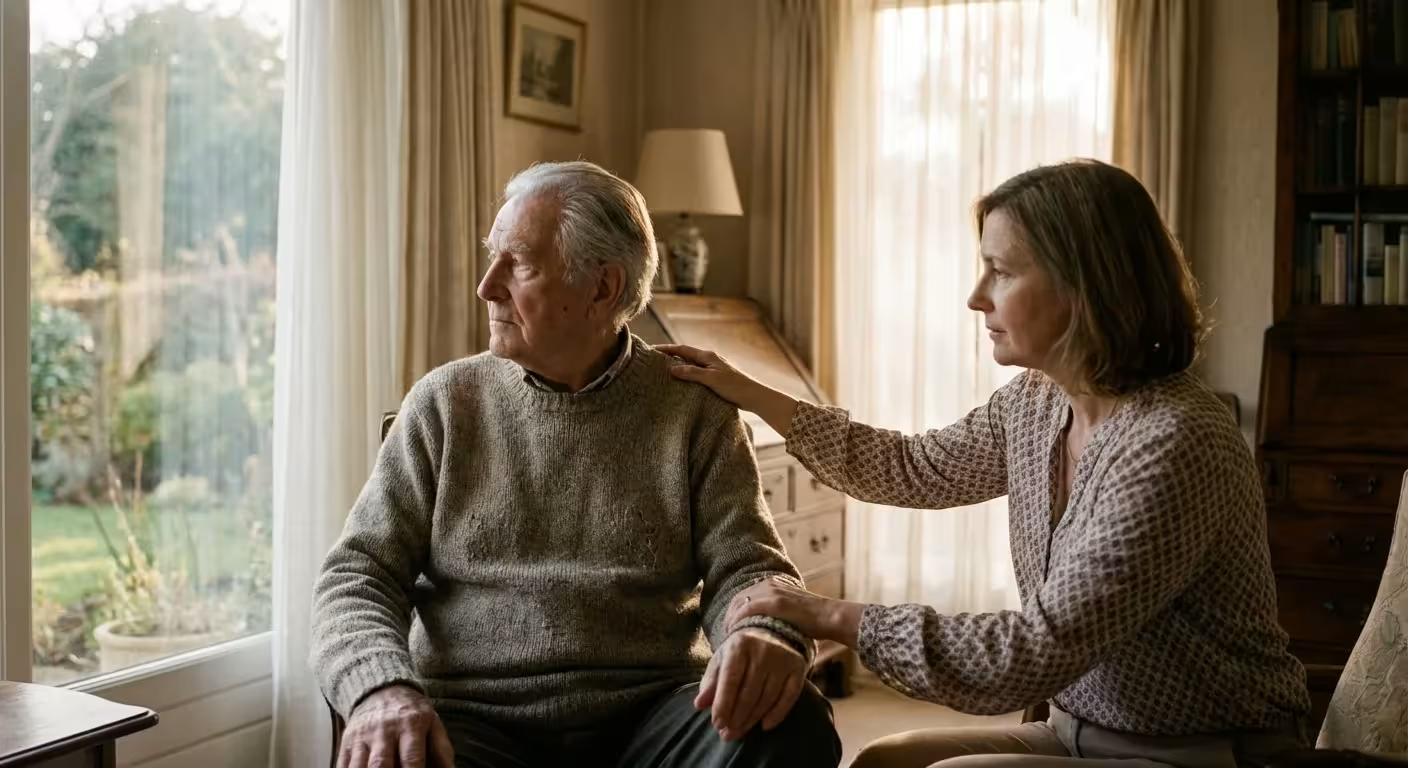
I am realizing that “trigger moments” are a real part of the elder’s self image and how they view their tomorrows. I treat elders who appear to have an organic fear of having a birthday because ‘another year’ is an ache or a pain that brings them closer to death. In listening to these individuals, I hear their stories of feeling isolated from others either by choice or life circumstances. These individuals have difficulty feeling ‘part of a group’. Also, these individuals feel it is too late to make changes in their life. The best I can do for them is to listen and be assuring during the times we are together.