Psychology Diary

The First Step Toward Change Is Awareness

  • Home
  • Relationships
  • Mental Health
  • Expert Tips
  • Life
  • Family
  • Marriage

Am I in a Toxic Relationship?’ 8 Questions to Ask Yourself

August 31, 2025 · Relationships

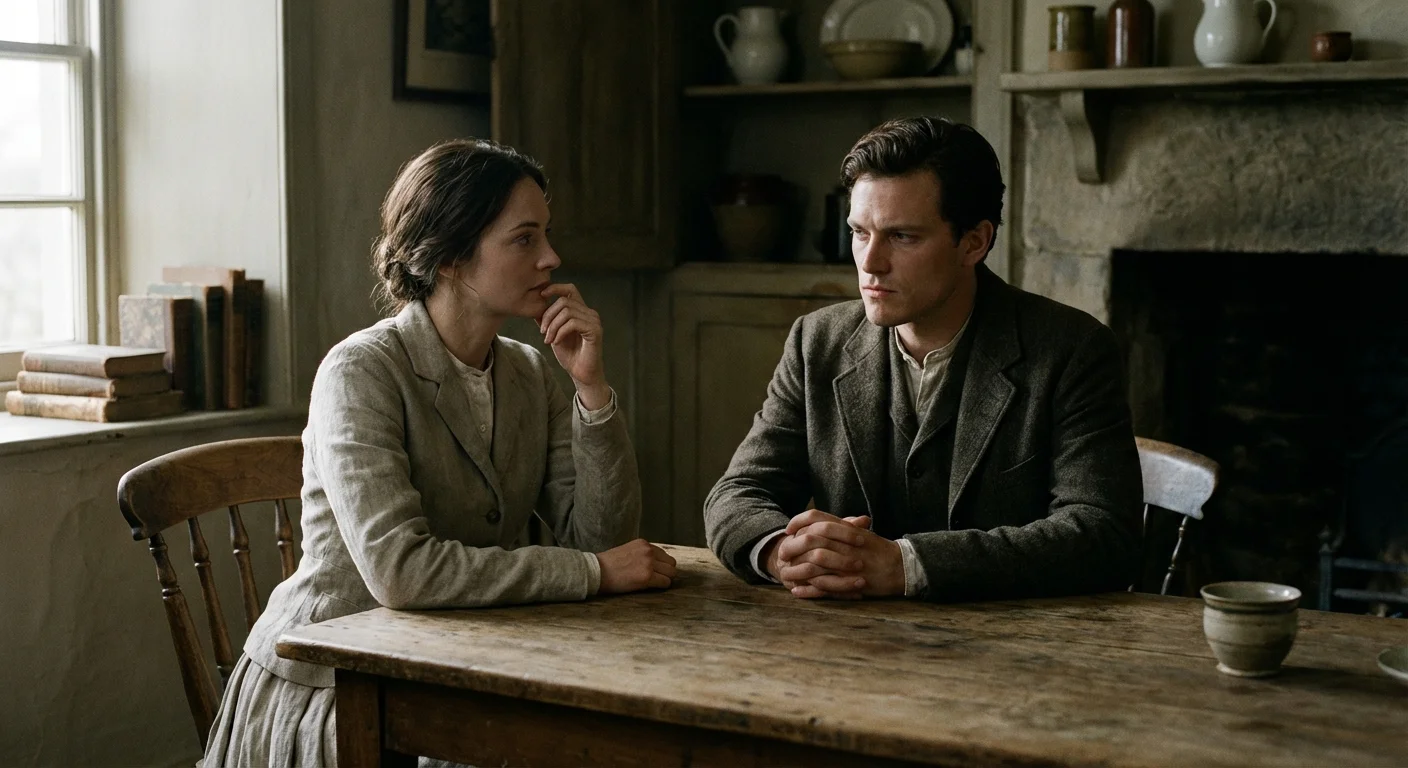
Couple in therapy session, actively listening.

Frequently Asked Questions (FAQs)

Can a toxic relationship be fixed?

This is a hopeful but complicated question. The answer is a qualified “sometimes.” A relationship can heal, but it requires two things: the toxic behavior must stop, and both partners must be fully committed to the hard work of change. This often means seeking professional help from a licensed marriage and family therapist. The person who has been engaging in harmful behaviors must take ownership, learn new ways of communicating and managing emotions, and work to rebuild trust. The person who has been harmed needs to learn to set and enforce firm boundaries and heal their own emotional wounds. It is a long, difficult process, and it is not possible if one partner is unwilling, in denial, or continues the abusive patterns.

What is the difference between a bad patch and a toxic relationship?

A bad patch is typically time-limited and situational. It might be caused by an external stressor like a job loss, a family illness, or a major move. During a bad patch, a couple might be more irritable and argue more, but the fundamental respect and care for each other remain intact. They still function as a team, even if it’s a struggling one. A toxic relationship, on the other hand, is a chronic, pervasive pattern of harmful behavior that is not tied to a specific external event. The issues are internal to the relationship itself—control, disrespect, contempt, and emotional safety are consistently compromised. A bad patch feels like a storm you’re weathering together; a toxic relationship feels like the storm is your partner.

How do I talk to my partner about my concerns?

If you have determined that your relationship is in a “mixed” or “yellow light” zone and you feel safe doing so, you can try to open a conversation. Choose a calm, neutral time—not during or immediately after a conflict. Use “I-statements” to avoid blame. Focus on your feelings and on the pattern of behavior, not on labeling your partner or the relationship. You might say, “I want to talk about something that’s been on my mind. I’ve been feeling very lonely lately when our disagreements end without us really resolving them. It feels like we’re growing apart, and that scares me. I was wondering if you would be willing to work with me, maybe even with a counselor, to find a better way for us to communicate?” Framing it as a team problem (“us,” “we”) can sometimes be more effective than framing it as a “you” problem.

Pages: 1 2 3 4 5 6 7

Share this article

Facebook Twitter Pinterest LinkedIn Email

Leave a Reply Cancel reply

Your email address will not be published. Required fields are marked *

Search

Latest Posts

  • A conceptual illustration showing a father and daughter separated by a deep chasm in the floor of their dining room. 10 Habits That Push People Away (Your Children Too)
  • A conceptual collage of a head silhouette filled with shattered mirrors and warped photos, symbolizing reality distortion. 8 Ways People Distort Reality
  • An elderly woman sits alone at a dining table in soft afternoon light, looking down at a tea cup in a quiet, nostalgic home setting. 9 Emotional Wounds Adult Children Simply Don’t Realize They’re Inflicting On Their Parents
  • A mixed-media collage of a fragmented silhouette head with an anchor being cut, symbolizing the loss of one's grip on reality. 10 Signs Someone Is Trying to Distort Your Reality
  • A mixed media collage of a beautiful white flower with hidden barbed wire roots and thorny stems on a textured vintage paper background. 8 Behaviors That Reveal Hidden Toxicity
  • A candid photo of a couple in a dim living room, showing a sense of emotional distance and unspoken tension. 10 Traits That May Reveal Covert Narcissism
  • A couple sits on a sofa in a dimly lit room, one person looking at a phone while the other looks away, capturing a moment of secrecy. 8 Signs Someone May Be Hiding More Than They Admit
  • An ink and watercolor illustration of a human head cracking like stone, with golden light leaking through the fissures. 11 Small Clues That Can Expose a Lie
  • An abstract editorial illustration of a silhouette with a tangled nest of lines inside its head, symbolizing mental confusion. 8 Warning Signs Someone May Be Playing Mind Games
  • A mixed media collage of a silhouette filled with torn paper and translucent layers, symbolizing the invisible nature of emotional neglect. 10 Traits of People Emotionally Neglected as Kids

Newsletter

Get the latest posts delivered to your inbox.

Related Articles

18 Social Media Habits That Are Still Considered Cheating

Talking about Your Secrets In a healthy relationship, you should be able to talk to…

Read More →
A mixed media collage of a silhouette filled with torn paper and translucent layers, symbolizing the invisible nature of emotional neglect.

10 Traits of People Emotionally Neglected as Kids

Discover the 10 psychological traits of childhood emotional neglect, how the invisible trauma of absent…

Read More →

If Your Partner Is Using These Two Words, A Breakup Might Be Inevitable

Relationships are complicated and require a lot of time and effort, but at the end…

Read More →
infidelity

10 Reasons Behind Infidelity

6. Revenge  Everyone wants to feel understood by their partners, but you can’t make someone…

Read More →
partners-silent-treatment-2 activity

9 Harmful Ways Silent Treatment Can Damage Your Relationship

Erosion of trust Silent treatment in a relationship can also cause the erosion of trust…

Read More →
cuffing season

What Is Cuffing Season & How To Get Over It

Can you get over it?  If you don’t want to rush into a relationship and…

Read More →
love languages

There Are 7 Love Languages: Which One Is Yours?

What are the seven love languages? Chances are you’ve heard of “love languages” and that…

Read More →
women giving tiny compliments

Here’s What Women Would Love to Hear From Their Men

Announce every time you’re coming home First things first, letting your lovely wife know when…

Read More →
An illustration of a person using a prism to turn a chaotic blue wave into a clear spectrum of distinct colors.

10 Signs You Have Exceptionally High Emotional Intelligence

Discover the 10 core signs of exceptionally high emotional intelligence, backed by psychological research, and…

Read More →

Psychology Diary

The First Step Toward Change Is Awareness

Inedit Agency S.R.L.
Bucharest, Romania

contact@psychologydiary.com

Explore

  • About Us
  • Advertiser Disclosure
  • Contact Us
  • Disclaimer
  • Do not sell my personal information
  • Editorial Policy
  • Frequently Asked Questions
  • Privacy Policy
  • Terms and Conditions
  • Subscribe
  • Unsubscribe

Categories

  • Expert Tips
  • Family
  • Life
  • Marriage
  • Mental Health

© 2026 Psychology Diary. All rights reserved.