Psychology Diary

The First Step Toward Change Is Awareness

  • Home
  • Relationships
  • Mental Health
  • Expert Tips
  • Life
  • Family
  • Marriage

The Surprising Link Between Gut Health and Your Mood

August 31, 2025 · Mental Health

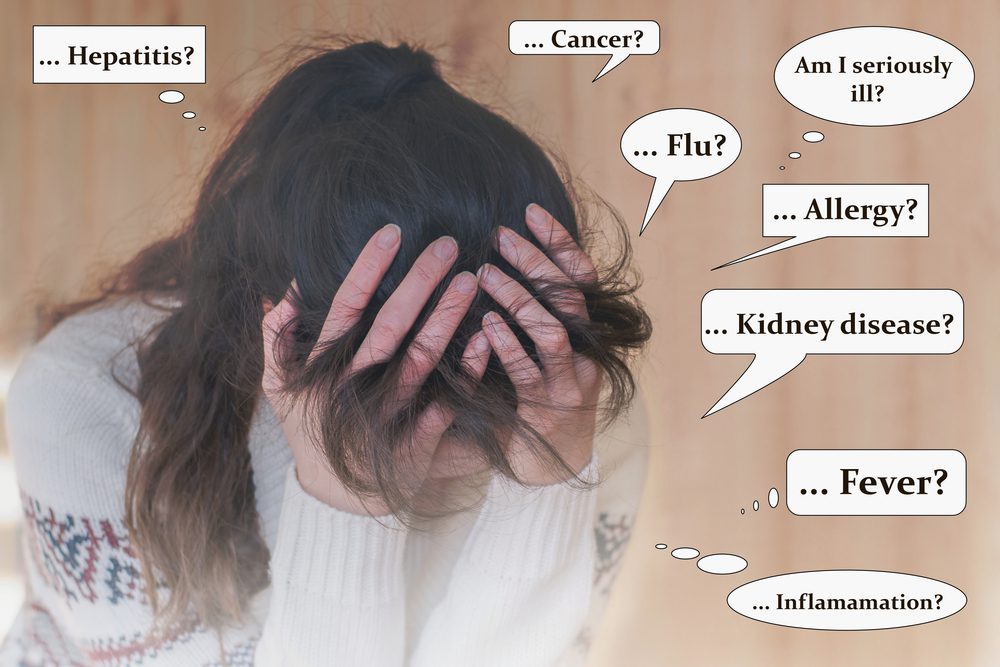
Woman listening to doctor in clinic.

When to Seek Professional Guidance

While lifestyle changes can be incredibly powerful, they are one part of a comprehensive approach to health. It is essential to know when self-care strategies are enough and when it’s time to seek the support of a professional. Listening to your body and mind and advocating for your health are signs of strength.

When to Talk to a Medical Doctor or Gastroenterologist

Changes in your gut are not always something to manage on your own. Certain symptoms warrant a conversation with your primary care physician or a specialist like a gastroenterologist to rule out underlying medical conditions. Please make an appointment if you experience:

Persistent digestive distress: This includes ongoing pain, significant bloating, cramping, severe constipation, or diarrhea that doesn’t resolve.

Sudden or unexplained changes in your bowel habits.

Any signs of blood in your stool.

Unintentional weight loss.

Difficulty swallowing.

A Note for Older Adults: It’s especially important for older adults to report any new or persistent digestive symptoms to their doctor. These symptoms can sometimes be related to medication side effects, interactions between different medicines, or other health conditions that need to be addressed. Don’t dismiss it as just a normal part of aging.

When to Talk to a Mental Health Professional

Similarly, while nurturing your gut can support your mood, it is not a replacement for mental health treatment when it’s needed. It’s time to reach out to a therapist, counselor, psychologist, or psychiatrist if you are experiencing:

Low mood, sadness, or anxiety that is persistent and interferes with your ability to function at work, at home, or in your relationships.

Loss of interest or pleasure in activities you once enjoyed.

Significant changes in your sleep or appetite.

Feelings of worthlessness, hopelessness, or excessive guilt.

Difficulty concentrating or making decisions.

Thoughts of harming yourself or others. This is a sign of a crisis. Please seek help immediately.

For immediate support, you can connect with people who can support you by calling or texting 988 anytime in the United States and Canada. In the UK, you can call 111. These services are free, confidential, and available 24/7. More information is available from providers like the 988 Suicide & Crisis Lifeline.

How to Prepare for Your Appointment

Going to a doctor or therapist can feel intimidating. Being prepared can help you make the most of your time and ensure your concerns are heard. Here’s a simple plan:

Keep a brief log for a week. This doesn’t need to be complicated. Each day, jot down a few notes: rate your mood on a scale of 1 to 10, list your main digestive symptoms, note your sleep quality, and mention any key foods or stressors. This data can reveal patterns that are helpful for a clinician.

Write down your top 2-3 questions. In the moment, it’s easy to forget what you wanted to ask. Having your questions written down ensures you get the information you need.

Connect the dots. Be sure to tell your medical doctor about your mood symptoms and your mental health provider about your gut symptoms. Explicitly say, “I’ve been reading about the gut-brain axis, and I’m wondering if my stomach issues and my anxiety could be related.”

Therapies like Cognitive Behavioral Therapy (CBT) can help you change unhelpful thinking patterns and behaviors, while Acceptance and Commitment Therapy (ACT) can teach you mindfulness skills to manage difficult emotions. These are evidence-based approaches that can work alongside the lifestyle strategies discussed here. You can learn more about finding help at the National Institute of Mental Health (NIMH).
Pages: 1 2 3 4 5 6 7 8

Share this article

Facebook Twitter Pinterest LinkedIn Email

Leave a Reply Cancel reply

Your email address will not be published. Required fields are marked *

Search

Latest Posts

  • A conceptual illustration showing a father and daughter separated by a deep chasm in the floor of their dining room. 10 Habits That Push People Away (Your Children Too)
  • A conceptual collage of a head silhouette filled with shattered mirrors and warped photos, symbolizing reality distortion. 8 Ways People Distort Reality
  • An elderly woman sits alone at a dining table in soft afternoon light, looking down at a tea cup in a quiet, nostalgic home setting. 9 Emotional Wounds Adult Children Simply Don’t Realize They’re Inflicting On Their Parents
  • A mixed-media collage of a fragmented silhouette head with an anchor being cut, symbolizing the loss of one's grip on reality. 10 Signs Someone Is Trying to Distort Your Reality
  • A mixed media collage of a beautiful white flower with hidden barbed wire roots and thorny stems on a textured vintage paper background. 8 Behaviors That Reveal Hidden Toxicity
  • A candid photo of a couple in a dim living room, showing a sense of emotional distance and unspoken tension. 10 Traits That May Reveal Covert Narcissism
  • A couple sits on a sofa in a dimly lit room, one person looking at a phone while the other looks away, capturing a moment of secrecy. 8 Signs Someone May Be Hiding More Than They Admit
  • An ink and watercolor illustration of a human head cracking like stone, with golden light leaking through the fissures. 11 Small Clues That Can Expose a Lie
  • An abstract editorial illustration of a silhouette with a tangled nest of lines inside its head, symbolizing mental confusion. 8 Warning Signs Someone May Be Playing Mind Games
  • A mixed media collage of a silhouette filled with torn paper and translucent layers, symbolizing the invisible nature of emotional neglect. 10 Traits of People Emotionally Neglected as Kids

Newsletter

Get the latest posts delivered to your inbox.

Related Articles

OCD

Could It Be OCD? These 9 Interesting Facts Will Surprise You

…Have you ever heard about obsessive-compulsive disorder, also simply known as OCD? You’ve surely met…

Read More →
Famous People with Dementia

6 Hollywood Stars Who Secretly Battled Dementia

Dementia Can Affect Anyone… Even Famous Hollywood Stars! Dementia can be an overwhelming condition that…

Read More →
Bipolar Disorder

9 Warning Signs of Bipolar Disorder in Seniors

5. Irritability and frustration As mania gradually sets in through various unpleasant symptoms, one of…

Read More →
Alzheimer's

6 Surprising Truths About Alzheimer’s. Why Is Nobody Talking About Them?

This year in the U.S., it’s anticipated that there will be close to 500,000 new…

Read More →
Emotional Abuse

6 Damaging After Effects of Emotional Abuse

Approval Seeking And Trust Issues When the emotional abuse has already damaged your self-worth and…

Read More →
Negative Body Language

8 Ways Negative Body Language Is Damaging Your Self-Confidence

Do you have negative body language? Have you ever walked into a room and instantly…

Read More →
anxiety

7 Effective Ways to Reduce Anxiety

#5 Try to Drink Less Coffee Your central nervous system is stimulated by the chemical…

Read More →
triggers

13 Dangerous Psychological Triggers and How to Overcome Them

Triggers are natural sensory reminders that might cause painful memories or some symptoms to resurface.…

Read More →
Alzheimer's and Parkinson's

Alzheimer’s vs. Parkinson’s: 7 Differences and Symptoms You Must Know

Alzheimer’s and Parkinson’s: both of them are serious medical conditions. Let us clarify the main…

Read More →

Psychology Diary

The First Step Toward Change Is Awareness

Inedit Agency S.R.L.
Bucharest, Romania

contact@psychologydiary.com

Explore

  • About Us
  • Advertiser Disclosure
  • Contact Us
  • Disclaimer
  • Do not sell my personal information
  • Editorial Policy
  • Frequently Asked Questions
  • Privacy Policy
  • Terms and Conditions
  • Subscribe
  • Unsubscribe

Categories

  • Expert Tips
  • Family
  • Life
  • Marriage
  • Mental Health

© 2026 Psychology Diary. All rights reserved.