

Your relationship with your grandchildren offers far more than an opportunity to spoil them and send them home; it actually serves as a potent biological intervention that extends your life and sharpens your mind. Research reveals that intergenerational bonding triggers profound neurological and physiological shifts—reducing your mortality risk, enhancing cognitive function, and boosting emotional empathy. While society often frames grandparenting simply as a helpful role for tired parents, the hidden beneficiary is actually you. From lowering the risk of cognitive decline to expanding your sense of purpose, engaging with a younger generation forces your brain out of its rut. By embracing this connection thoughtfully, you unlock a science-backed pathway to healthier, more resilient aging.
The Science of Longevity: How Grandkids Extend Your Life
When you transition into the role of a grandparent, you undergo a shift that impacts your cellular health and longevity. The assumption that aging inevitably leads to physical decline ignores the powerful role that social connection and purpose play in our biology. You actively influence your own aging process by investing time in the next generation.
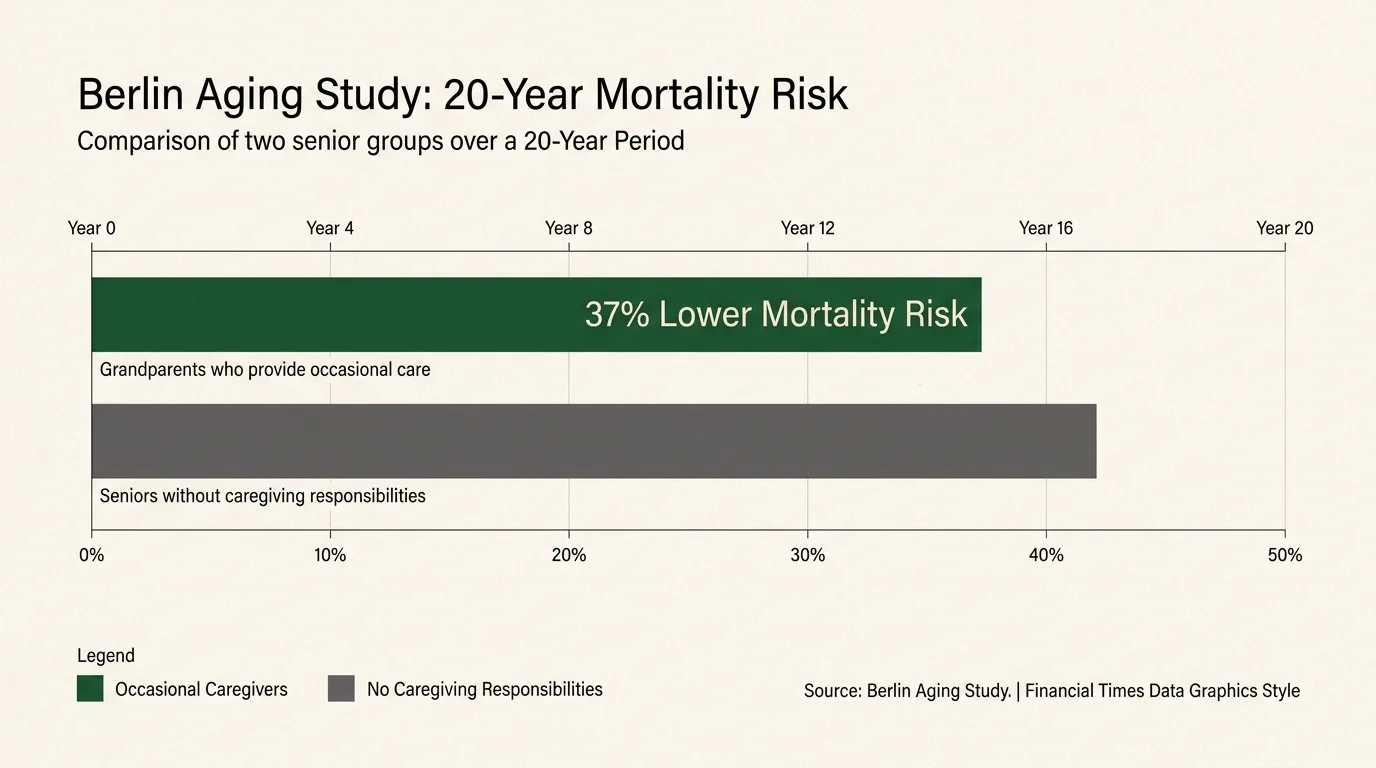
A landmark 2016 investigation from the Berlin Aging Study, published in Evolution and Human Behavior, tracked over 500 adults aged 70 and older. The researchers discovered a staggering statistic: grandparents who occasionally babysat or provided childcare experienced a 37% lower mortality risk over a 20-year period compared to seniors who did not have caregiving responsibilities. To put that in perspective, a 37% reduction in mortality risk rivals the benefits of rigorous diet and exercise interventions.
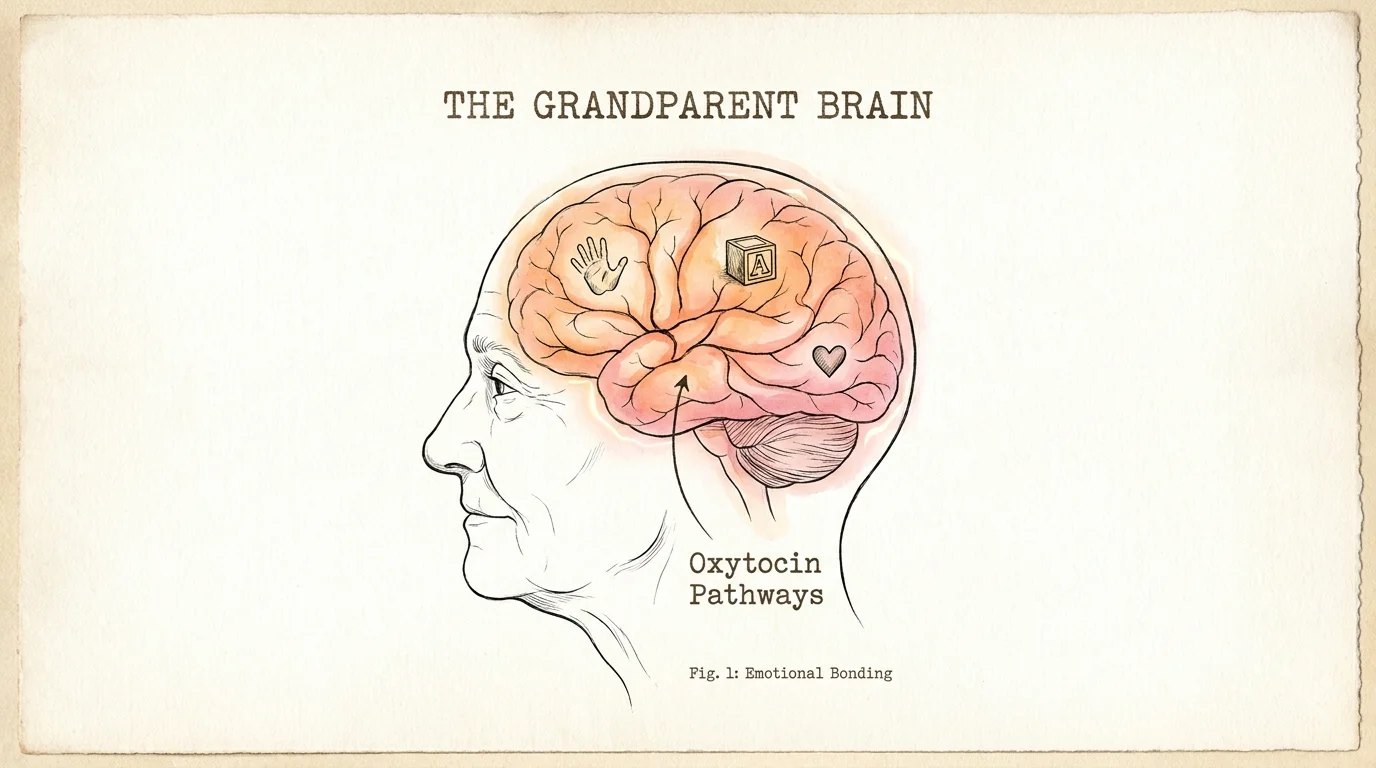
Several physiological mechanisms drive this “grandparent advantage.” First, chasing after toddlers, lifting infants, or simply walking to a local park forces you into functional, natural movement. This incidental exercise keeps your joints mobile and your cardiovascular system engaged. Second, interacting with loved ones triggers the release of oxytocin—a neuropeptide that lowers blood pressure, reduces systemic inflammation, and promotes feelings of deep bonding and safety. Through the simple act of play, you actively combat the physiological effects of aging.
Protecting Cognitive Function—With One Major Catch
Cognitive decline remains one of the primary fears of aging. To preserve your mental acuity, you must subject your brain to novel stimuli, complex problem-solving, and continuous learning. Spending time with grandchildren provides a masterclass in all three.
Young children ask relentless questions, demand creative play, and require you to adapt to unpredictable situations. This environmental complexity builds cognitive reserve—the brain’s ability to improvise and find alternate ways of getting a job done. However, research highlights a critical threshold where the cognitive benefits of caregiving reverse into detriments.
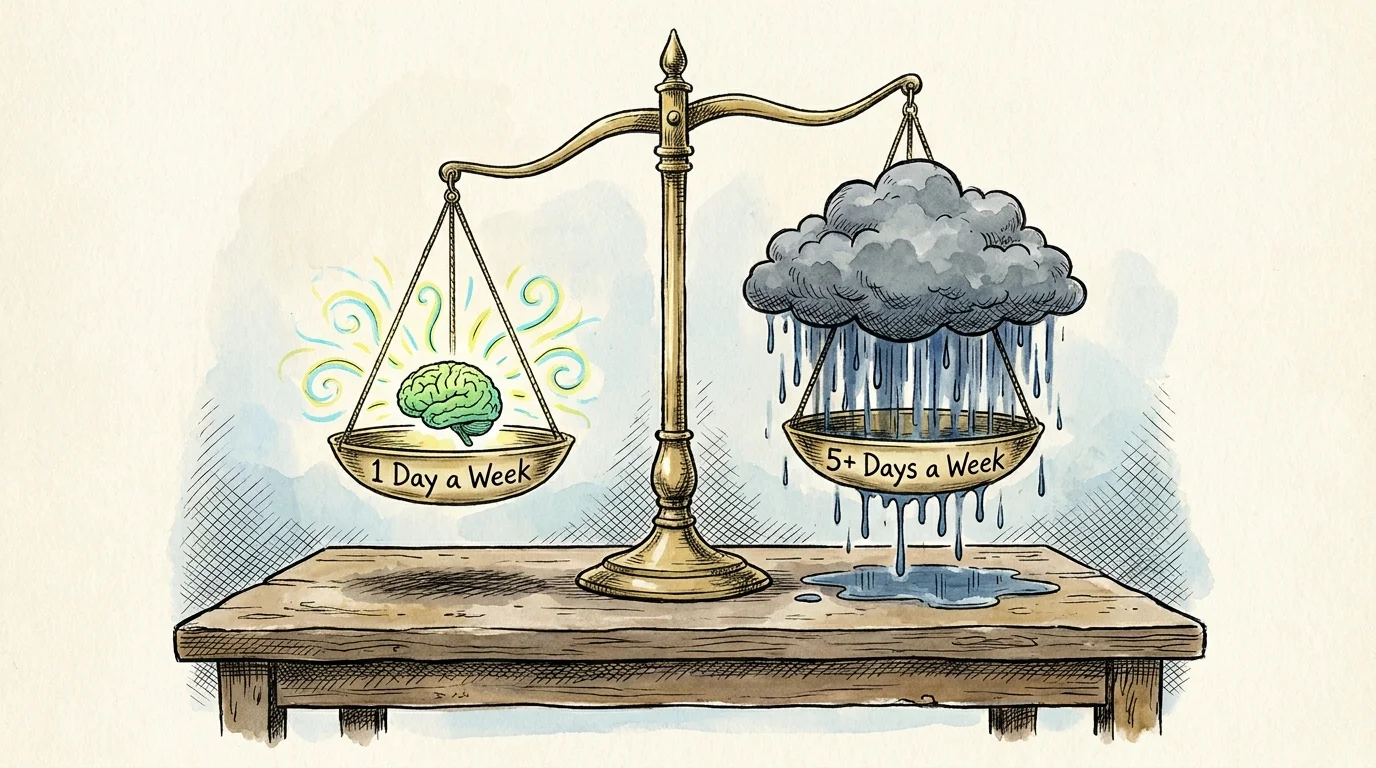
The Women’s Healthy Aging Project (WHAP), a prominent 2014 study published in the journal Menopause, analyzed the cognitive performance of postmenopausal women. The data revealed that grandmothers who cared for their grandchildren one day a week scored the highest on cognitive exams, showing exceptional memory and processing speed. The novelty and positive challenge of weekly caregiving stimulated their neural pathways.
Yet, the same study revealed a stark warning: grandmothers who provided care five or more days a week experienced lower cognitive performance. How does the same activity yield such opposite results? The answer lies in the neurobiology of stress. Occasional caregiving provides eustress—positive, stimulating pressure that keeps the brain sharp. Full-time caregiving, particularly when unsupported, generates chronic distress. High, sustained levels of cortisol (the stress hormone) become neurotoxic over time, specifically shrinking the hippocampus, the brain’s memory center. To protect your brain, you must carefully manage the frequency of your caregiving.
The Neurobiology of Empathy: Inside the Grandparent Brain
If you have ever felt that your emotional reaction to your grandchildren differs entirely from how you reacted to your own children at that age, science validates your experience. In 2021, an Emory University study published in the Proceedings of the Royal Society B offered the first fMRI scans of grandmothers’ brains.
The researchers showed grandmothers photographs of their young grandchildren, their adult children, and anonymous individuals. When viewing their grandchildren, the grandmothers demonstrated intense activation in the brain areas associated with emotional empathy. Emotional empathy is the physical sensation of feeling what another person feels. As lead researcher James Rilling noted, “If their grandchild is smiling, they’re feeling the child’s joy. And if their grandchild is crying, they’re feeling the child’s pain and distress.”
Fascinatingly, when the grandmothers looked at photos of their adult children, a different brain region lit up—the area responsible for cognitive empathy. Cognitive empathy involves intellectually understanding what someone is feeling, often tied to analyzing their motivations or trying to solve their problems. This neurological shift explains why you might find it easier to simply enjoy and comfort your grandchildren, whereas your interactions with your adult children often trigger a desire to advise, fix, or analyze.
“Connection is the energy that exists between people when they feel seen, heard, and valued; when they can give and receive without judgment; and when they derive sustenance and strength from the relationship.” — Brené Brown, PhD

Generativity: The Psychological Drive Behind the Bond
Beyond the physical and neurological benefits, spending time with grandchildren fulfills a profound developmental milestone. According to developmental psychologist Erik Erikson, the later stages of adulthood are defined by the conflict of “Generativity vs. Stagnation.” Generativity is the deep-seated psychological need to create, nurture, and guide the next generation. It is the drive to leave a lasting legacy that will survive beyond your own lifetime.
When you actively engage with your grandchildren, you satisfy this psychological mandate. You step into the role of the family historian, the wisdom-keeper, and the emotional anchor. Passing down family recipes, sharing stories about your own youth, or teaching a traditional skill helps your grandchildren develop a “narrative identity”—a cohesive understanding of who they are and where they come from. Research from the American Psychological Association indicates that children with a strong grasp of their family narrative exhibit higher self-esteem and greater emotional resilience. By feeding their psychological growth, you simultaneously cement your own sense of meaning and purpose.
What Can Go Wrong
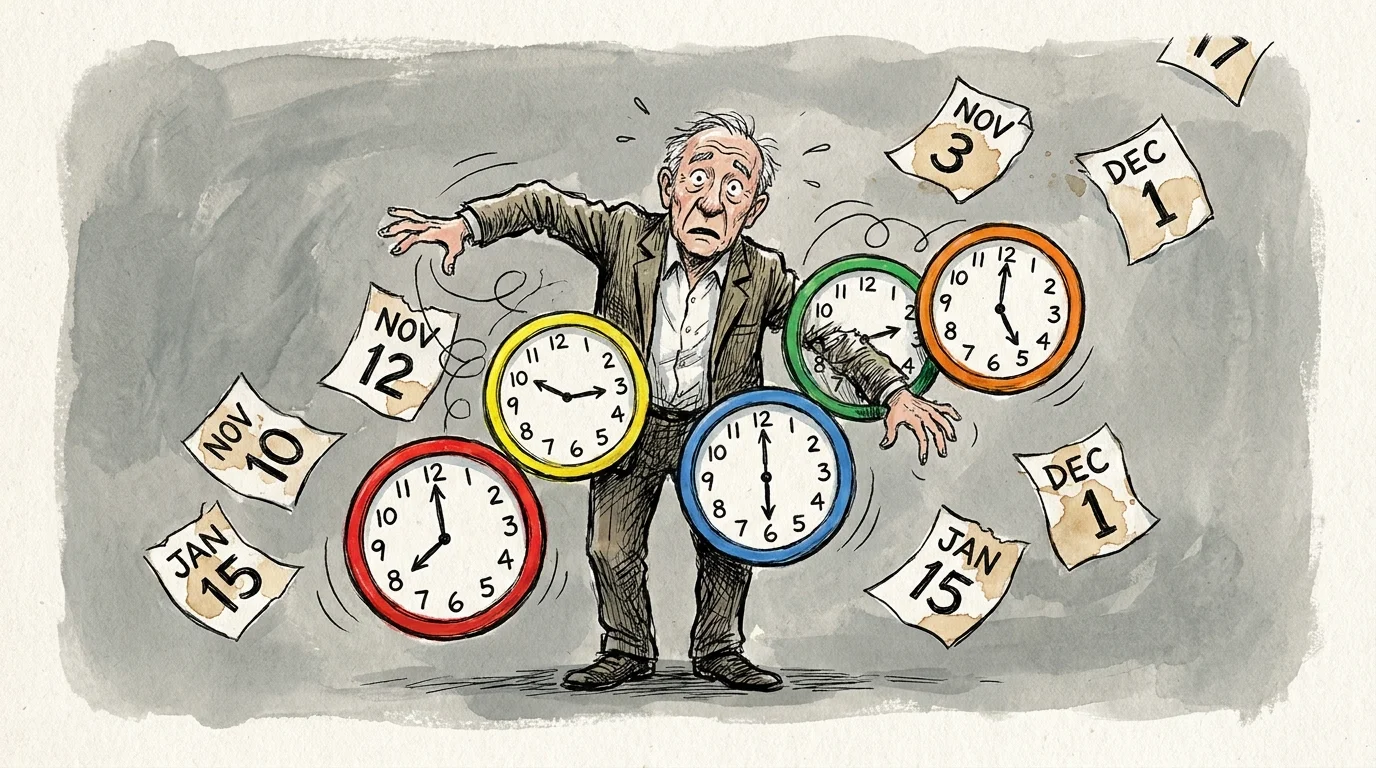
Despite the overwhelming benefits of the intergenerational bond, the modern landscape of parenting and retirement often creates friction. The most common pitfall is the caregiving trap, where well-meaning grandparents become the default, full-time childcare solution for their adult children. Given the rising costs of daycare and economic pressures on young families, you may feel obligated to step in entirely.
When boundaries dissolve, the relationship transforms from a joy into an obligation. Physical exhaustion sets in; resentment builds; and the emotional empathy that once defined the relationship becomes blunted by sleep deprivation and stress. If you surrender your own retirement goals, hobbies, and peer relationships to provide free childcare, you risk falling into isolation and depression. The very health benefits associated with grandparenting disappear when the role becomes a burden rather than a choice.
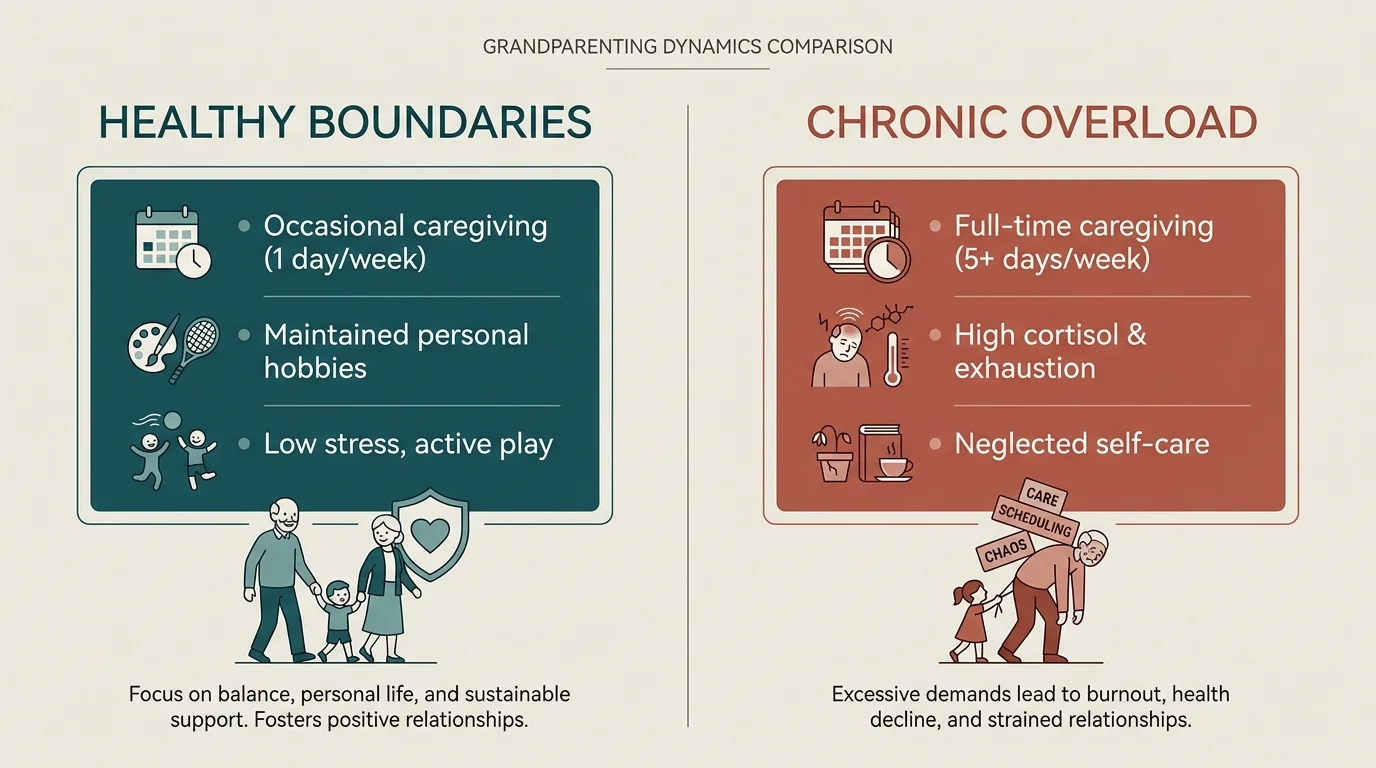
Healthy vs. Unhealthy Grandparenting Dynamics
To maximize the benefits of this relationship, you must maintain a balanced approach. The table below illustrates the critical differences between a healthy connection and a harmful caregiving dynamic.
| Aspect | Healthy Grandparenting | Unhealthy Caregiving Trap |
|---|---|---|
| Motivation | Driven by a desire for connection, legacy, and mutual joy. | Driven by guilt, obligation, or intense family pressure. |
| Frequency | Scheduled, predictable interactions (e.g., once a week or weekend visits). | Full-time, daily care that mimics the role of the primary parent. |
| Cognitive Impact | High mental stimulation; builds cognitive reserve and problem-solving skills. | Chronic stress and cortisol overload; impairs memory and cognitive function. |
| Physical State | Energized by incidental exercise and movement. | Physically depleted; pre-existing health conditions may worsen. |
| Parent Dynamics | Supportive and collaborative; respects the adult child’s parenting rules. | Resentful and strained; frequent overstepping or feeling taken for granted. |
When to Seek Professional Support
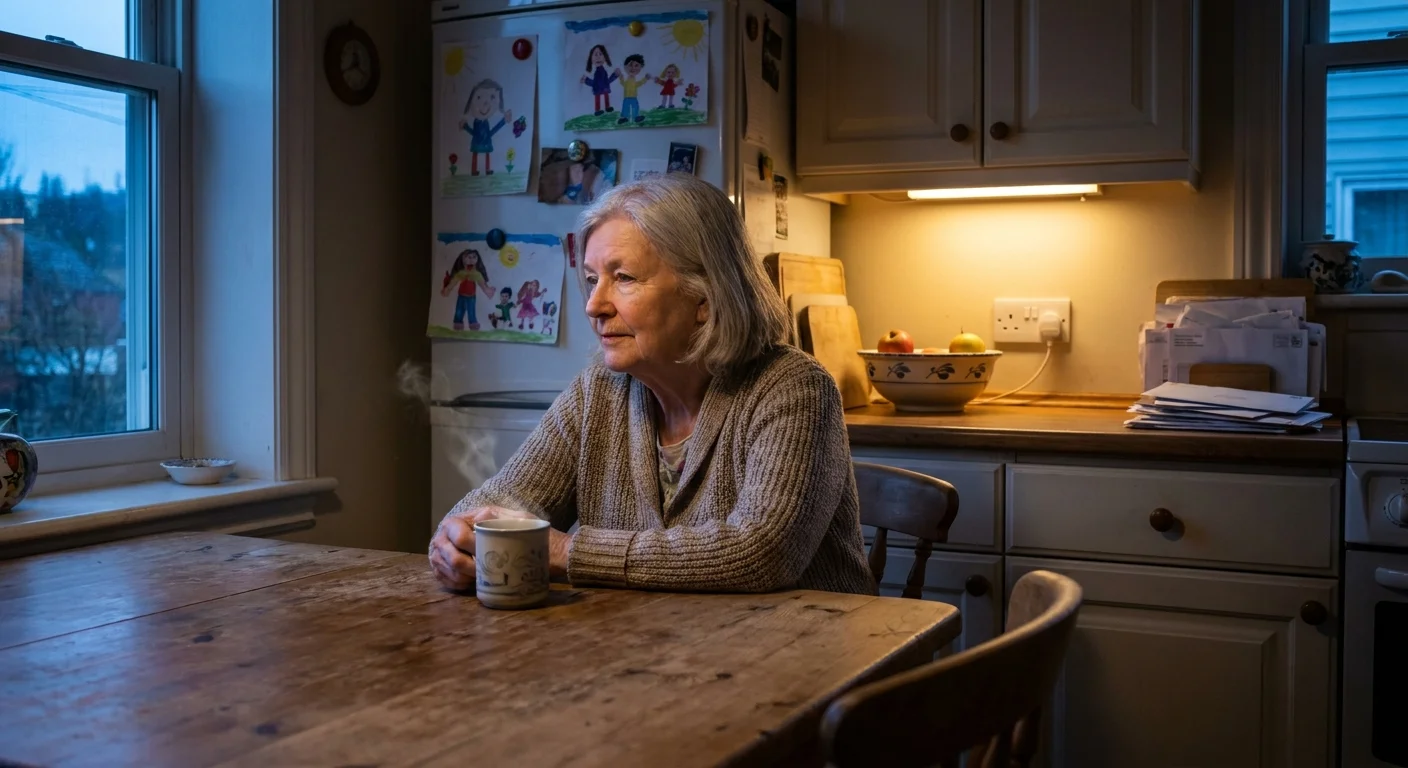
Navigating family dynamics, especially when childcare is involved, can sometimes require outside intervention. The transition into older adulthood and the restructuring of family roles often trigger emotional distress. Consider seeking guidance from a licensed family therapist or counselor if you experience the following:
- Chronic Resentment: You feel constant bitterness toward your adult children regarding their childcare demands, and you struggle to communicate these feelings without arguing.
- Severe Physical Exhaustion: Your caregiving responsibilities are causing your own physical health to deteriorate, and you are skipping your own medical appointments or social engagements to accommodate your family.
- Intense Guilt: You experience overwhelming guilt or anxiety when attempting to set boundaries or say “no” to babysitting requests.
- Loss of Identity: You feel you have entirely lost your sense of self outside of your role as a grandparent, leading to feelings of emptiness or depression during your time alone.
Organizations such as the National Alliance on Mental Illness (NAMI) provide resources for navigating family conflict and protecting your own mental health during major life transitions.
Actionable Ways to Maximize the Intergenerational Bond
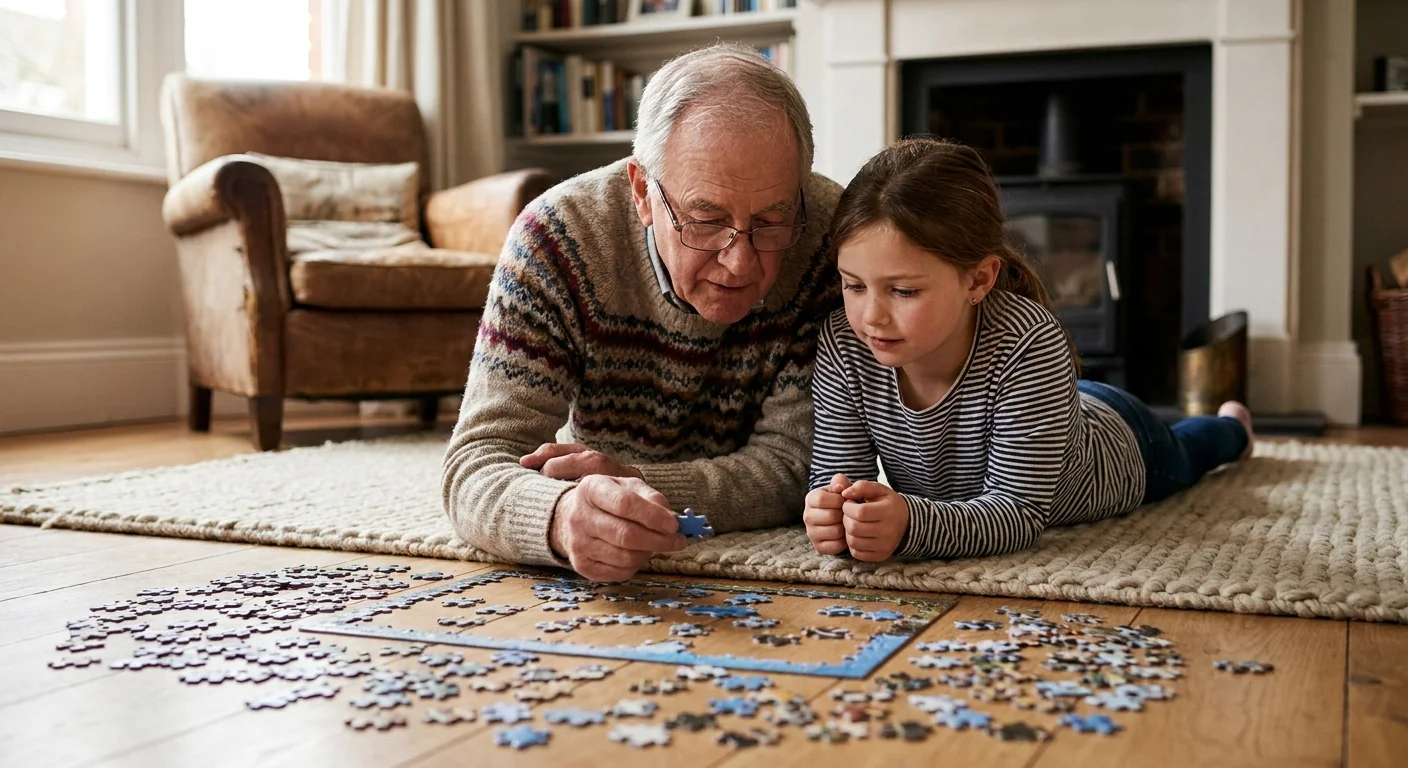
You do not need to be a full-time caregiver to reap the biological and psychological benefits of grandparenting. Brief, intentional, and highly engaged interactions offer the highest return on investment for both you and your grandchild. Implement these practical strategies to deepen your connection:
- Practice Emotion Coaching: Instead of simply distracting a crying grandchild, help them label their feelings. According to research from The Gottman Institute, teaching children to navigate their emotions builds trust and deepens the relational bond. Say, “I see you are feeling really frustrated right now,” rather than, “Don’t cry.”
- Engage in Mutual Learning: Shift the dynamic by allowing your grandchild to teach you something. Whether they show you how to play a new video game, explain a current slang term, or walk you through a new app, you build neuroplasticity in your own brain while boosting their confidence.
- Share the Family Narrative: Keep a dedicated time for storytelling. Tell them about the day their parent was born, the mistakes you made when you were their age, and the history of your family’s origins. This builds their psychological resilience and solidifies your role as the family anchor.
- Prioritize Undivided Attention: Set aside 15 minutes of completely unstructured, child-led play. Put away your phone, ignore the mess in the living room, and follow their lead. This intense focus signals to the child that they are deeply valued.
- Establish Clear Boundaries Early: Have an honest conversation with your adult children about your availability. Use “I” statements to protect the relationship. For example, “I love spending Thursdays with the kids, but I need to keep my weekdays mostly free to manage my own health and routines.”
Frequently Asked Questions
Do I still get health benefits if I live far away from my grandchildren?
Yes. While you may miss out on the physical exercise of chasing them around a playground, you can still reap the emotional and cognitive benefits. Regular video calls, writing letters, and playing digital games together stimulate your brain and maintain the emotional empathy loop. The sense of purpose derived from being a mentor transcends physical distance.
How do I tell my adult children I need a break from babysitting without causing a rift?
Approach the conversation with warmth but firmness. Emphasize your love for the grandchildren while being realistic about your physical and mental limits. You might say, “I cherish my time with the kids, but I’m realizing that watching them three days a week is draining my energy. Let’s look at adjusting the schedule to one day a week so I can be the best, most energetic grandparent possible when I do see them.”
Is it normal to feel more emotionally connected to my grandchildren than I did to my own children at that age?
Absolutely. When raising your own children, your brain was constantly flooded with the stress of providing, disciplining, and managing a household. The Emory University fMRI study confirms that grandparents’ brains are freed from much of that cognitive load, allowing the emotional empathy centers to light up more fully. You are experiencing the pure joy of the child without the heavy burden of primary parenting.
The time you spend with your grandchildren represents a beautiful biological synergy. By nurturing them, you inadvertently heal, protect, and sustain yourself. As long as you maintain healthy boundaries and prioritize your own well-being, this relationship will serve as one of the most powerful tools in your aging journey. Lean into the joy, embrace the occasional chaos, and recognize that every story shared and every game played is adding quality and duration to your life.
This is educational content based on psychological research and general principles. Individual experiences vary significantly. For personalized guidance, consult a licensed therapist, psychologist, or counselor.
Last updated: February 2026. Psychology research evolves continuously—verify current findings with professional sources.








Leave a Reply