Psychology Diary

The First Step Toward Change Is Awareness

  • Home
  • Relationships
  • Mental Health
  • Expert Tips
  • Life
  • Family
  • Marriage

The Complete Guide to Understanding and Managing Anxiety After 50

August 31, 2025 · Mental Health

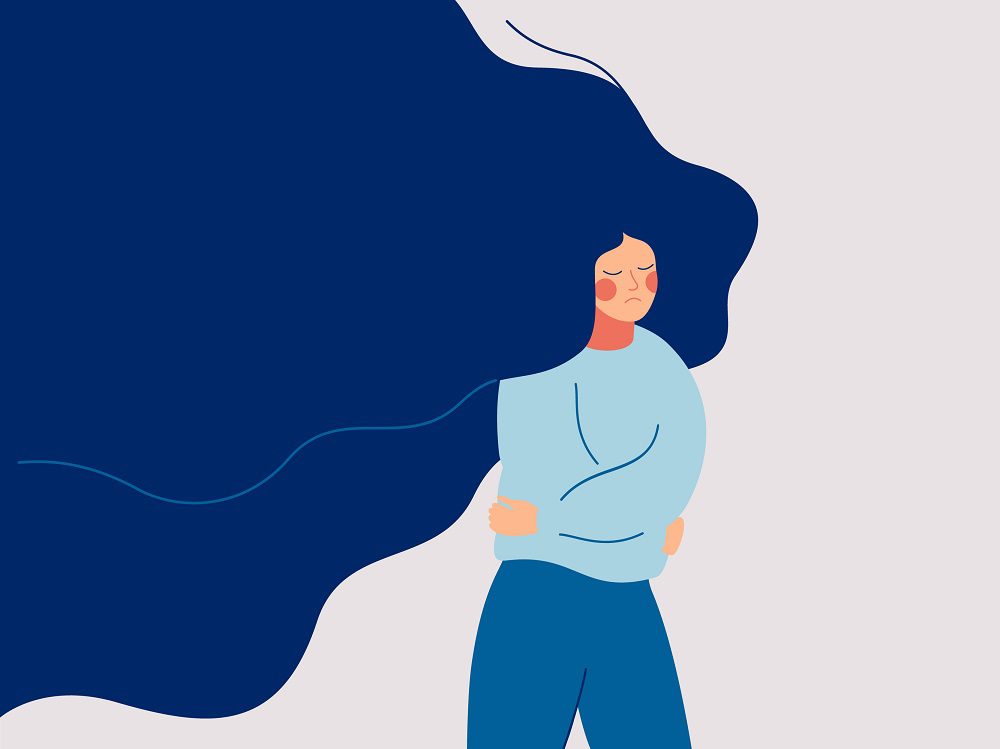
Woman deep in thought in quiet room.

What Is Anxiety and Why Does It Feel Different After 50?

At its core, anxiety is your body’s natural alarm system. It’s a response to stress or perceived danger that releases hormones like adrenaline to prepare you to face a threat—the “fight-or-flight” response. This is helpful if you need to slam on the brakes to avoid a car accident. However, for many people, this alarm system can become overly sensitive. It can start going off when there is no immediate, real danger, leaving you in a prolonged state of high alert. That persistent feeling of dread, worry, and physical tension is what we often refer to as an anxiety disorder.

It’s important to distinguish between occasional worry, which is a normal part of life, and a more persistent anxiety condition. Worry is often tied to a specific problem and can lead to solutions. Anxiety, on the other hand, tends to be more diffuse and persistent. It can feel like a free-floating sense of unease that latches onto one concern after another, making it hard to relax or feel safe.

For adults over 50, the triggers and expression of anxiety can be unique. The significant life transitions that often occur during these years can create a perfect storm for worry to take hold. Common contributing factors for late-life anxiety include:

Health Concerns: A new medical diagnosis, managing a chronic illness, or the fear of falling can create constant background stress. The physical symptoms of anxiety—like a racing heart or shortness of breath—can also be mistaken for serious medical problems, creating a vicious cycle of fear.

Grief and Loss: Losing a spouse, close friends, or siblings is a profound and painful reality. Grief itself can manifest with anxiety-like symptoms, and the loss of a key support person can leave you feeling vulnerable and alone.

Changes in Roles and Identity: Retirement can be a wonderful new chapter, but it can also involve the loss of a professional identity, a daily routine, and a social network. This can lead to questions like, “Who am I now?” and “What is my purpose?”

Financial Worries: Moving onto a fixed income, managing retirement savings, and worrying about unexpected healthcare costs are significant stressors that can fuel persistent anxiety about the future.

Social Isolation: As mobility changes or friends and family move away, loneliness can become a major issue. A lack of regular social connection is a significant risk factor for both anxiety and depression.

Caregiving Stress: Acting as the primary caregiver for a spouse or parent is a demanding role that can take a heavy toll on one’s own mental and physical health. The constant worry about another person’s well-being can easily trigger an anxiety response.

Understanding these unique triggers is not about dwelling on the negative. It’s about validating your experience. Naming the source of your stress can reduce its power and is the first step toward finding targeted, effective solutions that fit your life right now.


Pages: 1 2 3 4 5 6 7 8 9 10 11

Share this article

Facebook Twitter Pinterest LinkedIn Email

Leave a Reply Cancel reply

Your email address will not be published. Required fields are marked *

Search

Latest Posts

  • A grandfather and granddaughter sitting on a wooden dock at sunset, sharing a quiet moment looking into the water. The Unexpected Health Benefits of Spending Time With Grandchildren
  • An editorial gouache illustration of an anonymous leader's profile silhouette filled with abstract patterns, representing public perception. The Psychology of Donald Trump: Traits, Behaviors, and Public Perception
  • An artistic mixed-media collage silhouette of a person filled with tangled threads, a clock dial, and watercolor shapes on textured paper. 9 Everyday Symptoms That May Be Linked to Anxiety
  • Lonely1, feel depression 10 Therapist-Approved Tips for When You're Feeling Lonely
  • A conceptual mixed media collage with a compass, geometric shapes, and watercolor washes symbolizing structure and flow. 8 Signs You’re a Self-Disciplined Person
  • A mixed media collage of a figure made of layered paper and watercolor, symbolizing emotional flexibility and resilience. 12 Signs You're Mentally Stronger Than You Realize
  • A mixed media collage of a person's face with shifting, layered textures and torn paper edges symbolizing a mental break. 10 Signs of a Psychotic Break
  • A conceptual illustration showing a father and daughter separated by a deep chasm in the floor of their dining room. 10 Habits That Push People Away (Your Children Too)
  • A conceptual collage of a head silhouette filled with shattered mirrors and warped photos, symbolizing reality distortion. 8 Ways People Distort Reality
  • An elderly woman sits alone at a dining table in soft afternoon light, looking down at a tea cup in a quiet, nostalgic home setting. 9 Emotional Wounds Adult Children Simply Don’t Realize They’re Inflicting On Their Parents

Newsletter

Get the latest posts delivered to your inbox.

Related Articles

ptsd

These 6 Conditions Are Related to PTSD

Anyone who has been through or witnessed a shocking event, such as a vehicle accident,…

Read More →
burnout

7 Signs of Burnout (and What To Do About It)

Even the greatest jobs can lead to burnout. The more you work and the more…

Read More →
affect

7 Negative Ways in Which Stress Affects the Body

Mental health issues The first impact stress has on our bodies is obviously on our…

Read More →
anxiety

10 Subtle Signs of Anxiety You Shouldn’t Ignore

When you think of anxiety, you probably have an idea of some of its most…

Read More →
mental health

9 Ways to Improve Your Mental Health NOW

How important is mental health for you? Whether we watch TV, scroll through social media,…

Read More →
depression

11 Signs of Depression in Seniors and What You Can Do About It

Risk Factors Of Depression In Older Adults As we begin to age, we frequently encounter…

Read More →
sound therapy

Sound Therapy: What Is It and Why Does It Have Colors?

Have you wondered what sound therapy is and if it is just a new fad?…

Read More →
Bipolar Disorder

9 Warning Signs of Bipolar Disorder in Seniors

1. High energy This energy boost caused by Bipolar Disorder is often described as a…

Read More →

Misdiagnosed Mental Illnesses: 4 Shocking Ones Commonly Overlooked

Bipolar disorder Bipolar is one of the most commonly misdiagnosed mental illnesses in the United…

Read More →

Psychology Diary

The First Step Toward Change Is Awareness

Inedit Agency S.R.L.
Bucharest, Romania

contact@psychologydiary.com

Explore

  • About Us
  • Advertiser Disclosure
  • Contact Us
  • Disclaimer
  • Do not sell my personal information
  • Editorial Policy
  • Frequently Asked Questions
  • Privacy Policy
  • Terms and Conditions
  • Subscribe
  • Unsubscribe

Categories

  • Expert Tips
  • Family
  • Life
  • Marriage
  • Mental Health

© 2026 Psychology Diary. All rights reserved.