Psychology Diary

The First Step Toward Change Is Awareness

  • Home
  • Relationships
  • Mental Health
  • Expert Tips
  • Life
  • Family
  • Marriage

Am I in a Toxic Relationship?’ 8 Questions to Ask Yourself

August 31, 2025 · Relationships

Person enjoying a hobby in a sunlit room.

Navigating Big Life Changes Without Derailing Your Partnership

For many couples in their middle and later years, significant life transitions can expose or amplify toxic patterns that were previously manageable. Understanding these pressure points can help you navigate them with more awareness.

Retirement and the Empty Nest

The transition from a life structured around work and raising children to one with wide-open days can be jarring. Suddenly, you are spending much more time together, and old, unresolved issues can surface. The loss of professional identity or the primary role of “parent” can lead to feelings of purposelessness or depression, which can strain a relationship. It’s crucial to proactively discuss how you want to spend your time, both together and apart. Respecting each other’s need for individual hobbies and friendships is just as important as planning shared activities.

Health Crises and Caregiving

When one partner’s health declines, the relationship dynamic inevitably shifts. The healthy partner may become a caregiver, and the one who is ill may struggle with loss of independence. This can breed resentment, guilt, and exhaustion on both sides. It is vital to seek external support, such as from caregiver support groups available through organizations like AARP. Also, be aware that health issues and medications can impact mood, libido, and communication. Hearing or vision loss can create misunderstandings that feel like intentional slights. It’s important to rule out medical causes for changes in behavior by encouraging regular check-ups with a doctor.

Grief and Loss

Losing a parent, a sibling, a close friend, or even a cherished way of life can create profound emotional upheaval. People grieve differently. One partner may want to talk endlessly, while the other may process internally and need solitude. These different styles can be misinterpreted as not caring, creating a painful rift when you need each other most. The most supportive thing you can do is allow your partner to have their own grieving process without judgment, while clearly stating your own needs. You might say, “I know you need space to process, and I respect that. I’m feeling very alone in my grief right now, and I would love it if we could just sit together for 10 minutes this evening.” Education on the grieving process can be found through resources like the National Hospice and Palliative Care Organization (NHPCO).


Pages: 1 2 3 4 5 6 7

Share this article

Facebook Twitter Pinterest LinkedIn Email

Leave a Reply Cancel reply

Your email address will not be published. Required fields are marked *

Search

Latest Posts

  • An ink and watercolor illustration of a person holding a large ceramic vase with glowing gold cracks, symbolizing hidden internal pressure. The Psychology of the Person Who Is Always Fine Until They Absolutely Aren't
  • A woman sits in a sunlit home library, looking thoughtfully out a window with an open book on her lap. 12 Signs of a High IQ
  • A candid photograph of a tense moment between a couple in a sunlit kitchen, one partner looking exhausted while the other looks away. 8 Traits of Someone Who Always Has to Be Right
  • A conceptual paper collage portrait made of torn fragments representing a fragmented digital identity with blue screen patterns. 10 Clues Someone Has a False Online Identity
  • A conceptual mixed media collage showing a silhouette with a peeling mask, revealing a deep indigo inner layer. 8 Trauma Responses That Get Mistaken for Personality Traits
  • A conceptual watercolor illustration of a senior's silhouette in soft blue, with a glowing gold ink pathway symbolizing an awakening virus. 6 Early Signs of Shingles Seniors Should Never Ignore
  • An illustration of a person on a ledge reaching for a fragile golden thread emerging from a glowing smartphone screen. 10 Clear Signs Your Partner Is Only Feeding You Breadcrumbs
  • An editorial illustration of a senior man in an armchair while his partner speaks from a distance, with her voice fading as watercolor mist. 7 Early Warning Signs of Hearing Loss That Seniors Often Dismiss as Normal Aging
  • An unposed photo of a man sitting at a kitchen table looking slightly guarded during a quiet, intimate conversation. 8 Body Language Clusters That Indicate Someone Is Holding Back the Truth
  • An ink and watercolor illustration of a morning coffee cup on a wooden table with a gentle ripple, symbolizing subtle early changes. 7 Subtle Signs of Parkinson's Disease in the Early Stages

Newsletter

Get the latest posts delivered to your inbox.

Related Articles

relationship war

5 Best Ways To Rekindle Your Relationship

4. Did anyone say… alone time? Life gets busy and complicated, we all get that.…

Read More →
A couple standing far apart in a dimly lit, modern living room, looking away from each other.

6 Silent Signs Your Marriage Is Slowly Falling Apart

Is your marriage quietly failing? Learn the 6 silent signs of emotional drift, from the…

Read More →
attractive

8 Signs Your Spouse Doesn’t Find You Attractive Anymore

4. They only want to be intimate with you when they are tipsy We have…

Read More →
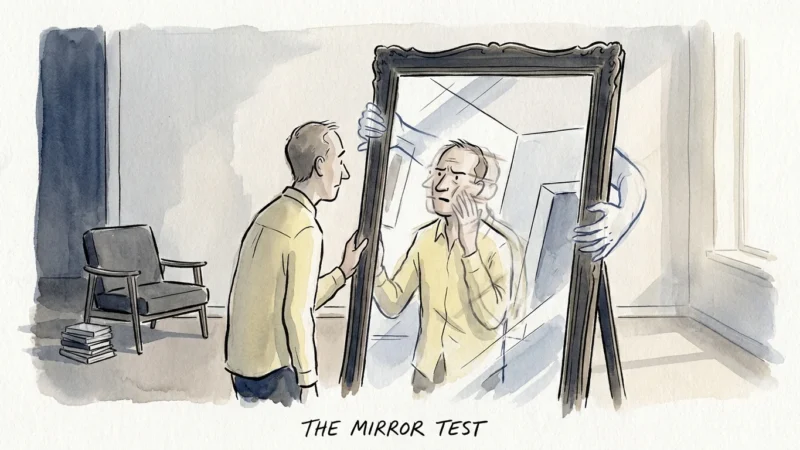
Illustration of a person looking into a mirror that is being tilted by outside hands, creating a distorted and confusing reflection.

7 Signs Someone Is Emotionally Manipulating You

Learn to identify the 7 key signs of emotional manipulation, understand the psychological impact of…

Read More →
dominance, emotionally abusive relationship

10 Dangerous Red Flags of an Emotionally Abusive Relationship

Are you in an emotionally abusive relationship? Being with someone you love is one of…

Read More →
A couple sits on opposite ends of a long sofa in a dimly lit living room, staring away from each other with a large physical gap between the

10 Signs You’re No Longer Connected to Your Partner

Recognize the research-backed signs of emotional disconnection in your relationship and learn practical steps to…

Read More →
emotional blackmail, emotional masochist

10 Shocking Signs You Might Be an Emotional Masochist

Are you an emotional masochist? These signs say yes! Even though whips and chains might…

Read More →
forgive

Is It Possible To Forgive An Adulterous Partner? 11 Ways to Do It

Relationships and marriages are built on trust, respect, love, and two people committed to one…

Read More →
things to do when you go to therapy

Always Do These 5 Things Once You Start Going to Therapy

Here are the best things to do when you go to therapy! If you decide…

Read More →

Psychology Diary

The First Step Toward Change Is Awareness

Inedit Agency S.R.L.
Bucharest, Romania

contact@psychologydiary.com

Explore

  • About Us
  • Advertiser Disclosure
  • Contact Us
  • Disclaimer
  • Do not sell my personal information
  • Editorial Policy
  • Frequently Asked Questions
  • Privacy Policy
  • Terms and Conditions
  • Subscribe
  • Unsubscribe

Categories

  • Expert Tips
  • Family
  • Life
  • Marriage
  • Mental Health

© 2026 Psychology Diary. All rights reserved.