

Going home with an autism diagnosis as a senior after many years of searching and looking for answers might feel both liberating and daunting. Naturally, we would advise you to look at it more as a relief and a path to unwavering support.
In the last 40 years, ever since autism was mentioned for the first time in the DSM-III (1980), our own understanding of this complex diagnosis has managed to increase as more and more American citizens receive it.
Around one in 44 children receive an autism diagnosis, according to the Centers for Disease Control (CDC), and ultimately become autistic adults. Even more older adults who weren’t initially diagnosed as children now get the same results, or at least they seek a diagnosis.
And since most autism research is mainly focused on children, there is some sort of lack of research both about the needs of older adults with autism and also regarding the challenges faced by an adult who gets a diagnosis later in life.
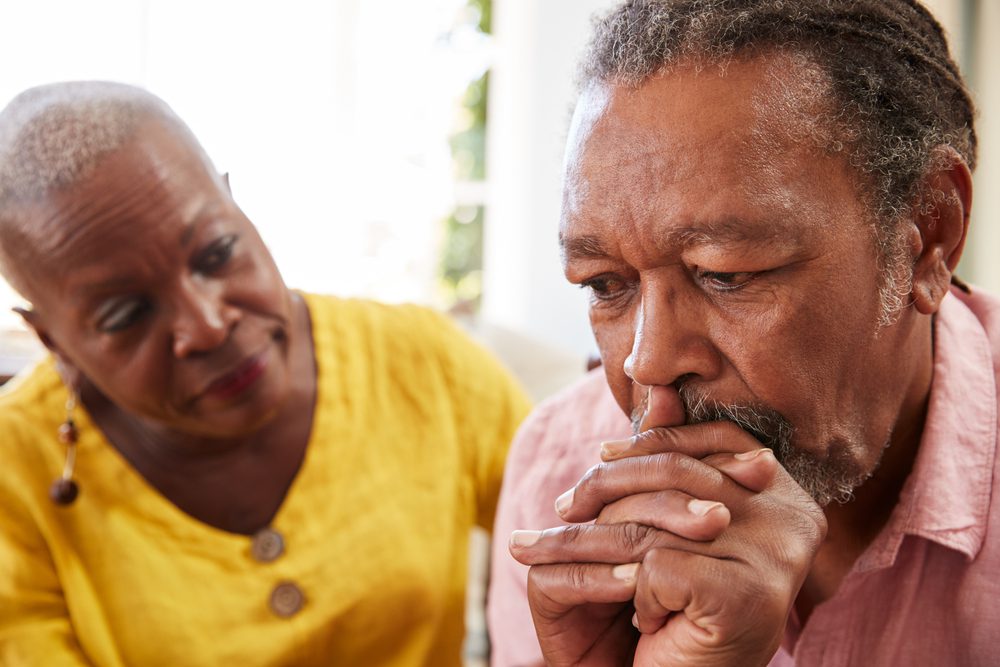
What challenges do autistic seniors face?
Research, which also includes a 2020 study, suggests that older autistic adults are way more likely to face both physical and mental health challenges than people who are over 65 without autism.
Different physical conditions are often associated with aging, which naturally makes them more common in older adults with autism than those without, such as osteoporosis, cancer, heart disease, arthritis, and cognitive disorders such as dementia.
There are many older adults who haven’t gotten a formal diagnosis of autism, and who are currently trying different treatments for anxiety, and mood disorders and face difficulties with socializing.
Mental health concerns are constantly given as the number one reason behind their diagnosis, rather than simply autism. Without a proper formal autism diagnosis, older adults can easily miss out on support services that could potentially help them get housing and medical care, including therapy and other forms of mental health care.
As autism affects everyone on a different level, and the level of support an autistic adult would require depends on how much care they really need, many people will find benefits in establishing a safety net of support.
Symptoms of autism in older adults
Some of the main symptoms of autism in older adults are the same ones doctors screen for in young children, such as poor social skills and repetitive and restrictive behaviors. What’s true is that many adults who are diagnosed with autism later in life observe that their symptoms have been quite obvious ever since they were very young.
However, children today are generally diagnosed when families or even pediatricians observe missed developmental milestones or even serious behavioral changes. Adults who weren’t diagnosed as children can often learn to mask their autism symptoms, to appear neurotypical, and to fit socially.
This can be quite stressful, and this type of stress can lead to other mental and physical health issues over time. Older adults are way more likely to suffer from physical illnesses than those without autism, especially in the gastrointestinal disorders sector.
However, they are less likely to also suffer from other mental health conditions, aggressive behaviors, or diabetes. Besides, adults who go undiagnosed might remain socially isolated, lack higher education, and keep living with relatives.
Here’s a list of symptoms and signs you might have autism:
- you socially isolate
- loneliness
- feelings of social alienation
- feelings of social rejection
- adherence to certain routines and becoming upset if those routines are disrupted
- obsessive interests
- poor executive functioning
The screening tools that could easily diagnose autism in children might not apply to adults, whose symptoms might be more pronounced but also better camouflaged. For now, there are no diagnostic standards for autism in adults.
To get a proper diagnosis, a doctor could observe your behavior and ask you questions about your life, including your social and emotional behaviors, your routines, and your interests. They could refer you to a psychologist or psychiatrist for deeper evaluation.
Unlike a typical childhood diagnosis, in which one of your family members can relay real-time discussions of missed developmental milestones or even behavioral and emotional changes, adult diagnosis could depend on that adult’s own recollections of their childhood behaviors and various other symptoms.
Employment and relationship issues should be covered in diagnostic screening when we’re talking about autism in adults. The whole feeling of acting like an “alien” is quite common among adults with autism, and many of whom have masked for a long time their symptoms so they can easily fit in with their peers.
Treatment and support options
As a general rule, a course of psychotherapy should come with an adult autism diagnosis. Therapy might help them manage what could seem like a real shift in how they perceive themselves in relation to their world.
As soon as you have a diagnosis in hand, finding the right doctor with experience in treating autistic adults might help you obtain better care for some of those physical issues that you might be at greater risk for.
Online support groups for adults with autism can empower you after a diagnosis and also boost your self-esteem. When you’ve previously been on the outside of the diagnosis, completely unable to understand why you feel the way you do, finding the right place where you might experience a sense of belonging and where people understand you might come as a revelation.

Next step
Masking autism symptoms might result in many years of stress on your body and mind. Pursuing a proper diagnosis might make you healthier than you’ve ever been, both physically and mentally. Receiving a proper autism diagnosis as an adult could come as a shock or as a surprise, but many would say that it generally comes with relief.
Receiving the right diagnosis could imply a brand new sense of control and the capacity to better plan and manage some situations. Besides, getting a diagnosis will automatically open up brand new avenues of support, whether they come in physical support such as housing and medical care, or even emotional support, such as online support groups.
The Organization for Autism Research (OAR) website has several resources for navigating autism as an adult, such as assistance with employment, education, and physical, mental, and even se*ual health.
Aging, autism, and brain
Is there a higher incidence of dementia or Alzheimer’s disease in those with autism? Or, better yet, are other neurological disorders that can be found more frequently in elders, say, for example, Parkinson’s Disease?
There are some studies that suggest the answer is yes. Almost a third of all between in between 42 and 81 showed declines in memory and thinking on a dementia screening tool, according to one study of 210 independent autistic adults.
These results might point towards an emerging public health crisis in autistic adults as they age. Dementia is influenced by genes as well as other factors. Autistic people are way more likely to experience risk factors of dementia, like diabetes, depression, high blood pressure, poor sleep, high cholesterol, and even social isolation.
Other studies show that parkinsonism, a group of movement disorders with a spectrum of symptoms including tremors, leg stiffness, and unstable posture, is way more common in older autistic adults than others. One study even found that autistic adults were way more likely to have Parkinson’s Disease, even if it’s more rare.
Doctors have known all these years that another neurological condition, epilepsy, appears more often in children and adults with autism. Epilepsy is a serious condition that can lead to a lower life expectancy. If that’s something you’re currently dealing with, we recommend you try this amazing Sensory Book.
If you found this article useful, we also recommend checking: 8 Ways Negative Body Language Is Damaging Your Self-Confidence









I believe my boyfriend of 10 years is on the higher end of the Autism spectrum. He’s in his late 60’s but has many of the symptoms and behaviors that have progressively been getting worse. I feel he’s also showing signs of dementia. I can’t get him to go get help and offered to go with him. What other options or suggestions can you offer? Need help!