
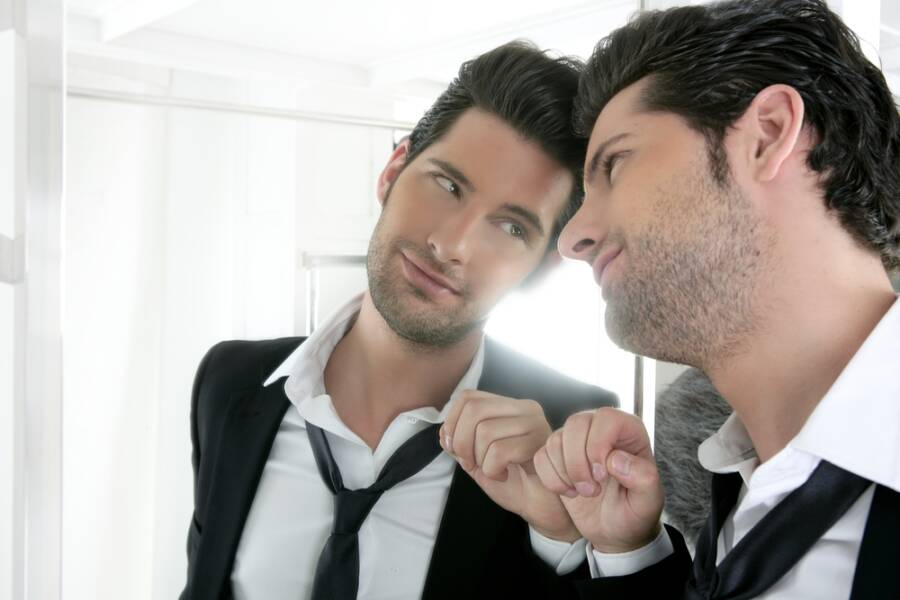
We can all agree that psychopathy is a widely debated topic as far as psychology goes. There are theories upon theories trying to untangle psychopathic behavior.
Well, it’s not news that people are highly fascinated by psychopaths. They prefer watching movies and reading books, articles, as well as news items about psychopaths.
But thinking in retrospect, who are these psychopaths? And more importantly, why are they the way they are? A psychopath is someone who lacks empathy and emotions as well as the ability to genuinely bond with other people.
They also tend to be selfish, power-hungry, and aggressive, as well as violent. Other traits are generally displayed by psychopaths, such as superficial charm, lack of remorse, narcissism, fearlessness, dominance, calmness, manipulativeness, deceitfulness, and callousness.
There’s also an overall lack of concern for others, impulsiveness, full irresponsibility, low self-control, and a huge disregard for authority.
Psychopaths are famous for lacking both positive and negative emotions. They are also deprived of the joy that normal people feel in social connections. At the same time, they are less fearful, stressed, and anxious than normal people.

Why are there psychopaths?
Psychopathy is very well understood as a trait on one end of the psychopathy-empathy spectrum. Selfishness is quite ingrained in the human mind.
In fact, it’s way more primitive than empathy. Empathy evolved in mammals for group living, whereas selfishness is a strong and fundamental survival trait of every single living thing.
It’s quite possible that at one particular stage of human evolution, psychopathy was way more common. As human groups increased in size and civilizations emerged, group living developed into something more important.
Psychopathy also had to be balanced with empathy. Most people who are not full-blown psychopaths do show psychopathic tendencies.
They also lie in the middle of the spectrum. The cost of being a full-blown psychopath is way too high when it comes to group living. Hence, evolution pushed them to the corner, as they now comprise only 1 to 5% of the population.
The vast majority of psychopaths are men
A very convincing theory of why there are increasingly more psychopaths is that such traits give men a reproductive advantage. As we all know, women prefer high-status, powerful, and resourceful men.
Psychopathy, as well as being selfish at the expense of others, can push men to seek more power, status, and resources. But the same applies to fearlessness and risk-taking.
This is exactly why psychopathic men often get caught in fraud and scams. Women can also commit fraud, but not as much as men do.
The reproductive strategy of such psychopathic men is based on “short-term mating.” They tend to be more promiscuous and try to impregnate as many women as they can, without investing any kind of resources in any of them.
Since they can’t feel love, they are primarily driven by lust. And if they fail to reach a high status in society through deceit and manipulation, psychopathic men have the ability to fake the traits they know women find attractive, like charm, status, and power.
They overthink before they speak
Given the fact that psychopaths can’t naturally connect with others, they need to be extra careful during social interactions. They measure absolutely everything they say. This makes them a bit distant, and seemingly “in their head.”
They also overthink before speaking, since they mainly carry out their deception and manipulation through speech. They can come across as cold and calculating, since it takes time to say the right thing.
Flat body language
Since psychopaths are completely unemotional and they only experience a shallow range of emotions, they can’t express what they feel in social interactions. Expressing emotions is a huge part of connecting with others, and we mainly do it via nonverbal communication.
Psychopaths are hardly capable of using nonverbal communication. In fact, they barely show facial expressions and body language gestures. When they do, it’s mostly fake, so they can blend in. Psychopaths are those people who will give you the fakest smiles in the crowd.
Most of the time, they will be staring at their targets and sizing up the next prey. Have you ever heard of the term “psychopathic stare”? That’s your cue. If someone stares at us for too long, they are likely creeping us out, and we might slip something such as, “Stop staring at me like a psychopath!”
Using their charm to deceive
Psychopaths are also known to use their superficial charm to draw people in and manipulate them. They can even use flattery and tell people exactly what they want to hear. How do they know? Strong observational skills, zero feelings to blur the image.
They use people
They see others as tools to be used for their selfish ends. Instead of entering mutually beneficial win-win relationships, they seek win-lose relationships, where they are always the ones who win.
They’re deeply disloyal.
A psychopath might only be loyal to you as long as they can use you. When they get what they wish for from you, they will immediately drop you like a hot potato.
They are pathological liars
Psychopaths are usually pathological liars. Unlike the vast majority of people who can be easily caught when they lie since they have emotions, psychopaths can easily lie as if it’s nothing.
They can fake virtually anything
Psychopaths are very aware that they don’t fit in. They also know what they need to do to fully fit in. Their niceness is only a mask they have deliberately put on. They also tend to be amazing actors, being able to mold themselves to the requirements of a situation, just like a chameleon. They can easily fake empathy and love.

They gaslight
Psychopaths can drive people crazy by making them question their reality and sanity. Also known as gaslighting, it’s one of the most severe forms of emotional abuse.
They constantly love-bomb
Psychopaths will constantly shower a potential partner with plenty of love and affection in quite a short amount of time. Many women who love hearing nice things about themselves could easily fall into this love-bombing trap.
But smarter, more experienced women will sense something is off and will take a step back. They will be your fake soulmate for as long as they can get what they wish from you. When they do, the love-bombing will stop, and the cruelty will begin.
They are obsessed with their basic needs
The more selfish someone is, the more obsessed they are with their basic needs. In fact, if you recall Maslow’s hierarchy of needs pyramid, the very bottom of the pyramid represents our basic needs, such as food, safety, and sex.
They exploit kind people
Kind and sweet people are the easiest targets for psychopaths. They are wary of other psychopaths who can see straight through them, but don’t worry about kind people.
They are calm when they shouldn’t be
Well, we all want to surround ourselves with calm and collected people, but there are still times when the most relaxed people on earth lose it and succumb to their emotions.
Psychopaths manage to stay calm when you expect them to be worried sick. You might be thinking, “How can this not affect him?” Well, it doesn’t.
If you found this article interesting, we also recommend checking: 5 Ways ChatGPT Can Support Your Mental Health






Leave a Reply