Psychology Diary

The First Step Toward Change Is Awareness

  • Home
  • Relationships
  • Mental Health
  • Expert Tips
  • Life
  • Family
  • Marriage

Recognizing the Signs of a Nervous Breakdown in a Loved One

August 31, 2025 · Mental Health

Woman reading in peaceful home setting.

Caring for the Caregiver: Preventing Your Own Burnout

Supporting someone through a mental health crisis is emotionally and physically draining. It is a marathon, not a sprint. If you don’t take care of yourself, you risk `burnout`, which will make you less effective at helping your loved one. Your well-being is not a luxury; it is a necessity.

Set Healthy Boundaries

You cannot be available 24/7, and it is not healthy to try. It is okay—and essential—to set limits. You are not their therapist. You can be supportive without taking on responsibility for their feelings or their recovery. It’s okay to say, “I love you, and I am here for you, but I need to take an hour for myself right now.” Or, “I can listen for the next 20 minutes, but then I need to focus on my work.” Boundaries protect your relationship and your own mental health.

Maintain Your Own Routines

When you’re focused on someone else’s crisis, it’s easy to let your own self-care slide. Make a conscious effort to protect the pillars of your own health. Prioritize getting enough sleep. Eat regular, nourishing meals. Get some form of physical movement each day, even if it’s just a 15-minute walk. These are not selfish acts; they are what will give you the strength to continue providing support.

Find Your Own Support

You need a place to vent, to process your own feelings of fear, frustration, and sadness. You cannot do this alone. Reach out to a trusted friend, another family member, or a professional therapist for yourself. Caregiver support groups can also be invaluable. Organizations like the National Alliance on Mental Illness (NAMI) offer free support groups for family members, providing a community of people who understand exactly what you’re going through. You can find general U.S. resources at MentalHealth.gov and SAMHSA.

Pages: 1 2 3 4 5 6 7 8 9

Share this article

Facebook Twitter Pinterest LinkedIn Email

Leave a Reply Cancel reply

Your email address will not be published. Required fields are marked *

Search

Latest Posts

  • An unposed photo of a man sitting at a kitchen table looking slightly guarded during a quiet, intimate conversation. 8 Body Language Clusters That Indicate Someone Is Holding Back the Truth
  • An ink and watercolor illustration of a morning coffee cup on a wooden table with a gentle ripple, symbolizing subtle early changes. 7 Subtle Signs of Parkinson's Disease in the Early Stages
  • An editorial illustration of a silhouette standing on a fractured path, with a hand gently unravelling a thread from its shoulder. 8 Hidden Signs of Emotional Manipulation in a Relationship
  • Gouache illustration of a couple walking hand-in-hand through a vibrant landscape of overlapping colorful plants and abstract shapes. The 5 Love Languages Revisited: What Really Keeps Couples Close
  • A watercolor illustration of two people on an uneven seesaw, symbolizing a lopsided, selfish relationship dynamic. 10 Signs Someone May Be More Selfish Than They Realize
  • An editorial ink and watercolor illustration of a lonely figure fading into soft gray washes, symbolizing emotional vulnerability. 10 Warning Signs You May Be in an Emotionally Abusive Relationship
  • A couple sits on opposite ends of a long sofa in a dimly lit living room, staring away from each other with a large physical gap between the 10 Signs You're No Longer Connected to Your Partner
  • Editorial ink and watercolor illustration of a person wearing a suit of mirrors as protective armor, symbolizing defensive ego preservation. 9 Signs You Struggle to Admit Mistakes
  • A conceptual mixed-media collage showing dark, chaotic textures emerging from a clean paper silhouette, symbolizing hidden guilt leaking out 7 Signs Someone May Feel Guilty About Something
  • An editorial illustration of a person sitting at a table with a root system growing from their chair into the floorboards. The Mental Symptoms Many People Ignore Until It's Too Late

Newsletter

Get the latest posts delivered to your inbox.

Related Articles

burnout

7 Signs of Burnout (and What To Do About It)

Even the greatest jobs can lead to burnout. The more you work and the more…

Read More →
Schizophrenia

Schizophrenia: 5 Telltale Signs of a Debilitating Disorder

Causes And Symptoms In The Elderly As with many other mental health disorders, there’s no…

Read More →
mental health

9 Ways to Improve Your Mental Health NOW

How important is mental health for you? Whether we watch TV, scroll through social media,…

Read More →
anxiety

7 Effective Ways to Reduce Anxiety

#6 Spend Some Time in Nature The majority of us instinctively feel calmer and less…

Read More →
Active Shooter

8 Shocking Traits All Active Shooters Have in Common

Let’s talk about the psychological profile of active shooters! The unfortunate reality is that mass…

Read More →
mental health depression

8 Mental Health Myths Every Senior Should Read

The general public’s mental health difficulties are now widely accepted by society, which represents huge…

Read More →
tips for de-stressing

8 Tips for De-Stressing After a Conflict

7. Distance yourself from the situation We all feel more emotional immediately after a disagreement,…

Read More →
Emotional Abuse

6 Damaging After Effects of Emotional Abuse

Substance Abuse When a relationship starts bringing you more pain than pleasure, it’s not unheard…

Read More →
OCD

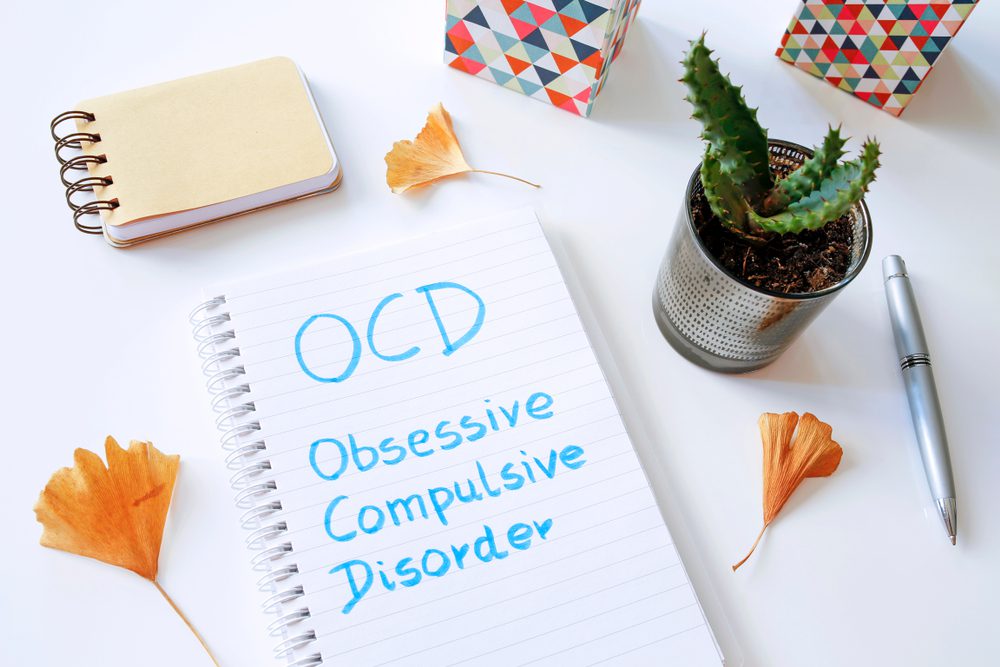
Could It Be OCD? These 9 Interesting Facts Will Surprise You

…Have you ever heard about obsessive-compulsive disorder, also simply known as OCD? You’ve surely met…

Read More →

Psychology Diary

The First Step Toward Change Is Awareness

Inedit Agency S.R.L.
Bucharest, Romania

contact@psychologydiary.com

Explore

  • About Us
  • Advertiser Disclosure
  • Contact Us
  • Disclaimer
  • Do not sell my personal information
  • Editorial Policy
  • Frequently Asked Questions
  • Privacy Policy
  • Terms and Conditions
  • Subscribe
  • Unsubscribe

Categories

  • Expert Tips
  • Family
  • Life
  • Marriage
  • Mental Health

© 2026 Psychology Diary. All rights reserved.