Psychology Diary

The First Step Toward Change Is Awareness

  • Home
  • Relationships
  • Mental Health
  • Expert Tips
  • Life
  • Family
  • Marriage

The Complete Guide to Understanding and Managing Anxiety After 50

August 31, 2025 · Mental Health

Middle-aged person listening to older adult in living room.

A Note for Caregivers: How to Support a Loved One with Anxiety

Watching a parent, spouse, or friend struggle with anxiety can be heartbreaking and frustrating. Your support can make a world of difference, but it’s important to approach it in a way that is truly helpful for both your loved one and yourself.

Do: Listen and Validate

The most powerful thing you can do is listen without judgment. Anxiety can feel irrational, but the fear it creates is very real to the person experiencing it. Instead of arguing with the fear, validate the feeling behind it.

Supportive script: Instead of saying, “There’s nothing to worry about,” try, “It sounds like that’s really frightening for you. I’m here to listen if you want to talk about it.”

Don’t: Dismiss or “Fix”

Telling someone to “just relax” or “calm down” is rarely helpful and can make them feel misunderstood. Avoid offering unsolicited advice or trying to immediately solve the problem. Your calm, steady presence is often more valuable than any quick fix.

Do: Encourage and Assist (Gently)

Gently encourage them to use the coping skills they’re learning or to engage in pleasant activities. You can be a partner in their wellness journey.

Supportive action: “I know you’ve been hesitant to go out. Would you like to take a short walk around the block with me this afternoon?” or “I can help you make a list of questions for your doctor’s appointment if you’d like.”

Don’t: Forget Your Own Well-being

Caregiving is demanding, and it’s easy to experience burnout. Your mental health matters, too. Set healthy boundaries to protect your own energy. You cannot pour from an empty cup. Seek out your own support, whether through friends, a therapist, or a caregiver support group. Organizations like SAMHSA provide resources that can be helpful for both individuals and their families.


Pages: 1 2 3 4 5 6 7 8 9 10 11

Share this article

Facebook Twitter Pinterest LinkedIn Email

Leave a Reply Cancel reply

Your email address will not be published. Required fields are marked *

Search

Latest Posts

  • An unposed photo of a man sitting at a kitchen table looking slightly guarded during a quiet, intimate conversation. 8 Body Language Clusters That Indicate Someone Is Holding Back the Truth
  • An ink and watercolor illustration of a morning coffee cup on a wooden table with a gentle ripple, symbolizing subtle early changes. 7 Subtle Signs of Parkinson's Disease in the Early Stages
  • An editorial illustration of a silhouette standing on a fractured path, with a hand gently unravelling a thread from its shoulder. 8 Hidden Signs of Emotional Manipulation in a Relationship
  • Gouache illustration of a couple walking hand-in-hand through a vibrant landscape of overlapping colorful plants and abstract shapes. The 5 Love Languages Revisited: What Really Keeps Couples Close
  • A watercolor illustration of two people on an uneven seesaw, symbolizing a lopsided, selfish relationship dynamic. 10 Signs Someone May Be More Selfish Than They Realize
  • An editorial ink and watercolor illustration of a lonely figure fading into soft gray washes, symbolizing emotional vulnerability. 10 Warning Signs You May Be in an Emotionally Abusive Relationship
  • A couple sits on opposite ends of a long sofa in a dimly lit living room, staring away from each other with a large physical gap between the 10 Signs You're No Longer Connected to Your Partner
  • Editorial ink and watercolor illustration of a person wearing a suit of mirrors as protective armor, symbolizing defensive ego preservation. 9 Signs You Struggle to Admit Mistakes
  • A conceptual mixed-media collage showing dark, chaotic textures emerging from a clean paper silhouette, symbolizing hidden guilt leaking out 7 Signs Someone May Feel Guilty About Something
  • An editorial illustration of a person sitting at a table with a root system growing from their chair into the floorboards. The Mental Symptoms Many People Ignore Until It's Too Late

Newsletter

Get the latest posts delivered to your inbox.

Related Articles

Anxious Introvert

Are You an Anxious Introvert? Here Are 10 Telltale Signs

These hidden signs might indicate that you’re an anxious introvert… Anxiety is the voice in…

Read More →
Conceptual paper-craft illustration of a brain with glowing neural pathways and botanical growth representing cognitive health.

The Link Between Physical Activity and Mental Sharpness After 60

Discover how combining aerobic and resistance training can actively rewire your brain, increase BDNF levels,…

Read More →
anxiety

7 Effective Ways to Reduce Anxiety

#7 Set Limits and Learn to Say “No” Some stressors are out of your control,…

Read More →
physical activity

8 Reasons Why Physical activity Is Good for Our Mental Health

Today, we will craft a guide meant to provide you with various tips on how…

Read More →
Fashion Therapy

Fashion Therapy: 8 Exciting Ways Clothes Can Lift Your Spirits

We’re taking fashion therapy to a whole new level, folks! Have you ever noticed how…

Read More →
anxiety

10 Subtle Signs of Anxiety You Shouldn’t Ignore

When you think of anxiety, you probably have an idea of some of its most…

Read More →
OCD

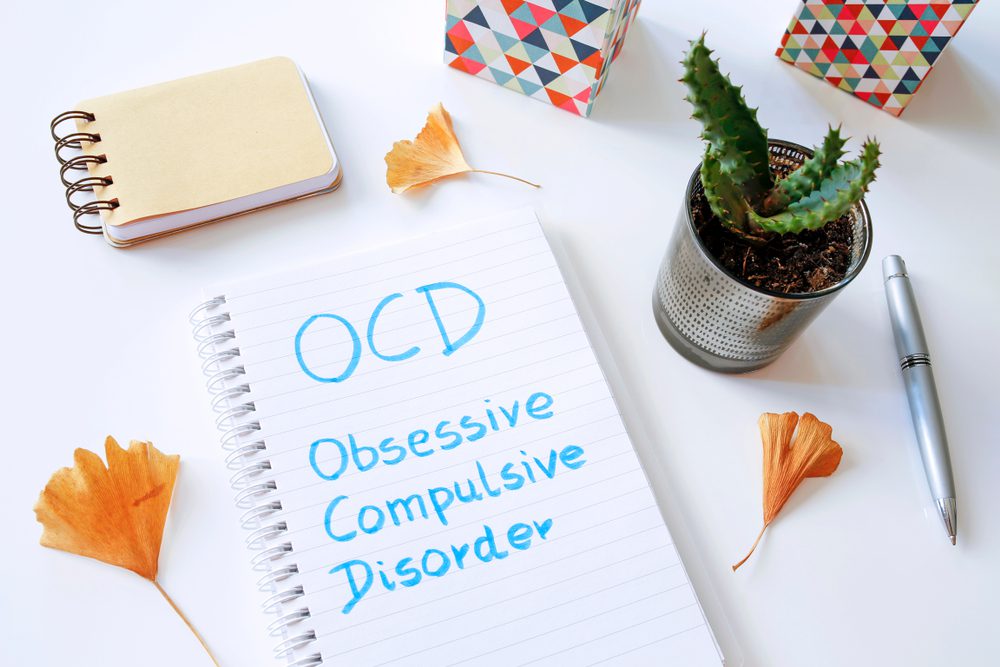
Could It Be OCD? These 9 Interesting Facts Will Surprise You

…Have you ever heard about obsessive-compulsive disorder, also simply known as OCD? You’ve surely met…

Read More →
Famous People with Dementia

6 Hollywood Stars Who Secretly Battled Dementia

Dementia Can Affect Anyone… Even Famous Hollywood Stars! Dementia can be an overwhelming condition that…

Read More →
traits most criminals share

9 Psychological Common Traits Most Criminals Share

What are the traits most criminals share?  People like John Wayne Gacy, Jeffrey Dahmer, and…

Read More →

Psychology Diary

The First Step Toward Change Is Awareness

Inedit Agency S.R.L.
Bucharest, Romania

contact@psychologydiary.com

Explore

  • About Us
  • Advertiser Disclosure
  • Contact Us
  • Disclaimer
  • Do not sell my personal information
  • Editorial Policy
  • Frequently Asked Questions
  • Privacy Policy
  • Terms and Conditions
  • Subscribe
  • Unsubscribe

Categories

  • Expert Tips
  • Family
  • Life
  • Marriage
  • Mental Health

© 2026 Psychology Diary. All rights reserved.