Psychology Diary

The First Step Toward Change Is Awareness

  • Home
  • Relationships
  • Mental Health
  • Expert Tips
  • Life
  • Family
  • Marriage

8 Things Narcissists Say to Keep You Under Control

February 8, 2026 · Relationships
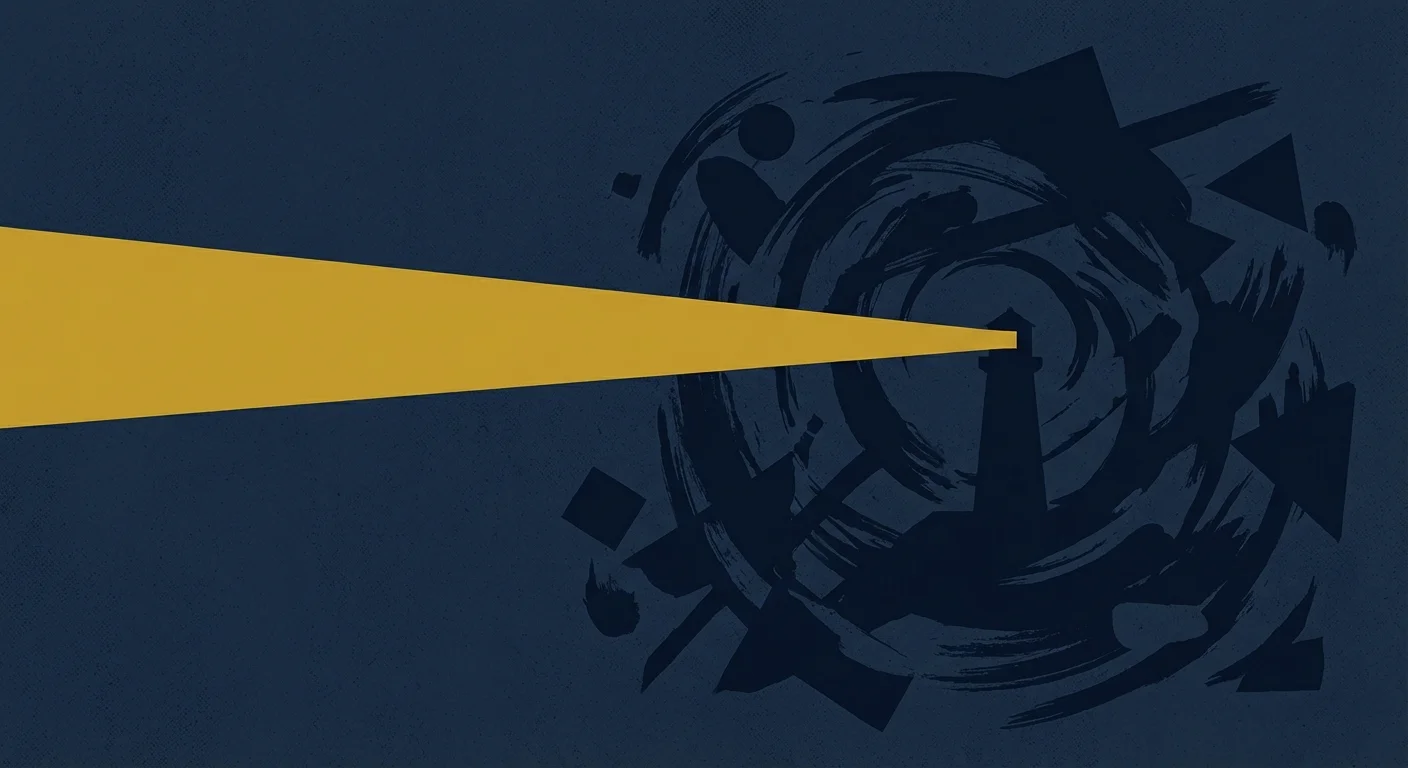
A bright lighthouse beam cutting through a dark, abstract storm.
A lighthouse beam pierces through a swirling storm of dark shapes, offering a steady path toward clarity and guidance.

When to Seek Professional Support

Narcissistic abuse can have lasting impacts on your mental health, including anxiety, depression, and C-PTSD. You should consider seeking support from a licensed therapist if:

  1. You feel constantly confused or “foggy” about your relationship dynamics.
  2. You have isolated yourself from friends and family to avoid conflict with your partner.
  3. You experience physical symptoms of stress (insomnia, stomach issues, chronic pain) when you are around them.
  4. You are afraid of your partner’s reaction to normal daily events.

Moving Forward: Trusting Your Reality

Recognizing these phrases is the first step toward breaking the spell of control. When you hear “You’re too sensitive,” you can now translate it to: “I am trying to silence your valid reaction.” When you hear “I never said that,” you can remind yourself: “I trust my memory.”

You cannot change a narcissist’s behavior, but you can change how you respond to it. By setting firm boundaries and seeking support from those who validate your reality, you can reclaim your voice and your life.

This is educational content based on psychological research and general principles. Individual experiences vary significantly. For personalized guidance, particularly in abusive situations, consult a licensed therapist, psychologist, or counselor.


Last updated: February 2026. Psychology research evolves continuously—verify current findings with professional sources.


Pages: 1 2 3 4 5 6 7 8 9 10

Share this article

Facebook Twitter Pinterest LinkedIn Email

Leave a Reply Cancel reply

Your email address will not be published. Required fields are marked *

Search

Latest Posts

  • A mixed-media collage silhouette of a person made from torn paper, charcoal sketches, and ink washes, representing fragmented self-trust. 9 Signs of an Emotionally Abusive Relationship
  • A mixed media collage of a human silhouette with layered torn paper in indigo and gold, symbolizing trapped physical energy and healing. 10 Signs Your Body is Holding Trauma
  • An illustration of an adult walking forward, casting a shadow that reveals a towering parental figure behind them. 10 Signs You Were Raised by a Narcissist
  • An editorial gouache illustration of a woman's profile transitioning from concrete architecture to elegant fashion lines. Who Was Melania Before She Met Donald Trump? (A Psychological Portrait)
  • An ink and watercolor illustration of a person holding a large ceramic vase with glowing gold cracks, symbolizing hidden internal pressure. The Psychology of the Person Who Is Always Fine Until They Absolutely Aren't
  • A woman sits in a sunlit home library, looking thoughtfully out a window with an open book on her lap. 12 Signs of a High IQ
  • A candid photograph of a tense moment between a couple in a sunlit kitchen, one partner looking exhausted while the other looks away. 8 Traits of Someone Who Always Has to Be Right
  • A conceptual paper collage portrait made of torn fragments representing a fragmented digital identity with blue screen patterns. 10 Clues Someone Has a False Online Identity
  • A conceptual mixed media collage showing a silhouette with a peeling mask, revealing a deep indigo inner layer. 8 Trauma Responses That Get Mistaken for Personality Traits
  • A conceptual watercolor illustration of a senior's silhouette in soft blue, with a glowing gold ink pathway symbolizing an awakening virus. 6 Early Signs of Shingles Seniors Should Never Ignore

Newsletter

Get the latest posts delivered to your inbox.

Related Articles

15 Useful Tips to Get Back Into Dating As a Senior

Dating as a senior doesn’t have to be difficult! There are many people out there,…

Read More →
mommy issues

5 Signs a Man Might Have Unresolved Mommy Issues

Do they have mommy issues? Find out now! “Mommy issues” is a thing that we…

Read More →
move on

7 Signs It Might Be Time to Move On

Relationships aren’t perfect, and they’re certainly not easy either. Happy couples still argue, disagree, and…

Read More →
A conceptual paper collage portrait made of torn fragments representing a fragmented digital identity with blue screen patterns.

10 Clues Someone Has a False Online Identity

Learn the psychological red flags of fake online identities, how to spot catfishing behaviors, and…

Read More →
A person sits alone on a sofa at dusk, looking exhausted and leaning their head on their hand in a dimly lit, lived-in living room.

8 Signs You’re Emotionally Drained By Someone Close To You

Learn the biological and psychological signs of emotional exhaustion in relationships, and discover expert-backed strategies…

Read More →
A conceptual mixed-media collage showing dark, chaotic textures emerging from a clean paper silhouette, symbolizing hidden guilt leaking out

7 Signs Someone May Feel Guilty About Something

Discover the subtle behavioral, psychological, and physical signs that someone is hiding guilt, and learn…

Read More →
emotional blackmail, emotional masochist

10 Shocking Signs You Might Be an Emotional Masochist

Are you an emotional masochist? These signs say yes! Even though whips and chains might…

Read More →
A mixed media collage of a person's face with shifting, layered textures and torn paper edges symbolizing a mental break.

10 Signs of a Psychotic Break

Discover the 10 early signs of a psychotic break, understand the crucial prodromal phase, and…

Read More →
cheaters-spy-1

8 Common Ways Most Cheaters Are Discovered

Cheaters usually think they can outsmart others. They use all sorts of codenames, excessively long…

Read More →

Psychology Diary

The First Step Toward Change Is Awareness

Inedit Agency S.R.L.
Bucharest, Romania

contact@psychologydiary.com

Explore

  • About Us
  • Advertiser Disclosure
  • Contact Us
  • Disclaimer
  • Do not sell my personal information
  • Editorial Policy
  • Frequently Asked Questions
  • Privacy Policy
  • Terms and Conditions
  • Subscribe
  • Unsubscribe

Categories

  • Expert Tips
  • Family
  • Life
  • Marriage
  • Mental Health

© 2026 Psychology Diary. All rights reserved.