Psychology Diary

The First Step Toward Change Is Awareness

  • Home
  • Relationships
  • Mental Health
  • Expert Tips
  • Life
  • Family
  • Marriage

Am I in a Toxic Relationship?’ 8 Questions to Ask Yourself

August 31, 2025 · Relationships

Woman looking pensive in her living room.

Asking “Am I in a toxic relationship?” is a heavy question, one that often surfaces after months or even years of a quiet, nagging feeling that something is fundamentally wrong. It’s a question that can feel disloyal to ask, especially in a long-term marriage or partnership rich with shared history. You may have built a life together, raised children, navigated illnesses, and celebrated triumphs. Yet, beneath the surface, you may feel a persistent sense of being diminished, misunderstood, or emotionally unsafe. The goal of a partnership is to be better together, to create a safe harbor where both people feel seen, respected, and supported. When that foundation begins to crack, it’s not a sign of failure to ask hard questions; it is a profound act of self-care and courage.

This article is not designed to give you a definitive label for your relationship. Instead, it offers a gentle, structured way to explore your feelings and experiences. We will walk through eight reflective questions, grounded in relationship science, to help you gain clarity. These are not blame-finding missions. They are tools for understanding the patterns that shape your daily life. Every long-term relationship faces challenges, especially when navigating major life transitions like retirement, health changes, or becoming empty nesters. The difference between a difficult season and a toxic dynamic often lies in the consistency of negative patterns and the absence of genuine repair.

As you read, give yourself permission to be honest. There is no right or wrong answer, only your truth. The goal is to move from a place of confused suffering to one of clear-eyed awareness. From that place, you can begin to make conscious choices about your future, whether that involves repairing your connection, setting new boundaries, or planning for a change.

Pages: 1 2 3 4 5 6 7

Share this article

Facebook Twitter Pinterest LinkedIn Email

Leave a Reply Cancel reply

Your email address will not be published. Required fields are marked *

Search

Latest Posts

  • An adult in a knit sweater sits on a window sill on a gray day, looking out over a misty city with a steaming mug. 10 Subtle Signs You're Just Existing, Not Truly Living
  • Editorial illustration of a person surrounded by a protective warm watercolor aura, deflecting dark droplets on textured paper. 10 Common Psychological Defense Mechanisms - Which One Do You Use?
  • A mixed-media collage silhouette of a person made from torn paper, charcoal sketches, and ink washes, representing fragmented self-trust. 9 Signs of an Emotionally Abusive Relationship
  • A mixed media collage of a human silhouette with layered torn paper in indigo and gold, symbolizing trapped physical energy and healing. 10 Signs Your Body is Holding Trauma
  • An illustration of an adult walking forward, casting a shadow that reveals a towering parental figure behind them. 10 Signs You Were Raised by a Narcissist
  • An editorial gouache illustration of a woman's profile transitioning from concrete architecture to elegant fashion lines. Who Was Melania Before She Met Donald Trump? (A Psychological Portrait)
  • An ink and watercolor illustration of a person holding a large ceramic vase with glowing gold cracks, symbolizing hidden internal pressure. The Psychology of the Person Who Is Always Fine Until They Absolutely Aren't
  • A woman sits in a sunlit home library, looking thoughtfully out a window with an open book on her lap. 12 Signs of a High IQ
  • A candid photograph of a tense moment between a couple in a sunlit kitchen, one partner looking exhausted while the other looks away. 8 Traits of Someone Who Always Has to Be Right
  • A conceptual paper collage portrait made of torn fragments representing a fragmented digital identity with blue screen patterns. 10 Clues Someone Has a False Online Identity

Newsletter

Get the latest posts delivered to your inbox.

Related Articles

men

6 Things Men Secretly Do (and NEVER Admit To)

We have a simple question for you: Do you act one way in public and…

Read More →
A mixed-media collage of a fragmented silhouette head with an anchor being cut, symbolizing the loss of one's grip on reality.

10 Signs Someone Is Trying to Distort Your Reality

Learn to identify the 10 warning signs of reality distortion and emotional manipulation, empowering you…

Read More →
wealthy

13 Mental Tricks Wealthy People Use

If you think building wealth is only about strategies and luck, let’s change our perspective…

Read More →
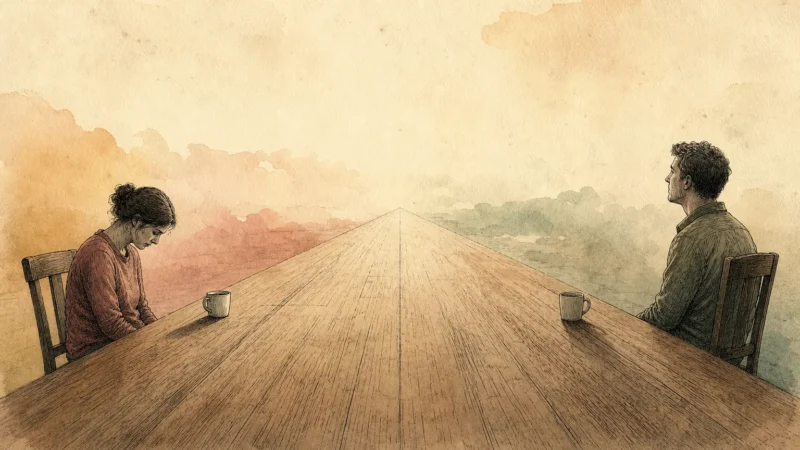
An editorial watercolor illustration of two people sitting at an impossibly long dining table, symbolizing emotional distance.

10 Behaviors That Can Push People Away

Learn the 10 subtle behaviors that push people away and discover research-backed strategies to replace…

Read More →

The Most Common Signs That Indicate You’re In A Rebound Relationship

After breaking up with someone, you usually enter a phase filled with sadness and frustration…

Read More →
partner men

How to Become a More Supportive Partner

We are emotional beings who crave love, respect, and support, and we shouldn’t settle for…

Read More →
An unposed photo of a man sitting at a kitchen table looking slightly guarded during a quiet, intimate conversation.

8 Body Language Clusters That Indicate Someone Is Holding Back the Truth

Learn how to read the 8 essential body language clusters and signs of cognitive load…

Read More →

21 Important Relationship Goals to Reach

If you’re feeling like your relationship has reached a stagnant point, maybe you should try…

Read More →

The Best Tips on How to End a Long-Term Relationship Properly

Having to break up with someone is not an easy task. In fact, a lot…

Read More →

Psychology Diary

The First Step Toward Change Is Awareness

Inedit Agency S.R.L.
Bucharest, Romania

contact@psychologydiary.com

Explore

  • About Us
  • Advertiser Disclosure
  • Contact Us
  • Disclaimer
  • Do not sell my personal information
  • Editorial Policy
  • Frequently Asked Questions
  • Privacy Policy
  • Terms and Conditions
  • Subscribe
  • Unsubscribe

Categories

  • Expert Tips
  • Family
  • Life
  • Marriage
  • Mental Health

© 2026 Psychology Diary. All rights reserved.