Psychology Diary

The First Step Toward Change Is Awareness

  • Home
  • Relationships
  • Mental Health
  • Expert Tips
  • Life
  • Family
  • Marriage

From a Therapist’s Point of View: The Most Common Regrets People Have in Later Life

August 31, 2025 · Life

Man reading on a porch.

Regret 4: “I Wish I Had Let Myself Be Happier.”

This is a subtle but profound regret. It’s the realization that happiness is often a choice—a choice that many people deny themselves. They stay stuck in familiar patterns, unhealthy relationships, or self-imposed limitations out of fear, guilt, or a sense of obligation. They believe they don’t deserve happiness, or they constantly postpone it, thinking, “I’ll be happy when…” the mortgage is paid, the kids are grown, or they retire.

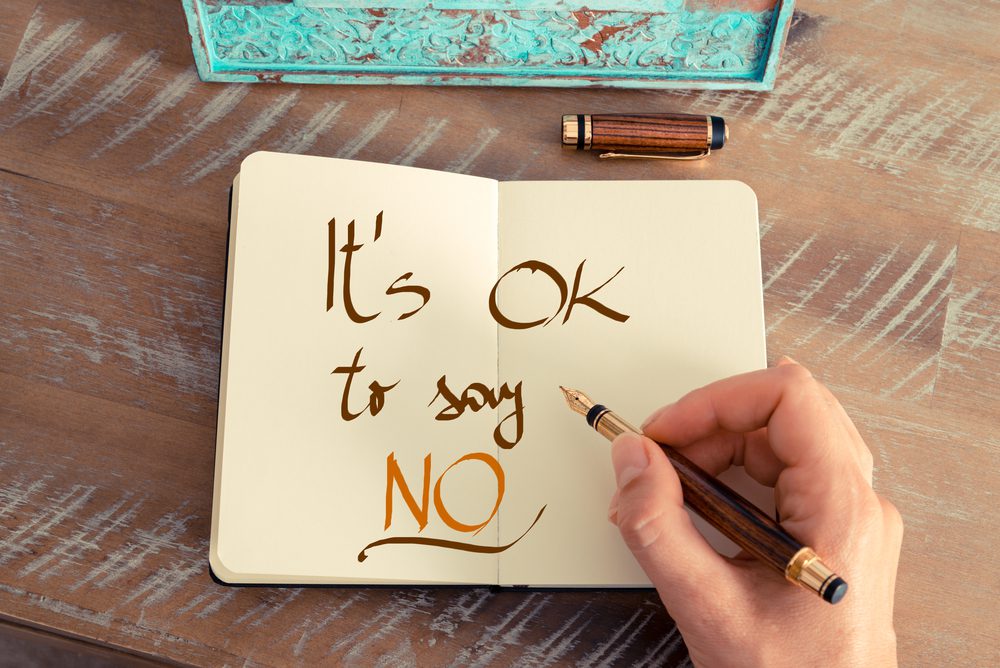
In a family context, this often manifests as people-pleasing. A person might consistently sacrifice their own needs and desires to keep others happy, leading to deep-seated resentment and a loss of self. This isn’t about healthy compromise; it’s about self-erasure. Letting yourself be happier often requires one of the bravest relationship skills: setting boundaries.

Finding Joy Through Healthy Boundaries

A boundary is a limit you set for yourself to protect your well-being. It’s not about controlling another person’s behavior; it’s about defining what you will and will not accept, and what you will do if that limit is crossed. Boundaries are not walls to keep people out; they are fences that make relationships safer and more respectful for everyone involved. They are a declaration that your happiness and mental health matter.

Setting a boundary requires clarity and follow-through. It involves two parts: stating your need clearly and kindly, and explaining the consequence if the boundary is not respected.

Mini-Example: A Boundary Script for Grandparents and Parents

The Situation: A new parent feels undermined by their own mother, who repeatedly ignores their rules about the baby’s feeding schedule.

The Boundary (The Conversation): “Mom, I love how much you adore the baby, and I’m so grateful for your help. I need to be direct about something. We have a specific feeding schedule from the pediatrician, and it’s really important for us to stick to it. When you give her a bottle off-schedule after we’ve asked you not to, I feel disrespected as a parent.”

The Consequence (Stated Calmly): “I need you to support our decisions. If you’re not able to follow the schedule we’ve set, I won’t be able to leave the baby with you alone for a while. We can still visit together, of course.”

This is difficult but necessary. The goal is not to punish but to protect the relationship and your own well-being. The consequence is a natural outcome of the situation, not a threat. It’s about taking care of yourself so you can continue to be in the relationship in a healthy way. Letting yourself be happier means giving yourself permission to protect your peace.

Safety First: It is critical to note that setting boundaries can be risky in abusive or highly volatile relationships. If you fear for your physical or emotional safety, do not attempt to set a boundary that could escalate the situation. Your priority is to stay safe. Reach out to a professional or a resource like the National Domestic Violence Hotline in the U.S. for guidance on safety planning.

Your Next Step: Identify one small area where you feel your energy is being drained in a relationship. What is one small, gentle boundary you could set? It could be as simple as, “I can talk on the phone for 15 minutes, and then I need to go,” or “I’m not available to discuss that topic right now.” Practice saying it out loud to yourself first.


Pages: 1 2 3 4 5 6 7 8

Share this article

Facebook Twitter Pinterest LinkedIn Email

Leave a Reply Cancel reply

Your email address will not be published. Required fields are marked *

Search

Latest Posts

  • An adult in a knit sweater sits on a window sill on a gray day, looking out over a misty city with a steaming mug. 10 Subtle Signs You're Just Existing, Not Truly Living
  • Editorial illustration of a person surrounded by a protective warm watercolor aura, deflecting dark droplets on textured paper. 10 Common Psychological Defense Mechanisms - Which One Do You Use?
  • A mixed-media collage silhouette of a person made from torn paper, charcoal sketches, and ink washes, representing fragmented self-trust. 9 Signs of an Emotionally Abusive Relationship
  • A mixed media collage of a human silhouette with layered torn paper in indigo and gold, symbolizing trapped physical energy and healing. 10 Signs Your Body is Holding Trauma
  • An illustration of an adult walking forward, casting a shadow that reveals a towering parental figure behind them. 10 Signs You Were Raised by a Narcissist
  • An editorial gouache illustration of a woman's profile transitioning from concrete architecture to elegant fashion lines. Who Was Melania Before She Met Donald Trump? (A Psychological Portrait)
  • An ink and watercolor illustration of a person holding a large ceramic vase with glowing gold cracks, symbolizing hidden internal pressure. The Psychology of the Person Who Is Always Fine Until They Absolutely Aren't
  • A woman sits in a sunlit home library, looking thoughtfully out a window with an open book on her lap. 12 Signs of a High IQ
  • A candid photograph of a tense moment between a couple in a sunlit kitchen, one partner looking exhausted while the other looks away. 8 Traits of Someone Who Always Has to Be Right
  • A conceptual paper collage portrait made of torn fragments representing a fragmented digital identity with blue screen patterns. 10 Clues Someone Has a False Online Identity

Newsletter

Get the latest posts delivered to your inbox.

Related Articles

Feeling Lonely: 5 Best Things To Say To Someone Experiencing This

Do you know someone who is feeling way too lonely? Being alone can be very…

Read More →
kamala harris

6 Things You Didn’t Know About Kamala’s Childhood

5. Inspired by her mother to run for president Her mother passed more than a…

Read More →

10 Tips on How to Avoid Awkward Silence on the First Date

First dates can be tricky. You probably don’t know the other person so you might…

Read More →

4 Reasons Why We Keep Electing Narcissists and Sociopaths

It isn’t common for narcissists and sociopaths to rule the world… If you believe that…

Read More →

10 Signs You Ought to Say “Yes” to a Second Date

First dates can be very stressful, as you have no idea if you’re going to…

Read More →
Lie-Detection Tip

Truth or Lie? 7 Easy Lie-Detection Tips to Know if Someone’s Dishonest

Lie-detection tip: Listen for “Conversational Spotlights” Liars tend to emphasize their messages with specific cues…

Read More →
Dementia

10 Things That Nearly Double Your Risk of Dementia

Dementia is one of those conditions we all fear, but just a few truly understand…

Read More →
no

8 Times You Should Say ‘NO’ for a Better Life

5. Comparing yourself to other people One of the things that most therapists will say…

Read More →
fake people, mind games

Watch Out! 8 Shocking Habits That Fake People Share

Watch out! There are many fake people out there and you need to protect your…

Read More →

Psychology Diary

The First Step Toward Change Is Awareness

Inedit Agency S.R.L.
Bucharest, Romania

contact@psychologydiary.com

Explore

  • About Us
  • Advertiser Disclosure
  • Contact Us
  • Disclaimer
  • Do not sell my personal information
  • Editorial Policy
  • Frequently Asked Questions
  • Privacy Policy
  • Terms and Conditions
  • Subscribe
  • Unsubscribe

Categories

  • Expert Tips
  • Family
  • Life
  • Marriage
  • Mental Health

© 2026 Psychology Diary. All rights reserved.