Psychology Diary

The First Step Toward Change Is Awareness

  • Home
  • Relationships
  • Mental Health
  • Expert Tips
  • Life
  • Family
  • Marriage

Grandparenting from a Psychologist’s Perspective: How to Build a Strong Bond

August 31, 2025 · Family

Older and younger woman talking, supportive setting.

The Foundation: Understanding Your Evolving Role

The first and most crucial step in modern grandparenting is understanding the fundamental shift in your role. You have moved from being the primary authority figure to a vital member of the support team. This transition is not always easy, but embracing it with grace is the key to building a healthy family dynamic. Your experience is invaluable, but the parents are now the captains of their own ship. Your role is to be the wise, trusted navigator they can turn to, not the one grabbing the wheel.

From the perspective of family systems theory, a healthy family is one where each member has a clear and respected role. When you were raising your children, your role was to set the rules, provide structure, and make final decisions. Now, that responsibility belongs to your adult children. Honoring their authority is the single most important deposit you can make in the bank of family trust. This means respecting their decisions about everything from feeding schedules and discipline to screen time and sugar intake—even when, and especially when, you would have done it differently.

This doesn’t mean you have no voice or influence. On the contrary, the unique power of a grandparent lies in offering a different kind of relationship. Child psychology research consistently shows that children with actively involved, loving grandparents experience numerous benefits. They tend to have better emotional and social skills, fewer behavioral problems, and a stronger sense of who they are. You are a source of unconditional love, a keeper of family stories, and a safe harbor during life’s little storms. You provide a connection to heritage and a wider sense of belonging.

The core of your new role is to be a secure base. This is a term from attachment theory, and it simply means being a consistently available, responsive, and loving presence. When a child knows they have a grandparent they can count on for comfort and acceptance, it builds their confidence and resilience. Your job is no longer the day-to-day management of childhood, but the long-term investment in a child’s sense of being cherished and safe. Embracing this supportive role is not a demotion; it is an evolution into a position of profound and lasting influence.

Pages: 1 2 3 4 5 6 7 8 9

Share this article

Facebook Twitter Pinterest LinkedIn Email

Leave a Reply Cancel reply

Your email address will not be published. Required fields are marked *

Search

Latest Posts

  • An adult in a knit sweater sits on a window sill on a gray day, looking out over a misty city with a steaming mug. 10 Subtle Signs You're Just Existing, Not Truly Living
  • Editorial illustration of a person surrounded by a protective warm watercolor aura, deflecting dark droplets on textured paper. 10 Common Psychological Defense Mechanisms - Which One Do You Use?
  • A mixed-media collage silhouette of a person made from torn paper, charcoal sketches, and ink washes, representing fragmented self-trust. 9 Signs of an Emotionally Abusive Relationship
  • A mixed media collage of a human silhouette with layered torn paper in indigo and gold, symbolizing trapped physical energy and healing. 10 Signs Your Body is Holding Trauma
  • An illustration of an adult walking forward, casting a shadow that reveals a towering parental figure behind them. 10 Signs You Were Raised by a Narcissist
  • An editorial gouache illustration of a woman's profile transitioning from concrete architecture to elegant fashion lines. Who Was Melania Before She Met Donald Trump? (A Psychological Portrait)
  • An ink and watercolor illustration of a person holding a large ceramic vase with glowing gold cracks, symbolizing hidden internal pressure. The Psychology of the Person Who Is Always Fine Until They Absolutely Aren't
  • A woman sits in a sunlit home library, looking thoughtfully out a window with an open book on her lap. 12 Signs of a High IQ
  • A candid photograph of a tense moment between a couple in a sunlit kitchen, one partner looking exhausted while the other looks away. 8 Traits of Someone Who Always Has to Be Right
  • A conceptual paper collage portrait made of torn fragments representing a fragmented digital identity with blue screen patterns. 10 Clues Someone Has a False Online Identity

Newsletter

Get the latest posts delivered to your inbox.

Related Articles

Overcoming Parent-Child Conflict

Overcoming Parent-Child Conflict: 5 Easy Steps to Navigate

Psychology Diary Presents: Overcoming parent-child conflict In the complex world of family dynamics, the delicate…

Read More →
toxic grandparent, emotional masochist

7 Shocking Signs You Might Be a Toxic Grandparent

Are you a toxic grandparent? Let’s find out together! A relationship between adult children and…

Read More →
child

10 Signs Your Child Is a Brat and How to Deal With It

As parents, we tend to neglect our children’s bratty behavior because they can be so…

Read More →
empty nest syndrome

Empty Nest Syndrome: Adjusting to Life After Children Leave Home

What is the empty nest syndrome? Being a parent was never easy, but with all…

Read More →

23 Things American Parents Usually Do and the Rest of the World Doesn’t

Growing up in the United States definitely comes with a lot of fun, but we…

Read More →
toxic family

12 Signs You’re Dealing With a Toxic Family Member

What does “toxic” really mean? Let’s establish the basics first: what does it mean to…

Read More →
daughter

What Your Daughter-in-Law Wants You to Know

When you’re saying ‘YES’ to the big question, you’re not only saying it to your…

Read More →
Emotionally Immature

5 Signs Your Parents Were Emotionally Immature

Emotionally Immature parents can leave deep scars Go back in time and try to think…

Read More →
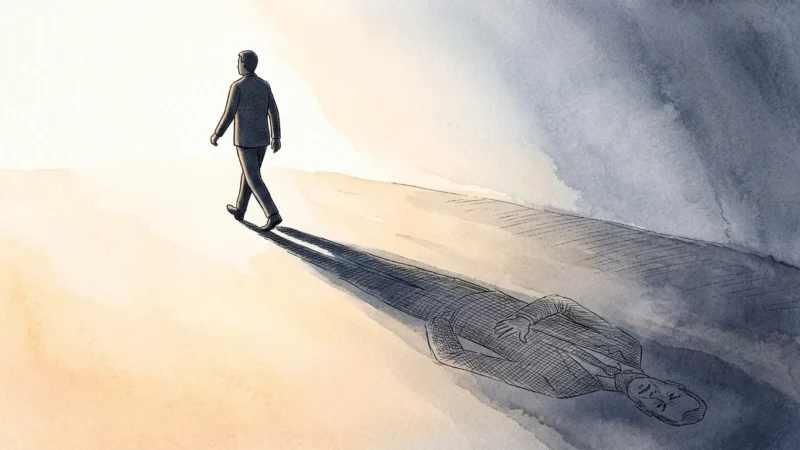
An illustration of an adult walking forward, casting a shadow that reveals a towering parental figure behind them.

10 Signs You Were Raised by a Narcissist

Discover the 10 critical signs you were raised by a narcissistic parent, understand the hidden…

Read More →

Psychology Diary

The First Step Toward Change Is Awareness

Inedit Agency S.R.L.
Bucharest, Romania

contact@psychologydiary.com

Explore

  • About Us
  • Advertiser Disclosure
  • Contact Us
  • Disclaimer
  • Do not sell my personal information
  • Editorial Policy
  • Frequently Asked Questions
  • Privacy Policy
  • Terms and Conditions
  • Subscribe
  • Unsubscribe

Categories

  • Expert Tips
  • Family
  • Life
  • Marriage
  • Mental Health

© 2026 Psychology Diary. All rights reserved.